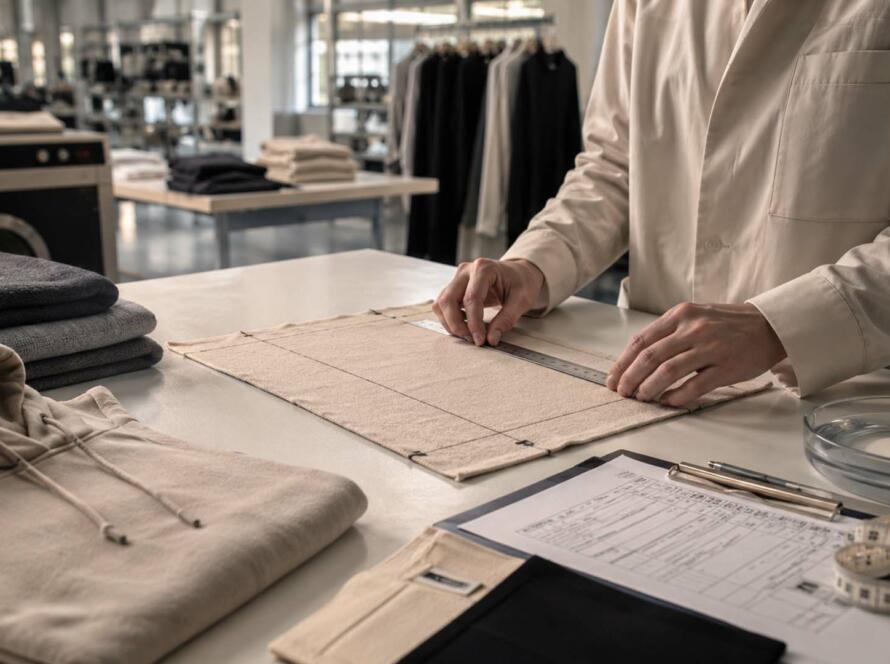


At first glance, two garments may look identical.
But in reality, the difference between a standard product and a premium one lies in details most people don’t immediately see.
High-quality garment production is not a single step — it’s the result of controlled processes, technical precision, and strict standards applied from fabric selection to final inspection.
In this guide, we break down the exact technical factors that define production quality — the same standards used by professional manufacturers working with international brands.
1. Fabric Quality (GSM, Composition & Performance)

Fabric is the foundation of garment quality.
Key technical factors:
- GSM (Grams per Square Meter):
Determines fabric weight and density- 160–180 GSM → lightweight
- 200–240 GSM → standard streetwear
- 300+ GSM → premium heavyweight
- Composition:
Cotton, polyester, blends — each affects durability and comfort - Fabric stability:
Resistance to shrinking, twisting, fading
Even with perfect production, poor fabric will always lead to a weak product.
2. Stitching Quality & Construction Techniques
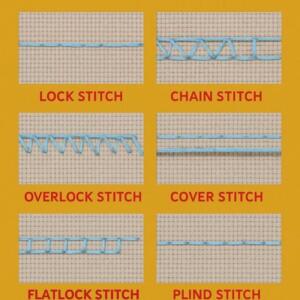
Stitching is where craftsmanship becomes visible.
Common stitching types:
- Lockstitch → standard and durable
- Overlock (Serger) → prevents fabric fraying
- Flatlock → used in sportswear for comfort
- Double stitching → increases durability and gives a premium finish
Quality indicators:
- Straight and consistent seams
- Balanced stitch density
- No loose threads
3. Tolerances & Measurement Accuracy
In professional production, precision is essential.
What are tolerances?
Tolerances define the acceptable margin of error in measurements.
Examples:
- ±1 cm for t-shirts
- ±0.5 cm for more precise garments
Anything beyond this range is considered a defect.
4. Printing & Embroidery Quality
This stage directly affects the product’s market positioning.
The real difference:
Premium Quality:
- Color consistency
- No cracking or peeling after washing
- Clean and precise embroidery
Low Quality:
- Print cracks over time
- Color inconsistencies
- Uneven embroidery
 5. Real Defects vs Premium Finish
 5. Real Defects vs Premium Finish
Common defects:
- Loose threads
- Fabric puckering
- Measurement inconsistencies
- Misaligned prints
Premium finish:
- Clean fabric surface
- Precise stitching
- Balanced structure
- Maintains shape after washing
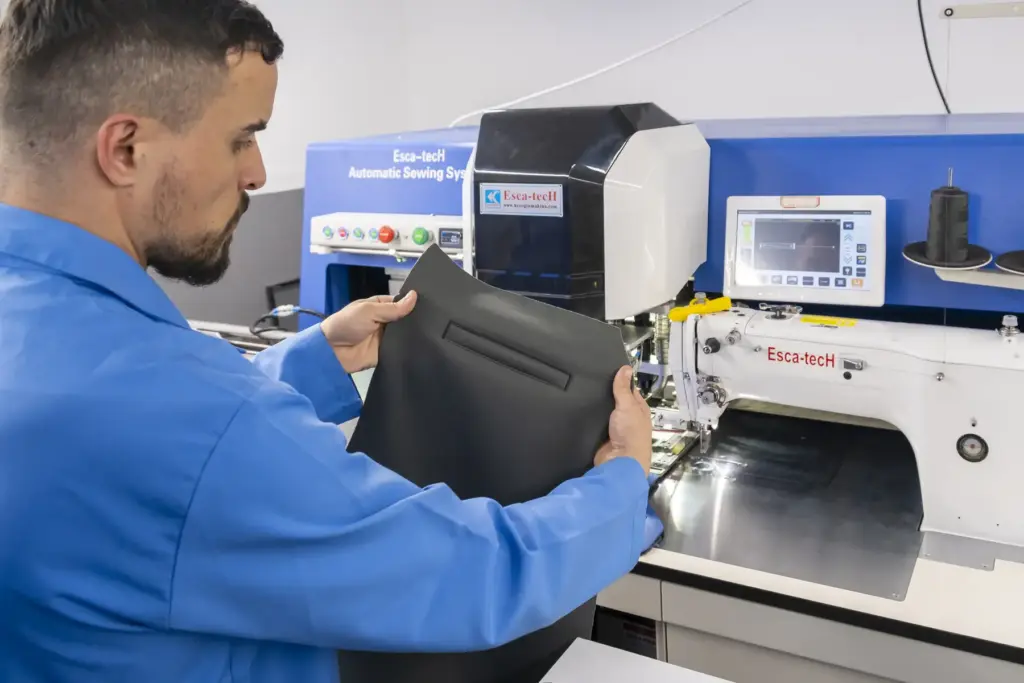
6. Quality Control System (Before Shipment)
Quality is not checked once — it is controlled throughout the entire process.
A professional QC system includes:
- Raw material inspection
- In-line production checks
- Final inspection before shipment
The goal is simple: zero defective products reaching the customer.
7. Process Management (The Hidden Factor)
Even if all technical elements are strong, poor process management can lead to:
- Delays
- Increased costs
- Inconsistent quality
True production quality comes from combining:
systems + experience + execution
Final Thoughts
High-quality garment production is the result of attention to detail at every stage.
From fabric selection to final inspection, each step plays a critical role in defining the final product.
Brands that prioritize quality do more than sell garments — they build long-term trust and a strong position in the market.
❓ FAQ
What GSM is best for streetwear?
Most streetwear brands use fabrics between 200–300 GSM. Premium collections often use 300+ GSM for a heavier and more structured feel.
How can I evaluate garment quality?
You should check fabric quality, stitching consistency, measurement accuracy, print durability, and finishing details.
Why is stitching important in garment production?
Stitching directly affects durability, structure, and overall appearance. Poor stitching can lead to product failure even if the fabric is high quality.