


Finding a clothing manufacturer is one of the most important decisions you’ll make when building your brand. The right partner can help you grow faster, maintain consistent quality, and avoid costly mistakes.
On the other hand, choosing the wrong manufacturer can lead to delays, poor quality, and damaged customer trust.
Instead of guessing, this guide will help you evaluate manufacturers the right way — with a clear checklist, warning signs, and the key questions you should always ask.
1. What Does a Good Manufacturer Actually Do?
A professional clothing manufacturer does more than just produce garments.
They should support you in:
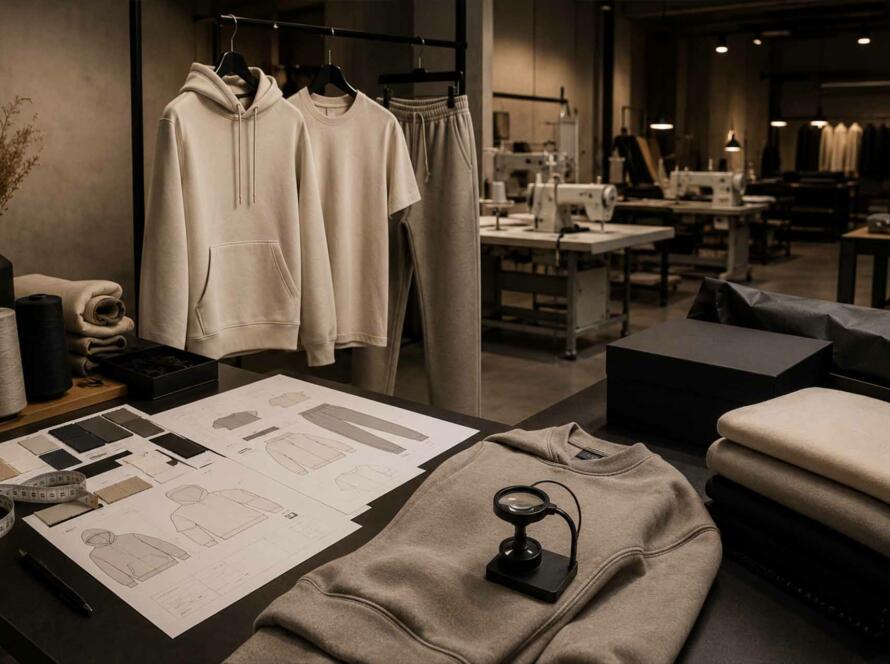
- Design and prototyping
- Fabric sourcing
- Production planning
- Branding and labeling
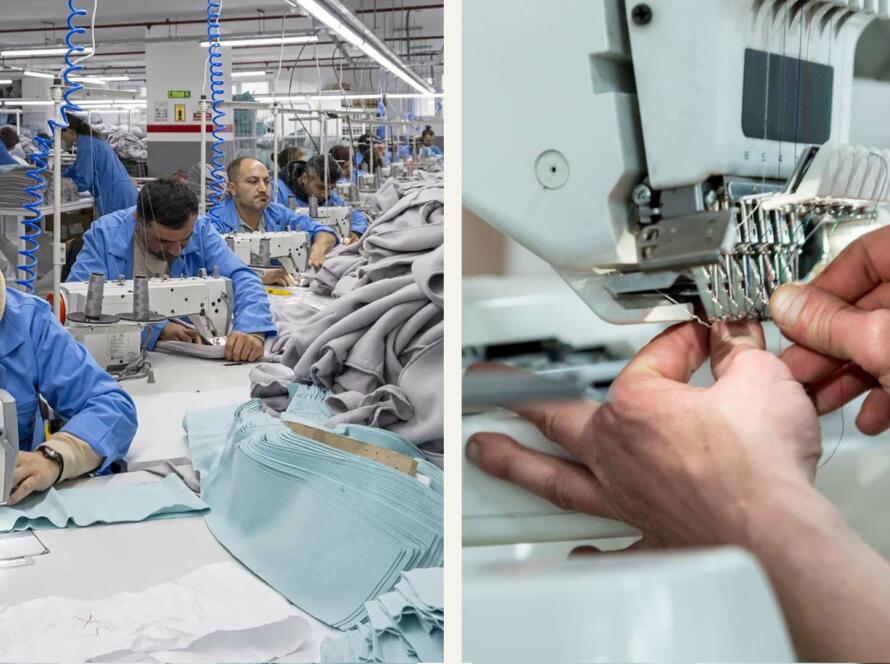
- Quality control
The best manufacturers act as production partners, not just suppliers.
2. Manufacturer Checklist (Use This Before You Decide)
Before working with any manufacturer, go through this checklist:
- Do they offer sampling before bulk production?
- Can they help with fabric selection?
- Do they clearly explain their production process?
- Do they have experience with your product type (e.g., streetwear)?
- Are their communication and response times professional?
- Do they provide quality control before shipment?
- Can they scale production as your brand grows?
- Do they offer branding and labeling services?
If you’re missing more than 2–3 of these, reconsider your choice.
3. 🚩 Red Flags You Should Never Ignore
Some problems only appear after production starts — but these signs can help you avoid them early:
- Vague answers about pricing or timelines
- No clear sample process
- Poor communication or delayed replies
- Unrealistically low prices
- No quality control system
- No portfolio or previous work
If something feels unclear at the beginning, it usually gets worse later.
4. Questions You Must Ask Before Starting
Don’t rely on assumptions — ask directly.
Here are essential questions:
- What is your minimum order quantity (MOQ)?
- What is your average production time?
- Do you provide samples before bulk production?
- What quality control processes do you follow?
- Can you support branding (labels, packaging, etc.)?
- What happens if there is a production issue?
- Do you work with international brands?
Clear answers = reliable partner
5. Local vs Overseas Manufacturing (Which One Is Better?)
This is one of the most common decisions brands face.
Local Manufacturing
Pros:
- Faster communication
- Easier quality control
- Shorter shipping time
Cons:
- Higher costs
- Limited production capacity (sometimes)
Overseas Manufacturing
Pros:
- Lower production costs
- Large-scale capacity
Cons:
- Communication challenges
- Longer delivery times
- Harder to control quality
Smart brands choose based on their stage:
- Beginners → flexibility & support
- Growing brands → scalability & cost optimization
6. Why the Right Partner Changes Everything
When you work with the right manufacturer:
- You reduce production risks
- You improve product quality
- You save time and resources
- You scale faster
Instead of managing problems, you focus on growing your brand.
Final Thoughts
Choosing a clothing manufacturer is not just a technical decision — it’s a strategic one.
Take your time, ask the right questions, and evaluate your options carefully.
A strong production partner is not just someone who makes your product — it’s someone who helps you build your brand.
❓ FAQ
What is the best country for clothing manufacturing?
It depends on your goals. Countries like Turkey offer a balance between quality, speed, and proximity to Europe, while Asian countries may offer lower costs for large-scale production.
How do I verify a clothing manufacturer?
You can verify a manufacturer by reviewing samples, checking previous work, requesting references, and evaluating communication quality and transparency.
Is it better to start with small production quantities?
Yes. Starting with smaller quantities helps test your product, reduce risk, and improve your design before scaling production.

1 Comment