


Building a fashion brand is exciting, but turning a design idea into a finished garment requires more than creativity. A brand needs the right product, the right materials, reliable production, consistent sizing, strong finishing, and packaging that reflects its identity.
That is where a private label clothing manufacturer becomes important.
Private label manufacturing allows fashion brands to sell clothing under their own name, with their own labels, designs, packaging, and brand presentation. Instead of building a factory, hiring a full production team, and managing every technical detail alone, brands work with a manufacturing partner that can handle the process from concept to final product.
For startup clothing brands, streetwear labels, premium fashion brands, and growing apparel companies in Europe and the United States, private label production offers a practical path to launch collections, test products, and scale into bulk clothing production with more confidence.
This guide explains how private label clothing manufacturing works, what services brands usually need, and how to choose the right partner.
What Is a Private Label Clothing Manufacturer?
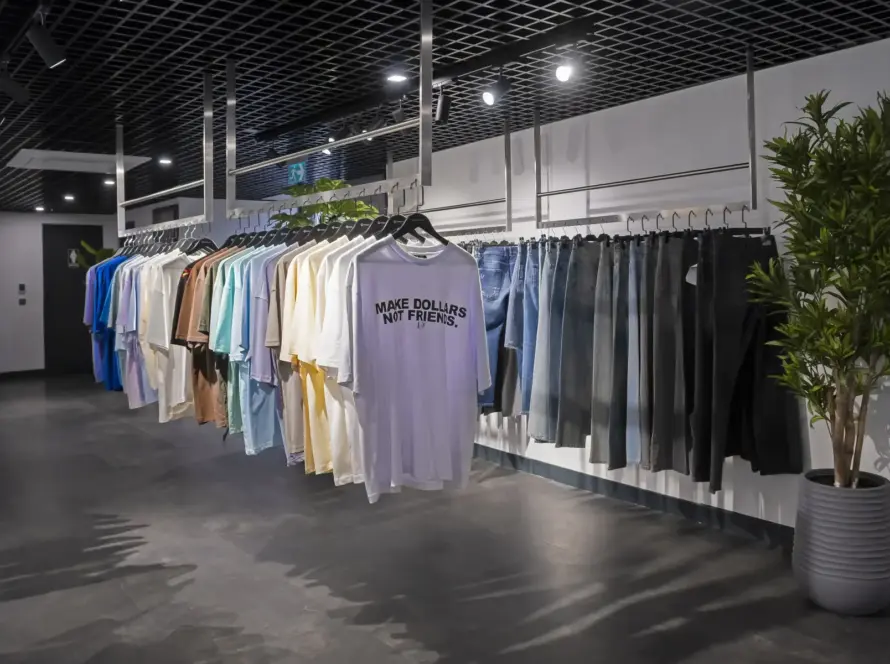
A private label clothing manufacturer produces garments for a brand that sells those products under its own label. The manufacturer handles the technical and production side, while the brand owns the identity, positioning, design direction, and customer relationship.
For example, a fashion entrepreneur may want to launch a premium hoodie collection. The brand may have a logo, mood board, target customer, and product idea. The private label manufacturer helps transform that idea into a real product by supporting fabric selection, pattern development, sampling, production, labeling, finishing, and quality control.
In simple terms:
A private label clothing manufacturer helps fashion brands create clothing products under their own brand name without owning a factory.
Private label apparel can include many categories, such as:
- T-shirts
- Hoodies
- Sweatshirts
- Joggers
- Tracksuits
- Jackets
- Oversized streetwear pieces
- Premium basics
- Casualwear collections
- Limited-edition drops
- Branded merchandise
- Sustainable textile products
The level of customization depends on the project. Some brands start with simple branded basics. Others need fully custom fits, special fabrics, embroidery, prints, custom labels, packaging, and detailed quality standards.
Private Label vs Custom Clothing Manufacturing
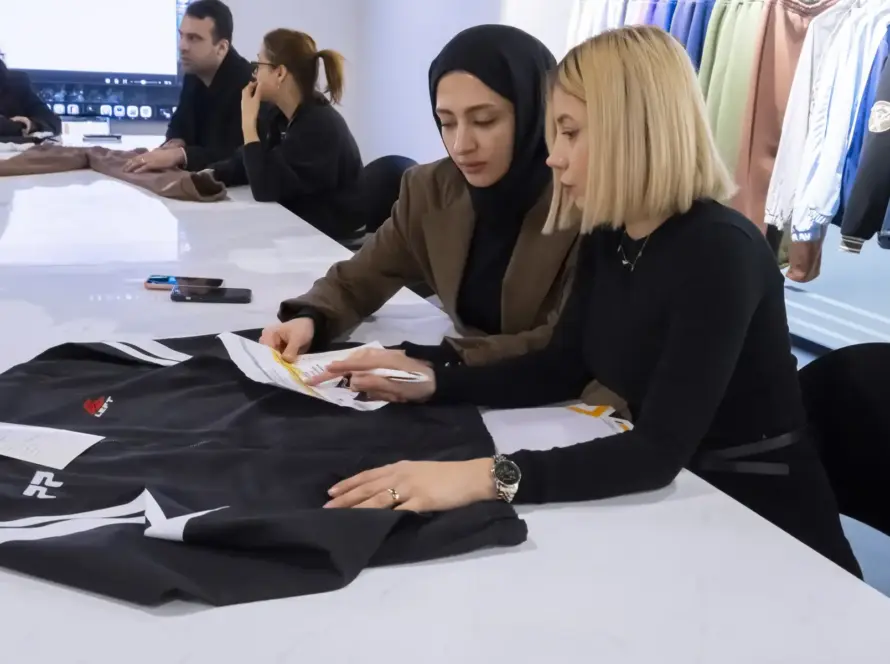
Both are closely connected, but they are not always the same.
Private Label Apparel
The private label apparel usually means products are manufactured for your brand and sold with your own label. The manufacturer may support existing product categories, proven garment structures, or flexible production options that can be adapted to your brand.
This is often useful for brands that want to launch faster while still having control over branding, labels, trims, packaging, and selected design details.
Custom Clothing Manufacturing
A custom clothing manufacturer creates garments based on your specific design requirements. This may include a custom fit, unique pattern, special stitching, exclusive fabric, original graphics, embroidery placement, special wash, or technical construction.
Custom manufacturing is ideal when your brand wants a distinct product rather than a basic garment with a logo.
OEM Clothing Manufacturing
An OEM clothing manufacturer produces garments based on the brand’s specifications. OEM production is common when a brand already has technical files, measurements, patterns, or reference samples and needs a manufacturing partner to produce the collection accurately.
Many fashion brands use a mix of private label, custom, and OEM production depending on the collection.
Read More:
how to choose a clothing manufacturer
How the Private Label Clothing Manufacturing Process Works
A strong private label process is organized, transparent, and detail-driven. Every step affects the final result, from the first concept to the final packed product.
1. Brand Concept and Product Direction
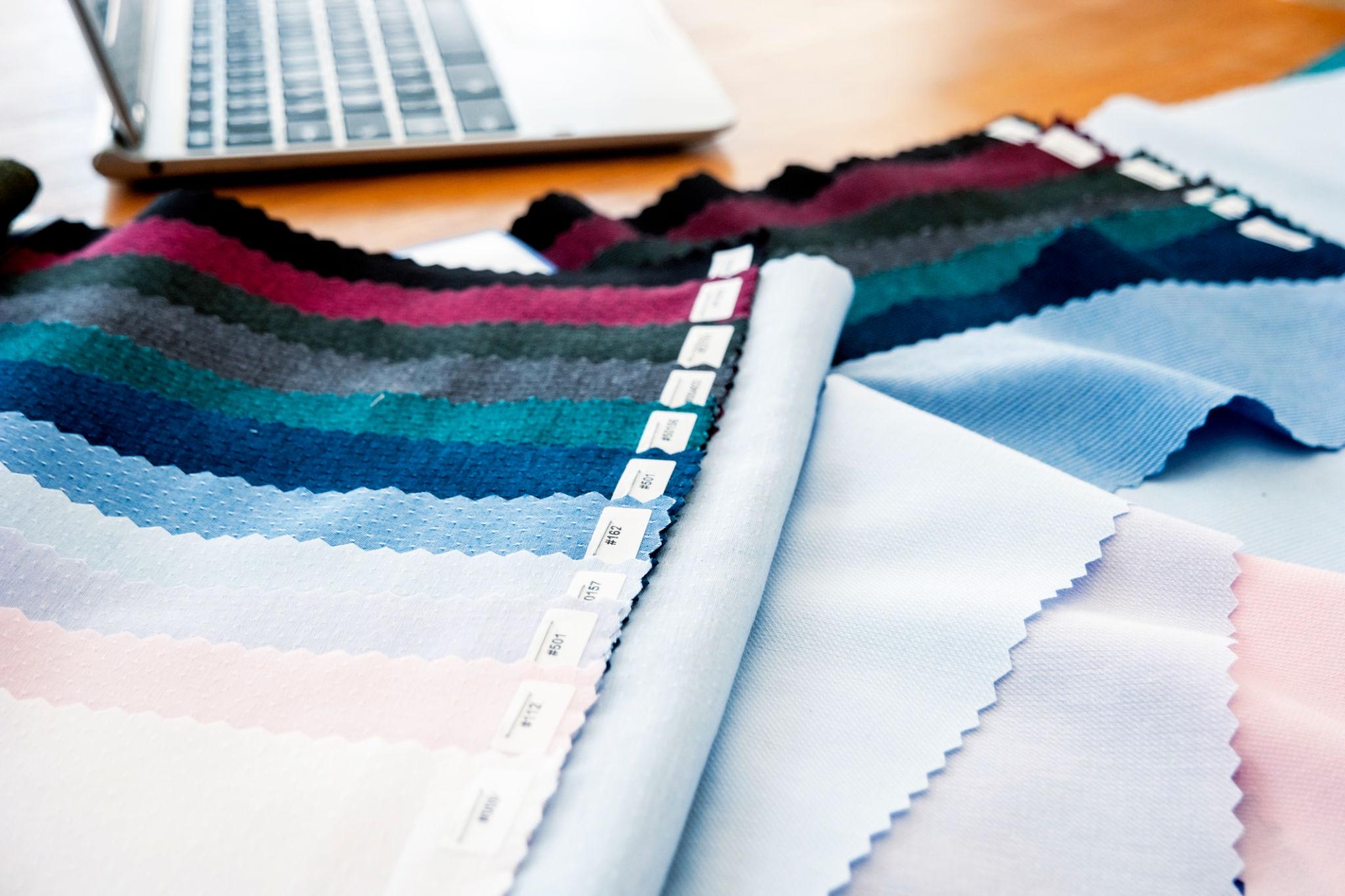
The process begins with clarity. Before production starts, the brand needs to define what it wants to create and who the product is for.
This stage usually includes:
- Product category
- Target market
- Price positioning
- Style direction
- Fit preference
- Fabric expectations
- Color palette
- Branding details
- Quantity goals
- Timeline
- Sustainability preferences
For example, a streetwear brand in Germany may want oversized heavyweight hoodies with puff print, woven neck labels, recycled packaging, and premium finishing. A startup in the United States may prefer a small capsule collection of T-shirts, sweatshirts, and joggers to test market demand.
The clearer the concept, the easier it becomes to produce a strong sample and avoid costly changes later.
2. Design Support and Technical Development
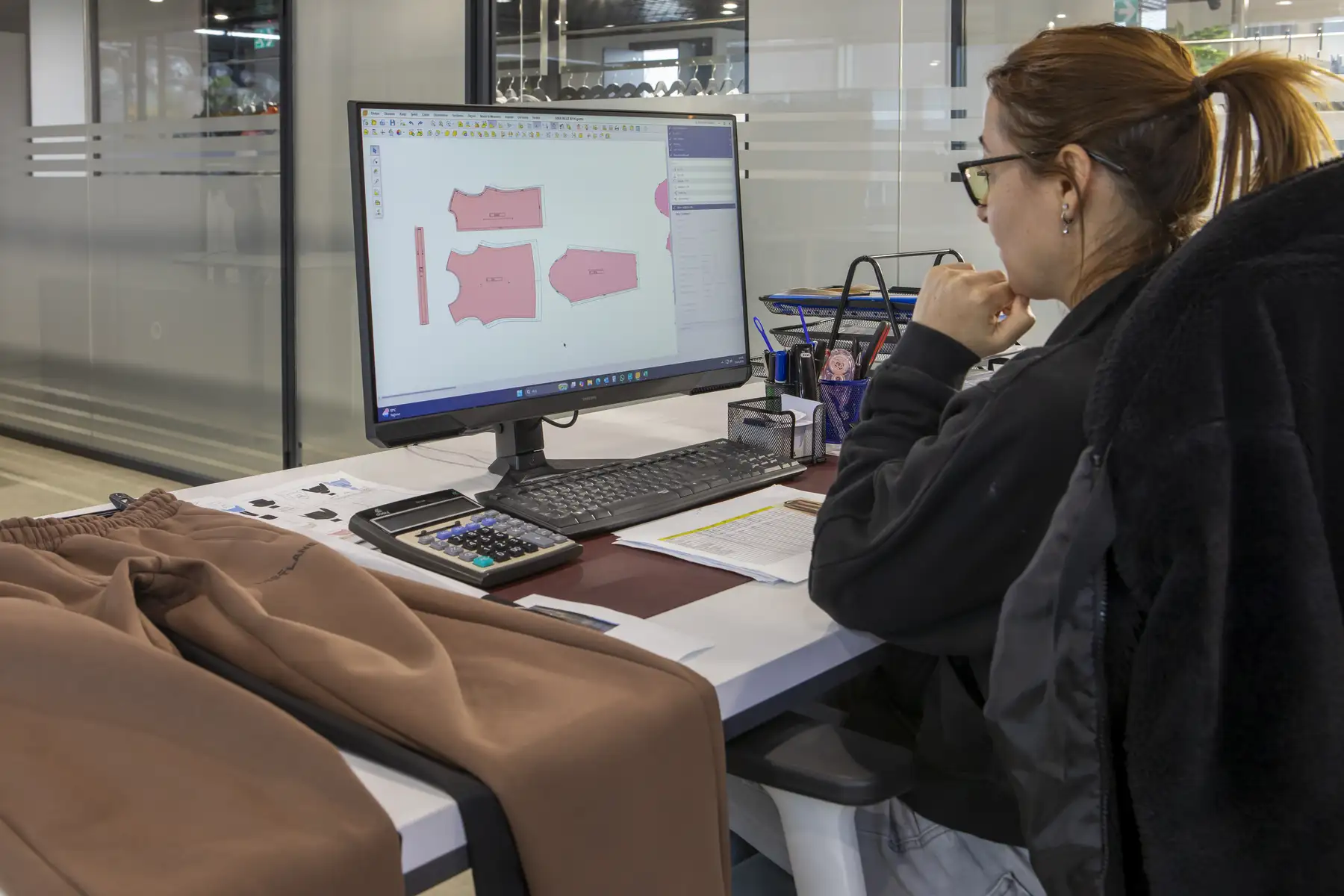
Some brands come with complete tech packs. Others only have sketches, reference images, or a general idea. A good private label manufacturer can support both situations.
Clothing design support may include:
- Translating ideas into production-ready details
- Advising on garment construction
- Helping with fit and sizing
- Suggesting suitable fabrics
- Preparing technical notes
- Reviewing print or embroidery placement
- Identifying possible production challenges early
A tech pack is especially helpful. It usually includes measurements, materials, stitching details, colors, trims, labels, artwork files, and finishing instructions. However, many new brands do not have a complete technical file at the beginning. In that case, the manufacturer’s experience becomes valuable.
Practical insight:
If your brand is launching its first collection, avoid starting with too many complex pieces. A focused range of well-made core products often performs better than a large collection with inconsistent quality.
3. Fabric Sourcing
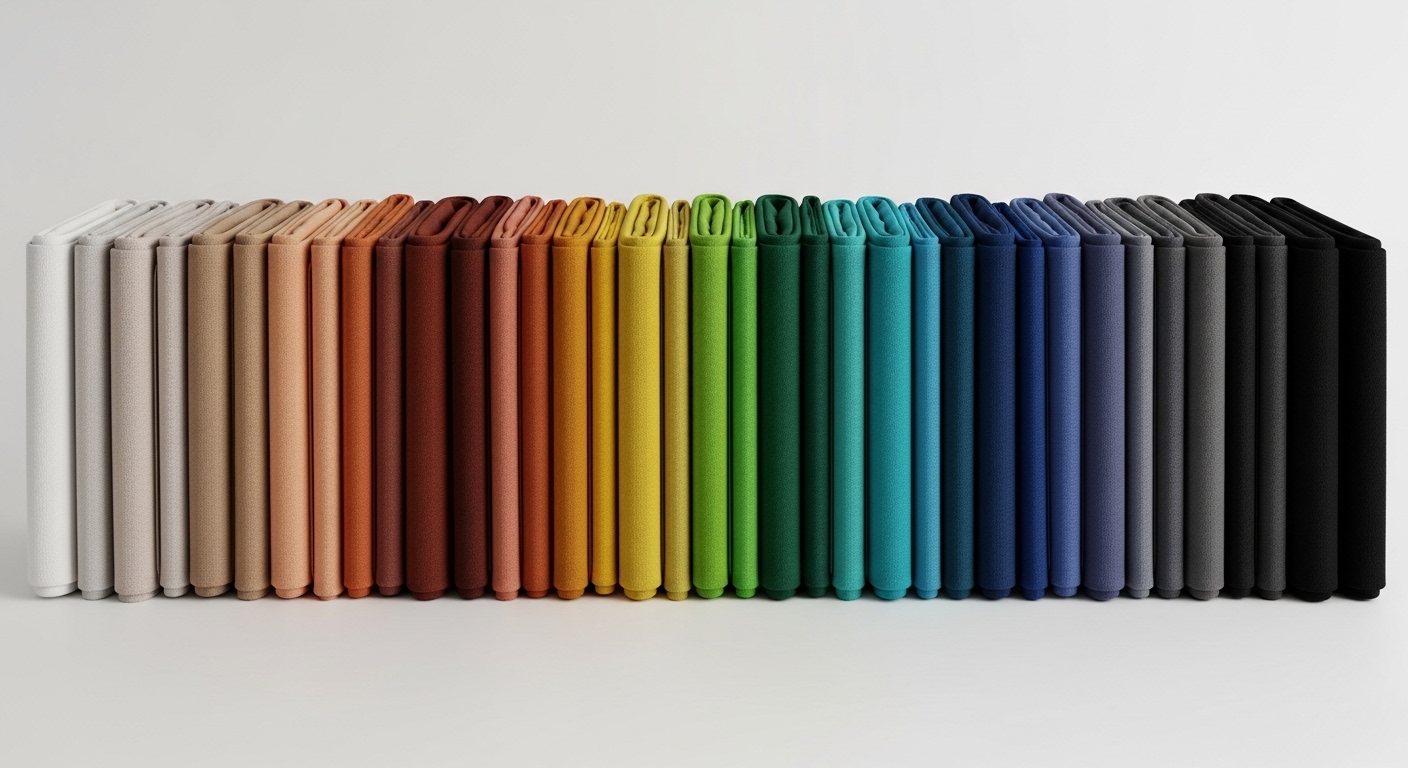
Fabric choice has a major impact on how a garment feels, fits, lasts, and sells. This is one of the most important steps in private label apparel production.
A reliable manufacturing partner helps brands source fabrics based on:
- Weight
- Texture
- Stretch
- Durability
- Color availability
- Print compatibility
- Embroidery suitability
- Shrinkage behavior
- Sustainability requirements
- Budget
- Minimum order quantities
For streetwear, fabric GSM is often a key topic. A heavyweight hoodie may need a different fabric structure than a lightweight summer sweatshirt. A premium T-shirt may require compact cotton, organic cotton, or a carefully selected cotton blend. For active or casualwear, stretch and recovery may matter more.
Working with a clothing manufacturer Turkey can be especially useful at this stage because Turkey has a strong textile supply network, including cotton fabrics, knitted fabrics, woven materials, trims, labels, and finishing suppliers.
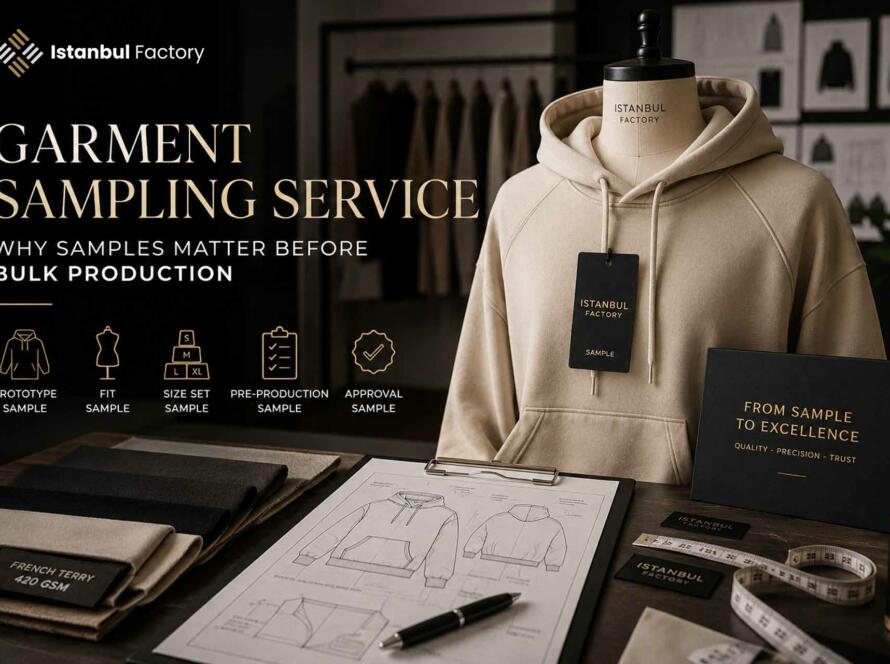
4. Garment Sampling
Sampling is where the idea becomes real. It allows the brand and manufacturer to test the fit, fabric, construction, and overall product feeling before bulk production begins.
A garment sample helps check:
- Fit and measurements
- Fabric behavior
- Stitching quality
- Print or embroidery result
- Label placement
- Color accuracy
- Product comfort
- Production feasibility
Sampling may require more than one round. This is normal. The first sample often reveals improvements. The second sample usually gets closer to the final product. For premium brands, small adjustments in sleeve length, shoulder drop, hood shape, rib quality, or print placement can make a major difference.
Practical insight:
Do not approve bulk production based only on photos. Whenever possible, review the physical sample. Touch the fabric, test the fit, check the finishing, and compare it with your brand expectations.
5. Labeling and Branding
Private label manufacturing is about creating a product that belongs to your brand. Labels and branding details help make that identity visible.
Common branding elements include:
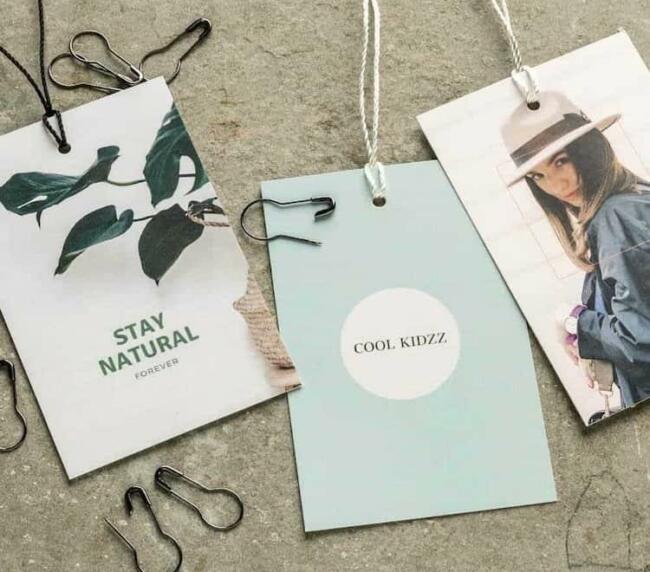
- Neck labels
- Size labels
- Care labels
- Woven labels
- Printed labels
- Hang tags
- Branded packaging
- Poly bags
- Barcode stickers
- Custom trims
- Embroidery patches
- Rubber patches
- Printed brand details
These details should match the brand’s positioning. A premium fashion label may prefer minimal woven labels, elegant hang tags, and high-quality packaging. A streetwear brand may choose bold graphics, sleeve embroidery, branded patches, or oversized label concepts.
Small branding details often influence how customers perceive value.
6. Print and Embroidery
Print and embroidery are central to many fashion collections, especially streetwear and branded apparel.
A private label manufacturer may support:
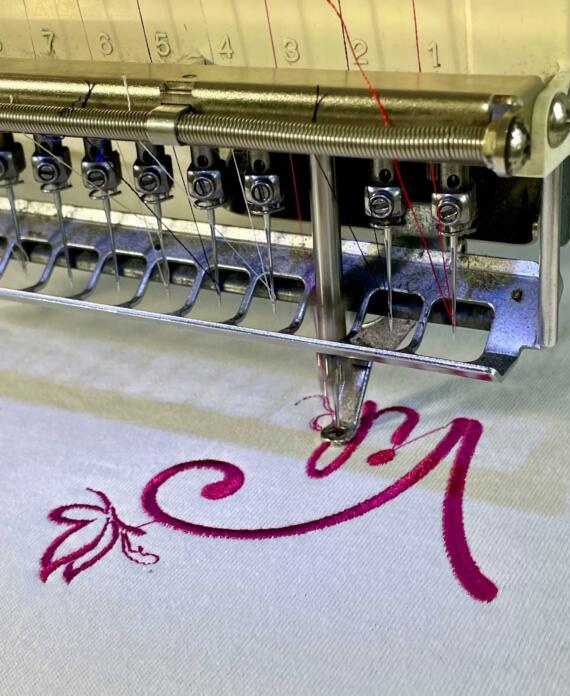
- Screen printing
- Digital printing
- Puff print
- Heat transfer
- Embroidery
- Appliqué
- Patch application
- Logo placement
- Artwork testing
Each technique has a different look, feel, cost, and durability. For example, embroidery can give a premium and long-lasting finish, while screen printing is often suitable for bold graphics and larger production quantities. Puff print can add texture and visual depth, especially on hoodies and sweatshirts.
The right method depends on the garment, fabric, artwork, and brand style.
Practical insight:
A design that looks strong on a digital mockup may need adjustment for real fabric. Line thickness, color contrast, stitching density, and placement should be tested during sampling.
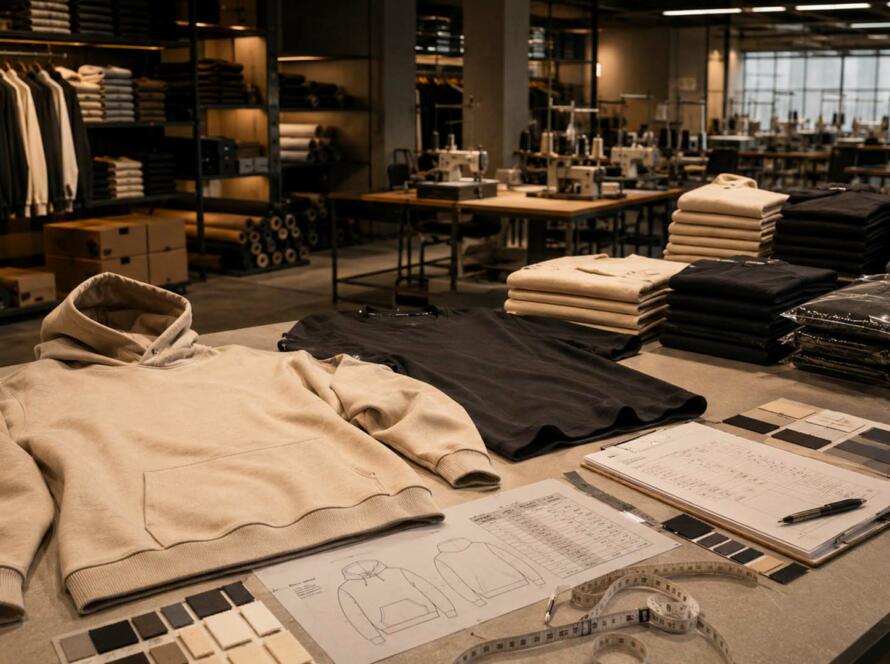
7. Bulk Clothing Production
Once the final sample is approved, the project moves into bulk clothing production. This is where planning, communication, and quality management become critical.
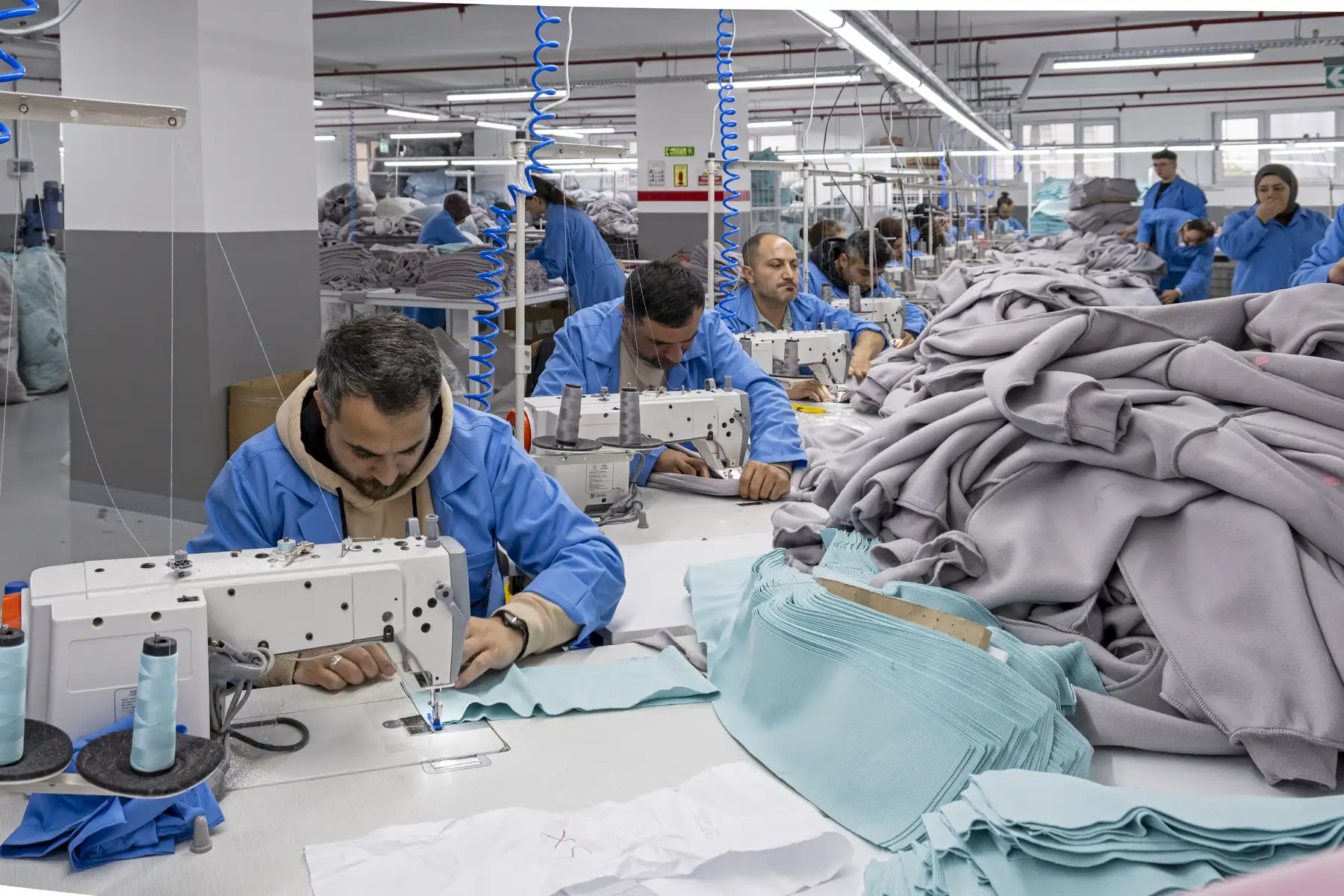
Bulk production usually includes:
- Fabric ordering
- Cutting
- Printing or embroidery
- Sewing
- Washing or finishing, if required
- Trimming
- Ironing
- Labeling
- Final quality control
- Packing
A professional manufacturer follows a structured production workflow to keep the order consistent. This is especially important when producing hundreds or thousands of pieces across different sizes and colors.
For growing brands, bulk production is the stage where supplier reliability matters most. Delays, fabric inconsistencies, poor stitching, or weak quality control can affect sales, customer satisfaction, and brand reputation.
8. Quality Control
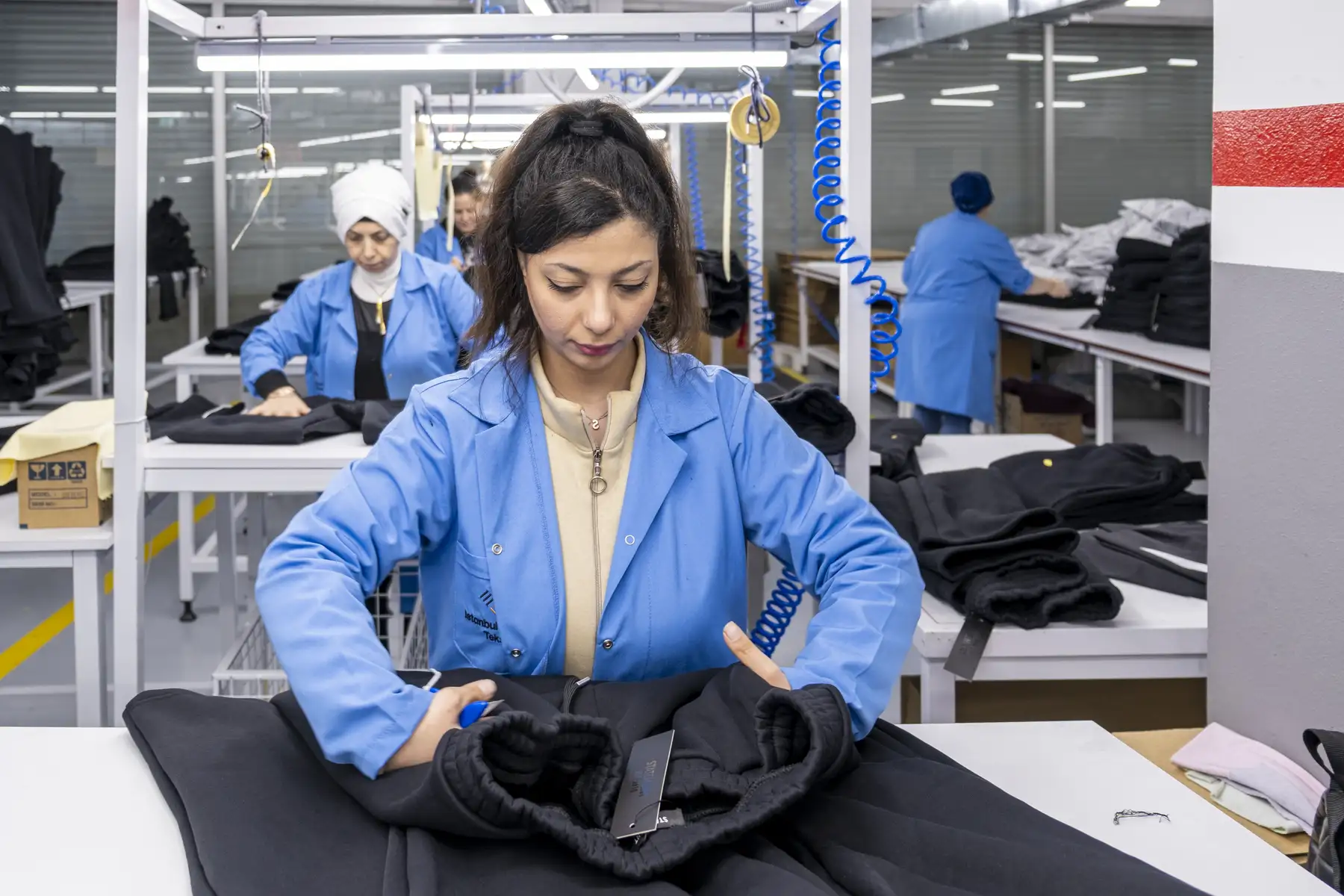
Quality control is one of the strongest signs of a serious manufacturing partner. A garment should not only look good in a sample; it should remain consistent across production.
Quality control may include checking:
- Measurements
- Stitching
- Fabric defects
- Color consistency
- Print or embroidery quality
- Label accuracy
- Size distribution
- Packaging
- Loose threads
- Final finishing
- Order quantity
For European and US fashion brands, quality expectations are usually high. Customers expect accurate sizing, clean finishing, durable construction, and a professional unboxing experience.
At Istanbul Factory, quality control is treated as a core part of the production process, especially for brands that want European quality standards while producing in Istanbul.
9. Packaging and Final Presentation
Packaging is often the last step before shipping, but it should be planned early. It affects customer experience, logistics, storage, and brand image.
Packaging options may include:
- Individual poly bags
- Recycled packaging
- Branded boxes
- Hang tags
- Stickers
- Barcode labels
- Size stickers
- Folded presentation
- Retail-ready packing
For direct-to-consumer brands, packaging can support the customer experience. For wholesale or retail brands, correct labeling and packing can make logistics easier.
Sustainable packaging is also becoming more important for European and US markets. Many brands now prefer recyclable, reduced-plastic, or eco-friendly packaging solutions.
Why Work With a Clothing Manufacturer in Turkey?
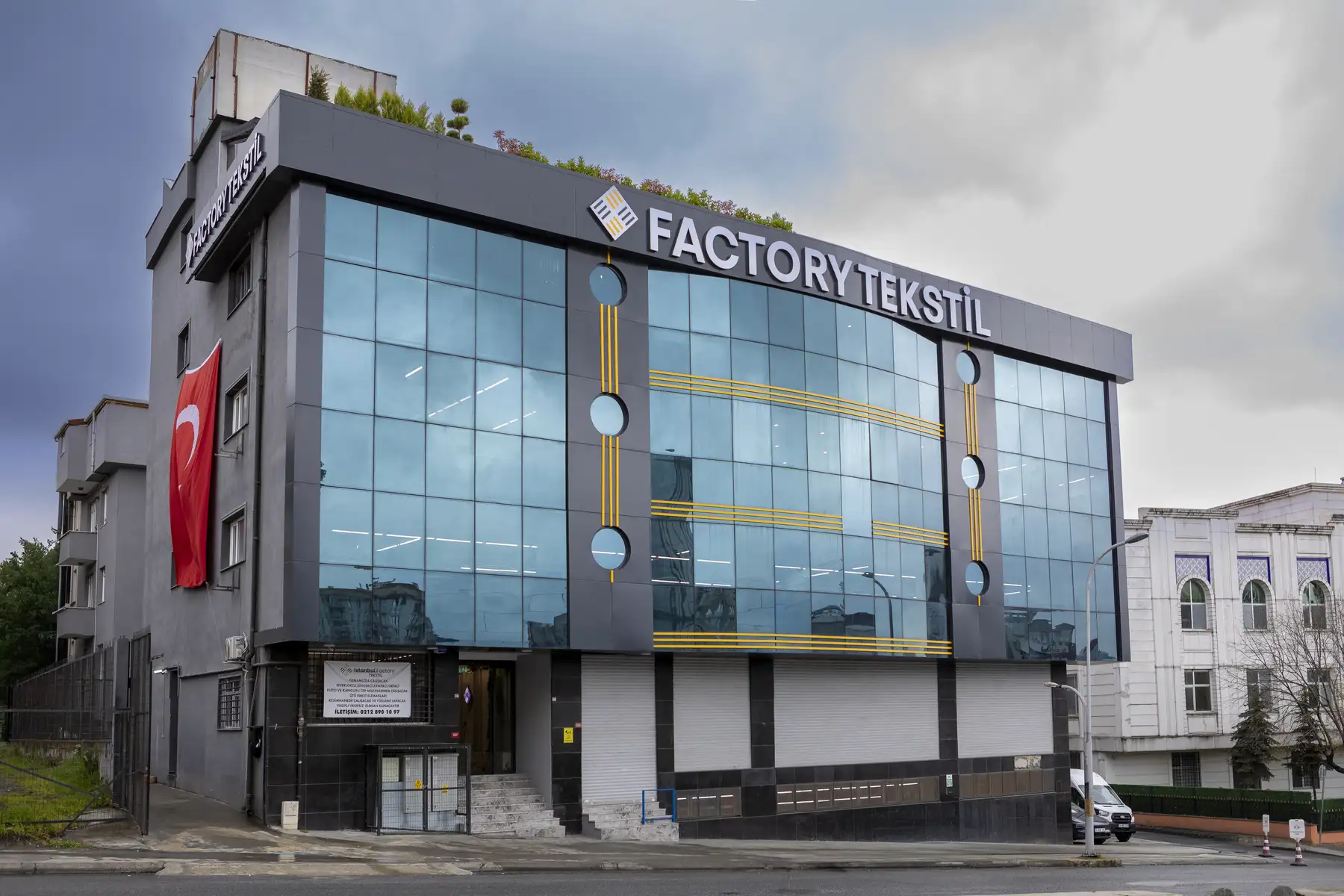
Turkey has become a strong manufacturing location for fashion brands because it combines textile expertise, supplier access, skilled production, and geographic advantage.
For brands in Europe, Istanbul is especially attractive because of its location, shorter shipping routes compared to many Asian production hubs, and strong connection to the European fashion market.
For US brands, Turkey can offer a balance between quality, flexibility, and production capability, especially for premium casualwear and streetwear.
Key advantages include:
- Strong textile and garment manufacturing tradition
- Access to high-quality fabrics
- Experienced production teams
- Competitive production capabilities
- Shorter lead times for European brands
- Strong supplier network in Istanbul
- Experience with international fashion standards
- Suitable environment for private label and OEM production
A clothing manufacturer Turkey can be a strong partner for brands that want quality, flexibility, and practical production support.
What Fashion Brands Should Prepare Before Contacting a Manufacturer
Before speaking with a private label clothing manufacturer, brands should prepare as much information as possible. This helps the manufacturer understand the project and respond more accurately.
Useful materials include:
- Brand name and website, if available
- Product category
- Reference images
- Sketches or mockups
- Tech packs, if available
- Fabric preferences
- Target price range
- Quantity estimate
- Size range
- Branding requirements
- Print or embroidery files
- Packaging expectations
- Desired delivery timeline
A new brand does not need to have everything perfect from day one. However, clear direction saves time and helps the manufacturer guide the project properly.
Common Mistakes to Avoid in Private Label Clothing Production
Private label production can be smooth when expectations are realistic and details are clear. Many problems happen when brands rush the early stages.
Choosing Only Based on Price
Low production cost may look attractive, but poor quality can damage your brand. Fabric quality, stitching, communication, sampling, and QC all matter.
Skipping the Sampling Stage
Sampling protects your investment. It allows you to test the product before committing to bulk production.
Using Unclear Design Instructions
A manufacturer cannot guess every detail. Measurements, colors, labels, artwork placement, and finishing should be communicated clearly.
Ordering Too Many Styles Too Early
For a first collection, focus is often better. A smaller collection with strong products gives you more control.
Ignoring Packaging and Labels
Labels, hang tags, care instructions, and packaging should be part of the production plan, not a last-minute decision.
How to Choose the Right Private Label Clothing Manufacturer
Choosing the right partner is one of the most important decisions for a fashion brand.
Look for a manufacturer that offers:
- Clear communication
- Experience with your product category
- Fabric sourcing support in Istanbul
- Sampling services
- Private label and custom production options
- Print and embroidery capabilities
- Quality control
- Transparent timelines
- Understanding of European and US market expectations
- Ability to support growth from small runs to larger production
A good manufacturer should ask questions. They should want to understand your brand, product goals, quality expectations, and target customer. Production is not just about making garments; it is about protecting the brand behind those garments.
Istanbul Factory: Private Label Clothing Manufacturing in Istanbul
Istanbul Factory supports fashion brands with end-to-end manufacturing services in Istanbul, Turkey. The company works with startup clothing brands, streetwear labels, premium fashion brands, and established companies looking for a reliable production partner.
As a fashion manufacturing partner, Istanbul Factory can support brands with:
- Private label clothing production
- Custom clothing manufacturing
- OEM clothing manufacturing
- Fabric sourcing
- Garment sampling
- Print and embroidery
- Branding and labeling
- Quality control
- Sustainable textile production
- Bulk clothing production
The goal is to help brands move from concept to finished product with a clear process, professional communication, and a strong focus on quality.
For European and US fashion brands, Istanbul Factory offers the advantage of Istanbul’s textile ecosystem combined with a production approach built around reliability, flexibility, and premium standards.
Ready to Build Your Private Label Collection?
If you are planning to launch a clothing brand, expand your streetwear line, or move from small production to bulk manufacturing, working with the right partner can make the process clearer and more reliable.
Istanbul Factory helps fashion brands turn ideas into finished garments through design support, fabric sourcing, sampling, production, labeling, packaging, and quality control.
Start your private label clothing project with Istanbul Factory and build your next collection with a manufacturing partner in Istanbul.
FAQ
What is a private label clothing manufacturer?
A private label clothing manufacturer produces garments that fashion brands sell under their own brand name. The manufacturer handles production services such as fabric sourcing, sampling, labeling, packaging, and quality control.
Is private label clothing good for startup brands?
Yes. Private label clothing can be a practical option for startup brands because it allows them to launch branded products without owning a factory. It also helps new brands test product ideas before scaling into larger production.
What is the difference between private label and OEM clothing manufacturing?
Private label manufacturing focuses on producing garments under a brand’s own label, often with branding and customization options. OEM clothing manufacturing usually means the manufacturer produces garments based on the brand’s exact specifications, tech packs, or samples.
Can I customize fabrics, labels, and packaging?
Yes. Most private label projects can include fabric selection, custom labels, hang tags, packaging, print, embroidery, and other branding details depending on the manufacturer and order requirements.
Why choose a clothing manufacturer in Turkey?
Turkey offers strong textile expertise, fabric sourcing options, skilled garment production, and a strategic location between Europe and global markets. Istanbul is especially valuable for fashion brands looking for quality, flexibility, and efficient production communication.
Does Istanbul Factory work with streetwear brands?
Yes. Istanbul Factory works with streetwear brands, fashion startups, premium labels, and established apparel companies. Services include custom clothing manufacturing, private label production, print and embroidery, sampling, and bulk production.
What should I prepare before starting private label production?
You should prepare your product idea, reference images, fabric preferences, branding details, size range, estimated quantities, artwork files, packaging expectations, and timeline. A tech pack is helpful, but Istanbul Factory can also support brands that are still developing their product details.

3 Comments