


For many fashion brands, the first sample is exciting. It turns an idea into something real. You can touch the fabric, check the fit, review the stitching, and finally see the product outside of a design file.
But moving from one approved sample to hundreds or thousands of finished garments is a very different stage.
Bulk clothing production is where creativity meets structure. A design that looks strong as a single sample must now be reproduced consistently across sizes, colors, fabrics, trims, labels, packaging, and delivery requirements. This is the moment where organization matters as much as design.
For fashion brands in Europe and the United States, working with an experienced manufacturer can make the difference between a smooth launch and a stressful production run. A professional clothing manufacturer in Turkey, such as Istanbul Factory, helps brands move from sample approval to mass manufacturing with clear planning, quality checkpoints, and production control at every stage.
This guide explains how bulk clothing production works, what brands should prepare before scaling, and how an organized production partner reduces mistakes during larger orders.
What Is Bulk Clothing Production?
Bulk clothing production is the manufacturing stage where approved garment samples are produced in larger quantities for commercial sale.
This may include:
- T-shirts
- Hoodies
- Sweatshirts
- Sweatpants
- Shorts
- Shirts
- Jackets
- Private label garments
- Custom clothing collections
The key difference between sampling and bulk production is consistency. During sampling, the focus is on developing and approving the product. During bulk production, the focus shifts to repeating that approved product accurately across the full order.
A good bulk production process protects the original design while making sure every garment follows the same approved standards.
For brands, this stage affects product quality, launch timing, customer satisfaction, and overall brand reputation.
Why Scaling From Samples Requires a Different Process
A sample is usually made in a small, controlled environment. The production team may adjust details by hand, review one garment closely, and make improvements quickly.
Bulk clothing production is different because small mistakes can multiply.
For example:
- A slightly incorrect measurement can affect every size.
- A fabric delay can push back the entire production schedule.
- A wrong label placement can impact hundreds of garments.
- Poor color matching can create inconsistency across a collection.
- Missing quality checks can lead to returns or customer complaints.
This is why brands should never treat bulk production as simply “making more of the sample.” It needs planning, documentation, production management, and quality control.
The best results come when the brand and manufacturer agree on every important detail before cutting fabric for the full order.
Step 1: Final Sample Approval
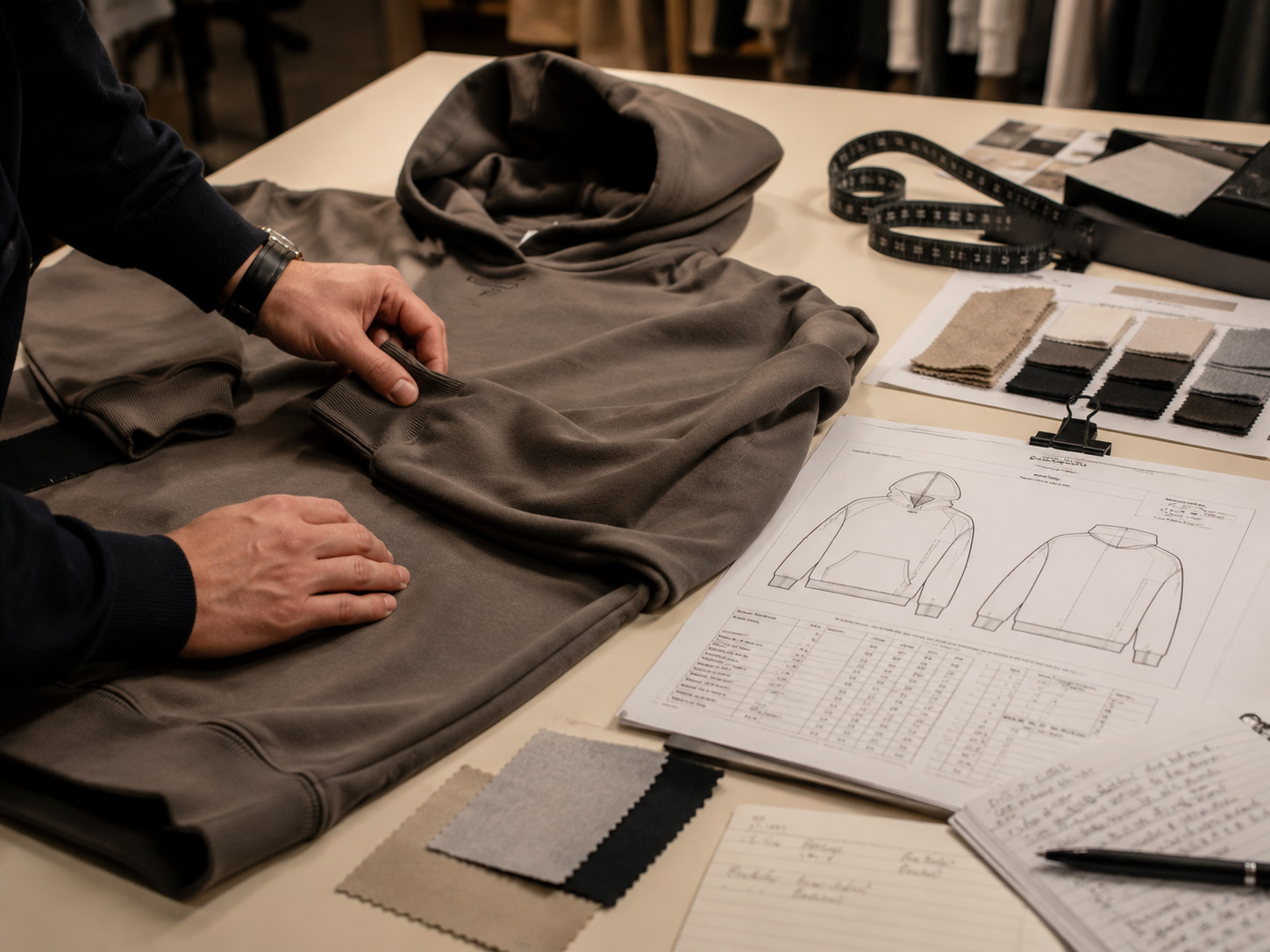
Bulk production should begin only after the final sample has been approved.
This approved sample becomes the production reference. It shows the manufacturer exactly what the final garment should look and feel like.
Before approval, brands should review:
- Fit and measurements
- Fabric quality
- GSM and fabric weight
- Stitching and construction
- Print or embroidery placement
- Label position
- Trim details
- Color accuracy
- Washing or shrinkage behavior
- Overall finishing
A common mistake is approving a sample too quickly because the brand is eager to launch. This can create expensive problems later.
If the hoodie sleeve is slightly too long, the neckline is too wide, or the fabric feels lighter than expected, those details should be corrected before bulk production begins.
At Istanbul Factory, sample approval is treated as a serious production milestone. Once a brand approves the sample, the technical details are used to guide the next stages of manufacturing.
Step 2: Size Grading and Measurement Control
After the sample is approved, the next step is size grading.
Size grading means adjusting the base sample measurements across different sizes, such as XS, S, M, L, XL, and XXL. The goal is to keep the fit consistent while adapting the garment to different body sizes.
For example, a sweatshirt approved in size M must be correctly graded for smaller and larger sizes. The shoulder width, chest, sleeve length, body length, and hem must all increase or decrease in a controlled way.
Poor grading can create serious fit problems:
- Size S may feel too tight.
- Size L may become too long.
- Sleeves may not scale correctly.
- The garment may lose its intended silhouette.
- Customers may complain about inconsistent sizing.
For fashion brands, sizing is one of the biggest trust factors. If customers cannot rely on your size chart, they are less likely to order again.
This is especially important for European and US brands selling online, where customers cannot try products before purchasing. Accurate size grading helps reduce returns and protects the customer experience.
Step 3: Production Planning Before Cutting Fabric
Strong production planning is one of the most important parts of bulk clothing production.
Before manufacturing begins, the factory should understand:
- Total order quantity
- Number of styles
- Color breakdown
- Size breakdown
- Fabric requirements
- Print or embroidery details
- Labeling needs
- Packaging instructions
- Delivery expectations
- Quality standards
Production planning helps the manufacturer organize materials, machines, workers, timelines, and quality checkpoints.
For example, a streetwear brand may order 500 black hoodies, 300 grey sweatshirts, and 200 cream T-shirts. Each garment may need different fabrics, trims, labels, packaging, and decoration methods. Without proper planning, production can become disorganized quickly.
A reliable custom clothing manufacturer will review the full order before production starts and identify possible risks early.
This may include checking whether the selected fabric is available, whether the print technique suits the fabric, or whether the requested deadline is realistic.
Good planning prevents many problems before they happen.
Step 4: Fabric Availability and Material Sourcing
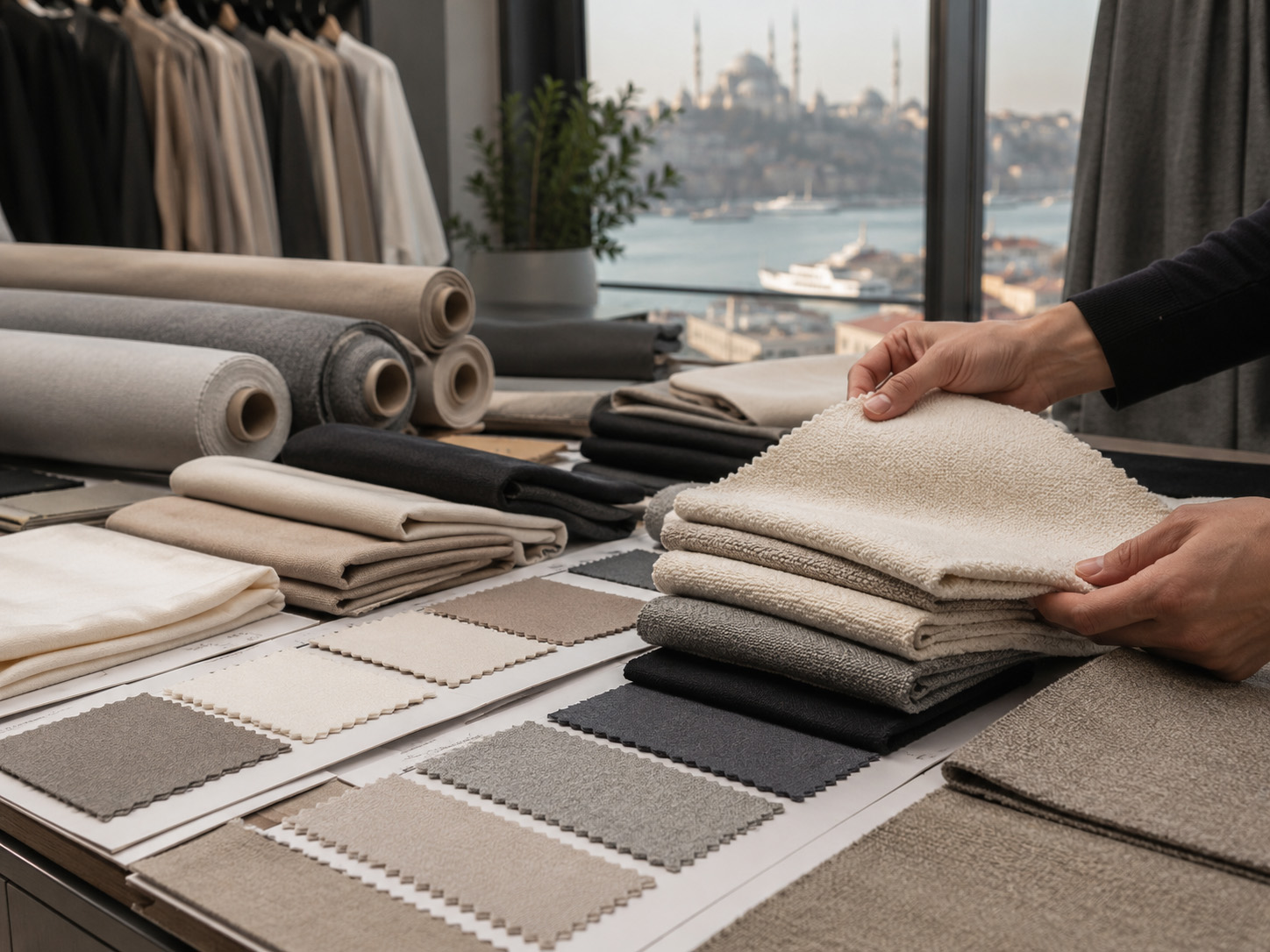
Fabric is one of the biggest factors in successful bulk production.
A sample may be made using a fabric that feels perfect, but the same fabric must also be available in the quantity needed for the full order. If the fabric is unavailable or inconsistent, the final garments may not match the approved sample.
Before bulk production, brands should confirm:
- Fabric composition
- GSM
- Color availability
- Shrinkage behavior
- Dye consistency
- Minimum fabric quantities
- Lead time for fabric supply
- Suitability for printing or embroidery
This is where clothing production in Turkey can offer a strong advantage. Istanbul has a well-developed textile ecosystem with access to fabric suppliers, dye houses, trim suppliers, printing facilities, embroidery services, and garment production teams.
For brands working with Istanbul Factory, fabric sourcing is part of the broader production process. The team can help evaluate fabric options for comfort, durability, price, availability, and brand positioning.
For example, a premium streetwear brand may need heavyweight French terry for hoodies. A summer collection may require lighter cotton jersey for T-shirts. A private label clothing production project may need a balance between quality, price, and repeat availability.
Choosing the right fabric early makes scaling much easier.
Step 5: Preparing the Production File
A production file is the technical foundation of the order.
It gives the factory a clear reference for how the garment should be produced. This may include the tech pack, measurement chart, approved sample notes, artwork files, label details, packaging instructions, and production comments.
A complete production file may include:
- Garment sketch or reference image
- Fabric details
- Measurement chart
- Size grading
- Stitching instructions
- Print or embroidery files
- Pantone or color references
- Label and hang tag details
- Packaging requirements
- Approved sample photos
- Quality control notes
The more organized the production file is, the easier it is for the factory to produce accurately.
For startup brands, a full tech pack may not always be ready at the beginning. In that case, an experienced manufacturer can help organize the details and guide the brand through the missing information.
This is one of the benefits of working with a manufacturer that understands both custom clothing manufacturing and private label clothing production.
Step 6: Cutting, Sewing, and Production Management
Once materials are approved and production details are confirmed, the order moves into manufacturing.
The main stages usually include:
- Fabric inspection
- Pattern preparation
- Fabric spreading
- Cutting
- Sewing
- Print or embroidery
- Finishing
- Quality control
- Labeling
- Packaging
Each stage must follow the approved sample and production file.
For example, during cutting, the fabric must be handled carefully to avoid measurement issues. During sewing, the construction must match the required stitch type and finishing standard. During printing or embroidery, placement and color must remain consistent across the order.
Production management is especially important when a collection includes several styles. A brand may be producing hoodies, T-shirts, sweatpants, and jackets at the same time. Each item has its own production flow, but all pieces must come together as one finished collection.
A professional clothing manufacturer in Turkey will manage this workflow carefully so the brand does not have to coordinate every supplier separately.
Step 7: Quality Checkpoints During Bulk Production
Quality control should not happen only at the end.
If a factory waits until the full order is finished before checking quality, it may be too late to correct certain mistakes. Strong manufacturers use quality checkpoints during the production process.
Important quality checkpoints may include:
- Fabric inspection before cutting
- Measurement checks after sewing
- Stitching and seam inspection
- Print and embroidery control
- Color consistency review
- Label placement check
- Shrinkage or washing checks when needed
- Final garment inspection
- Packaging review
These checkpoints help catch issues early.
For example, if a measurement problem is found after the first production pieces are sewn, the team can correct the issue before the full order is completed. If print placement is slightly wrong, it can be adjusted before more garments are printed.
This is how organized bulk clothing production reduces waste, delays, and costly mistakes.
For fashion brands, quality control is more than a technical step. It protects the brand’s reputation. Customers may never see the factory, but they will feel the quality in the garment.
Step 8: Packaging and Private Label Finishing
Packaging is part of the product experience.
For private label clothing production, the garment should arrive brand-ready. This means the customer sees your brand identity, not the factory behind it.
Private label finishing may include:
- Custom neck labels
- Woven labels
- Care labels
- Size labels
- Hang tags
- Branded packaging
- Poly bags
- Folding instructions
- Barcode stickers
- Carton labeling
For premium fashion labels and streetwear brands, these details matter. A clean label, well-placed hang tag, and carefully folded garment create a stronger customer impression.
Packaging also helps with logistics. Correct carton labeling and size breakdowns make it easier for brands, warehouses, and fulfillment partners to manage stock after delivery.
At Istanbul Factory, packaging and finishing are treated as part of the full production service. This helps brands receive garments that are ready for sale, retail, e-commerce, or wholesale distribution.
Step 9: Production Timelines and Realistic Lead Times
Many brands want fast production, especially before a launch, campaign, or seasonal drop. Speed matters, but realistic timelines are just as important.
Bulk clothing production timelines depend on:
- Garment type
- Order quantity
- Fabric availability
- Number of colors
- Print or embroidery complexity
- Label and packaging requirements
- Sampling revisions
- Quality control needs
- Shipping method
A simple T-shirt order may move faster than a custom jacket with special fabric, embroidery, lining, and branded packaging.
Brands should also remember that production does not begin only when sewing starts. Fabric sourcing, sample approval, size grading, material preparation, cutting, and quality checks are all part of the full timeline.
A trustworthy manufacturer will give a realistic schedule rather than promising an unrealistic delivery date.
Clear timelines help brands plan product launches, photoshoots, e-commerce uploads, marketing campaigns, and inventory management.
Why Istanbul and Turkey Are Important for Bulk Clothing Production
Turkey has become a strong production destination for fashion brands that want quality, flexibility, and easier communication with European markets.
For US and European brands, clothing production in Turkey offers several practical advantages:
- Strong textile and garment manufacturing experience
- Access to a wide range of fabrics and trims
- Skilled sewing, printing, and embroidery teams
- Shorter shipping routes to Europe compared with many distant production regions
- Flexible production options for growing brands
- Strong understanding of European quality expectations
Istanbul is especially important because it connects design, sourcing, production, finishing, and export services in one manufacturing environment.
For brands that want to scale from samples to bulk production, this ecosystem can reduce friction. Instead of managing separate suppliers for fabric, cutting, sewing, printing, labels, packaging, and inspection, brands can work with one organized production partner.
This is one reason many fashion brands search for a clothing manufacturer in Turkey when they are ready to scale.
Practical Example: Scaling a Hoodie Collection
Imagine a streetwear brand has approved one hoodie sample in size M.
The hoodie uses heavyweight cotton fleece, a custom fit, embroidery on the chest, a woven neck label, branded hang tag, and premium packaging.
To scale this into bulk production, the manufacturer must confirm:
- The approved hoodie measurements
- Size grading from XS to XXL
- Fabric availability in the required color
- Embroidery file and placement
- Thread color
- Rib fabric quality
- Label dimensions and placement
- Packaging method
- Quantity per size and color
- Final quality standards
If these details are managed carefully, the final order can match the approved sample across all sizes.
If they are not managed properly, the brand may receive hoodies with inconsistent fit, wrong embroidery placement, fabric variation, or packaging mistakes.
This is why scaling is a technical process, not just a larger order.
How an Organized Manufacturer Reduces Mistakes During Scaling
A strong manufacturer brings structure to the production process.
This structure usually includes:
- Clear sample approval
- Complete production documentation
- Fabric and trim confirmation
- Size grading control
- Production planning
- Stage-by-stage quality checks
- Clear communication with the brand
- Final inspection before delivery
For brands, this means fewer surprises.
Instead of discovering issues after delivery, the manufacturer checks critical details during production. Instead of guessing how a garment should be made, the team follows approved references. Instead of treating each stage separately, the process is managed as one connected workflow.
This is especially valuable for brands scaling from small batches to larger orders for the first time.
Working With Istanbul Factory for Bulk Clothing Production
Istanbul Factory helps fashion brands scale from sample development to organized bulk clothing production in Istanbul, Turkey.
The company works with startups, streetwear brands, private label brands, premium labels, and established fashion businesses across Europe and the United States.
Services include:
- Clothing manufacturing
- Custom clothing manufacturing
- Private label clothing production
- Fabric sourcing
- Garment sampling
- Print and embroidery
- Quality control
- Labeling and packaging
- End-to-end production support
The goal is to help brands produce garments that match their approved samples, meet quality expectations, and arrive ready for the market.
Whether you are preparing your first bulk order or scaling an existing collection, Istanbul Factory can support the process from planning to final delivery.
Ready to Scale Your Clothing Production?
If your brand has approved samples and is ready to move into bulk clothing production, Istanbul Factory can help you plan the next step.
From fabric sourcing and size grading to production management, quality control, packaging, and delivery, our team supports fashion brands with a structured manufacturing process in Istanbul.
Contact Istanbul Factory to discuss your collection, order requirements, and production goals.
FAQ
What is bulk clothing production?
Bulk clothing production is the process of manufacturing approved garment designs in larger quantities for commercial sale. It usually begins after sample approval and includes fabric sourcing, size grading, cutting, sewing, quality control, packaging, and delivery.
When should a brand move from sampling to bulk production?
A brand should move to bulk production after the final sample, fabric, fit, measurements, trims, labels, and packaging details are approved. Starting too early can lead to mistakes across the full order.
Why is sample approval important before mass manufacturing?
Sample approval gives the manufacturer a clear reference for bulk production. It helps control fit, fabric quality, stitching, print placement, labeling, and finishing before the order is produced at scale.
What can go wrong during bulk clothing production?
Common issues include inconsistent sizing, fabric delays, wrong label placement, color variation, poor stitching, print errors, packaging mistakes, and missed deadlines. These risks can be reduced with clear planning and quality checkpoints.
Why do fashion brands choose clothing production in Turkey?
Fashion brands often choose clothing production in Turkey because of its textile experience, fabric access, skilled production teams, flexible manufacturing options, and strong connection to European markets.
Does Istanbul Factory support private label bulk production?
Yes. Istanbul Factory supports private label clothing production, including custom labels, hang tags, packaging, fabric sourcing, sampling, bulk production, quality control, and brand-ready finishing.


