


For fashion brands, fabric choice is one of the most important decisions in product development. A hoodie can look premium in a design sketch, but if the fabric weight is wrong, the final garment may feel too light, too stiff, too warm, or too expensive for the target market.
This is where Fabric GSM becomes essential.
GSM stands for grams per square meter. It measures the weight of a fabric based on one square meter of material. In clothing manufacturing, GSM helps brands understand how heavy, thick, structured, or lightweight a fabric may feel before production begins.
For streetwear brands, premium basics, hoodie collections, oversized T-shirts, sweatshirts, joggers, and private label apparel, GSM is more than a technical number. It directly affects the garment’s comfort, durability, drape, warmth, production cost, and perceived quality.
At Istanbul Factory, fabric selection is part of the product development process. Brands often come with a visual idea, but the right GSM helps turn that idea into a wearable, commercial, and production-ready garment.
What Does Fabric GSM Mean?
Fabric GSM means grams per square meter. It shows how much one square meter of fabric weighs. A higher GSM usually means a heavier, thicker, warmer, and more structured fabric, while a lower GSM usually means a lighter, softer, and more breathable fabric.
For example, a lightweight summer T-shirt may use fabric around 140–160 GSM, while a heavyweight streetwear hoodie may use fleece or French terry around 400–500 GSM.
GSM does not explain everything about fabric quality on its own. Two fabrics can have the same GSM but feel different because of:
- Yarn quality
- Cotton type
- Knit structure
- Fabric composition
- Finishing process
- Washing treatment
- Brushing or compacting
- Dyeing method
Still, GSM gives fashion brands an important starting point when comparing fabric options and planning production.
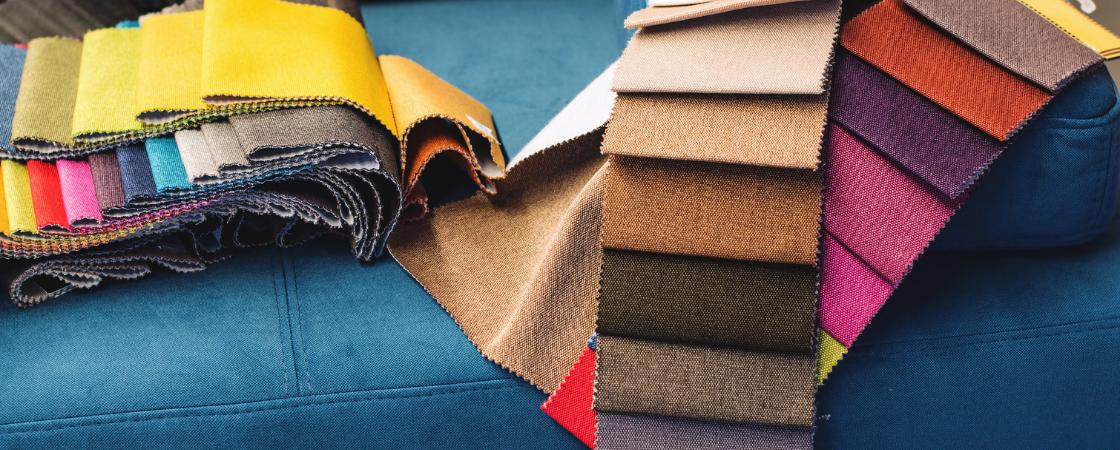
Why Fabric GSM Matters for Clothing Brands
Fabric weight affects how a garment feels, performs, photographs, and sells. For B2B fashion brands, especially in Europe and the United States, GSM helps connect design expectations with production reality.
A premium hoodie should not feel thin. A luxury oversized T-shirt should not collapse on the body. A summer T-shirt should not feel heavy and uncomfortable. A sweatshirt should have enough body to hold its shape after repeated wear.
GSM helps brands make better decisions before sampling and bulk production.
It affects:
- Thickness
- Drape
- Warmth
- Durability
- Cost
- Fit and structure
- Shipping weight
- Product category
- Customer perception
Choosing the right GSM early can reduce sampling mistakes and make communication with the manufacturer much clearer.
Fabric GSM and Thickness: Are They the Same?

GSM and thickness are connected, but they are not exactly the same.
A higher GSM fabric is often thicker, but thickness also depends on how the fabric is constructed. For example, brushed fleece may feel thicker and softer than a compact French terry fabric with a similar GSM. A tightly knitted fabric can feel dense, while a looser knit may feel bulkier but less stable.
For fashion brands, this distinction matters because customers judge garments by hand feel as much as by weight.
A 300 GSM sweatshirt fabric may feel compact and clean if it has a tight knit. Another 300 GSM fabric may feel softer and bulkier if it has a brushed inner surface. Both can be useful, but they create different product experiences.
This is why GSM should always be reviewed together with fabric handle, stretch, structure, and finishing.
How Fabric GSM Affects Drape
Drape refers to how the fabric falls on the body.
Lightweight fabrics usually have a softer, more fluid drape. They move easily and are often used for summer T-shirts, relaxed tops, lightweight jerseys, and breathable basics.
Heavier fabrics usually create a more structured drape. They hold their shape better and are often preferred for premium streetwear, oversized T-shirts, boxy fits, sweatshirts, joggers, and hoodies.
For example, an oversized T-shirt made from 150 GSM jersey may feel too light and may not hold a strong silhouette. The same fit made from 220–260 GSM cotton jersey can look more premium, structured, and streetwear-focused.
For hoodies, GSM affects how the garment sits on the shoulders, how the hood stands, and how the cuffs and hem feel. A heavier fabric can give the hoodie a stronger shape, while a lighter fabric may feel more casual and flexible.
Common Fabric GSM Ranges by Product Category
There is no single perfect GSM for every garment. The right fabric weight depends on product category, brand positioning, target season, fit, price point, and customer expectations.

Below are general GSM ranges used in apparel development.
T-Shirts
T-shirts can vary widely depending on whether the brand wants a lightweight basic or a premium heavyweight piece.
Common T-shirt GSM ranges:
- 120–150 GSM: Lightweight summer T-shirts
- 160–180 GSM: Standard everyday T-shirts
- 180–220 GSM: Premium T-shirts with better structure
- 220–260+ GSM: Heavyweight streetwear T-shirts
For premium streetwear brands, 200–260 GSM cotton jersey is often preferred because it gives the garment more body and a more substantial hand feel.
For fashion brands focused on summer collections or lower retail price points, lighter GSM options may be more suitable.
Hoodies
Hoodies usually require a heavier fabric because customers expect warmth, comfort, and durability.
Common hoodie GSM ranges:
- 280–320 GSM: Lightweight to midweight hoodies
- 330–380 GSM: Standard premium hoodies
- 400–500 GSM: Heavyweight streetwear hoodies
- 500+ GSM: Very heavy premium or winter-focused hoodies
A 300 GSM hoodie can be suitable for transitional seasons, while a 450 GSM hoodie creates a much heavier and more premium streetwear feel.
However, heavier does not always mean better. If the fabric is too heavy for the design, it can affect comfort, sewing performance, cost, and fit.
Sweatshirts
Sweatshirts sit between T-shirts and hoodies in terms of fabric needs. They should feel comfortable but still maintain shape.
Common sweatshirt GSM ranges:
- 260–300 GSM: Lightweight sweatshirts
- 300–360 GSM: Standard midweight sweatshirts
- 360–450 GSM: Premium heavyweight sweatshirts
For crewneck sweatshirts, GSM affects the shoulder line, sleeve structure, collar stability, and overall premium feel.
Joggers and Sweatpants
Joggers and sweatpants need enough GSM to feel durable without becoming too stiff or heavy.
Common jogger GSM ranges:
- 280–320 GSM: Lightweight sweatpants
- 320–380 GSM: Standard premium joggers
- 380–450 GSM: Heavyweight streetwear sweatpants
For joggers, GSM should be balanced with stretch recovery, waistband construction, pocket structure, and finishing. A fabric that is too light may lose shape quickly, while a fabric that is too heavy may feel bulky.
Fabric GSM and Durability
Higher GSM can support better durability, but GSM alone does not guarantee long-lasting quality.
Durability depends on:
- Yarn strength
- Fiber length
- Knit density
- Fabric composition
- Stitching quality
- Shrinkage control
- Dyeing and finishing quality
- Washing performance
A well-made 220 GSM T-shirt can last longer than a poorly made 260 GSM T-shirt. A 420 GSM hoodie can still perform badly if the fabric pills easily, shrinks too much, or loses shape after washing.
This is why quality control is essential during fabric sourcing, sampling, and bulk production. At Istanbul Factory, fabric selection is reviewed together with sample development and production requirements so brands can make informed choices before scaling.
Fabric GSM and Warmth
The heavier the fabric, the warmer the garment usually feels. This is especially important for hoodies, sweatshirts, fleece garments, winter collections, and premium loungewear.
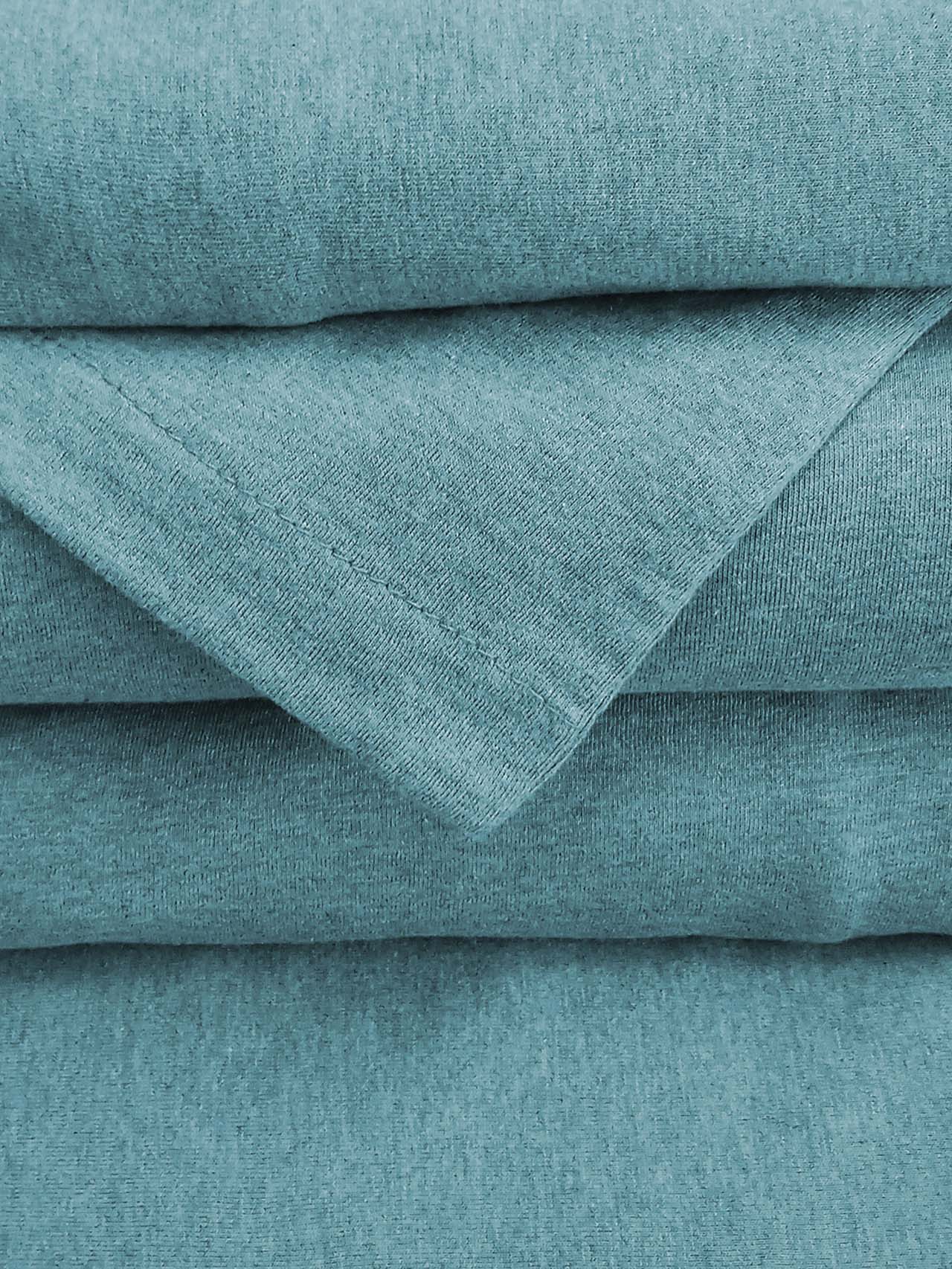
Warmth is influenced by both GSM and fabric construction.
For example:
- French terry has loops on the inside and often feels breathable.
- Brushed fleece has a soft, brushed inner surface and usually feels warmer.
- Polar fleece is designed for insulation and warmth.
- Heavy cotton jersey feels structured but may not provide the same warmth as brushed fleece.
A 400 GSM French terry hoodie and a 400 GSM brushed fleece hoodie can feel very different. The GSM is the same, but the warmth, softness, and hand feel may not be identical.
For brands selling across Europe and the United States, climate and season should be considered. A winter hoodie for Northern Europe may need a different fabric weight than a spring hoodie for California or Southern Europe.
Fabric GSM and Cost
Fabric GSM directly affects production cost because heavier fabrics require more raw material.
In general, higher GSM fabrics cost more than lower GSM fabrics. They may also increase:
- Fabric consumption cost
- Dyeing cost
- Finishing cost
- Shipping weight
- Storage requirements
- Production handling time
For example, a 450 GSM hoodie usually costs more to produce than a 320 GSM hoodie because the fabric itself is heavier and more expensive. It may also require stronger sewing performance and more careful finishing.
This does not mean brands should always choose lighter fabrics to reduce cost. A premium brand may need a heavier GSM to justify its retail price and customer expectations.
The best decision depends on positioning. A luxury streetwear hoodie should feel substantial. A basic promotional hoodie may need a more cost-effective GSM. A premium private label brand may need a balance between quality, margin, and comfort.
GSM and Perceived Quality
Customers may not know the technical meaning of Fabric GSM, but they can feel it.
When a customer touches a T-shirt, hoodie, or sweatshirt, they immediately judge whether it feels cheap, premium, thin, dense, soft, or durable. GSM plays a major role in this first impression.
For premium streetwear, heavier fabrics often communicate quality because they feel more substantial. A heavyweight oversized T-shirt, for example, can feel more valuable than a thin jersey T-shirt.
However, perceived quality is not created by GSM alone. The final garment also depends on:
- Fabric softness
- Stitching accuracy
- Fit consistency
- Neck rib quality
- Print or embroidery quality
- Washing and shrinkage control
- Labeling and packaging
- Final quality inspection
A high GSM fabric with poor construction will not create a premium product. The strongest results come from matching the right fabric with the right pattern, sewing method, and finishing process.
GSM, Fit, and Pattern Development
Fabric weight affects how a pattern behaves.
A pattern developed for lightweight jersey may not work perfectly with heavyweight cotton. Heavier fabric can change the way seams sit, how sleeves fall, and how the garment fits around the shoulders and body.
This is especially important for:
- Oversized T-shirts
- Boxy streetwear fits
- Drop-shoulder hoodies
- Heavy sweatshirts
- Wide-leg sweatpants
- Cropped hoodies
- Premium loungewear
For example, if a brand wants a boxy 240 GSM T-shirt, the pattern must support the weight and structure of the fabric. If the same pattern is used with a 160 GSM fabric, the garment may look weaker and less defined.
Sampling helps brands test whether the chosen GSM works with the intended fit. This is why garment sampling is a critical step before bulk production.
GSM and Print or Embroidery Quality
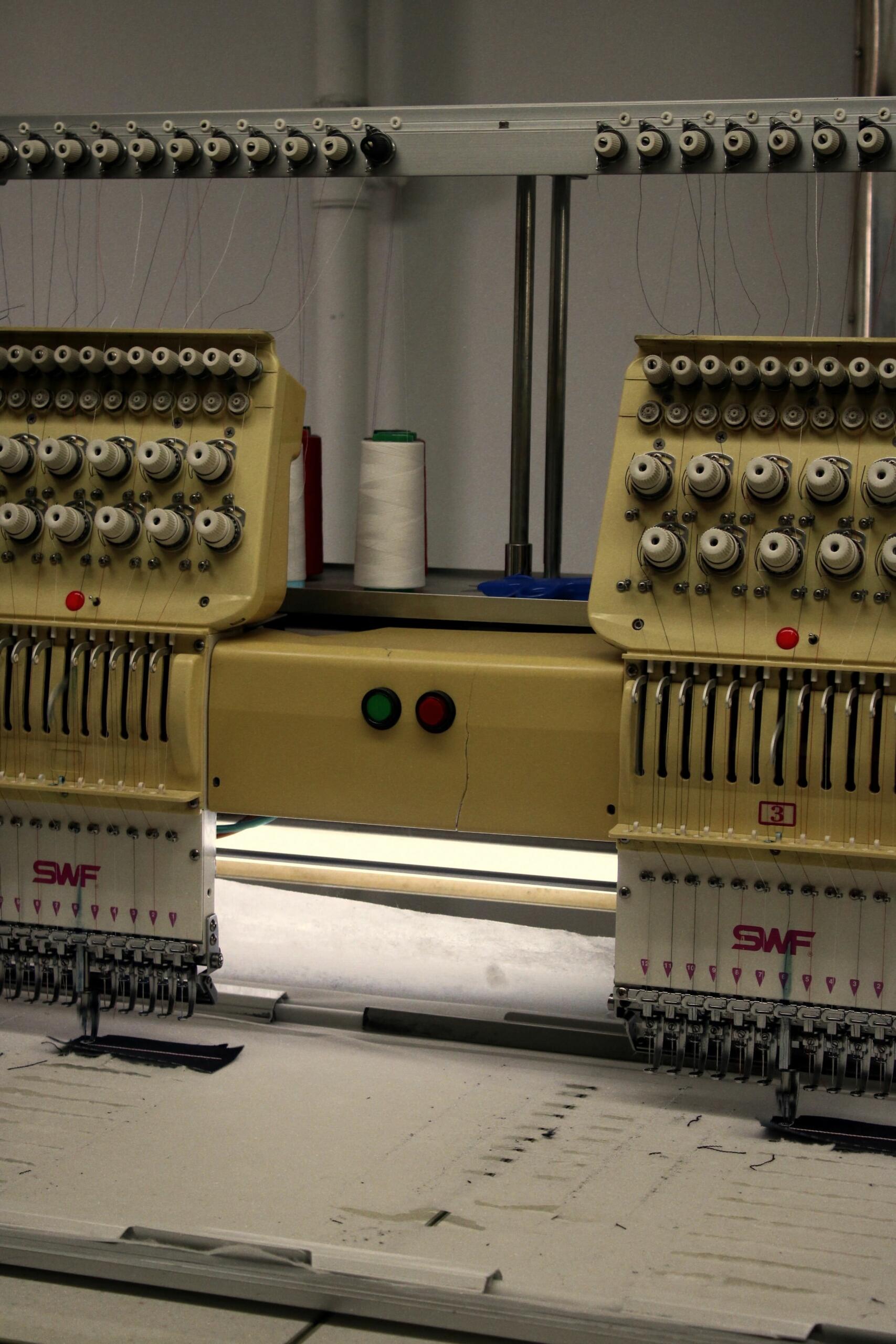
Fabric GSM can also affect how print and embroidery perform.
For screen printing, DTG printing, puff print, rubber print, and other techniques, fabric surface and weight matter. A stable fabric can help prints look cleaner and more premium.
For embroidery, the fabric must be strong enough to support the stitch density. If the fabric is too light, embroidery can pull, wrinkle, or distort the garment. Heavyweight sweatshirts and hoodies often support embroidery better, especially for chest logos, sleeve details, and premium branding.
Still, the right stabilizer, machine settings, thread choice, and placement are also important. GSM provides a foundation, but production technique determines the final result.
French Terry, Fleece, Jersey, and GSM
Different fabric types behave differently even at similar GSM levels.
Cotton Jersey
Cotton jersey is commonly used for T-shirts and lightweight tops. It can range from soft and lightweight to dense and heavyweight. For premium streetwear T-shirts, heavier jersey can create a structured silhouette.
French Terry
French terry is often used for hoodies, sweatshirts, shorts, and joggers. It has loops on the inside, which gives it comfort and breathability. It is a strong option for premium casualwear and streetwear.
Brushed Fleece
Brushed fleece has a soft inner surface and feels warmer than standard French terry. It is widely used for hoodies and sweatshirts, especially for colder seasons.
Polar Fleece
Polar fleece is often used for warmth-focused garments, outerwear layers, and casual winter products. It has a different texture and performance profile compared with cotton-based fleece.
Understanding the fabric type is just as important as understanding GSM. A 350 GSM French terry and a 350 GSM brushed fleece may serve different product goals.
Choosing the Right Fabric GSM for Your Brand
The right GSM depends on what your brand wants the garment to communicate.
Before choosing fabric weight, ask:
- Is the garment for summer, winter, or all-season wear?
- Should it feel lightweight, premium, structured, or soft?
- Is the fit slim, relaxed, oversized, or boxy?
- Will the garment include print or embroidery?
- What is the target retail price?
- What level of durability does the customer expect?
- Is the brand positioned as basic, premium, luxury, or streetwear?
A startup clothing brand may begin with a balanced GSM to control cost and test the market. A premium streetwear label may choose heavier fabrics to create a stronger brand experience. An established fashion brand may use different GSM options across seasonal collections.
The goal is not to choose the heaviest fabric. The goal is to choose the right fabric for the product.
Practical Examples for Streetwear Brands
Example 1: Premium Oversized T-Shirt
A brand wants a luxury oversized T-shirt with a boxy fit. A 150 GSM jersey may feel too light and may not hold the shape well. A 220–260 GSM cotton jersey can create a stronger silhouette and a more premium hand feel.
Example 2: Midweight Hoodie for Year-Round Wear
A brand wants a hoodie that works across multiple seasons. A 320–380 GSM French terry may provide a good balance between comfort, structure, and cost. It can feel premium without becoming too heavy.
Example 3: Heavyweight Winter Hoodie
A streetwear brand wants a bold, premium hoodie for winter drops. A 420–500 GSM brushed fleece may create the warmth, weight, and structure expected from a high-end product. The brand should also consider sewing, shrinkage, and shipping cost.
Example 4: Embroidered Sweatshirt
A brand wants a sweatshirt with chest embroidery. A very light fabric may not support the embroidery cleanly. A 320–400 GSM fabric can provide better stability, depending on the stitch density and design.
Why Istanbul and Turkey Are Strong for Fabric Sourcing
Turkey has a strong textile and apparel production ecosystem, making it a practical sourcing destination for European and US brands. Istanbul, in particular, connects fabric suppliers, dye houses, printing facilities, embroidery workshops, pattern makers, sampling teams, and garment manufacturers within a concentrated production network.
For brands, this can make fabric development more flexible and communication more direct. When fabric sourcing, sampling, production, and quality control are coordinated in one manufacturing environment, decisions can be made faster and with better technical clarity.
For European brands, Turkey also offers geographic advantages compared with distant manufacturing regions. Shorter transport routes, easier communication, and closer time zones can support faster product development and more controlled production planning.
Istanbul Factory works with brands that need support from fabric selection to final garment delivery. For products such as hoodies, T-shirts, sweatshirts, joggers, private label collections, and premium streetwear, GSM is reviewed as part of the wider production strategy.
Common Mistakes Brands Make with Fabric GSM
Many brands focus on GSM too early without considering the full garment.
Common mistakes include:
- Choosing the highest GSM because it sounds premium
- Comparing fabrics only by GSM and not by hand feel
- Ignoring shrinkage and washing performance
- Using a lightweight fabric for a structured oversized fit
- Choosing heavy fabric without considering cost
- Forgetting that embroidery needs fabric stability
- Not testing fabric through sampling
- Assuming all 300 GSM fabrics feel the same
The most professional approach is to match GSM with product category, design intent, fit, finishing, and target customer expectations.
How Istanbul Factory Helps Brands Choose the Right GSM
Istanbul Factory supports fashion brands with end-to-end clothing manufacturing in Istanbul, including fabric sourcing, sampling, private label production, custom clothing manufacturing, print, embroidery, and quality control.
For brands developing premium apparel, GSM is reviewed together with:
- Product category
- Target market
- Fit and silhouette
- Fabric composition
- Print or embroidery needs
- Seasonal use
- Budget and production volume
- Brand positioning
- Quality expectations
This helps brands avoid costly mistakes before bulk production begins.
Whether you are developing heavyweight hoodies, premium T-shirts, oversized streetwear, sweatshirts, joggers, or a full private label collection, Istanbul Factory can help you choose fabrics that match both your creative direction and commercial goals.
Build Better Garments with the Right Fabric
Fabric GSM is one of the most important technical details in apparel development. It affects how a garment feels, fits, performs, and sells.
If your brand is planning a new T-shirt, hoodie, sweatshirt, jogger, or premium streetwear collection, choosing the right fabric weight can make the difference between an average product and a garment customers want to wear again.
Istanbul Factory helps fashion brands develop high-quality garments in Istanbul with fabric sourcing, sampling, production, print, embroidery, and quality control under one manufacturing process.
If you are ready to develop your next collection, Istanbul Factory can help you turn your design idea into a production-ready garment with the right fabric, fit, and finish.
FAQ: Fabric GSM
What does Fabric GSM mean?
Fabric GSM means grams per square meter. It measures how much one square meter of fabric weighs. In clothing manufacturing, GSM helps brands understand whether a fabric is lightweight, midweight, or heavyweight.
Is higher GSM always better?
No. Higher GSM usually means a heavier and more structured fabric, but it is not always better. The right GSM depends on the garment type, season, fit, cost, and brand positioning.
What GSM is good for premium T-shirts?
Premium T-shirts often use fabric around 180–260 GSM. For heavyweight streetwear T-shirts, many brands prefer 220 GSM or higher, depending on the desired structure and hand feel.
What GSM is good for hoodies?
Hoodies commonly range from 280–500 GSM. A 320–380 GSM hoodie can work well for midweight premium products, while 400–500 GSM is often used for heavyweight streetwear or winter hoodies.
Does GSM affect clothing cost?
Yes. Higher GSM fabrics usually cost more because they require more raw material. They can also increase dyeing, finishing, shipping, and handling costs.
Does GSM affect durability?
GSM can influence durability, but it is not the only factor. Yarn quality, knit density, fabric composition, sewing quality, shrinkage control, and finishing all affect how long a garment lasts.
Can two fabrics with the same GSM feel different?
Yes. Two fabrics with the same GSM can feel very different depending on yarn, knit structure, brushing, compacting, washing, finishing, and composition.
Why is GSM important for streetwear brands?
Streetwear often relies on structure, weight, and strong silhouettes. GSM helps brands choose fabrics that support oversized fits, heavyweight hoodies, premium T-shirts, sweatshirts, and joggers.



3 Comments