


Fabric sourcing can shape the entire future of a collection. Before a garment reaches sampling, production, quality control, or delivery, the fabric already decides how it will feel, fit, age, photograph, and perform in the market.
For fashion brands in Europe and the United States, fabric sourcing in Turkey has become an important part of building reliable, premium, and commercially realistic collections. Turkey has a long textile tradition, a strong supplier network, and a strategic location between Europe, Asia, and the Middle East. Istanbul, in particular, brings together fabric suppliers, manufacturers, garment producers, printing workshops, embroidery partners, and logistics connections in one powerful production ecosystem.
According to the Istanbul Apparel Exporters’ Association’s 2025 annual outlook, Türkiye’s apparel and textile industry remains a major national export sector, with large-scale employment and production capacity across apparel, textiles, yarns, and related categories. Industry reporting also points to Turkey’s continued strength in apparel and textile exports, including woven fabrics, knits, yarns, and fibers.
For brands, this means one thing: working with the right local partner can make sourcing faster, clearer, and safer.
At Istanbul Factory, fabric sourcing is part of a wider end-to-end manufacturing service. Instead of leaving brands to search alone, compare suppliers blindly, or manage communication across multiple vendors, Istanbul Factory helps connect the material selection process with sampling, production, quality control, and final delivery.
What Is Fabric Sourcing in Turkey?
Fabric sourcing in Turkey means finding, evaluating, and selecting fabrics from Turkish textile suppliers for use in clothing production. This can include cotton, jersey, fleece, denim, woven fabrics, recycled materials, organic fabrics, blends, trims, linings, and custom-developed materials.
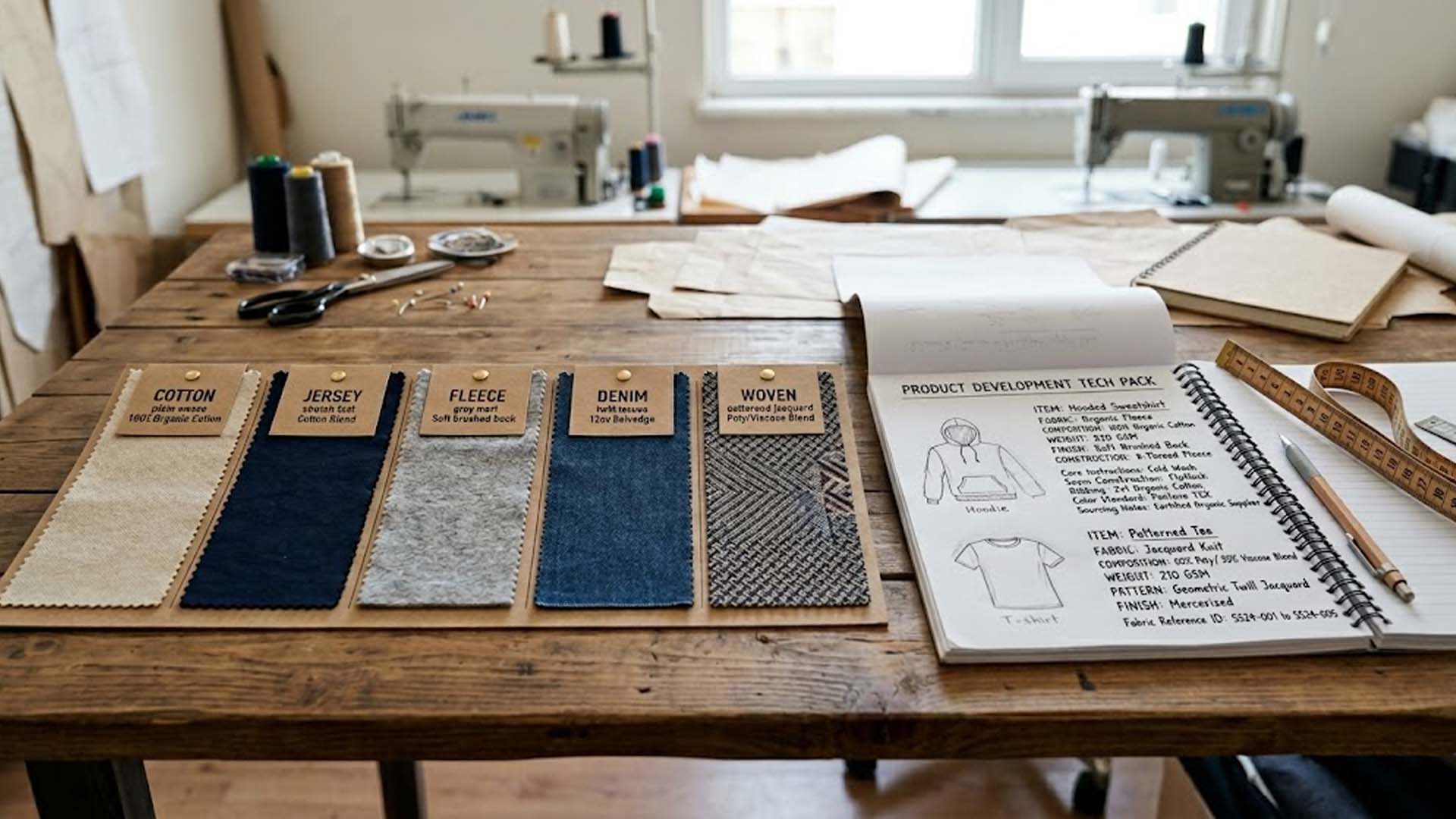
For a fashion brand, fabric sourcing is not simply about choosing a nice material. It includes:
- Matching fabric to the product concept
- Checking weight, hand feel, stretch, shrinkage, and durability
- Comparing colors, finishes, and stock availability
- Evaluating minimum order quantities
- Understanding lead times
- Reviewing certifications when needed
- Testing fabric behavior during sampling
- Making sure the chosen material fits the target price point
A hoodie brand, for example, may need heavyweight fleece with a premium hand feel. A streetwear label may look for compact jersey with structure and clean print performance. A premium casualwear brand may need soft cotton blends, refined woven fabrics, or sustainable alternatives with traceable standards.
This is why fabric sourcing is both creative and technical. The best fabric is not always the most expensive one. It is the fabric that fits the product, the brand positioning, the production method, and the customer expectation.
Why Turkey Is Strong for Fabric Sourcing
Turkey’s textile industry is known for its balance of quality, speed, flexibility, and production know-how. For international fashion brands, this combination is especially valuable.
Many brands choose Turkey because it offers:
- Strong cotton and yarn expertise
- High-quality knit and woven fabric suppliers
- Experience in denim, fleece, jersey, and casualwear fabrics
- Shorter lead times compared with many overseas sourcing markets
- A strategic nearshore location for European brands
- Strong garment manufacturing capacity
- Experienced suppliers familiar with export requirements
- Access to both standard and premium textile options
Turkey is also close to major European markets, which helps brands reduce shipping time and improve communication. For American brands, Turkey can offer an alternative to traditional long-distance production markets, especially when quality, flexibility, and development support matter.
Why Istanbul Matters as a Textile Hub
Istanbul is more than a city with factories. It is a commercial center where textile suppliers, garment manufacturers, design teams, logistics providers, and export businesses are closely connected.
For fabric sourcing, this matters because proximity improves decision-making. A manufacturer based in Istanbul can often visit suppliers, compare fabric options, check quality, and solve sourcing questions faster than a brand working from abroad.
Istanbul gives brands access to:
- Local fabric markets and textile suppliers
- Experienced garment production teams
- Print and embroidery partners
- Fabric testing and quality control support
- Sampling workshops
- Packaging, labeling, and logistics services
- Export-focused production networks
This local network can save weeks during development. Instead of sending emails to unknown suppliers and waiting for unclear answers, a brand can work with a manufacturing partner that already understands the sourcing landscape.
Key Fabric Categories Available in Turkey
Turkey’s textile ecosystem covers many fabric types used by modern fashion brands. The right choice depends on the garment category, brand positioning, season, target price, and production volume.
Turkish Cotton Fabrics
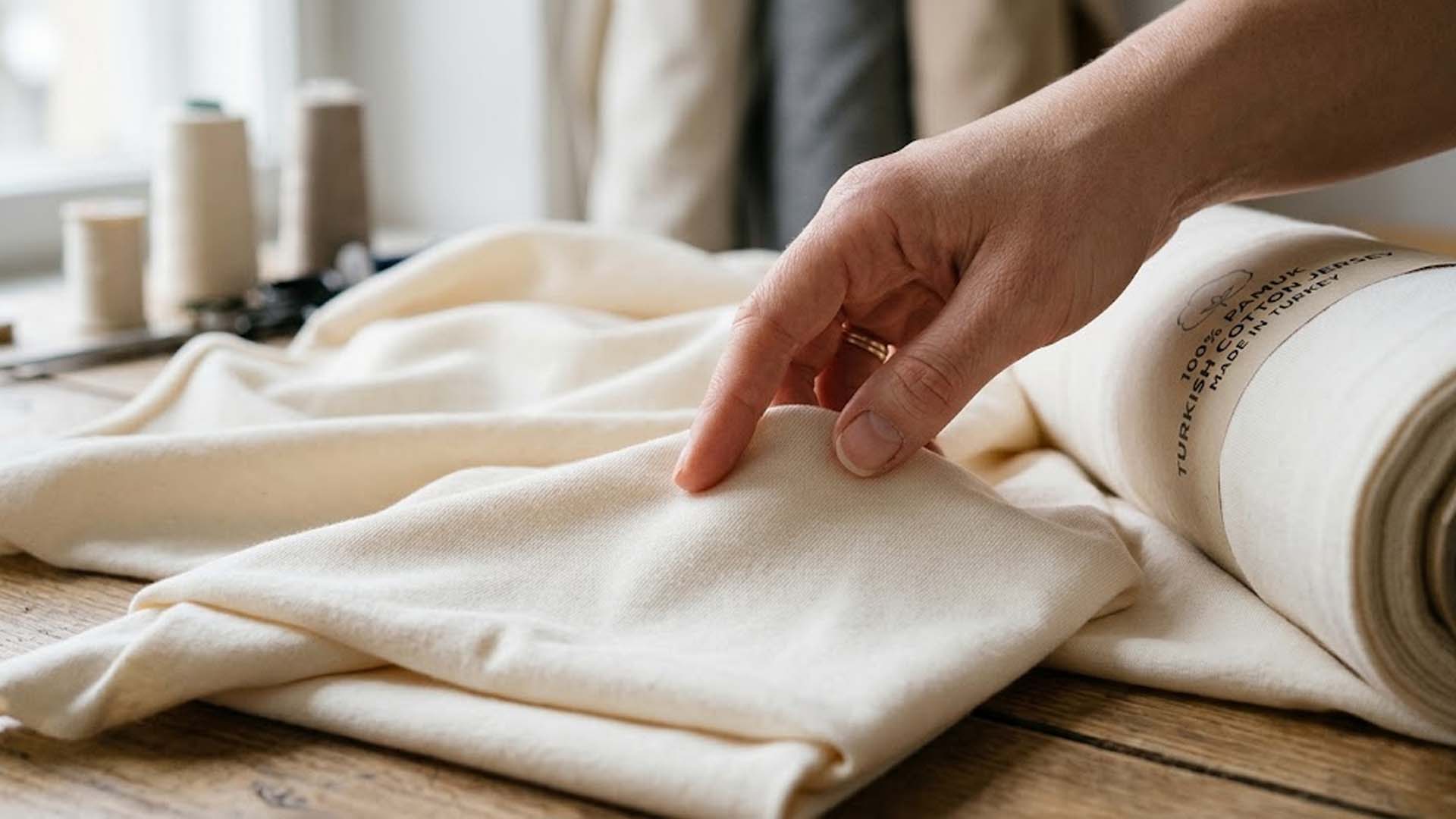
Turkish cotton has a strong reputation for softness, comfort, and quality. It is commonly used in T-shirts, sweatshirts, loungewear, casualwear, childrenswear, and premium basics.
For fashion brands, cotton remains one of the most versatile materials because it works across many product categories. However, cotton quality can vary based on yarn, knitting method, finishing, and fabric construction.
A premium T-shirt, for example, may require compact cotton jersey with a smooth surface. A casual hoodie may need brushed cotton fleece with the right balance of softness and structure. A lightweight summer collection may need breathable cotton blends.
This is where local fabric service becomes important. The right sourcing partner can help compare fabric qualities, not just fabric names.
Jersey Fabrics
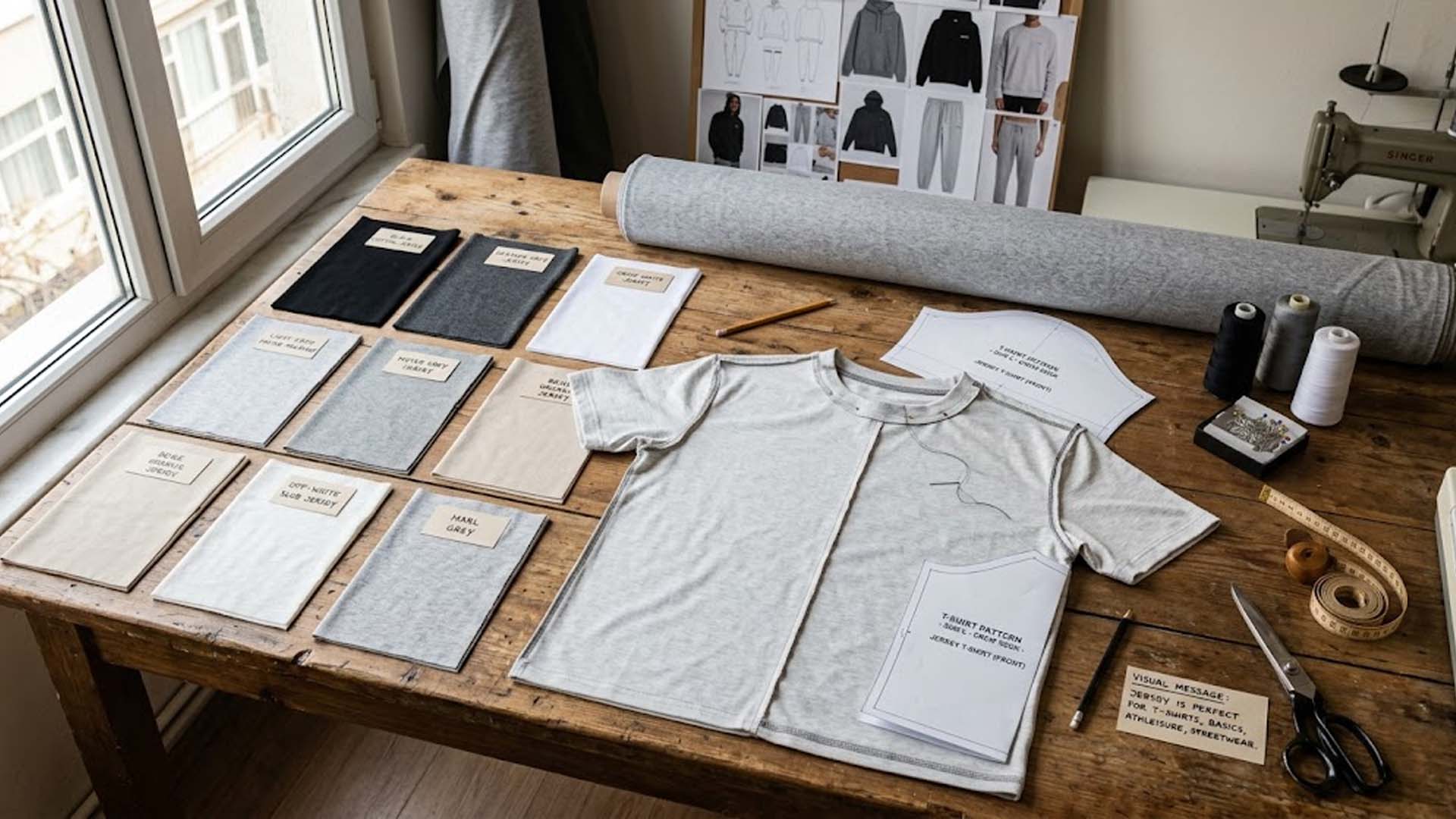
Jersey is one of the most requested fabrics for fashion brands, especially in streetwear, basics, athleisure, and everyday collections.
Turkey offers a wide range of jersey fabrics, including:
- Single jersey
- Heavyweight jersey
- Cotton jersey
- Cotton-elastane jersey
- Organic cotton jersey
- Compact jersey
- Modal and viscose blends
Jersey may look simple, but small differences affect the final garment. GSM, stretch recovery, surface smoothness, shrinkage, and printing performance all matter. A streetwear T-shirt usually needs more structure than a soft undershirt. A premium basic may need a cleaner surface and better shape retention.
Choosing the wrong jersey can lead to twisting seams, poor fit, weak print results, or a cheap feeling after washing.
Fleece and Sweatshirt Fabrics
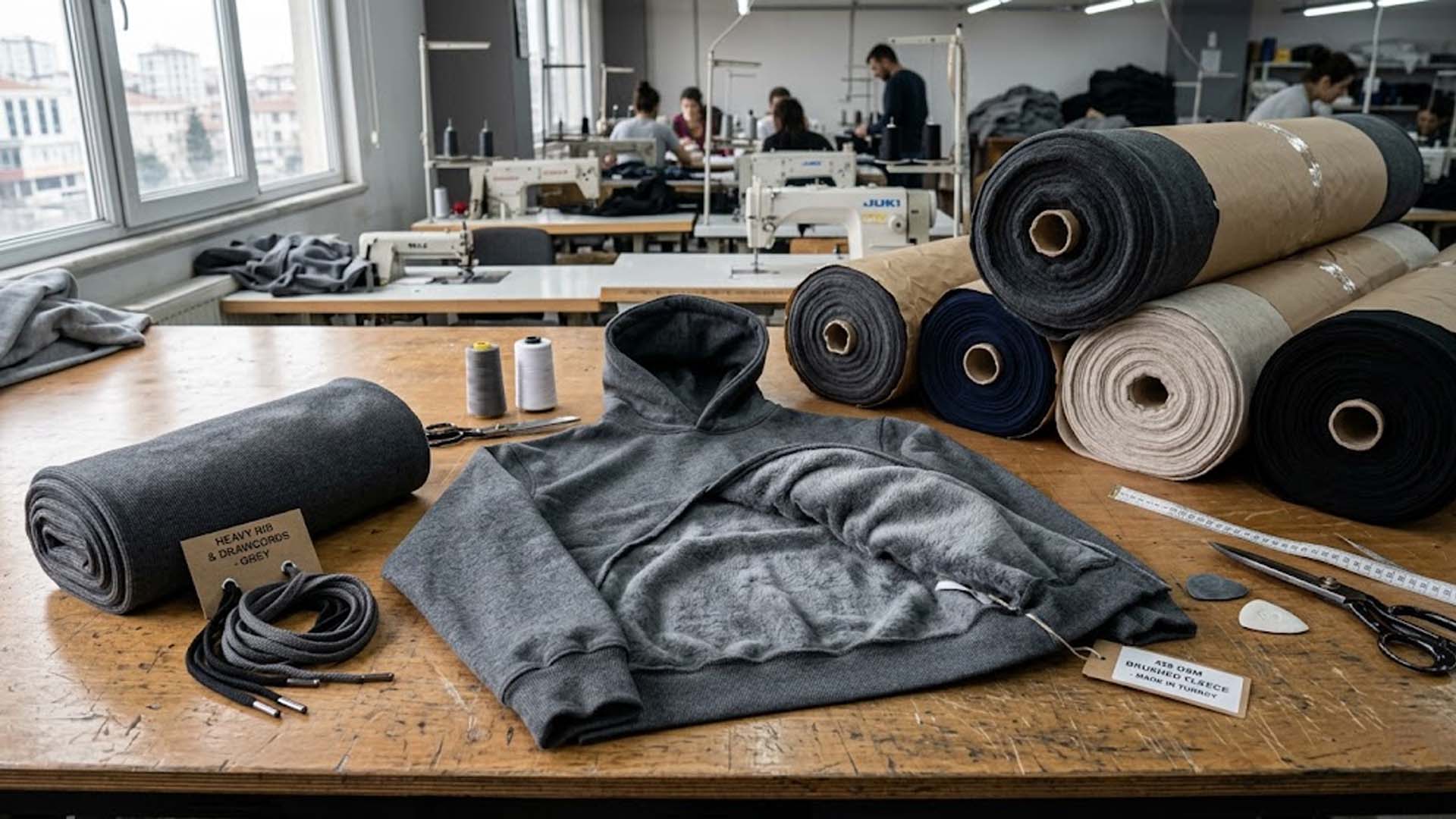
Fleece is essential for hoodies, sweatshirts, joggers, tracksuits, and streetwear collections. Turkey has strong capacity in fleece and knitted fabrics, making it a practical sourcing destination for brands focused on casualwear and urban fashion.
Common options include:
- Brushed fleece
- Unbrushed fleece
- French terry
- Cotton-polyester fleece
- Heavyweight sweatshirt fabric
- Organic cotton fleece
- Recycled blend fleece
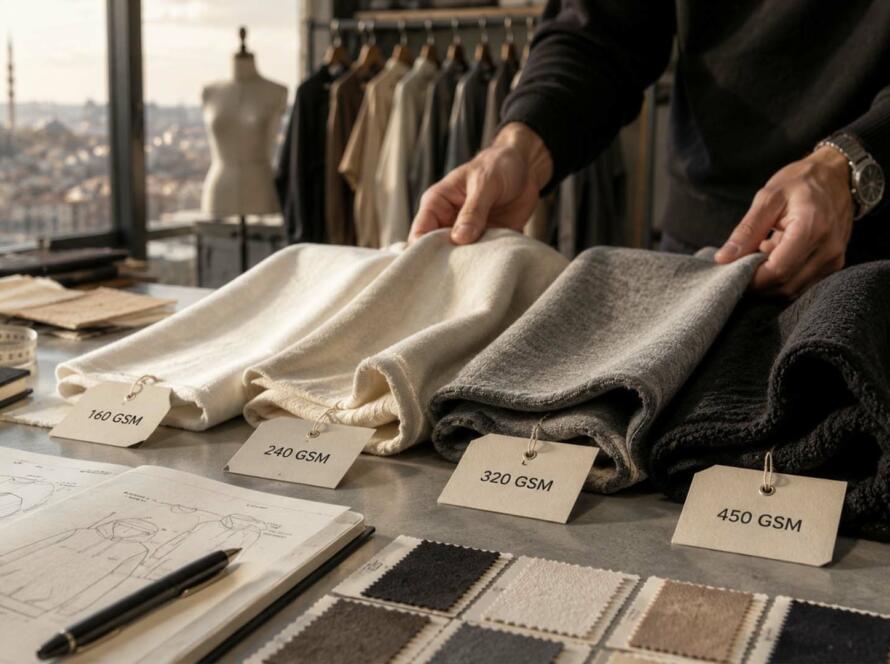
For hoodies and sweatshirts, fabric sourcing must consider more than weight. A 450 GSM fleece can still feel weak if the yarn quality or finishing is poor. A lighter French terry can feel premium if it has good structure and a clean surface.
For brands, the goal is to match fabric feeling with customer expectation. A luxury streetwear hoodie needs body, softness, and durability. A lighter commercial hoodie may need better cost balance and faster availability.
Denim Fabrics
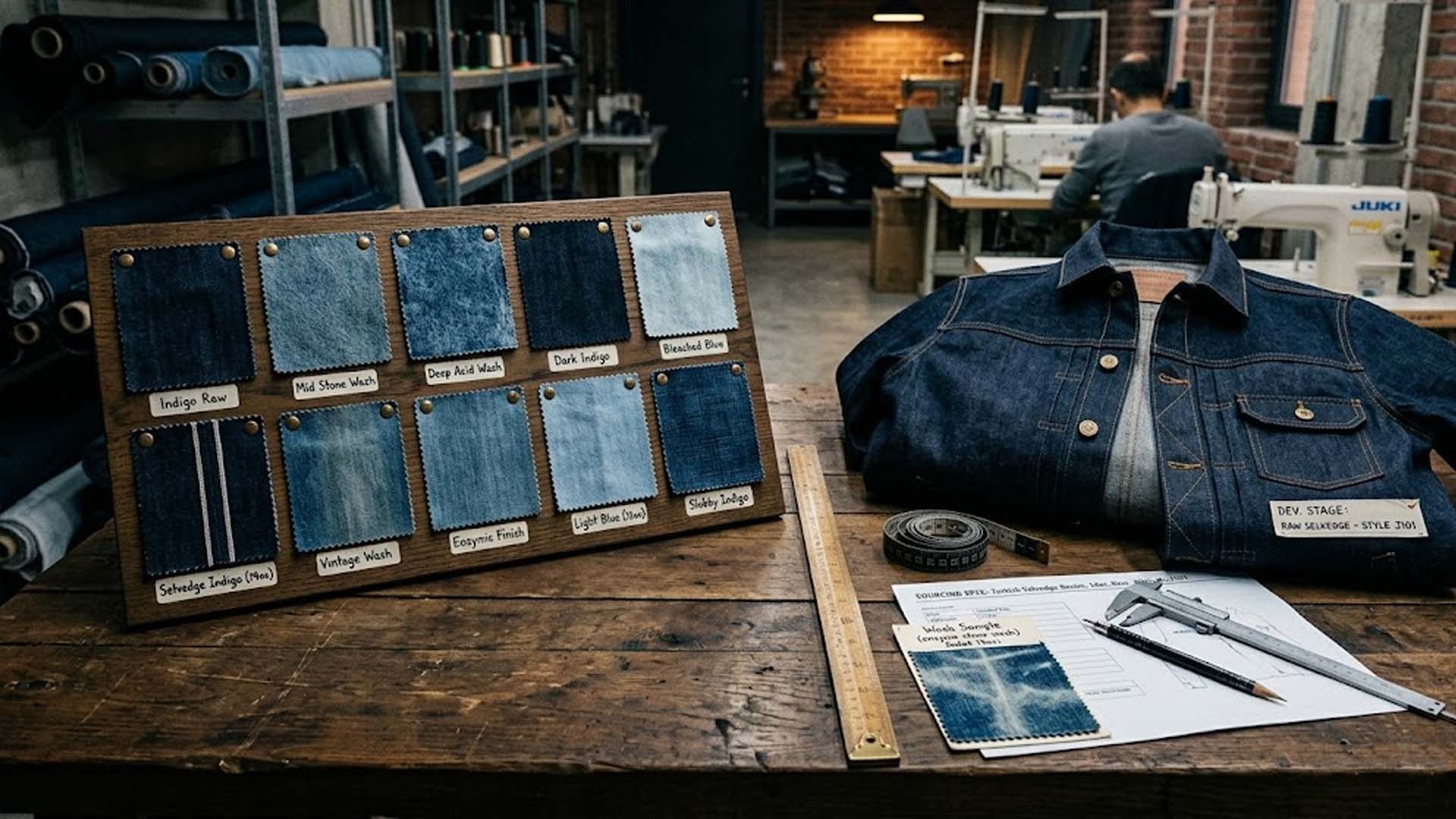
Turkey is also known for denim expertise. Turkish denim suppliers have developed strong capabilities in fashion denim, stretch denim, rigid denim, washed looks, sustainable denim processes, and innovative finishes.
For brands developing jeans, jackets, skirts, overshirts, or denim streetwear pieces, sourcing denim requires careful attention to:
- Fabric weight
- Stretch percentage
- Recovery
- Color depth
- Wash compatibility
- Shrinkage
- Hand feel
- Sustainability claims
- Production behavior
Denim is especially technical because the fabric changes during washing and finishing. A beautiful denim roll can behave differently after garment wash. A good sourcing partner helps brands avoid mistakes by connecting fabric selection with production planning and quality control.
Texhibition Istanbul has also highlighted denim innovation and industry discussions around durability, Digital Product Passport requirements, and next-generation denim fibers, showing how denim remains an active area of textile development in Turkey.
Woven Fabrics
Woven fabrics are used in shirts, trousers, jackets, overshirts, dresses, outerwear, uniforms, and premium casualwear. Turkey’s woven fabric supply includes cotton, linen blends, twill, poplin, canvas, gabardine, viscose blends, and technical materials.
Woven fabric sourcing requires close attention to structure and finishing. A shirt fabric needs the right drape and touch. A trouser fabric needs durability and recovery. A lightweight jacket fabric may require coating, lining compatibility, or special finishing.
For European and US brands, woven fabrics sourced in Turkey can support both commercial and premium collections. The advantage is often flexibility: brands can explore different qualities while keeping sampling and production relatively close to the sourcing process.
Sustainable and Certified Materials
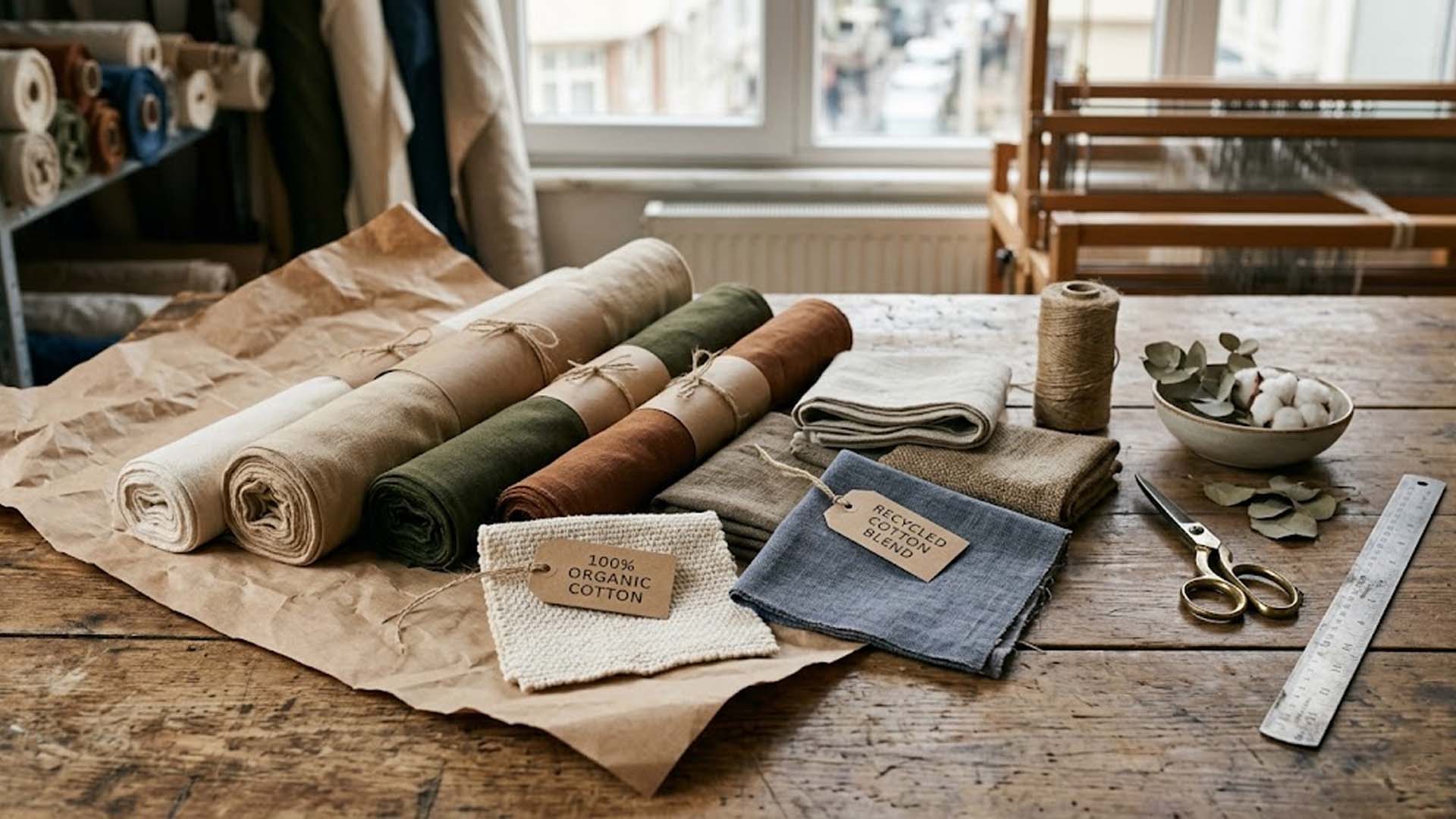
Sustainability has become a serious sourcing factor for many fashion brands. Buyers, retailers, and consumers are asking more questions about material origin, responsible production, and environmental impact.
In Turkey, brands can source materials such as:
- Organic cotton
- Recycled cotton blends
- Recycled polyester blends
- Better cotton options
- Low-impact dyed fabrics
- Certified fabrics where available
- Deadstock or surplus materials for selected projects
However, sustainability must be handled carefully. A fabric should not be described as sustainable without documentation or clear supplier information. Serious brands need proof, not vague claims.
This is why Istanbul Factory approaches sustainable textile production through practical sourcing support, supplier communication, and material evaluation. The aim is to help brands choose better options while staying realistic about price, availability, MOQ, and production needs.
Why Local Supplier Networks Matter
Fabric sourcing is easier when a manufacturer has strong local connections. For international brands, this can be the difference between a smooth development process and months of confusion.
A local sourcing network helps with:
- Faster fabric research
- Better comparison between alternatives
- More realistic price discussions
- Clearer MOQ information
- Better supplier communication
- Faster sample approvals
- Reduced sourcing mistakes
- Better coordination between fabric and production
For example, a startup streetwear brand may ask for a heavyweight hoodie fabric similar to a reference sample. Without local knowledge, the brand may receive random fabric options that look close online but fail in real production. A local partner can compare weight, hand feel, finishing, shrinkage, and supplier reliability before recommending the best options.
This saves time and protects the brand from costly errors.
Fabric Sourcing and Garment Sampling Should Work Together
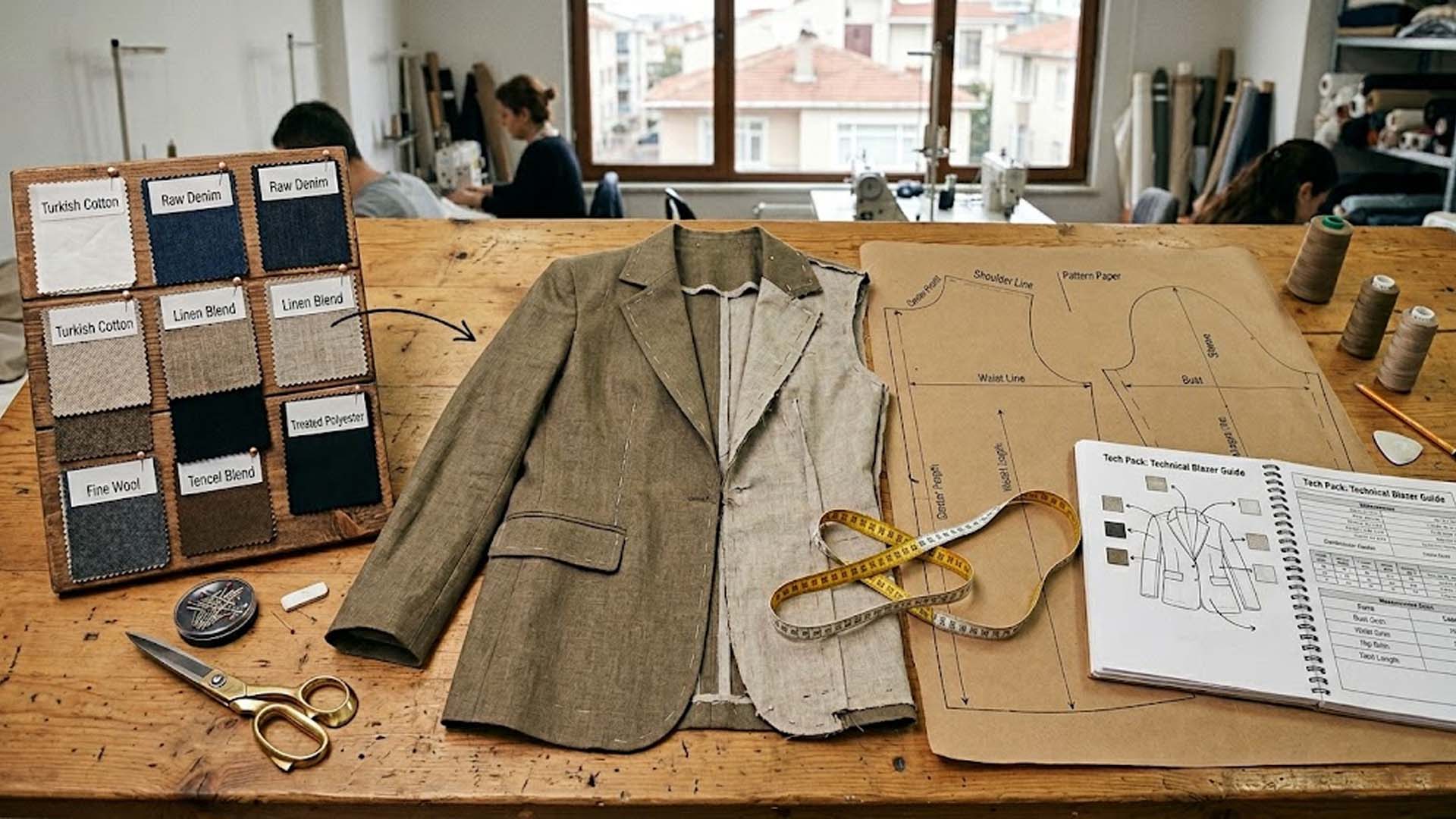
One common mistake brands make is treating fabric sourcing and garment sampling as separate steps. In reality, they should work together.
A fabric may look good on a swatch but behave differently after cutting, sewing, washing, printing, or embroidery. A jersey may stretch too much. A fleece may shrink more than expected. A woven fabric may not hold the desired silhouette. A denim fabric may react differently after washing.
That is why sampling is essential.
At Istanbul Factory, fabric sourcing connects naturally with garment sampling. Once a fabric direction is selected, the next step is testing it through a real sample. This gives the brand a clearer understanding of fit, weight, structure, print result, and production feasibility.
For B2B fashion brands, this process reduces risk before bulk production.
How Fabric Choice Affects Brand Positioning
Fabric is one of the first things customers feel. It influences whether a product feels premium, basic, durable, soft, structured, breathable, or cheap.
For fashion brands, fabric selection affects:
- Retail price
- Customer satisfaction
- Product photography
- Fit and silhouette
- Print and embroidery quality
- Return rates
- Long-term brand perception
- Repeat purchases
A premium label cannot build trust with weak fabric. A streetwear brand cannot create strong hoodies with fabric that loses shape after a few washes. A basics brand cannot compete if its T-shirts twist, shrink, or feel inconsistent.
Fabric sourcing is therefore a brand decision, not just a production decision.
Practical Example: Sourcing Fabric for a Streetwear Hoodie
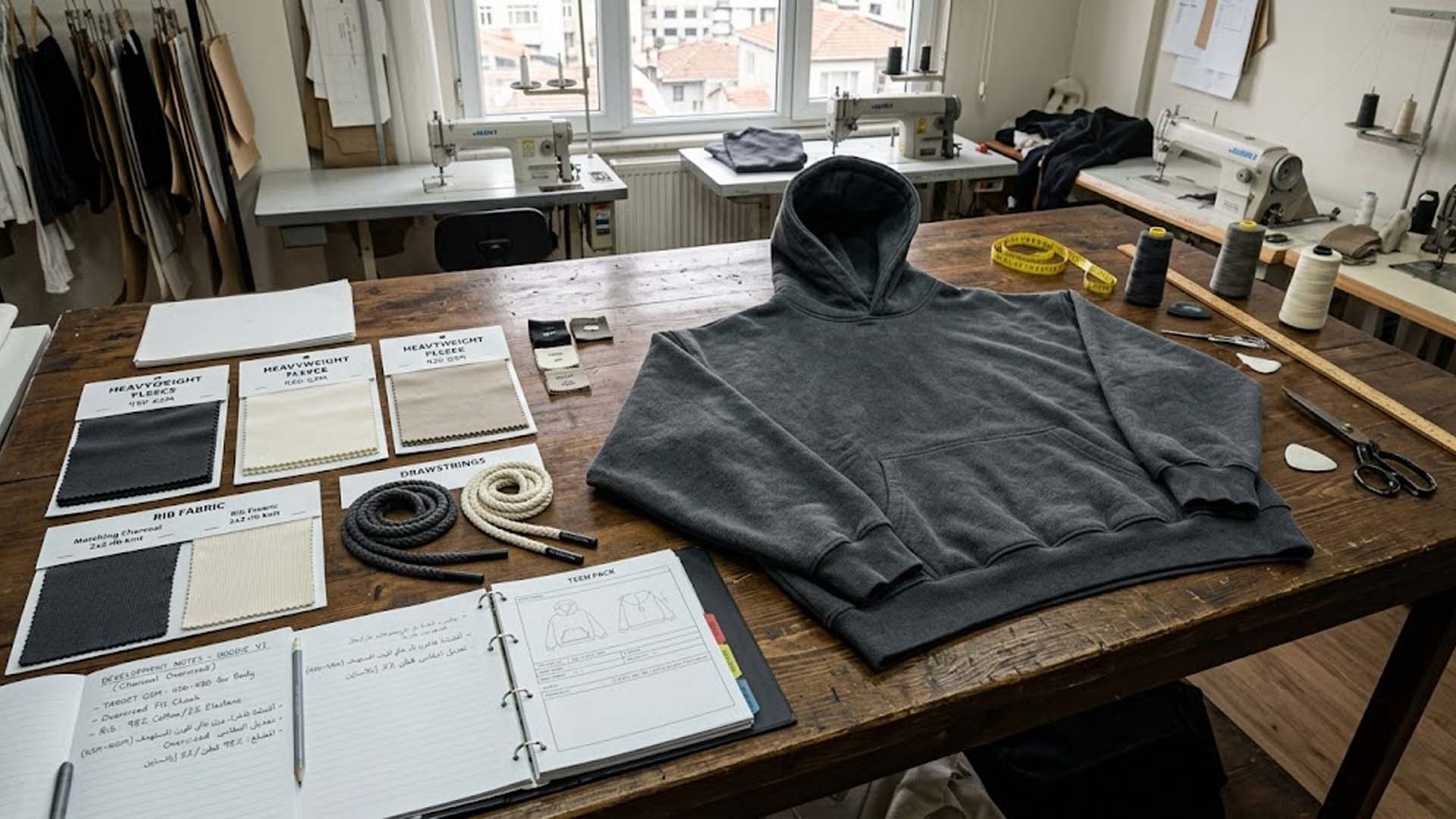
A streetwear brand wants to produce an oversized hoodie for the European market. The brand wants a premium look, good structure, and a soft interior.
A weak sourcing process might only ask: “Do you have 400 GSM fleece?”
A professional fabric service asks better questions:
- Should the hoodie feel structured or relaxed?
- Will the fabric be brushed or unbrushed?
- Is the surface suitable for screen printing or embroidery?
- What shrinkage is expected?
- Does the rib match the body fabric?
- Is the color available in stock or custom dyed?
- What MOQ applies?
- Will the final price fit the brand’s target market?
This level of detail helps the brand make smarter decisions. It also prevents problems later in sampling and bulk production.
Practical Example: Sourcing Fabric for Premium T-Shirts
A fashion startup wants to produce premium blank T-shirts. The founder may think the main decision is GSM. In reality, GSM is only one part of the story.
A 240 GSM T-shirt can feel premium or stiff depending on yarn quality, knitting, finishing, and washing. A 200 GSM compact cotton jersey can feel more refined than a heavier low-quality fabric.
The sourcing process should consider:
- Cotton quality
- Fabric surface
- Drape
- Neck rib quality
- Shrinkage
- Color consistency
- Print compatibility
- Washing performance
- Target retail price
For brands selling premium basics, these details matter. Customers may not know the technical terms, but they immediately feel the difference.
Fabric Service for International Fashion Brands
A professional fabric service is more than sending swatches. It helps brands understand which materials fit their product, budget, timeline, and quality expectations.
For international brands, Istanbul Factory’s fabric service can support:
- Fabric research based on product brief
- Supplier coordination
- Material comparison
- Fabric recommendations
- Swatch selection
- Fabric suitability checks
- Sampling support
- Production planning
- Quality control alignment
This is especially useful for brands that do not have a sourcing team in Turkey. Instead of trying to manage everything remotely, they can work with a local manufacturing partner that understands both fabric and garment production.
Why Fabric Sourcing in Turkey Supports Faster Production
Speed is one of the biggest advantages of sourcing fabric through a Turkish manufacturing network. When fabric suppliers and garment production teams are close, decisions can move faster.
This matters for:
- Seasonal collections
- Restocks
- Capsule drops
- Streetwear releases
- Influencer-led brands
- Startup fashion launches
- Retail deadlines
If a fabric is available locally, sampling can often begin faster. If a material needs adjustment, the manufacturer can communicate with suppliers directly. If an alternative is needed, local options can be explored more efficiently.
For European brands, Turkey’s location can also support shorter shipping routes compared with many Asian production markets. This does not remove the need for planning, but it can improve flexibility.
What Brands Should Check Before Choosing a Fabric
Before approving fabric for production, brands should review both creative and technical details.
Important checks include:
- Fabric composition
- GSM or weight
- Width
- Stretch and recovery
- Shrinkage
- Colorfastness
- Pilling resistance
- Surface quality
- Hand feel
- Drape and structure
- MOQ
- Lead time
- Certification availability
- Price stability
- Supplier reliability
For printed garments, the fabric surface matters. For embroidery, fabric stability matters. For denim, wash behavior matters. For premium basics, touch and shape retention matter.
A good manufacturer helps brands look beyond the swatch and understand how the fabric will behave as a finished product.
Common Fabric Sourcing Mistakes Brands Should Avoid
Many sourcing problems happen because decisions are made too quickly or without enough technical review.
Common mistakes include:
- Choosing fabric only by photo
- Comparing fabrics only by GSM
- Ignoring shrinkage
- Forgetting about MOQ
- Selecting fabric before confirming the target price
- Using unsuitable fabric for printing or embroidery
- Approving color without checking bulk consistency
- Choosing sustainable materials without documentation
- Separating fabric sourcing from sampling
- Working with unknown suppliers without quality checks
These mistakes can delay production, increase costs, or damage the final product quality.
For startup brands, the biggest risk is usually choosing fabric based on appearance alone. For established brands, the risk is often consistency across repeat orders. Both situations require a careful sourcing process.
Why Work With a Manufacturer Instead of Sourcing Alone?
Some brands try to source fabric independently before contacting a manufacturer. This can work for experienced teams, but it often creates problems for startups and growing labels.
A fabric supplier may not know how the material will behave in a specific garment. A manufacturer, however, understands fabric in relation to pattern, sewing, finishing, printing, embroidery, and production efficiency.
Working with a manufacturer for sourcing helps brands align:
- Fabric choice
- Product design
- Pattern development
- Sampling
- Costing
- Production timeline
- Quality control
- Final delivery
This creates a more connected process. The result is fewer surprises and better control from idea to finished garment.
Istanbul Factory’s Approach to Fabric Sourcing
Istanbul Factory supports fashion brands with a practical and production-focused approach to fabric sourcing in Turkey.
The process starts with understanding the brand’s product idea, target customer, quality level, budget, and timeline. From there, the team helps explore suitable fabric options through local supplier connections.
Istanbul Factory can support fabric sourcing for:
- Streetwear collections
- Hoodies and sweatshirts
- T-shirts and basics
- Joggers and tracksuits
- Denim products
- Woven shirts and trousers
- Private label clothing
- Custom clothing manufacturing
- Premium casualwear
- Sustainable textile projects
Because Istanbul Factory also offers garment sampling, print and embroidery, branding and labeling, quality control, and full-scale production, the fabric service is connected to the complete manufacturing journey.
This gives brands a clearer path from concept to finished product.
Why Fabric Sourcing in Turkey Is Valuable for US and European Brands
For US and European fashion brands, Turkey offers a practical balance of quality, speed, communication, and sourcing depth.
European brands benefit from Turkey’s nearshore location, shorter logistics routes, and export experience. US brands benefit from access to a mature textile industry that can support premium development, flexible sourcing, and reliable production coordination.
For both markets, the main value is control. Brands can develop collections with a partner that understands materials, production, quality, and international expectations.
This is especially important for:
- Brands launching their first collection
- Streetwear brands developing heavyweight products
- Premium labels looking for better fabric quality
- Growing brands that need repeatable sourcing
- Fashion companies looking for alternatives to distant production markets
- Brands that want a closer connection between sourcing and manufacturing
Fabric sourcing in Turkey is not just about finding fabric. It is about building a smarter supply chain.
Build Your Next Collection With Istanbul Factory
The right fabric can turn a simple product into a strong brand piece. The wrong fabric can create delays, quality issues, and customer disappointment.
Istanbul Factory helps fashion brands source fabrics in Turkey with a clear, professional, and production-focused process. From Turkish cotton and jersey to fleece, denim, woven fabrics, and sustainable materials, the team supports brands through fabric selection, sampling, manufacturing, quality control, and delivery.
If you are planning a new collection, developing a private label line, or looking for a reliable fabric service in Istanbul, Istanbul Factory can help you build with confidence.
Start your fabric sourcing project with Istanbul Factory and develop your next collection with a manufacturing partner in Istanbul.
FAQ
What is fabric sourcing in Turkey?
Fabric sourcing in Turkey is the process of finding and selecting suitable fabrics from Turkish textile suppliers for clothing production. It can include cotton, jersey, fleece, denim, woven fabrics, sustainable materials, trims, and custom fabric options.
Why is Istanbul important for fabric sourcing?
Istanbul is an important textile hub because it connects fabric suppliers, garment manufacturers, sampling teams, printing workshops, embroidery partners, and logistics services in one location. This helps international brands source materials and move into production more efficiently.
What fabrics can fashion brands source in Turkey?
Fashion brands can source Turkish cotton, jersey, fleece, French terry, denim, woven fabrics, organic cotton, recycled blends, viscose blends, linen blends, and other materials depending on the product category and supplier availability.
Is Turkey a good option for streetwear fabric sourcing?
Yes. Turkey is a strong option for streetwear fabric sourcing because it offers access to heavyweight jersey, fleece, French terry, denim, rib fabrics, and print-ready materials commonly used in hoodies, T-shirts, joggers, and oversized garments.
How does a fabric service help fashion brands?
A fabric service helps brands find suitable materials, compare fabric options, check quality, understand MOQ and lead time, and connect fabric selection with sampling and production. This reduces sourcing mistakes and improves the final garment quality.
Can Istanbul Factory help with sustainable fabric sourcing?
Yes. Istanbul Factory can help brands explore sustainable fabric options such as organic cotton, recycled blends, and certified materials where available. The team also helps evaluate suitability, documentation, pricing, and production compatibility.
Should brands source fabric before sampling?
Fabric sourcing and sampling should work together. A fabric may look good as a swatch but behave differently after cutting, sewing, washing, printing, or embroidery. Sampling helps test the fabric before bulk production.
Why should international brands work with a local sourcing partner in Turkey?
A local sourcing partner can communicate directly with suppliers, compare fabrics faster, check quality more effectively, and connect sourcing decisions with production requirements. This is especially useful for brands based in Europe or the United States.


2 Comments