


Choosing a clothing manufacturer is one of the most important decisions a fashion brand will make. A strong design can lose its value if the fit is inconsistent, the fabric feels different from the approved sample, or production arrives too late for a launch date.
For startup clothing brands, streetwear labels, premium fashion brands, and growing collections, the manufacturer is more than a supplier. The right partner helps turn ideas into wearable products with clear processes, technical understanding, reliable communication, and consistent quality.
This guide explains what fashion brands should check before working with a manufacturer, including product quality, sampling, MOQ, lead times, certifications, communication, and quality control. It also shows why working with a structured manufacturing partner in Istanbul, Turkey, can be a smart option for brands in Europe and the United States.
What Makes a Good Clothing Manufacturer?
A good clothing manufacturer does more than sew garments. It understands the full production journey: fabric selection, pattern development, sampling, fitting, printing, embroidery, bulk production, finishing, packaging, and quality control.
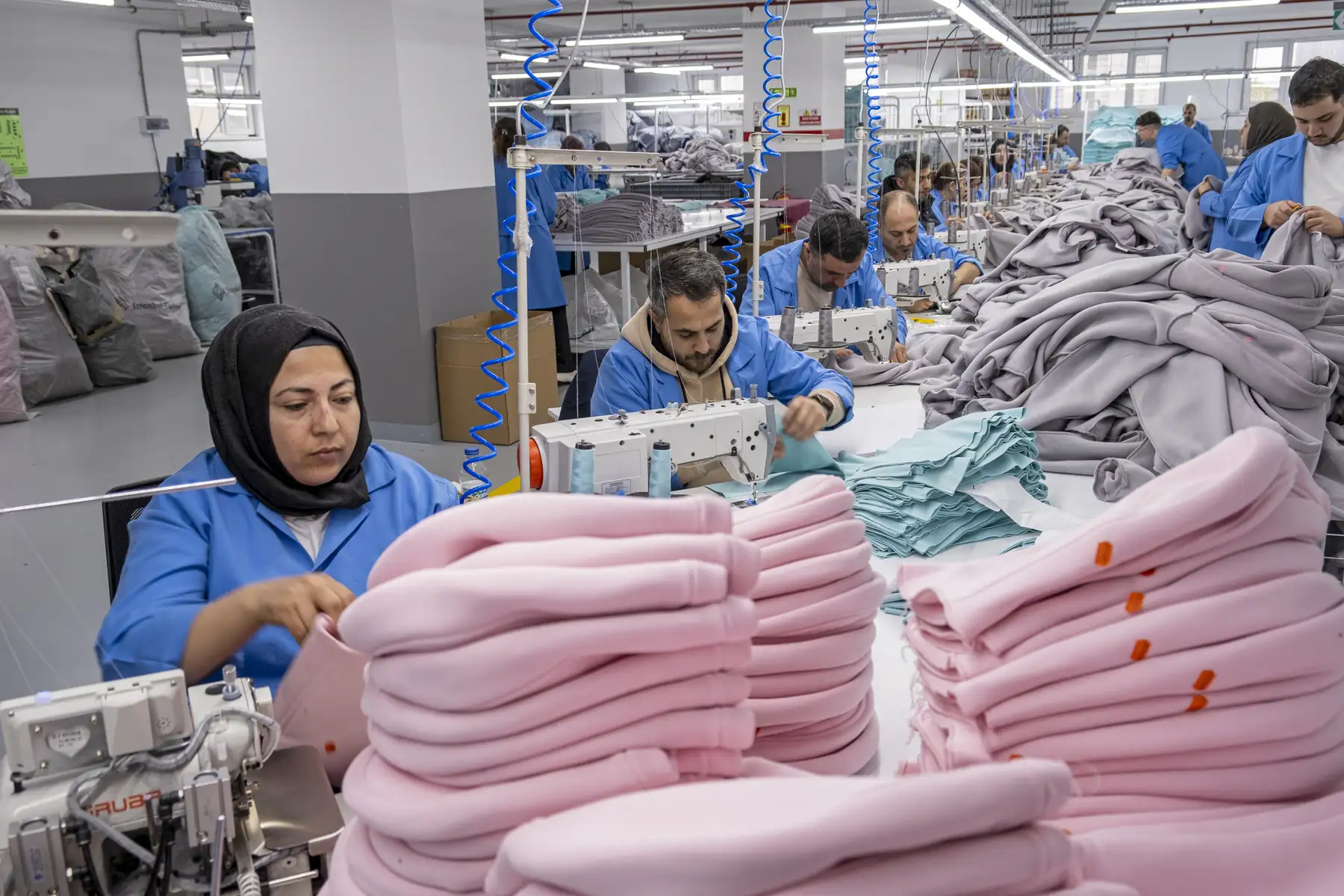
For fashion brands, this matters because production is rarely a single-step process. A hoodie, T-shirt, tracksuit, jacket, or premium streetwear piece may require several decisions before bulk production can begin.
A reliable clothing manufacturer should be able to support your brand with:
- Clear communication
- Technical product understanding
- Realistic timelines
- Transparent pricing
- Fabric and trim sourcing
- Sample development
- Consistent bulk production
- Quality control before shipping
- Support for scaling production
The best manufacturers help brands avoid costly mistakes before they happen. They ask the right questions, explain production limits clearly, and guide the brand through decisions that affect quality, cost, and delivery time.
Start with Your Product Type
Before contacting a manufacturer, define what you want to produce. Different factories specialize in different product categories, and choosing the wrong one can create problems from the beginning.
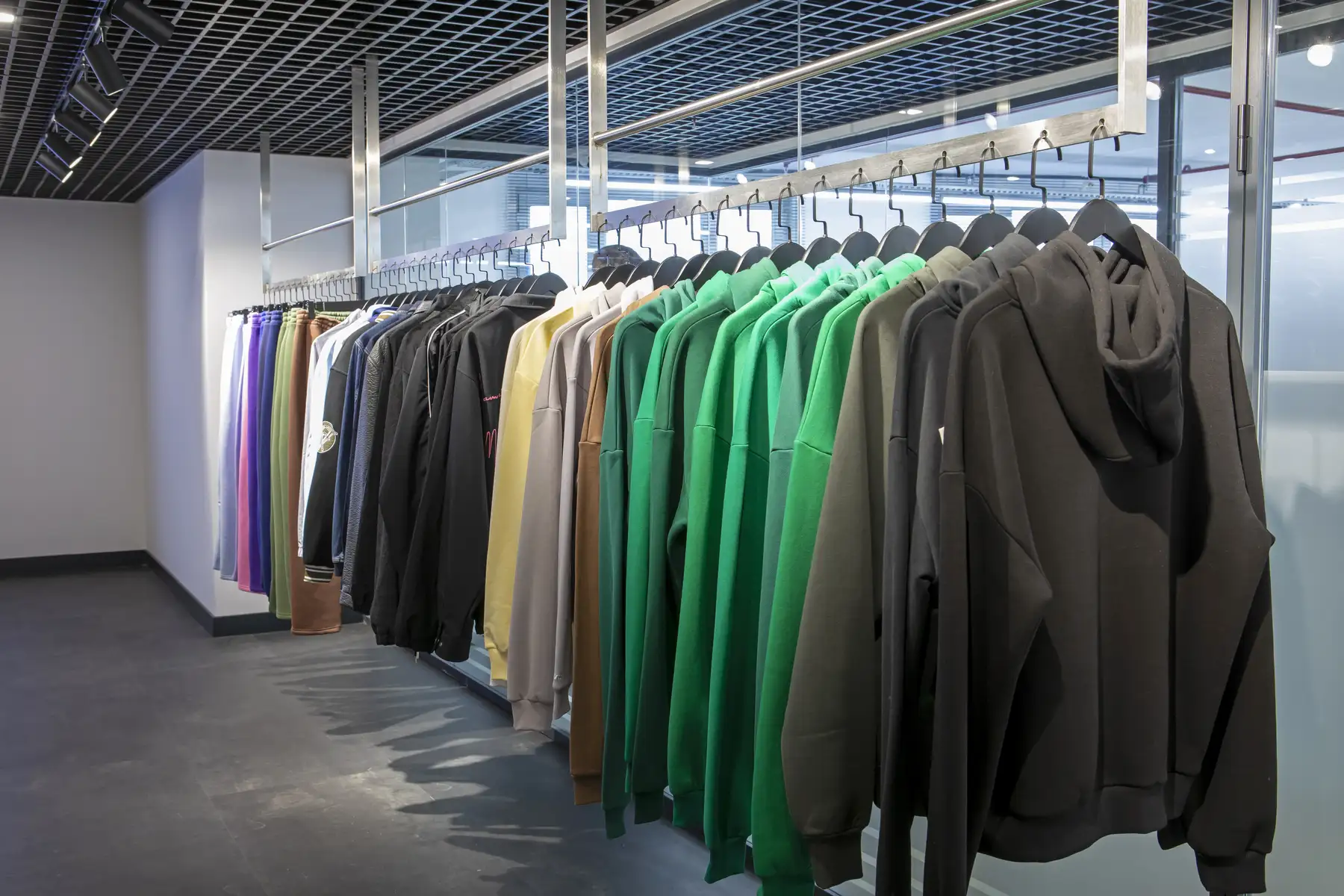
For example, a factory that mainly produces basic T-shirts may not be the right fit for a premium streetwear collection with heavyweight fabrics, custom embroidery, oversized fits, and detailed labeling. Likewise, a luxury outerwear piece needs a different production setup than a simple promotional garment.
Ask yourself:
- Are you producing streetwear, casualwear, sportswear, premium fashion, or basics?
- Do you need private label production or fully custom clothing manufacturing?
- Will the garments require print, embroidery, washing, special trims, or branded packaging?
- Are you starting with a small collection or planning bulk clothing production?
- Do you already have tech packs, or do you need development support?
A manufacturer with experience in your product category will understand the fabric behavior, construction details, sizing expectations, and finishing standards required for your market.
At Istanbul Factory, this is especially important because many fashion brands need more than standard production. They need a partner that can support design development, garment sampling, fabric sourcing, print and embroidery, branding, and quality control under one structured process.
Check Product Quality Before Talking About Price
Price matters, but quality should come first. A low production price can become expensive if the garments arrive with poor stitching, inconsistent sizing, weak fabric, bad print quality, or packaging issues.
When evaluating a clothing manufacturer, look closely at the quality of previous work. If possible, ask for examples of similar products they have produced. For streetwear brands, check details such as: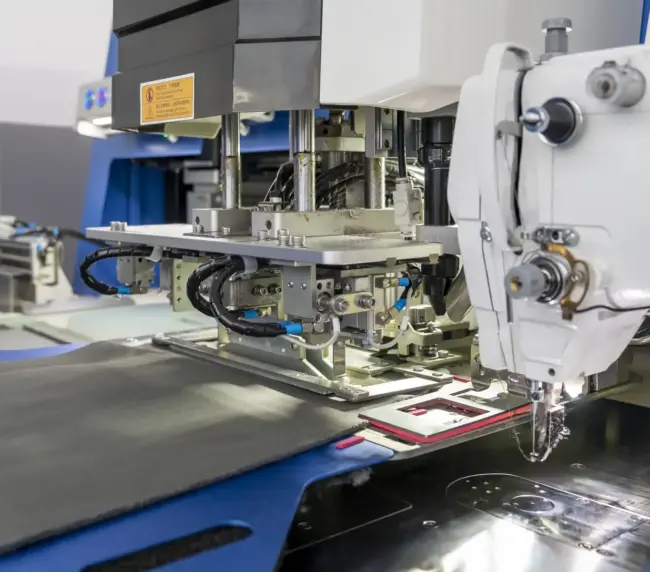
- Fabric weight and hand feel
- Collar and cuff structure
- Stitching consistency
- Print durability
- Embroidery density
- Fit accuracy
- Shrinkage control
- Label placement
- Finishing and packaging quality
For premium labels, small details can affect the entire customer experience. A slightly uneven seam, poor neck rib, or low-quality drawcord can make a product feel less valuable.
A professional clothing manufacturer should be able to explain how quality is managed during sampling and bulk production. They should also be honest about what is technically possible within your budget and timeline.
Understand the Sampling Process
Sampling is where your idea becomes a real product. It is also where many production mistakes are found and corrected.
A good sampling process helps your brand test:
- Fit
- Fabric choice
- Measurements
- Print or embroidery placement
- Stitching methods
- Washing behavior
- Labeling and finishing
- Overall product feel
The first sample is rarely perfect. That is normal. What matters is how the manufacturer handles revisions. A structured manufacturer will collect your feedback, update the pattern or construction, and prepare the next sample based on clear notes.
For example, if an oversized hoodie feels too wide in the shoulders but too short in the body, the manufacturer should understand how to adjust the pattern without damaging the intended silhouette. If a print cracks after testing, the print method or fabric surface may need to be reviewed.
Sampling is not just a preview. It is a technical step that protects your brand before bulk production begins.
Ask About MOQ Before You Commit
MOQ means Minimum Order Quantity. It is the smallest number of pieces a manufacturer is willing to produce per style, color, or design.
MOQ can vary depending on:
- Product type
- Fabric availability
- Custom fabric requirements
- Printing or embroidery setup
- Dyeing process
- Labeling needs
- Production complexity
Startup brands often look for low MOQ, while established brands may need larger production capacity. The right manufacturer should explain MOQ clearly and help you understand what affects it.
For example, producing 100 pieces of a basic T-shirt may be easier than producing 100 pieces of a custom heavyweight hoodie with special fabric, embroidery, custom zipper, branded neck label, and packaging.
A reliable production partner will not simply give a number. They will explain the production logic behind that number and help you choose the most efficient way to start.
Evaluate Communication Carefully

Communication is one of the strongest signs of whether a manufacturer is professional. Many production problems come from unclear messages, missing details, slow replies, or misunderstood expectations.
Before starting production, pay attention to how the manufacturer communicates.
Ask yourself:
- Do they answer clearly?
- Do they ask useful questions?
- Do they explain technical details in a simple way?
- Do they confirm important decisions in writing?
- Do they understand your target market?
- Can they communicate in a language your team is comfortable with?
For US and European fashion brands, communication is especially important when working internationally. Time zones, terminology, and production expectations can create confusion if the process is not organized.
Istanbul Factory supports brands with clear communication in Turkish, English, and German, helping international clients follow each stage of their project with more confidence.
Review Lead Times Realistically
Lead time is the time required to complete sampling, production, finishing, and preparation for delivery. Many brands underestimate how long this can take.
A realistic production timeline may include: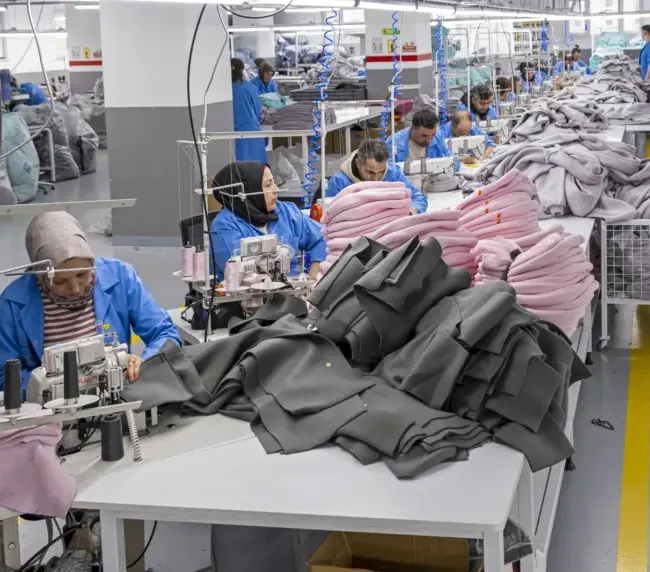
- Fabric sourcing
- Pattern development
- First sample
- Sample revisions
- Fabric approval
- Print or embroidery testing
- Bulk production
- Quality control
- Packaging
- Shipping preparation
Fast production is valuable, but unrealistic promises are risky. If a manufacturer promises very short lead times without asking about your product details, that may be a warning sign.
Reliable manufacturers give timelines based on real production requirements. They also tell you what can delay the process, such as late approvals, fabric availability, complex trims, or changes after sampling.
For fashion brands planning seasonal launches, campaign shoots, retail drops, or wholesale delivery, lead time discipline is essential.
Look for Strong Quality Control
Quality control should not happen only at the end of production. It should be part of the entire manufacturing process.
A professional clothing manufacturer should check quality during: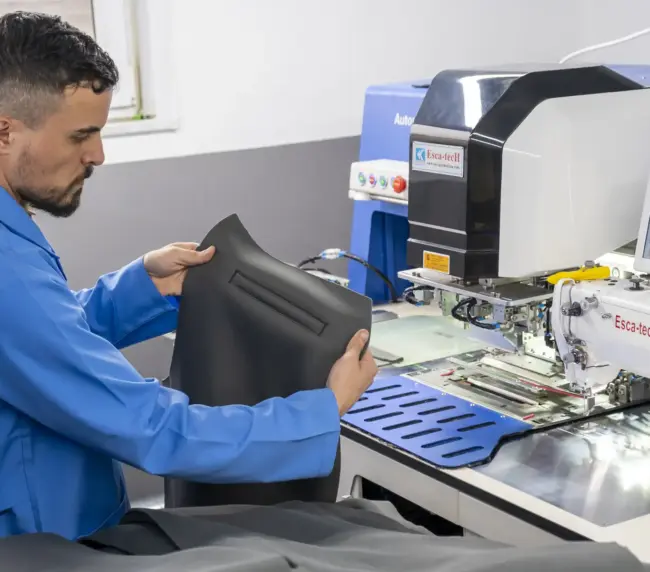
Fabric and Material Control
The fabric should match the approved quality, weight, color, and texture. Trims such as zippers, buttons, cords, labels, and packaging should also be checked before production.
In-Process Production Control
During production, stitching, measurements, construction, and print or embroidery placement should be monitored. This helps catch mistakes early.
Final Garment Inspection
Before shipping, finished garments should be checked for measurement accuracy, stains, defects, loose threads, print quality, labeling, folding, and packaging.
Quality control is especially important when producing for European and US markets, where customers expect consistency and brands must protect their reputation.
At Istanbul Factory, quality control is positioned as a core part of the production process, helping brands maintain professional standards from sample approval to finished garments.
Ask About Fabric Sourcing
Fabric has a major impact on how a garment looks, feels, fits, and performs. Even a strong design can fail if the fabric is wrong.
A manufacturer with fabric sourcing experience can help you choose materials based on:
- Product type
- Season
- Target price point
- Fabric weight
- Stretch and recovery
- Texture
- Durability
- Print or embroidery suitability
- Sustainability goals
For example, a premium streetwear hoodie may need heavyweight cotton fleece with a structured hand feel. A summer T-shirt collection may require lighter jersey with good softness and shape retention. A sustainable capsule collection may need organic cotton, recycled materials, or certified fabrics.
Fabric sourcing is one of the reasons many international brands consider Turkey. Istanbul has access to a strong textile supplier network, which can help brands move from idea to production more efficiently.
Consider Certifications and Sustainability
Sustainability is no longer a side topic for many fashion brands. Consumers, retailers, and wholesale buyers increasingly care about how products are made, where materials come from, and whether production follows responsible standards.
When choosing a clothing manufacturer, ask about:
- Sustainable fabric options
- Organic cotton availability
- Recycled textile options
- Ethical production practices
- Waste reduction
- Energy-conscious production
- Certifications or supplier documentation
- Compliance with European standards
Not every collection needs to be fully sustainable from the first drop. However, your manufacturer should understand the topic and be able to guide you toward better choices.
For brands selling in Europe or the United States, sustainability can also support brand positioning, customer trust, and long-term growth.
Check Private Label and Branding Capabilities
If you are building your own fashion brand, private label production can help you create products under your brand identity without owning a factory.
A private label clothing manufacturer may support:
- Custom neck labels
- Wash care labels
- Hangtags
- Packaging
- Size labels
- Branded trims
- Custom colors
- Print and embroidery
- Collection-based production
For startup brands, private label production can be a practical way to launch professionally. For established labels, it helps scale production while keeping brand consistency.
The important point is to make sure branding details are included in the production plan early. Label placement, packaging style, and finishing details should be approved before bulk production starts.
Why Istanbul and Turkey Matter for Fashion Brands
Turkey has become a strong production destination for fashion brands because it combines textile experience, skilled labor, fabric access, and proximity to Europe.
For European brands, Istanbul offers a practical advantage compared with distant production hubs. Shorter logistics routes can support faster development, easier communication, and more flexible production planning.
For US brands, Turkey can offer a balance between quality, production capability, and access to European-style manufacturing standards.
Istanbul is especially valuable because it is not only a production city. It is also a textile, sourcing, design, and trade hub. This gives fashion brands access to fabric suppliers, printing services, embroidery workshops, pattern makers, and production teams within a connected ecosystem.
For brands that want a reliable production partner with structured communication and end-to-end support, Istanbul can be a strategic choice.
Warning Signs to Watch For
Choosing the wrong manufacturer can cost your brand time, money, and reputation. Before committing, watch for warning signs such as:
- Very vague pricing
- No clear sampling process
- Poor communication
- Unrealistic delivery promises
- No quality control explanation
- No understanding of your product category
- Refusal to confirm details in writing
- No clear MOQ structure
- Lack of transparency about fabric and trims
- Pressure to start bulk production too quickly
A trustworthy manufacturer should make you feel informed, not rushed. They should help you understand the process and make decisions with confidence.
Questions to Ask Before Working with a Clothing Manufacturer
Before starting a project, prepare a clear set of questions. This helps you compare manufacturers properly.
Ask:
- What product categories do you specialize in?
- Do you offer sampling before bulk production?
- What is your MOQ per style or color?
- Can you help with fabric sourcing?
- Do you provide print and embroidery services?
- How do you manage quality control?
- What are your typical lead times?
- Can you support private label production?
- What information do you need from my brand to begin?
- How do you communicate during the production process?
The answers will show whether the manufacturer is simply taking orders or acting as a real production partner.
What to Prepare Before Contacting a Manufacturer
You do not need to have everything perfect before contacting a manufacturer, but the more organized you are, the smoother the process will be.
Try to prepare:
- Product sketches or reference images
- Target product category
- Fabric preferences
- Size range
- Quantity estimate
- Color options
- Branding details
- Print or embroidery ideas
- Target price range
- Launch timeline
- Tech pack, if available
If you do not have a tech pack, a full-service manufacturing partner can often guide you through the early development phase. However, clear references and business goals are still helpful.
Istanbul Factory as a Reliable Production Partner
Istanbul Factory works with fashion brands, streetwear labels, startups, and established companies looking for structured clothing manufacturing in Istanbul.
The company supports brands across key production stages, including: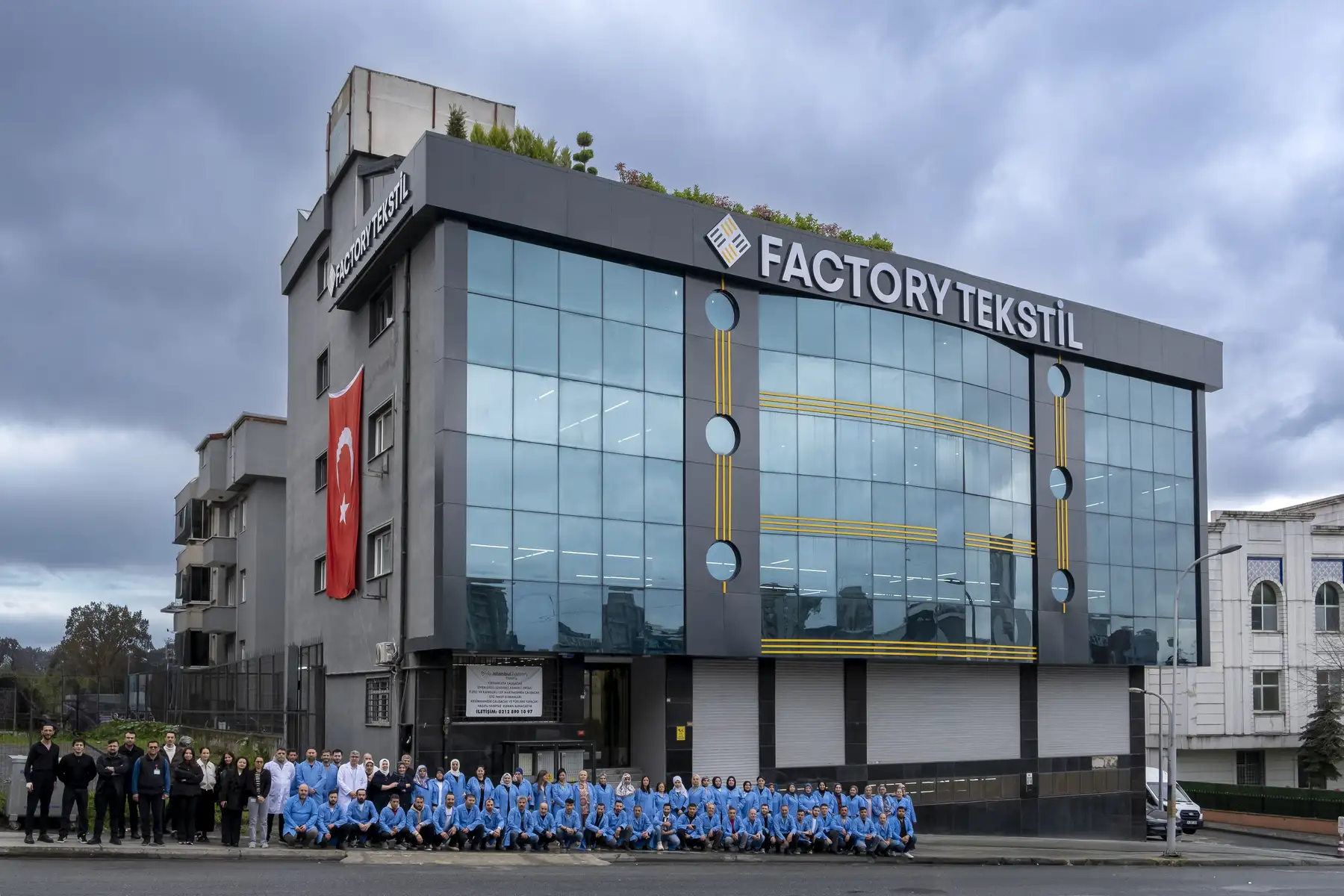
- Clothing manufacturing
- Private label production
- Custom clothing manufacturing
- Fabric sourcing
- Garment sampling
- Print and embroidery
- Branding and labeling
- Quality control
- Sustainable textile production
- Bulk clothing production
For brands in Europe and the United States, Istanbul Factory offers the advantage of working with a manufacturing partner based in one of the world’s important textile hubs. The focus is on quality, clear communication, professional production planning, and European quality expectations.
This makes Istanbul Factory a strong choice for brands that want more than basic garment production. It is suitable for fashion teams that need a reliable production partner capable of supporting the journey from concept to finished collection.
Final Thoughts: Choose a Manufacturer Like a Long-Term Partner
A clothing manufacturer can directly affect your brand’s reputation. The right partner helps you produce better garments, avoid costly mistakes, manage timelines, and create products that customers want to wear again.
Before choosing a manufacturer, look beyond the lowest price. Study their communication, sampling process, fabric knowledge, quality control, lead times, and ability to understand your brand.
For fashion startups, this decision can shape the first impression of the brand. For growing labels, it can determine whether production can scale without losing quality.
A reliable production partner should bring structure, clarity, and manufacturing expertise to your collection.
Build Your Next Collection with Istanbul Factory
If you are looking for a professional clothing manufacturer in Istanbul, Istanbul Factory can support your brand from development to bulk production.
Whether you are launching a streetwear label, building a private label collection, or scaling an established fashion brand, Istanbul Factory offers end-to-end manufacturing services with a focus on quality, communication, and reliable production.
Start your clothing manufacturing project with Istanbul Factory and build your next collection with a partner that understands fashion, production, and brand growth.
FAQ
What is a clothing manufacturer?
A clothing manufacturer is a production company that turns fashion designs into finished garments. Depending on its services, it may support fabric sourcing, sampling, pattern development, printing, embroidery, bulk production, labeling, packaging, and quality control.
How do I choose the right clothing manufacturer for my brand?
Choose a clothing manufacturer by checking product quality, communication, MOQ, sampling process, lead times, fabric sourcing ability, private label options, and quality control systems. The right manufacturer should understand your product category and provide clear production guidance.
What should I ask a clothing manufacturer before production?
Ask about their product experience, MOQ, sampling process, fabric options, lead times, quality control, print and embroidery services, branding options, and how they communicate during production. These answers help you understand whether they are a reliable production partner.
Why is sampling important in clothing manufacturing?
Sampling allows your brand to test fit, fabric, measurements, construction, print placement, embroidery, labels, and finishing before bulk production. It helps prevent expensive mistakes and ensures the final product matches your expectations.
What does MOQ mean in clothing manufacturing?
MOQ means Minimum Order Quantity. It is the smallest number of pieces a manufacturer accepts for production. MOQ can depend on product type, fabric availability, custom details, print or embroidery setup, and production complexity.
Why do fashion brands work with manufacturers in Turkey?
Fashion brands work with manufacturers in Turkey because of the country’s strong textile industry, skilled production teams, fabric sourcing network, and proximity to Europe. Istanbul is especially important because it connects manufacturing, sourcing, design, and logistics.
Does Istanbul Factory work with startup clothing brands?
Yes. Istanbul Factory works with startup clothing brands, streetwear labels, premium fashion brands, and established companies. The company supports brands through services such as sampling, fabric sourcing, private label production, custom clothing manufacturing, and quality control.
Can Istanbul Factory support private label clothing production?
Yes. Istanbul Factory provides private label clothing production services, including garment manufacturing, custom labels, branding, print and embroidery, packaging support, and bulk production for fashion brands.

2 Comments