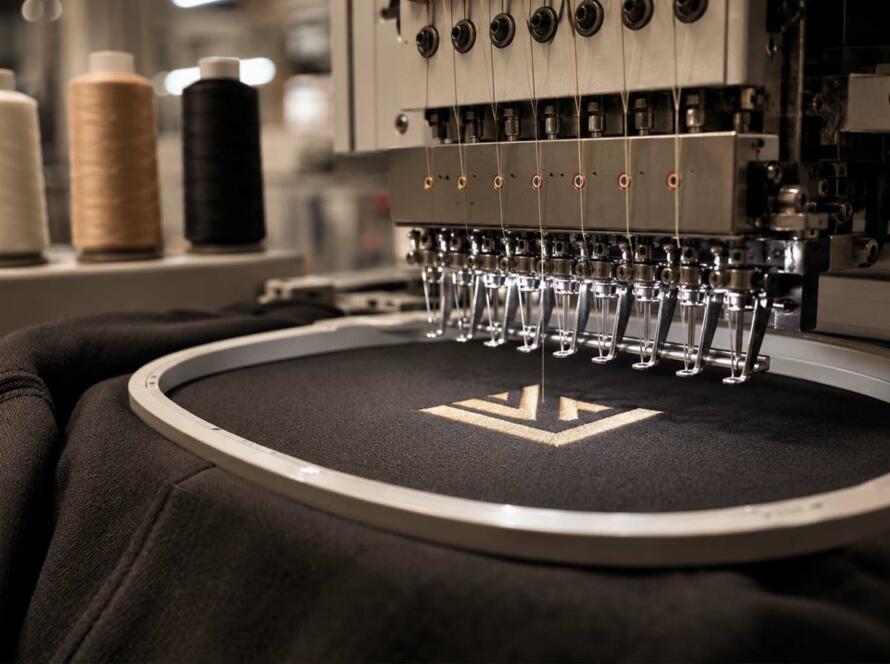


Streetwear looks simple from the outside. A hoodie, a heavyweight T-shirt, an oversized sweatshirt, a washed tracksuit. Yet behind every strong streetwear collection, there is a serious production process: fabric selection, GSM control, pattern engineering, shrinkage testing, print durability, embroidery placement, washing trials, labeling, packaging and final quality inspection.
For fashion brands in the United States and Europe, choosing the right streetwear manufacturer can define the entire identity of a collection. A well-made hoodie feels different before the customer even checks the label. The fabric has weight. The shoulder line sits correctly. The rib holds its shape. The print does not crack after a few washes. The fit stays consistent across sizes and repeat orders.
That is where manufacturing expertise matters.
Istanbul Factory works with fashion brands, streetwear labels, startups and established companies looking for end-to-end clothing production in Istanbul, Turkey. From garment sampling to bulk production, fabric sourcing, print and embroidery, quality control and sustainable textile production, the goal is simple: help brands create streetwear that feels premium, performs well and can scale commercially.
What Does a Streetwear Manufacturer Do?
A streetwear manufacturer produces garments designed for the streetwear market, such as:
- Heavyweight hoodies
- Oversized T-shirts
- Sweatshirts
- Joggers
- Tracksuits
- Zip-up hoodies
- Boxy-fit tees
- Washed garments
- Graphic apparel
- Private label streetwear collections
A professional streetwear manufacturer does more than sew garments. The manufacturer helps transform a brand concept into a production-ready collection. This includes fabric advice, pattern development, sampling, trims, labeling, printing, embroidery, washing, finishing, packing and quality control.
For streetwear brands, this is especially important because the details are highly visible. A basic T-shirt can feel cheap or premium depending on fabric weight, neckline construction, sleeve proportion, shoulder drop, stitching tension and finishing. A hoodie can look ordinary or high-end depending on the hood structure, rib quality, drawcord choice, fleece texture and wash treatment.
Streetwear customers notice these details quickly. Many are highly familiar with fit, fabric and finishing. That makes production quality a direct part of the brand experience.
Why Streetwear Production Requires a Different Approach
Streetwear is not produced like standard promotional clothing. It has its own design language, customer expectations and technical requirements.
A premium streetwear collection often depends on:
- Heavier fabrics
- Relaxed or oversized silhouettes
- Durable prints
- Embroidery with clean backing
- Stable shrinkage performance
- Strong seams
- Washed or vintage effects
- Custom labels and trims
- Consistent sizing across repeat orders
A regular clothing manufacturer may be able to produce T-shirts or hoodies, but streetwear requires a stronger understanding of proportion, weight, finishing and brand identity.
For example, an oversized hoodie is not simply a normal hoodie made two sizes larger. The pattern must be engineered correctly. The shoulder drop, sleeve length, body width, rib length, hood volume and garment length all need to work together. Otherwise, the final product may look bulky, unbalanced or poorly fitted.
The same applies to heavyweight T-shirts. A 240 GSM T-shirt with the wrong neck rib can stretch too quickly. A 280 GSM oversized tee with poor shoulder construction can lose its shape. A printed graphic on the wrong fabric surface may look dull or crack after washing.
This is why fashion brands need a streetwear manufacturer that understands both production and product identity.
Heavyweight Fabrics: The Foundation of Premium Streetwear
Fabric is one of the first decisions that shapes the quality of a streetwear collection. It affects how the garment feels, how it drapes, how it prints, how it washes and how long it lasts.
Common fabric choices for streetwear include:
- Cotton jersey
- French terry
- Brushed fleece
- Loopback cotton
- Cotton-poly blends
- Organic cotton
- Recycled cotton blends
- Compact cotton
- Interlock fabric
- Rib fabric for collars, cuffs and hems
For hoodies and sweatshirts, brands often prefer French terry or fleece. French terry has looped yarns on the inside and usually gives a more structured yet breathable feeling. Brushed fleece feels softer and warmer because the inner surface is brushed. Both can work well, but the choice depends on the brand’s target market, season and desired price point.
For T-shirts, single jersey is common, but the quality can vary significantly. Yarn quality, knitting density, finishing and shrinkage control all influence the final result.
A premium streetwear manufacturer should guide the brand through these decisions instead of simply offering the cheapest available fabric.
Understanding GSM in Streetwear Manufacturing
GSM means grams per square meter. It measures fabric weight. In streetwear production, GSM is one of the most important technical details because it strongly affects the perceived quality of a garment.
Typical GSM ranges may include:
- Lightweight T-shirts: 140–170 GSM
- Standard T-shirts: 180–220 GSM
- Heavyweight T-shirts: 230–300 GSM
- Premium hoodies: 320–450 GSM
- Heavyweight hoodies: 450 GSM and above
These numbers are not strict rules. A 240 GSM T-shirt can feel premium if the fabric is well knitted, properly finished and cut with the right pattern. A 400 GSM hoodie can still feel poor if the fleece quality is weak or the construction is careless.
GSM should always be considered together with:
- Yarn quality
- Fabric composition
- Knitting structure
- Shrinkage behavior
- Hand feel
- Surface smoothness
- Color fastness
- Printing compatibility
For example, a streetwear brand planning bold screen prints may need a smoother fabric surface. A brand focused on minimal luxury basics may care more about drape, softness and long-term shape retention. A vintage-inspired label may prefer fabrics that respond well to garment washing.
At Istanbul Factory, fabric sourcing is part of the production planning process. The aim is to help brands choose fabrics that support the design, price point and positioning of the collection.
Oversized Patterns: Why Fit Engineering Matters
Oversized streetwear is one of the strongest categories in modern fashion, but it is also one of the easiest to get wrong.
A proper oversized fit is designed intentionally. It is not created by randomly increasing measurements. The pattern must consider how the garment sits on the body, how the fabric drapes and how the proportions look across different sizes.
Important fit details include:
- Shoulder drop
- Chest width
- Sleeve length
- Body length
- Armhole depth
- Neckline shape
- Rib length
- Hood size
- Hem position
- Balance between front and back panels
For T-shirts, a boxy fit may need a shorter body, wider chest, dropped shoulder and slightly wider sleeve opening. For hoodies, the pattern may need extra hood volume, a wider body, adjusted sleeve shape and carefully balanced rib tension.
A common mistake is creating an oversized garment that becomes too long. This can make the product look like an incorrect size rather than a designed silhouette. Another mistake is using heavy fabric without adjusting the pattern, which can cause the garment to feel stiff or uncomfortable.
A skilled streetwear manufacturer develops samples, reviews fit and adjusts patterns before bulk production. This stage protects the brand from expensive mistakes later.
Garment Sampling: From Concept to Production-Ready Product
Sampling is where a streetwear idea becomes real. It allows the brand and manufacturer to test fabric, fit, trims, printing, embroidery and finishing before moving into bulk production.
A typical sampling process may include:
- Tech pack review
- Fabric selection
- Pattern development
- First sample production
- Fit review
- Print or embroidery testing
- Wash testing if needed
- Size set sampling
- Final pre-production sample approval
For startups, the sampling stage is especially valuable because many early design decisions can change after seeing the garment physically. A hoodie may need a heavier rib. A T-shirt may need a tighter neckline. An embroidery may need a different backing. A print may need a slightly adjusted placement.
For established labels, sampling helps maintain consistency and reduce risk before large production runs.
At Istanbul Factory, garment sampling is handled as a practical development stage, not just a formality. The goal is to create a sample that reflects the final production standard as closely as possible.
Print Techniques for Streetwear Collections
Graphics are a major part of streetwear identity. A print can define the entire collection, especially for T-shirts, hoodies and sweatshirts.
Common printing methods include:
Screen Printing
Screen printing is widely used for streetwear because it offers strong color, durability and a clean surface when applied correctly. It works especially well for bold graphics, logos and artwork with solid colors.
Digital Printing
Digital printing can be useful for detailed artwork, gradients or smaller runs. It gives brands more flexibility, especially during sample development or limited capsule collections.
Puff Print
Puff print creates a raised effect and is popular in streetwear. It adds texture and visual depth, but it needs careful testing because the final result depends on fabric, ink, heat and curing.
Rubber Print
Rubber print gives a slightly raised, flexible finish. It can work well for logos and graphic elements, especially when a premium tactile feel is required.
Discharge Print
Discharge printing removes dye from the fabric and replaces it with pigment. It can create a softer feel, but it works best with specific fabric types and dye conditions.
The right method depends on the artwork, fabric, budget, production quantity and desired hand feel. A professional streetwear manufacturer should help brands choose the right print method instead of treating all graphics the same way.
Embroidery: Small Detail, Strong Brand Signal
Embroidery plays a major role in premium streetwear. A small chest logo, tonal embroidery, sleeve detail or back embroidery can make a garment feel more refined.
However, embroidery quality depends on several technical details:
- Stitch density
- Thread quality
- Artwork digitizing
- Fabric stability
- Backing material
- Placement accuracy
- Tension control
- Clean trimming
Heavy embroidery on lightweight fabric can pull or distort the garment. Dense embroidery on fleece may need special backing. Small text may become unreadable if the artwork is not digitized properly.
For premium streetwear brands, embroidery should feel intentional. It should support the garment, not overpower it.
Labels, Trims and Branding Details
Streetwear is strongly connected to branding. Even when the design is minimal, the label, neck print, hangtag, drawcord, zipper pull, packaging or woven patch can create a stronger brand experience.
Common branding elements include:
- Woven neck labels
- Size labels
- Care labels
- Hem tags
- Rubber patches
- Leather or vegan leather patches
- Drawcord tips
- Custom zippers
- Branded packaging
- Hangtags
- Inner neck prints
These details matter because they influence how the customer feels when opening, wearing and keeping the garment.
For private label clothing production, labels and trims are also essential for creating a finished product that belongs fully to the brand. Istanbul Factory supports branding and labeling as part of the end-to-end manufacturing process, helping brands move from basic garments to complete retail-ready products.
Washing and Finishing for Streetwear Products
Washing can completely change the character of a garment. Many streetwear brands use washing techniques to create a vintage, worn-in, faded or softer look.
Common treatments include:
- Garment wash
- Enzyme wash
- Stone wash
- Acid wash
- Vintage wash
- Softener wash
- Pigment dye
- Sun-faded effects
These techniques can add strong visual value, but they also introduce technical risk. Washing can affect shrinkage, color consistency, print performance and garment measurements.
For example, a hoodie may shrink after washing if the fabric is not prepared correctly. A print may fade more than expected. A pigment-dyed garment may show variation between pieces. In streetwear, some variation can be part of the aesthetic, but it must be controlled and approved.
This is why wash testing is important before bulk production. A reliable streetwear manufacturer should test the treatment, measure shrinkage and confirm the final look with the brand before scaling.
Fit Consistency Across Sizes and Reorders
One of the biggest challenges in streetwear production is consistency. A customer may buy a hoodie from the first drop and expect the next release to fit the same way. If the second production run feels different, trust can be damaged.
Fit consistency depends on:
- Accurate patterns
- Clear size specs
- Controlled fabric shrinkage
- Stable cutting process
- Proper sewing technique
- Pre-production approval
- Final measurement checks
For growing brands, documentation becomes very important. Every approved product should have clear technical records: fabric code, GSM, measurements, trims, print details, wash process and finishing instructions.
This helps the manufacturer reproduce the product more accurately in future orders.
Istanbul Factory places strong emphasis on quality control and production documentation, especially for brands that plan to scale collections season after season.
Quality Control in Streetwear Manufacturing
Quality control is not a final step only. It should happen throughout the production process.
Important quality checks include:
- Fabric inspection
- Color matching
- GSM verification
- Shrinkage testing
- Pattern and measurement control
- Print placement inspection
- Embroidery quality check
- Seam strength review
- Label and trim control
- Final garment inspection
- Packing control
For streetwear, quality control should pay special attention to visible details. A slightly crooked print, loose neckline, uneven embroidery or poor rib quality can reduce the perceived value of the product.
Fashion brands selling premium hoodies and T-shirts need confidence that the final shipment reflects the approved sample. This is where working with a structured manufacturing partner becomes commercially important.
Sustainable Textile Production in Streetwear
Sustainability has become increasingly important for streetwear brands, especially those selling in Europe and the United States. Customers are asking more questions about materials, production ethics, durability and waste.
Sustainable streetwear production can include:
- Organic cotton options
- Recycled fabric blends
- Better fabric sourcing decisions
- Durable construction
- Responsible production planning
- Waste reduction during cutting
- Efficient sampling
- Higher-quality garments that last longer
Sustainability is not only about using one specific fabric. It is also about producing smarter. A durable hoodie that keeps its shape and stays wearable for years can support a more responsible fashion model than a low-quality product that fails quickly.
Istanbul Factory supports sustainable textile production through fabric consultancy, quality control and production planning. For fashion brands, this can help build stronger collections with better long-term value.
Why Istanbul and Turkey Matter for Streetwear Brands
Turkey has become an important production destination for fashion brands that want quality, flexibility and proximity to European markets. Istanbul, in particular, has a strong textile ecosystem that connects fabric suppliers, garment producers, printing workshops, embroidery services, washing facilities and logistics partners.
For streetwear brands in Europe and the United States, manufacturing in Istanbul can offer several advantages:
- Strong textile manufacturing experience
- Access to diverse fabrics and trims
- Flexible production capabilities
- Shorter lead times compared with distant overseas production
- Easier communication with European markets
- Skilled workmanship
- Strong experience in cotton-based garments
- Strategic location between Europe, Asia and the Middle East
For European brands, Turkey can be especially attractive because of geographic proximity and faster shipping options.
Streetwear often depends on speed. Brands may need to test a capsule, restock a bestselling hoodie or develop a new drop quickly. Working with a manufacturer in Istanbul can make the production process more responsive.
How to Choose the Right Streetwear Manufacturer
Choosing a streetwear manufacturer should not be based only on price. Low production cost can become expensive if the fit is wrong, fabric fails, prints crack or delivery quality is inconsistent.
Before choosing a manufacturer, brands should ask:
- Do they understand oversized fits?
- Can they source heavyweight fabrics?
- Can they produce hoodies, T-shirts and sweatshirts at the required quality level?
- Do they offer sampling before bulk production?
- Can they handle print and embroidery?
- Do they provide quality control?
- Can they support private label branding?
- Can they manage repeat orders consistently?
- Do they understand European and US brand expectations?
- Can they communicate clearly throughout the process?
A strong manufacturer should be able to discuss product details, not only quantities and prices. If the manufacturer cannot explain GSM, shrinkage, pattern adjustments, print methods or quality checks, it may not be the right partner for a premium streetwear brand.
Practical Example: Producing a Premium Oversized Hoodie
Imagine a streetwear brand wants to produce a premium oversized hoodie for a winter collection.
The production process may include:
- Choosing 420 GSM brushed fleece
- Developing a relaxed oversized pattern
- Adjusting shoulder drop and sleeve volume
- Testing rib quality for cuffs and hem
- Creating a double-layer hood
- Adding a tonal chest embroidery
- Using a woven neck label and custom care label
- Testing shrinkage after wash
- Producing a size set
- Approving a final pre-production sample
- Running quality checks during bulk production
Each decision changes the final product. A heavier fabric gives structure. A better rib improves longevity. A correct hood pattern creates a premium silhouette. A clean embroidery adds brand value. Wash testing protects the fit.
This is the difference between producing a basic hoodie and developing a streetwear product that can represent a serious fashion brand.
Practical Example: Producing Heavyweight Oversized T-Shirts
For an oversized T-shirt collection, the process may look different.
A brand may choose:
- 240–280 GSM cotton jersey
- A boxy pattern with dropped shoulders
- A slightly higher neckline
- Strong neck rib to prevent stretching
- Screen print or puff print artwork
- Garment wash for a softer hand feel
- Inside neck print or woven label
- Final measurement checks after finishing
The challenge is balance. If the fabric is too heavy and the pattern too long, the T-shirt can feel awkward. Or If the neckline is weak, the garment loses shape. And if the print is not tested properly, the artwork may not match the premium positioning of the brand.
A good streetwear manufacturer helps the brand refine these details before production begins.
Why Work With Istanbul Factory?
Istanbul Factory is a textile and clothing manufacturing partner based in Istanbul, Turkey. The company supports fashion brands, streetwear labels, startups and established companies with end-to-end production services.
For streetwear brands, Istanbul Factory can support:
- Clothing manufacturing
- Private label production
- Custom clothing manufacturing
- Fabric sourcing
- Heavyweight hoodies and T-shirts
- Oversized pattern development
- Print and embroidery
- Garment sampling
- Quality control
- Branding and labeling
- Sustainable textile production
- Bulk production planning
The focus is on helping brands build collections that feel premium, consistent and commercially ready. Whether you are developing your first capsule collection or scaling an existing streetwear line, the right manufacturing partner can make the process more structured and reliable.
Streetwear is built on details. Fabric weight, fit, graphics, labels, finishing and quality control all shape how customers experience the brand. Istanbul Factory brings these elements together through a practical production process designed for modern fashion companies.
Build Your Streetwear Collection With Istanbul Factory
If your brand is planning to produce premium hoodies, oversized T-shirts, sweatshirts or a complete streetwear collection, Istanbul Factory can help you move from concept to production.
From fabric sourcing and sampling to print, embroidery, labeling and quality control, our team supports fashion brands looking for a reliable streetwear manufacturer in Istanbul.
Start your streetwear production journey with Istanbul Factory and create garments that reflect the quality, fit and identity of your brand.
FAQ
What is a streetwear manufacturer?
A streetwear manufacturer is a clothing production partner that specializes in garments such as hoodies, T-shirts, sweatshirts, joggers, tracksuits and oversized fits. A professional streetwear manufacturer supports fabric sourcing, pattern development, sampling, printing, embroidery, labeling and quality control.
What GSM is best for premium streetwear T-shirts?
Premium streetwear T-shirts often use fabrics between 230 and 300 GSM. However, GSM alone does not define quality. Yarn quality, fabric structure, shrinkage control, neckline construction and finishing are also important.
What GSM is best for streetwear hoodies?
Many premium hoodies use fabrics between 320 and 450 GSM. Heavyweight hoodies may go above 450 GSM. The best choice depends on the season, target price, fabric composition, fit and desired hand feel.
Can Istanbul Factory produce oversized streetwear fits?
Yes. Istanbul Factory supports oversized pattern development for hoodies, T-shirts, sweatshirts and other streetwear products. The process includes sampling, fit review, size specifications and quality control before bulk production.
Why is sampling important in streetwear production?
Sampling allows brands to test fabric, fit, printing, embroidery, washing, labels and construction before placing a bulk order. It reduces production risk and helps the final garment match the brand’s expectations.
What printing methods are used for streetwear?
Common streetwear printing methods include screen printing, digital printing, puff print, rubber print and discharge print. The right method depends on the artwork, fabric, quantity, budget and desired finish.
Does Istanbul Factory offer private label streetwear production?
Yes. Istanbul Factory supports private label clothing production, including custom labels, care labels, hangtags, branding details, packaging, garment sampling and bulk production for streetwear brands.
Why should European and US brands manufacture streetwear in Turkey?
Turkey offers strong textile expertise, flexible production options, access to quality fabrics, skilled workmanship and shorter lead times compared with many distant production locations. Istanbul is especially valuable because of its strong textile ecosystem and strategic location.