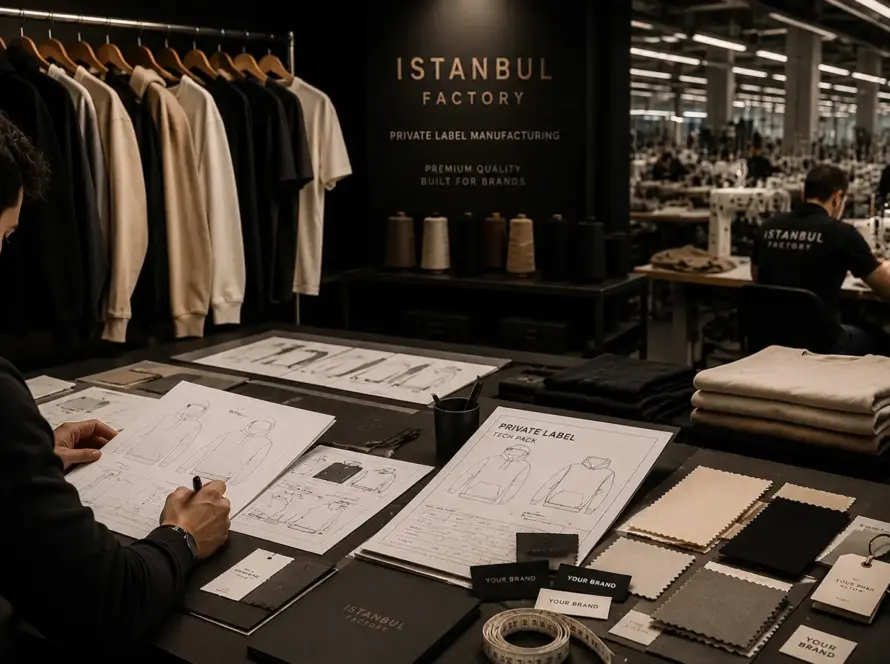


Embroidery gives clothing texture, permanence, and a sense of craftsmanship. A carefully stitched logo can make a hoodie, polo, cap, jacket, or premium T-shirt feel more valuable before the customer even checks the label.
Professional embroidery involves more than choosing a thread color and sending a logo file to a factory. The result depends on digitization, fabric stability, backing, stitch density, placement, and testing on the actual garment.
This guide explains the main techniques and what brands should approve before bulk production.
What Are Embroidery Services for Clothing?
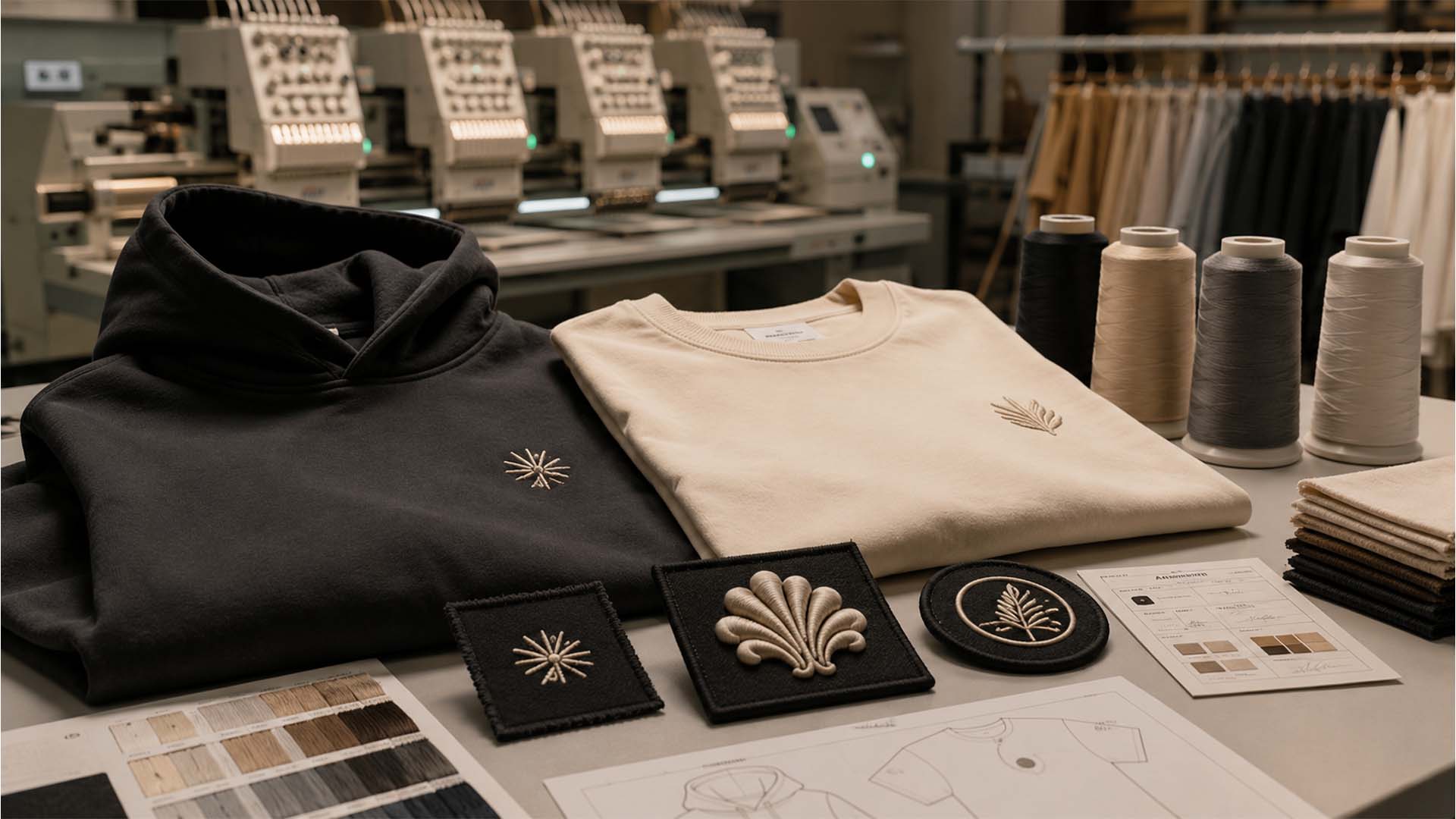
Embroidery services for clothing use computerized machines to stitch logos, lettering, patches, or decorative artwork directly onto garments or fabric panels.
The process includes artwork review, digitization, thread and stabilizer selection, testing, placement approval, bulk stitching, and quality control.
Unlike printing, embroidery creates a raised surface that feels tactile, durable, and integrated into the garment.
Common applications include chest logos, sleeve marks, back-neck branding, cap embroidery, monograms, varsity graphics, patches, and large back designs.
Why Embroidery Makes Garments Feel More Premium
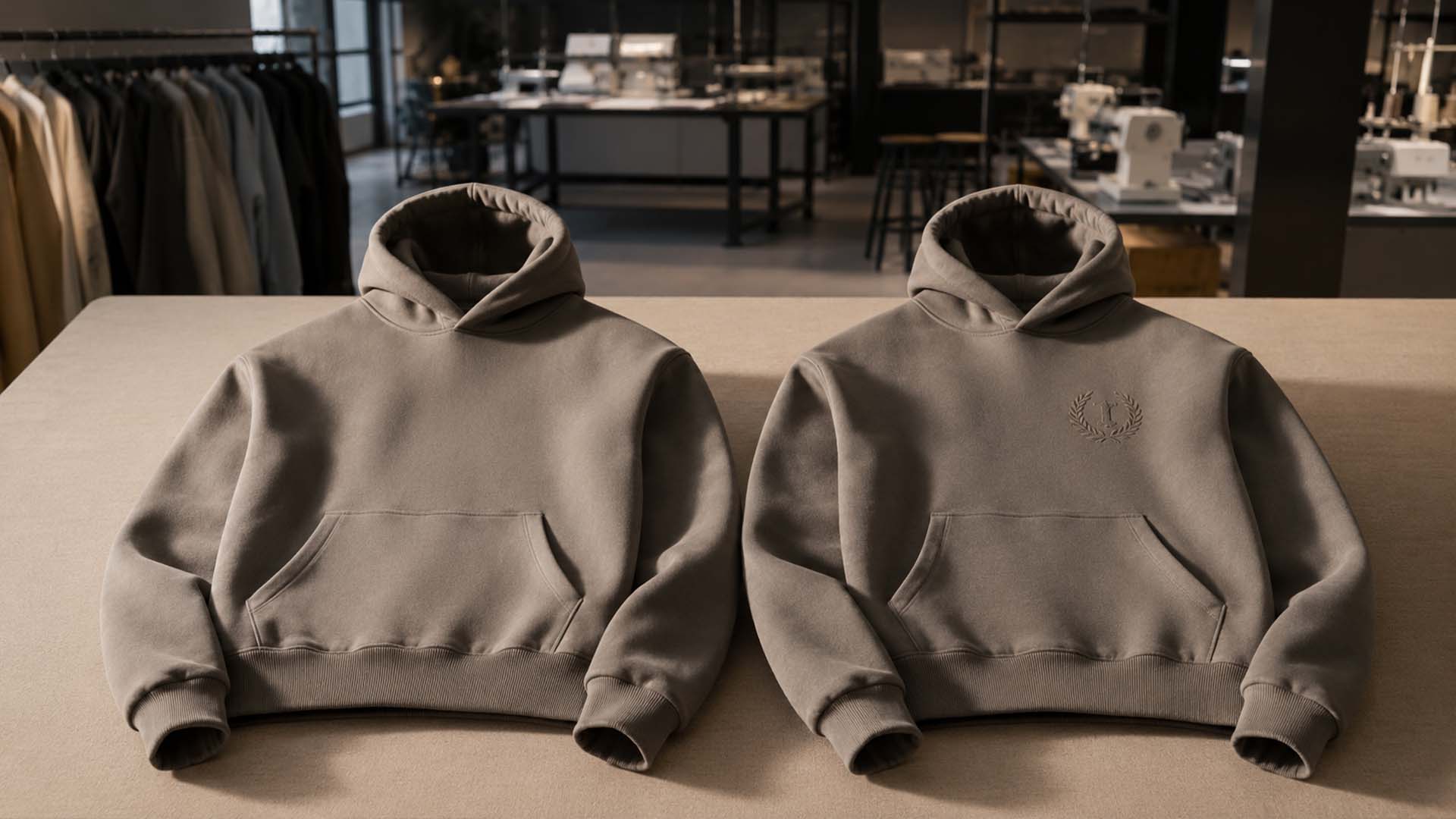
Embroidery adds depth that customers can see and feel. It often creates a stronger impression of craftsmanship than a flat surface graphic and can retain its character through repeated wear when properly developed.
The strongest result is not always the largest. A small tonal logo on a dense cotton sweatshirt can feel more refined than a heavily filled graphic. Good embroidery complements the fabric, silhouette, and intended retail position.
For fashion brands, it can raise perceived value, create signature details, and build consistency across garments and accessories.
Main Types of Garment Embroidery
Logo Embroidery
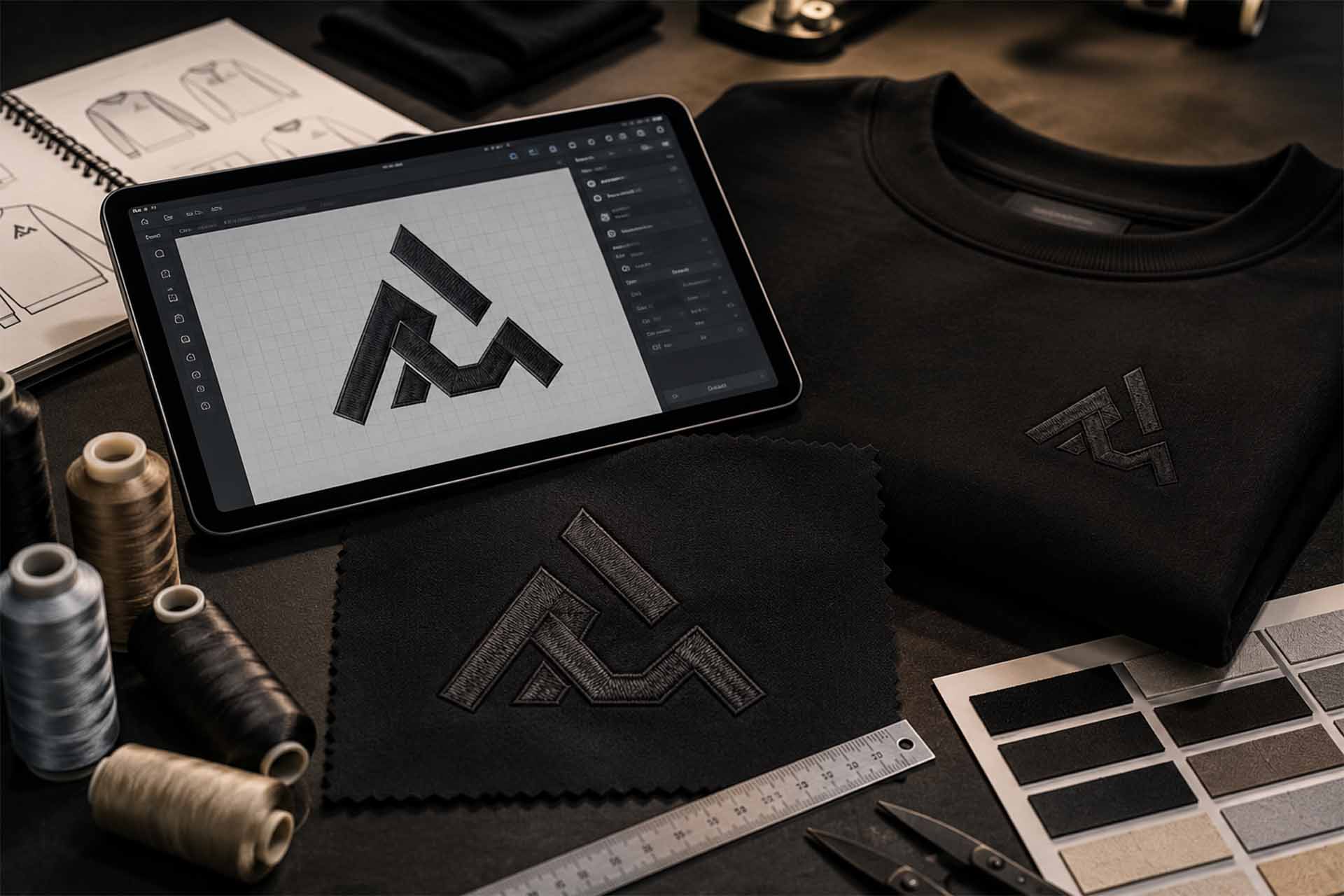
Logo embroidery is used for wordmarks, symbols, initials, and simplified illustrations. Before production, the artwork is converted into a stitch file through digitization.
A technician defines stitch direction, sequence, underlay, density, thread changes, and pull compensation. These decisions determine whether the logo looks clean or distorted.
Thin lines, tiny text, gradients, and narrow gaps may need simplification. Artwork that looks sharp on a screen may lose clarity when reduced to a small chest logo.
Patch Embroidery
Embroidered patches are produced separately and attached by stitching, heat application, or both. They suit varsity garments, denim, bomber jackets, overshirts, caps, and bags.
Options include fully embroidered, woven, chenille, felt-base, appliqué, and merrow-edge patches.
Patch weight must suit the garment. A thick badge can distort lightweight jersey, while an unsecured edge may lift after washing.
3D Puff Embroidery
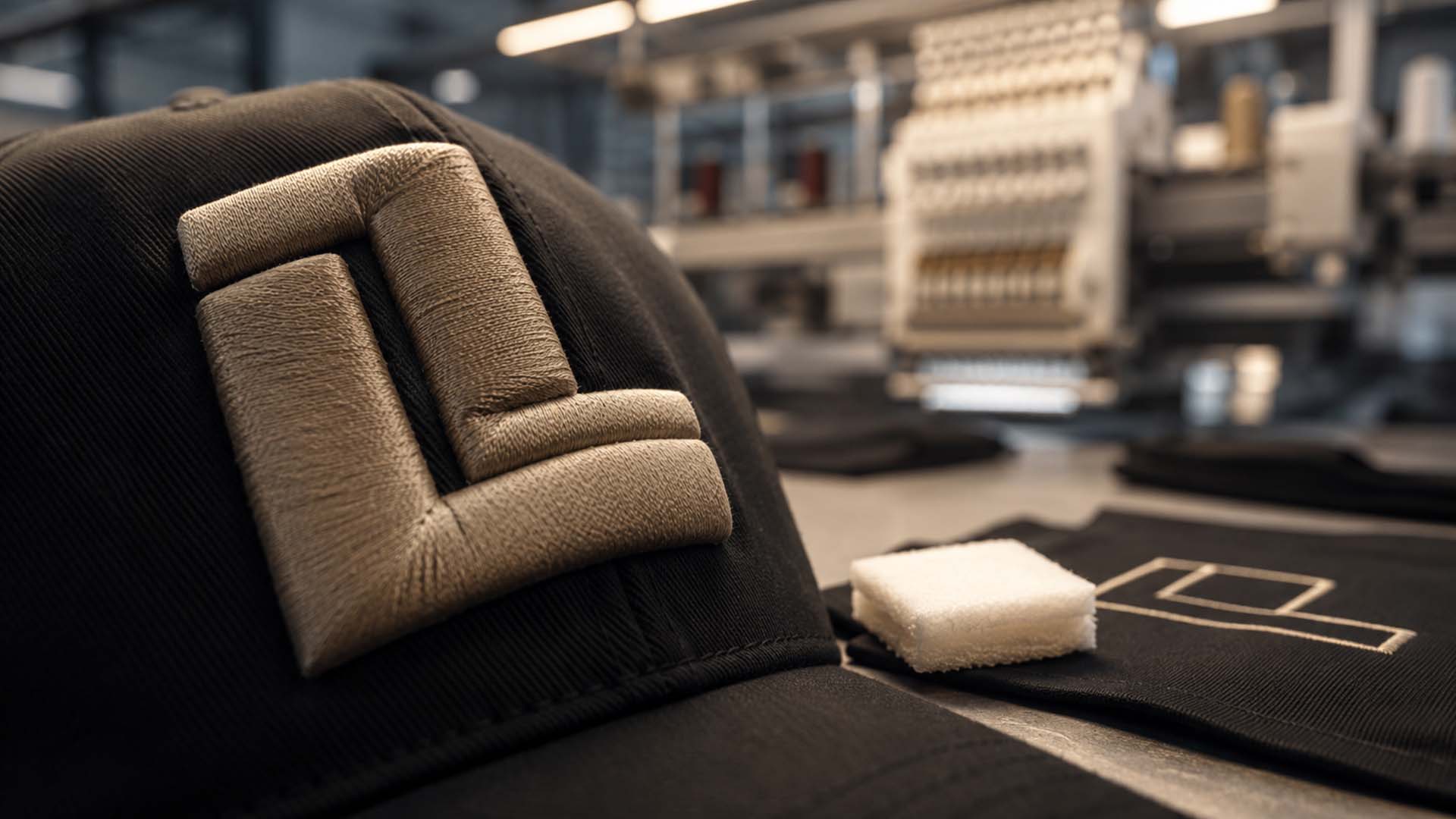
3D puff embroidery creates a raised logo by stitching over foam. It is popular for caps, hoodies, sweatshirts, and bold streetwear branding.
It works best with thick lettering, broad shapes, simple artwork, and closed borders. Fine details are usually unsuitable because the stitches must fully cover and seal the foam.
Poor execution can leave visible foam, broken edges, uneven height, or distorted lettering, making sampling essential.
Flat and Appliqué Embroidery
Flat embroidery sits closer to the garment and suits small logos, lettering, multi-color artwork, and finer branding.
Appliqué uses cut fabric pieces secured with embroidery stitches. It can reduce stitch weight in large graphics and create a collegiate or layered appearance. It can also be combined with printing, twill, felt, or chenille.
Thread Selection: More Than Choosing a Color
Thread affects shine, texture, durability, and the way a logo interacts with the fabric.
Polyester is widely used for its abrasion resistance, color consistency, and reliable performance. Rayon offers a smoother, brighter sheen. Matte thread creates a quieter finish, while metallic, reflective, wool-look, recycled, and other specialty threads support specific design effects.
Brands should approve thread from a physical color card whenever possible because screen colors can be misleading.
Approval should confirm the color reference, finish, contrast, visibility, and wash compatibility. A tonal black logo may need a slightly different shade or finish to remain visible on black fleece.
Placement and Scale
A logo may look balanced on a digital mockup but sit too high, too low, or too close to a seam when worn.
Common positions include the chest, sleeve, cuff, back neck, upper back, hem, pocket, trouser thigh, and cap panels.
A production-ready tech pack should state:
- Embroidery width and height
- Distance from fixed garment points
- Design orientation
- Placement tolerance
- Whether stitching happens before or after assembly
“Left chest” is not precise enough for consistent bulk embroidery services. Measurements should reference points such as the high point shoulder, center front, armhole seam, pocket edge, or cuff.
Designs close to zippers, thick seams, pockets, or lining may need to be embroidered on a cut panel before garment assembly.
Stitch Density, Backing, and Fabric Stability
Higher stitch density does not automatically mean higher quality. Excessive density can make embroidery stiff, heavy, or puckered. Low density can allow the base fabric to show through.
The correct setting depends on fabric weight, stretch, thread thickness, artwork size, backing, and stitch type. Heavyweight fleece can support more substantial embroidery than lightweight jersey, while stretch fabrics require careful stabilization.
Backing supports the material during stitching. Cut-away, tear-away, wash-away, or specialty stabilizers may be used depending on the garment. Textured surfaces such as fleece or piqué may also require a topping film so stitches do not sink into the fabric.
Hooping must secure the garment without overstretching it. Fabric pulled too tightly can contract after release and create puckering around the logo.
Embroidery by Garment Type
Hoodies and Sweatshirts
Heavyweight hoodies and sweatshirts are well suited to embroidery. Chest, sleeve, hood, and upper-back placements are common, although large dense graphics should be checked for stiffness and comfort.
T-Shirts
Custom embroidery clothing on lightweight T-shirts usually works best with small, controlled designs. A compact chest logo or sleeve mark is safer than a large filled graphic that may pull the jersey.
Caps
Cap embroidery requires specialized frames and digitization. Structured and unstructured caps behave differently, and 3D puff designs should be developed for the cap’s curve and construction.
Jackets and Overshirts
Denim, twill, bomber jackets, and workwear overshirts can support larger logos, patches, and appliqué. Lining, insulation, pockets, and seams must be considered before production.
Sampling Before Bulk Production
A digital mockup cannot show thread texture, stiffness, puckering, or true color. Brands should approve a physical test before manufacturing.
A reliable sequence is:
- Submit vector artwork, dimensions, and placement.
- Review embroidery feasibility.
- Create the digitized stitch file.
- Produce a strike-off on the intended fabric.
- Check color, clarity, density, dimensions, and reverse finish.
- Apply the design to a garment sample.
- Approve placement and appearance.
- Lock the settings for bulk production.
The approved sample should remain available so quality control teams can compare bulk garments for color, size, placement, and finishing.
Common Embroidery Defects
Production teams should inspect for:
- Puckering around the artwork
- Loose or broken stitches
- Gaps between color areas
- Misaligned outlines
- Distorted small text
- Visible base fabric
- Inconsistent placement
- Untrimmed threads
- Visible backing
- Exposed foam in 3D puff designs
Most issues can be reduced through experienced digitization, realistic artwork limits, correct stabilization, and testing on the production fabric.
How Embroidery Pricing Is Calculated
Embroidery cost is influenced by stitch count, design size, thread colors, quantity, garment type, placement difficulty, backing, and special techniques.
A small logo can cost more than a larger one if it contains dense fills, many color changes, or complex detail. Separate charges may apply for digitization, sampling, patches, specialty threads, 3D foam, difficult garment handling, or manual trimming.
For accurate pricing, brands should provide:
- Vector artwork
- Final embroidery dimensions
- Garment and fabric details
- Placement
- Color requirements
- Order quantity
- Reference images
This information allows the manufacturer to evaluate actual production time rather than estimate from a logo image alone.
Why Istanbul Is a Strong Location for Embroidered Clothing Production
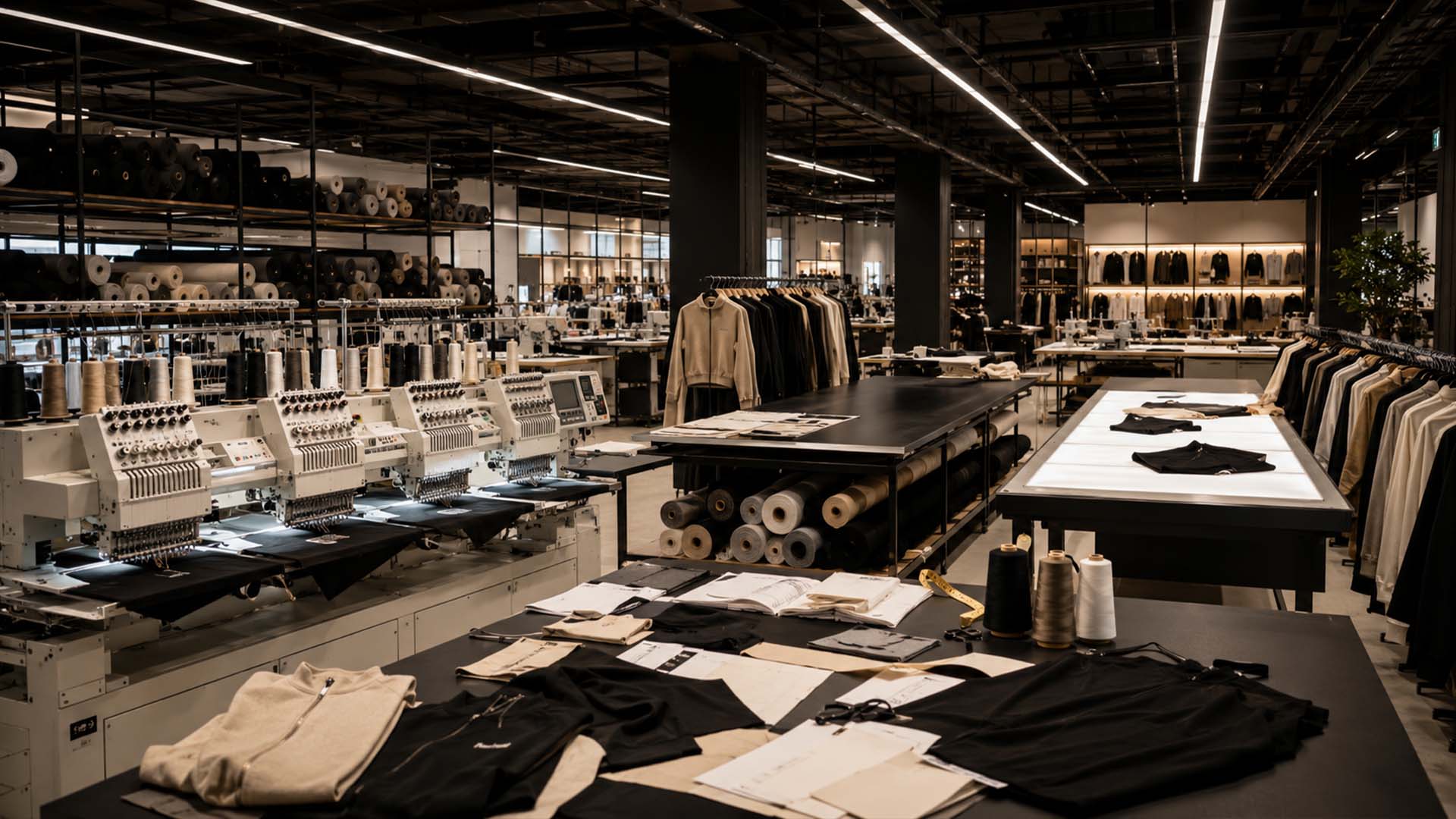
Istanbul has an established apparel ecosystem connecting fabric sourcing, garment manufacturing, embroidery, printing, labels, finishing, and packaging.
For European and US brands, this integration can simplify development. Embroidery can be tested on the selected fabric, reviewed during sampling, adjusted before bulk production, and inspected as part of the finished garment.
Turkey is particularly relevant for streetwear, premium casualwear, private label, and custom fashion products where decoration must align with the garment.
Custom Design & Sourcing with Istanbul Factory
Istanbul Factory supports brands that need embroidery within a complete manufacturing program rather than as an isolated decoration service.
Our Custom Design & Sourcing workflow can include logo, patch, appliqué, and 3D puff development; thread selection; strike-offs; fabric sourcing; garment sampling; custom clothing manufacturing; private label finishing; bulk embroidery services; quality control; and packaging preparation.
This integrated approach helps prevent a common problem: approving an embroidery design separately, then discovering that its weight, size, or texture does not suit the finished garment.
Develop Your Embroidered Collection with Istanbul Factory
Premium embroidery starts with the right technical decisions before bulk production. The artwork must be suitable for stitching, the thread must complement the fabric, and placement must be measured on the actual garment.
Istanbul Factory works with fashion brands, streetwear labels, startups, and established companies developing custom embroidered clothing in Istanbul. From sourcing and sampling to embroidery, garment manufacturing, private label finishing, and quality control, the project can be coordinated within one production workflow.
Share your artwork, product concept, target quantity, and preferred placement with our team to evaluate the most suitable embroidery method for your collection.
Frequently Asked Questions
What file format is best for clothing embroidery?
Vector files such as AI, EPS, SVG, or editable PDF are preferred for artwork review. The design is then digitized into a machine-specific embroidery file.
Is embroidery suitable for lightweight T-shirts?
Yes, but the design should usually be small and carefully stabilized. Dense or oversized embroidery can cause stiffness and puckering on thin jersey.
What is the difference between flat and 3D puff embroidery?
Flat embroidery sits close to the garment surface. 3D puff embroidery is stitched over foam to create a raised effect and works best with thick, simple shapes.
Can the same embroidered patch be used on different garments?
Often, yes. The patch weight, size, edge finish, and attachment method must still be compatible with each garment fabric.
How is bulk embroidery pricing calculated?
Pricing depends on stitch count, size, colors, quantity, garment construction, placement difficulty, backing, and special materials such as foam or metallic thread.
Should a brand approve a sample before bulk production?
Yes. A physical strike-off and garment sample allow the brand to review thread color, texture, density, dimensions, placement, and fabric behavior before production.