


Sustainable textiles are no longer a niche topic for fashion brands. They are becoming part of how modern brands design collections, communicate value, manage risk, and build long-term customer trust.
For fashion brands in Europe and the United States, sustainability is not only about choosing a “green” fabric. It is about understanding material performance, sourcing transparency, certification, durability, cost, lead time, and how the final garment will actually be used by the customer.
A premium hoodie made from organic cotton may sound responsible, but if the fabric shrinks badly, loses shape, or creates high waste during production, the sustainability story becomes weaker. A recycled polyester jacket may reduce dependence on virgin fossil-based fibers, but the brand still needs to think about microfibers, recyclability, and accurate product claims.
This guide explains the main sustainable textile options available to fashion brands, including organic cotton, recycled polyester, recycled cotton, hemp, linen, lyocell, and blended fabrics. It also shares practical sourcing insights from a manufacturing perspective, so brands can make better fabric decisions before sampling and bulk production.
At Istanbul Factory, we work with fashion brands, streetwear labels, startups, and established companies that want to build collections with better material choices, reliable production standards, and professional quality control in Istanbul, Turkey.
What Are Sustainable Textiles?
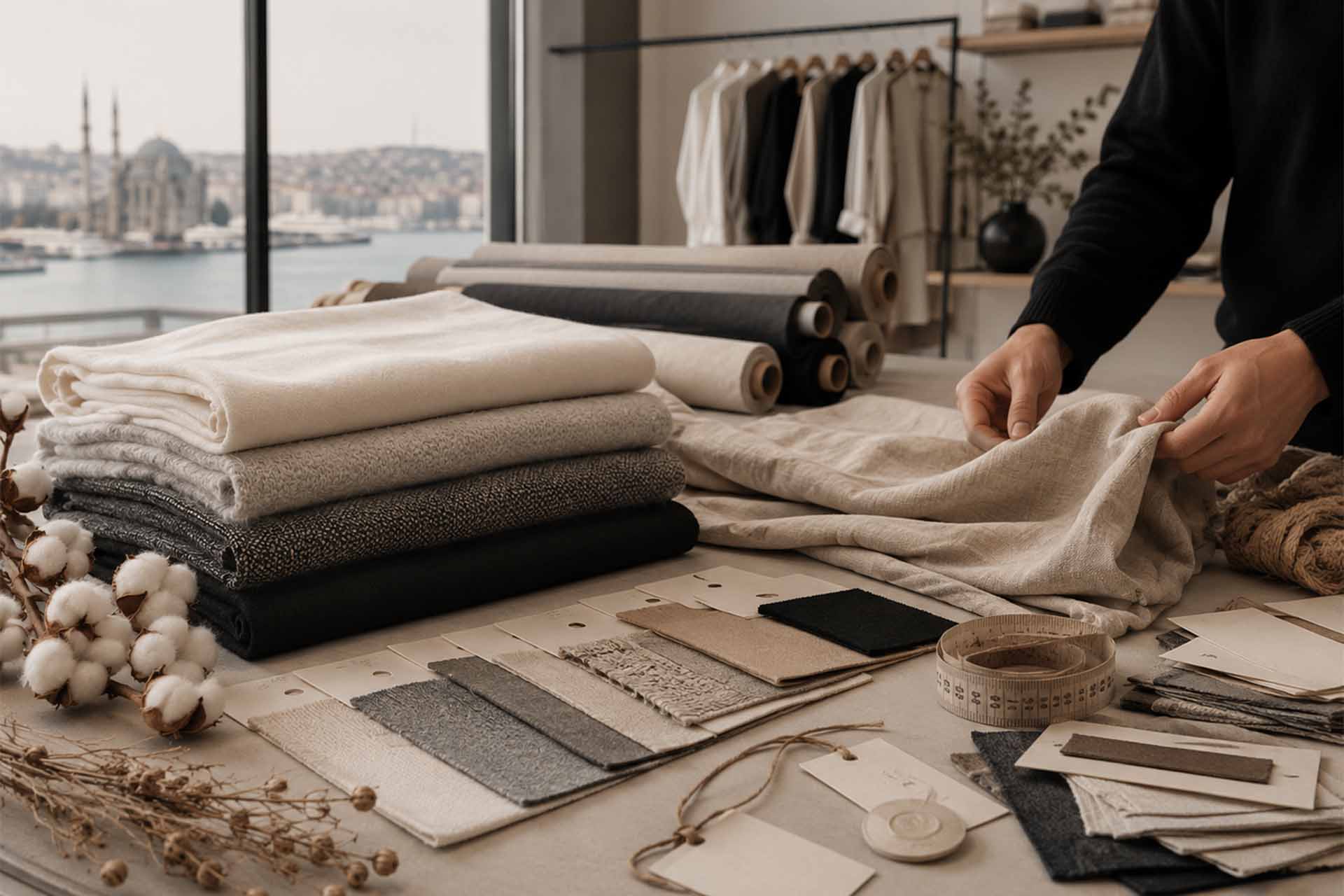
Sustainable textiles are fabrics and fibers selected to reduce environmental impact, improve responsible sourcing, support safer production, or extend garment life.
A textile can be considered more sustainable when it improves one or more of the following areas:
- Lower environmental impact during fiber production
- Reduced use of virgin resources
- Safer chemical management
- Better durability and longer product life
- Traceable sourcing
- Certified organic or recycled content
- Lower waste during production
- Responsible working conditions across the supply chain
For fashion brands, the key point is simple: sustainable textiles should match both the brand’s values and the garment’s real performance requirements.
A sustainable T-shirt fabric is different from a sustainable activewear fabric. A premium sweatshirt needs different fiber behavior than a summer linen shirt. The best material choice depends on the product, customer expectations, price position, and production plan.
Why Sustainable Textiles Matter for Fashion Brands
Sustainable material choices influence much more than the label on a product page. They affect design, fit, pricing, marketing claims, production consistency, and customer satisfaction.

Sustainability Is Becoming a Business Requirement
European and US consumers are more aware of textile waste, overproduction, chemicals, and material origin. Retailers, marketplaces, and wholesale buyers are also becoming more careful about sustainability claims.
For B2B fashion brands, this means vague statements such as “eco-friendly fabric” or “green collection” are no longer enough. Brands need clearer information:
- What is the fiber composition?
- Is the content certified?
- Is the supplier traceable?
- What certification supports the claim?
- How durable is the garment?
- Is the care label realistic for the customer?
- Can the claim be documented?
A strong sustainability strategy starts with material knowledge, not marketing language.
Material Choice Affects Garment Quality
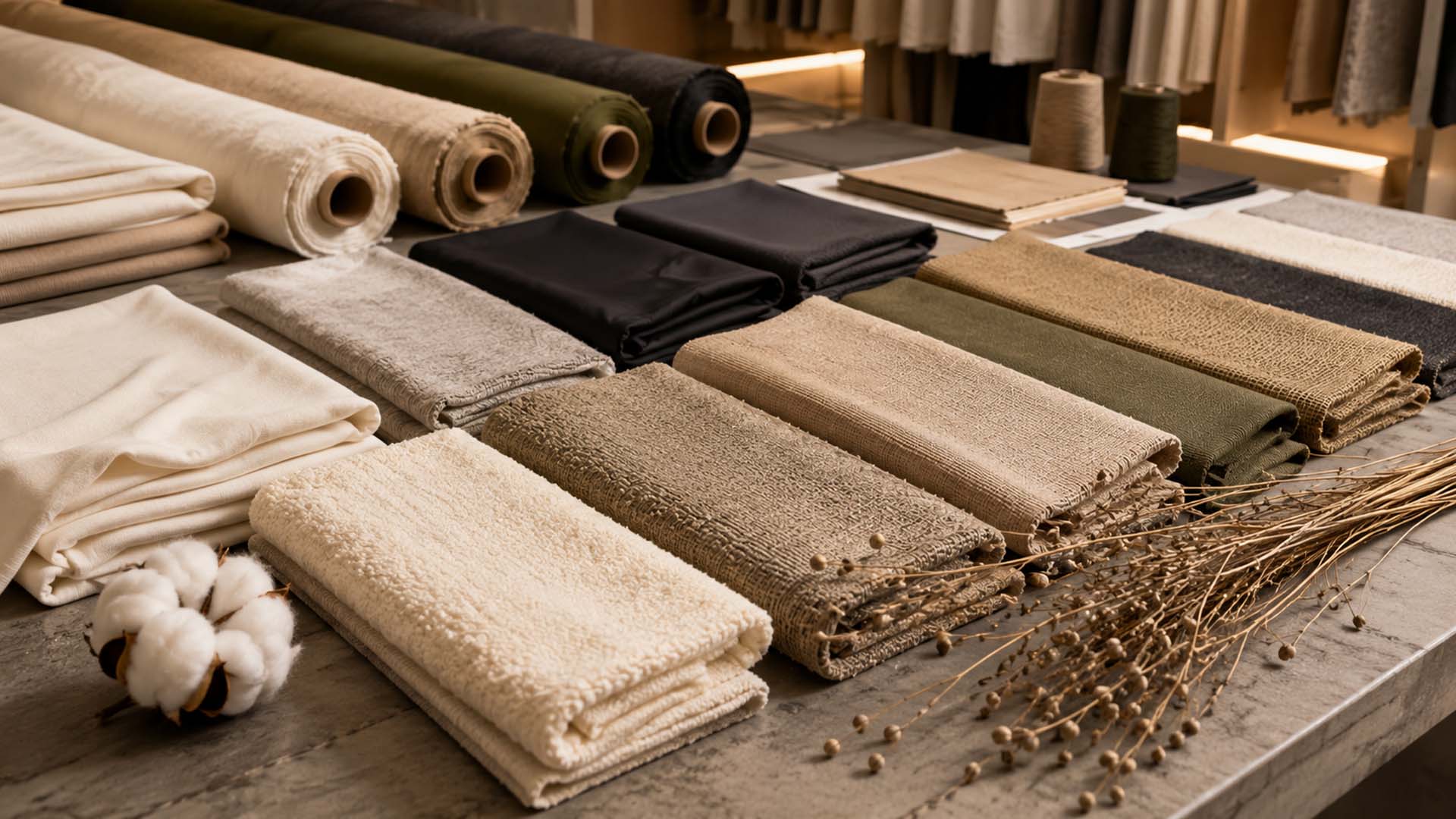
A fabric can be sustainable on paper but unsuitable for the product. For example:
- Recycled cotton may have shorter fibers and need blending for strength.
- Linen is breathable and natural but wrinkles easily.
- Hemp is durable but can feel firm unless properly processed or blended.
- Lyocell has a soft drape, but it may not work for every streetwear silhouette.
- Recycled polyester is useful for performance garments, but it needs careful communication.
This is why fabric sourcing, sampling, wash testing, and quality control are essential steps.
Organic Cotton
Organic cotton is one of the most recognized sustainable textiles in fashion. It is grown without genetically modified seeds and without the use of synthetic pesticides and fertilizers allowed in conventional cotton systems.
For brands, organic cotton is especially relevant for: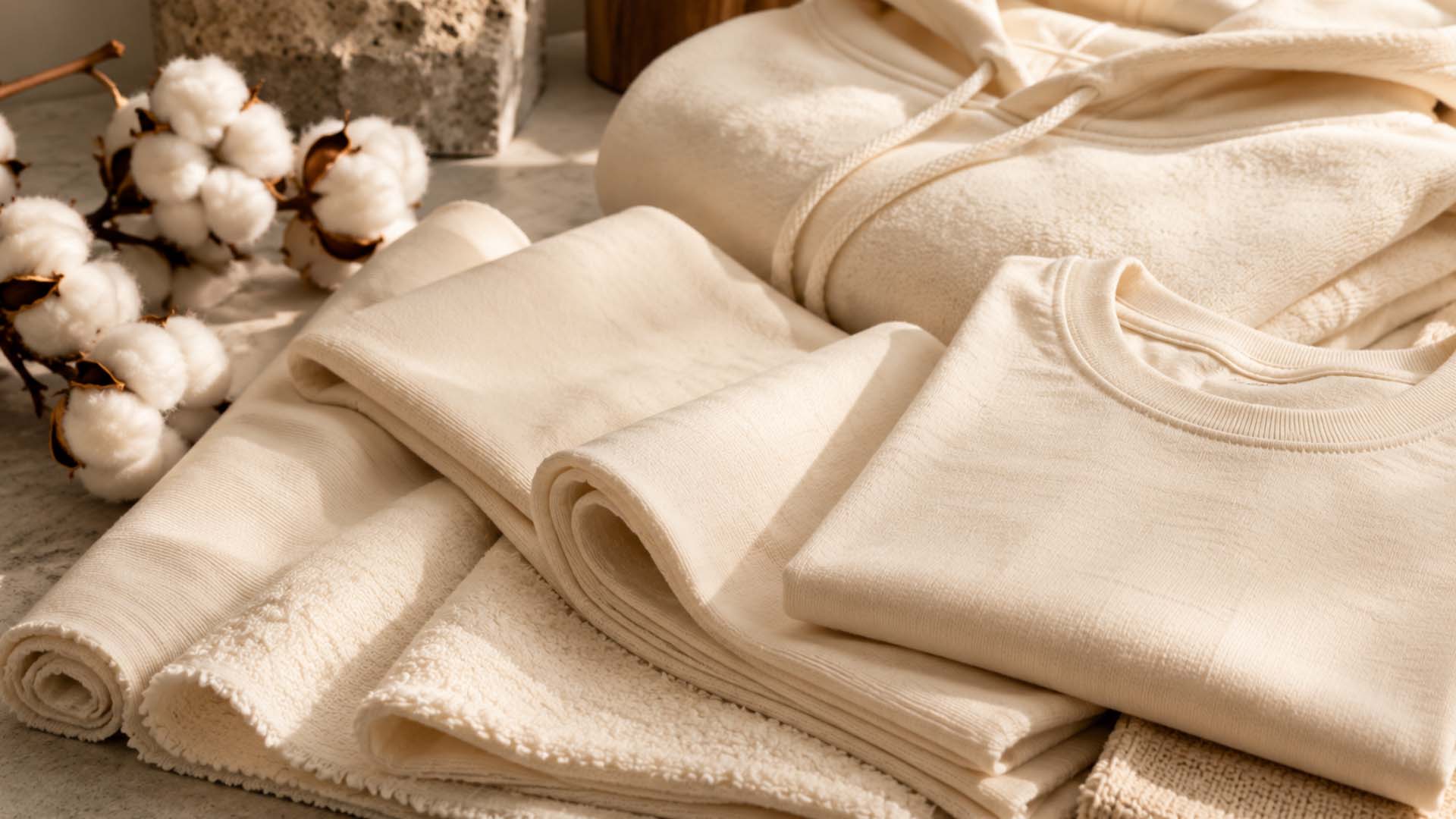
- T-shirts
- Sweatshirts
- Hoodies
- Sweatpants
- Babywear
- Underwear
- Jersey basics
- Premium casualwear
Benefits of Organic Cotton
Organic cotton offers a natural feel, strong consumer recognition, and broad use across casual and premium fashion. It is especially attractive for brands that want a cleaner, more transparent cotton story.
Key benefits include:
- Soft hand feel
- Familiar customer understanding
- Strong use in jersey and fleece fabrics
- Suitable for premium basics
- Works well with embroidery, screen printing, and garment dyeing
- Available with recognized certifications
Practical Considerations
Organic cotton is usually more expensive than conventional cotton. Availability can also vary depending on yarn count, GSM, color, fabric structure, and certification requirements.
Brands should not select organic cotton only because it sounds better. They should check:
- Fabric weight
- Shrinkage behavior
- Pilling performance
- Dye consistency
- Certification documents
- Minimum order quantity
- Lead time
- Print and embroidery compatibility
For example, a 240 GSM organic cotton single jersey may work well for premium T-shirts, while a 420 GSM organic cotton fleece can be suitable for heavyweight hoodies. But both fabrics need testing before bulk production.
Recycled Polyester
Recycled polyester is commonly made from recycled plastic bottles or other polyester waste streams. It is often used as an alternative to virgin polyester in sportswear, outerwear, linings, fleece, swimwear, bags, and performance garments.
Where Recycled Polyester Works Well
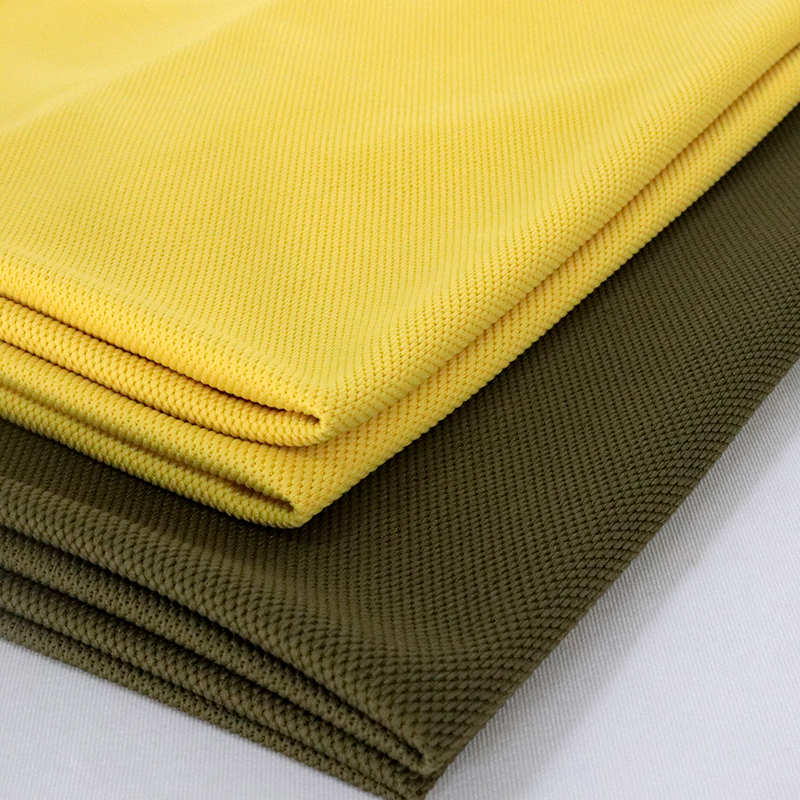
Recycled polyester can be useful for:
- Activewear
- Windbreakers
- Jackets
- Performance tops
- Fleece garments
- Sports uniforms
- Bags and accessories
- Swimwear blends
It keeps many of the performance advantages of polyester, such as durability, quick drying, wrinkle resistance, and shape retention.
Benefits of Recycled Polyester
For fashion brands, recycled polyester can reduce dependence on virgin fossil-based polyester and support recycled content claims when properly certified.
Main advantages include:
- Strong durability
- Good color performance
- Lightweight options
- Suitable for technical fabrics
- Useful for moisture-management garments
- Available with recycled content certifications
Practical Considerations
Recycled polyester is not automatically circular. Many recycled polyester fabrics are still difficult to recycle again after garment use, especially when blended with other fibers or finished with complex trims.
Brands should also be careful with communication. A recycled polyester garment should not be described with vague claims unless there is documentation to support the recycled content.
Useful questions to ask include:
- Is the recycled content pre-consumer or post-consumer?
- Is the fabric certified?
- What percentage of the fabric is recycled polyester?
- Is it blended with elastane, cotton, or other fibers?
- Is the fabric suitable for the garment’s end use?
- Can the claim be proven through supplier documents?
Recycled polyester can be a practical sustainable textile option, but it should be used with clear product logic.
Recycled Cotton
Recycled cotton is produced from cotton waste, which may come from pre-consumer textile waste such as cutting scraps or post-consumer garments. It helps reduce textile waste and can lower the need for virgin cotton input.
Where Recycled Cotton Works Well
Recycled cotton can be suitable for:
- T-shirts
- Sweatshirts
- Hoodies
- Tote bags
- Casualwear
- Jersey blends
- Fleece blends
- Denim-inspired fabrics
It is often blended with virgin cotton, recycled polyester, or other fibers to improve strength and consistency.
Benefits of Recycled Cotton
Recycled cotton supports waste reduction and gives brands a more circular material story. It can also create interesting textures, especially in casual and streetwear products.
Benefits include:
- Reduced use of virgin cotton
- Textile waste reduction
- Soft, natural hand feel
- Good fit for casual collections
- Strong storytelling potential
Practical Considerations
Cotton fibers become shorter during recycling. This can affect yarn strength, fabric durability, and surface quality. For this reason, recycled cotton is often blended rather than used alone.
Before using recycled cotton, brands should test:
- Fabric strength
- Pilling
- Color consistency
- Shrinkage
- Print performance
- Hand feel after washing
For streetwear brands, recycled cotton blends can work well in hoodies and sweatshirts when the fabric is properly developed. The goal should be a garment that feels premium, not a fabric chosen only for its sustainability claim.
Hemp
Hemp is one of the oldest textile fibers and has gained renewed attention from sustainable fashion brands. It is a strong natural fiber known for durability, breathability, and a textured appearance.
Where Hemp Works Well
Hemp can be used for:
- Shirts
- Overshirts
- Lightweight jackets
- Trousers
- Summer collections
- Utility-inspired garments
- Natural casualwear
- Blended jersey fabrics
Hemp is often blended with organic cotton, recycled cotton, or linen to improve softness and wearability.
Benefits of Hemp
Hemp is valued because it is strong, breathable, and naturally textured. It can give garments a premium, earthy look that works well for brands focused on natural materials.
Key benefits include:
- High durability
- Breathable structure
- Natural texture
- Good for warm-weather garments
- Strong visual identity
- Suitable for premium natural collections
Practical Considerations
Hemp can feel firm or rough if the fabric is not properly processed. It may also wrinkle and behave differently from cotton during sewing and washing.
Brands should check:
- Softness
- Fabric stability
- Drape
- Shrinkage
- Color absorption
- Compatibility with the garment silhouette
A hemp-cotton blend can be a good starting point for brands that want the sustainability story of hemp with the comfort of cotton.
Linen
Linen is made from flax and is known for its breathability, natural texture, and premium summer appeal. It is widely used in European fashion, resortwear, shirts, trousers, dresses, and relaxed tailoring.
Where Linen Works Well
Linen is suitable for:
- Shirts
- Dresses
- Trousers
- Shorts
- Resortwear
- Summer jackets
- Premium casualwear
- Relaxed tailoring
Benefits of Linen
Linen has a clear visual identity. Customers understand it as a breathable, natural, warm-weather fabric. It also gives garments a refined texture that works well for premium brands.
Main benefits include:
- Excellent breathability
- Natural luxury feel
- Strong summer positioning
- Long-lasting when properly constructed
- Distinctive texture
- Good for European lifestyle collections
Practical Considerations
Linen wrinkles easily. For some brands, this is part of its charm. For others, it may create customer complaints if expectations are not managed.
Brands should consider:
- Linen weight
- Transparency
- Softening finish
- Shrinkage
- Seam strength
- Care instructions
- Blending with cotton or viscose for smoother drape
Linen is a strong sustainable textile option when the design language matches the material.
Lyocell
Lyocell is a man-made cellulosic fiber produced from wood pulp. It is known for softness, smooth drape, breathability, and comfort. Branded lyocell options, such as TENCEL™ Lyocell, are often used by fashion brands looking for a more responsible alternative to some conventional cellulosic fabrics.
Where Lyocell Works Well
Lyocell is suitable for:
- Dresses
- Shirts
- Blouses
- Trousers
- Soft tailoring
- Loungewear
- Premium basics
- Blended jersey fabrics
Benefits of Lyocell
Lyocell offers a premium hand feel and elegant movement. It can make garments feel softer and more elevated, especially when blended with cotton, linen, or other fibers.
Benefits include:
- Smooth touch
- Soft drape
- Breathable comfort
- Good moisture management
- Premium appearance
- Useful in both woven and knitted fabrics
Practical Considerations
Lyocell may not be the right choice for every product. Its drape can be too fluid for structured streetwear styles unless blended or engineered carefully.
Brands should check:
- Fabric stability
- Seam performance
- Washing behavior
- Pilling resistance
- Color fastness
- Garment silhouette
For premium casualwear, lyocell-cotton blends can offer softness while keeping a more familiar cotton-based structure.
Blended Fabrics
Blended fabrics combine two or more fibers to balance performance, price, comfort, durability, and sustainability. In real production, blends are often more practical than single-fiber fabrics.
Common sustainable textile blends include:
- Organic cotton + recycled polyester
- Recycled cotton + virgin cotton
- Hemp + organic cotton
- Linen + cotton
- Lyocell + organic cotton
- Recycled polyester + elastane
- Cotton + lyocell
- Hemp + recycled cotton
Why Brands Use Blends
Blends can improve:
- Strength
- Softness
- Stretch
- Shape retention
- Drape
- Cost efficiency
- Color performance
- Production consistency
For example, a recycled cotton hoodie may need virgin cotton or recycled polyester in the blend to improve durability. A hemp shirt may feel better when blended with cotton. A lyocell T-shirt may need cotton for better structure.
The Trade-Off
Blended fabrics can be harder to recycle at end of life, especially when natural and synthetic fibers are mixed. This does not mean blends are wrong. It means brands should choose them intentionally.
A durable blended garment that customers wear for years may be more responsible than a fragile single-fiber garment that quickly loses shape.
How to Choose the Right Sustainable Textile
The best sustainable textile is not the one with the strongest marketing story. It is the one that fits the product, performs well, supports the brand’s claim, and can be sourced reliably.
Start With the Product
Before choosing a fabric, define the garment clearly:
- Is it a T-shirt, hoodie, jacket, shirt, trouser, or dress?
- Is it heavyweight or lightweight?
- Is the fit oversized, regular, slim, or structured?
- Does it need stretch?
- Will it be printed, embroidered, washed, or garment dyed?
- What price point must the final garment reach?
- What sustainability claim does the brand want to make?
A 180 GSM organic cotton jersey may work for a standard T-shirt, but a premium streetwear brand may need a heavier 240–280 GSM fabric. A recycled polyester shell may work for outerwear, but not for a luxury natural-feel shirt.
Test Before Bulk Production
Sampling is essential. Sustainable fabrics can behave differently during cutting, sewing, washing, printing, and finishing.
Brands should test:
- Shrinkage
- Pilling
- Color fastness
- Hand feel after washing
- Measurement stability
- Stitching quality
- Print or embroidery results
- Packaging behavior
At Istanbul Factory, sampling and fabric review help brands avoid costly mistakes before bulk production starts.
Check Certification and Documentation
Certifications help support product claims and reduce greenwashing risk. Depending on the fabric, brands may need documents related to organic content, recycled content, chemical safety, or responsible sourcing.
Common textile certifications and standards include:
- GOTS for organic textiles
- OCS for organic content
- GRS for recycled materials
- RCS for recycled content claims
- OEKO-TEX® STANDARD 100 for harmful substance testing
- FSC or PEFC for wood-based cellulosic fiber sourcing
- Bluesign or ZDHC-related chemical management programs
The right certification depends on the material and the claim. A recycled polyester fabric needs different documentation than an organic cotton fleece.
Practical Material Guide for Fashion Brands
| Material | Best For | Strengths | Watch Points |
|---|---|---|---|
| Organic Cotton | T-shirts, hoodies, sweatshirts, basics | Soft, familiar, premium, strong consumer trust | Cost, shrinkage, certification, availability |
| Recycled Polyester | Activewear, jackets, fleece, performance garments | Durable, lightweight, quick drying | Microfibers, claim accuracy, recyclability |
| Recycled Cotton | Hoodies, tees, casualwear, tote bags | Waste reduction, natural feel, strong story | Fiber strength, pilling, blending needs |
| Hemp | Shirts, utility garments, summerwear | Durable, breathable, natural texture | Firm hand feel, wrinkling, sourcing |
| Linen | Shirts, trousers, dresses, resortwear | Breathable, premium, natural look | Wrinkling, transparency, shrinkage |
| Lyocell | Dresses, shirts, loungewear, soft basics | Smooth, soft, elegant drape | Stability, pilling, silhouette suitability |
| Blends | Streetwear, casualwear, performance garments | Balanced performance and cost | End-of-life recycling complexity |
Why Istanbul and Turkey Matter for Sustainable Textile Production
Turkey has a strong textile and apparel manufacturing ecosystem, especially for brands serving Europe. Istanbul is a key location because it connects fabric sourcing, sampling, garment production, printing, embroidery, quality control, and export logistics in one manufacturing hub.
For European brands, producing in Turkey can offer practical advantages:
- Shorter lead times compared with distant sourcing regions
- Strong experience in cotton, fleece, jersey, denim, woven fabrics, and knitwear
- Access to skilled garment production teams
- Flexible communication for sampling and development
- Proximity to European markets
- Strong private label and custom clothing production capabilities
For US brands, Istanbul can be attractive for premium production, smaller controlled production runs, and access to European-style manufacturing standards.
Sustainability is also easier to manage when the supply chain is closer, communication is direct, and production steps can be reviewed properly. Material choice matters, but so does the factory’s ability to control quality, reduce mistakes, and deliver garments that last.
How Istanbul Factory Helps Brands Work With Sustainable Textiles
Istanbul Factory supports fashion brands that want to develop better collections with a professional, end-to-end production process.
Our services include:
- Sustainable fabric sourcing
- Organic cotton and recycled fabric options
- Custom clothing manufacturing
- Private label production
- Garment sampling
- Print and embroidery
- Labeling and packaging
- Quality control
- Bulk production
- Support for streetwear, premium basics, casualwear, and selected custom garments
We help brands review fabric options based on the product, target price, design, certification needs, and production requirements. This gives brands a more practical path from idea to finished garment.
For a startup brand, this may mean choosing a reliable organic cotton jersey for the first T-shirt collection. For a streetwear label, it may mean developing heavyweight fleece with the right GSM, hand feel, shrinkage control, and embroidery performance. For an established brand, it may mean improving material transparency and sourcing certified alternatives for future collections.
Build a More Responsible Collection With Istanbul Factory
Choosing sustainable textiles is a strategic decision. The right fabric can improve your brand story, product quality, customer trust, and long-term positioning. The wrong fabric can create production delays, quality issues, unclear claims, and unnecessary cost.
Istanbul Factory helps fashion brands turn material decisions into finished garments with professional sourcing, sampling, manufacturing, and quality control in Istanbul.
If you are planning a sustainable clothing collection, private label line, streetwear drop, or premium basics range, our team can help you review fabric options and develop production-ready garments.
Contact Istanbul Factory to discuss your next collection and explore sustainable textile options for your brand.
FAQ
What are sustainable textiles?
Sustainable textiles are fabrics and fibers selected to reduce environmental impact, improve responsible sourcing, support safer production, or extend garment life. Examples include organic cotton, recycled polyester, recycled cotton, hemp, linen, lyocell, and selected blended fabrics.
What is the best sustainable fabric for T-shirts?
Organic cotton is one of the most popular sustainable fabric choices for premium T-shirts because it is soft, natural, and familiar to customers. Recycled cotton blends and lyocell-cotton blends can also work depending on the desired hand feel, durability, and price point.
Is recycled polyester sustainable?
Recycled polyester can be a more responsible option than virgin polyester because it uses recycled material and can reduce dependence on new fossil-based fiber input. However, brands should consider microfibers, recyclability, certification, and accurate communication before using it.
Is organic cotton better than regular cotton?
Organic cotton is grown under certified organic agriculture standards and avoids genetically modified seeds and many synthetic agricultural chemicals used in conventional systems. It can be a strong choice for brands that want natural fibers, customer trust, and clearer sourcing claims.
What is the difference between recycled cotton and organic cotton?
Organic cotton is grown from certified organic agriculture. Recycled cotton is made from cotton waste, such as textile scraps or used garments. Organic cotton focuses on farming practices, while recycled cotton focuses on reducing waste and reusing existing fiber.
Is hemp good for clothing?
Yes, hemp can be a strong choice for clothing. It is durable, breathable, and has a natural texture. It works well for shirts, utility garments, summerwear, and blends with cotton or linen. The fabric should be tested for softness, shrinkage, and drape before production.
Is linen a sustainable textile?
Linen is often considered a more sustainable natural textile because it is made from flax and is valued for breathability, durability, and warm-weather comfort. It is especially suitable for shirts, trousers, dresses, resortwear, and premium summer collections.
What is lyocell fabric used for?
Lyocell is used for dresses, shirts, blouses, trousers, loungewear, soft tailoring, and premium basics. It is known for its smooth hand feel, breathable comfort, and elegant drape.
Are blended fabrics sustainable?
Blended fabrics can be sustainable when they improve durability, comfort, and garment life. However, they can be harder to recycle at end of life. Brands should choose blends intentionally and consider both performance and environmental impact.
How can fashion brands verify sustainable fabric claims?
Brands can verify sustainable fabric claims by checking supplier documentation, transaction certificates, fiber composition, certification scope, and testing reports. Common standards include GOTS, OCS, GRS, RCS, OEKO-TEX® STANDARD 100, FSC, PEFC, and other recognized textile programs.

1 Comment