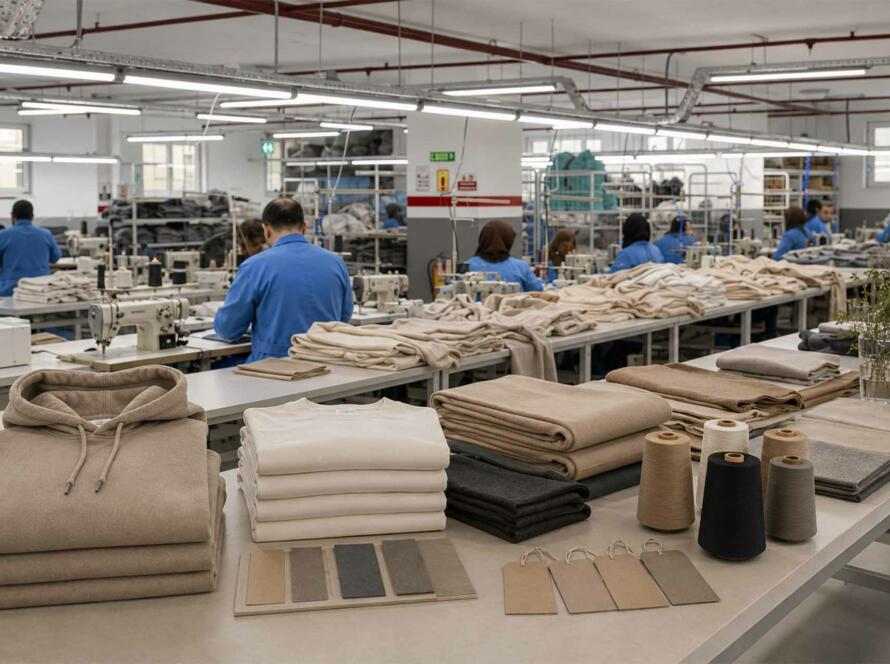


Deadstock fabric has become increasingly attractive to fashion brands looking for lower-waste ways to develop collections. Instead of commissioning new fabric production, a brand buys textile material that has already been manufactured but was never used for its original purpose.
That sounds straightforwardly sustainable. In practice, the decision is more complicated.
Deadstock can help keep existing material in circulation, offer access to unusual fabrics and work particularly well for limited collections. But it also introduces sourcing risks that conventional repeatable fabrics may not have: limited quantities, uncertain reorders, inconsistent dye lots, incomplete documentation and variable quality.
For clothing brands, the question is therefore not simply whether deadstock fabric is sustainable.
The better question is: does this particular deadstock fabric fit the product, production volume and long-term strategy of the collection?
What Is Deadstock Fabric?
Deadstock fabric is unused textile material that has already been produced but is no longer required for its original order or intended use.
It may come from:
- textile mill overproduction
- cancelled garment orders
- leftover production rolls
- discontinued colors or qualities
- previous fashion collections
- sampling or development programs
- fabrics that did not meet an original buyer’s specifications
Textile Exchange includes unused or deadstock fabric among the types of surplus material created within the textile system.
Importantly, deadstock does not describe one specific quality level.
One roll may be premium fabric left after an order was cancelled. Another may have been rejected because of shade variation, dimensional instability or a cosmetic issue.
That is why the word deadstock should describe the fabric’s sourcing status—not be treated as proof of its quality.
Why Do Clothing Brands Use Deadstock Fabric?
Lower Material Waste
The clearest advantage is that the fabric already exists.
Using existing material can prevent usable textiles from remaining indefinitely in warehouses or eventually entering waste streams. This follows the broader circular-economy principle of keeping products and materials in circulation rather than continuously relying on new resources.
For brands trying to reduce production waste, that can make deadstock an interesting sourcing option.
It is still important to avoid overstating the environmental benefit. The fabric has already been manufactured, dyed and finished, so its original production impact has already occurred. Using deadstock gives that existing material another commercial purpose; it does not make the previous manufacturing process impact-free.
Access to Distinctive Fabrics
Deadstock markets can contain unusual textures, discontinued colors, premium qualities and fabrics originally developed for other collections.
For a small fashion or streetwear brand, this can create products that are difficult to reproduce using standard stock programs.
A limited quantity may even support the commercial concept.
For example, a brand could intentionally produce 300 jackets from one available deadstock quality and sell the collection as a genuinely limited run.
Potential Purchasing Opportunities
Some surplus fabrics are offered under attractive commercial terms because the owner wants to clear inventory.
But deadstock should not automatically be assumed to be cheap.
Rare qualities, premium compositions or small available quantities can still command strong prices. Fabric cost should therefore be evaluated alongside testing, transportation, cutting efficiency and the risk that replacement material cannot be found.
The Main Deadstock Fabric Sourcing Risks
1. Limited Quantities
The biggest advantage of deadstock can also become its biggest limitation.
If 900 meters are available, there may be exactly 900 meters—and nothing more.
That matters because the theoretical quantity is not necessarily the usable quantity. Fabric may be lost through defects, roll ends, cutting waste, shrinkage or inspection failures.
A brand planning production close to the maximum available yardage leaves very little room for error.
Before purchasing, production planning should calculate the realistic garment yield rather than simply dividing the total fabric length by estimated consumption.
2. Reorders May Be Impossible
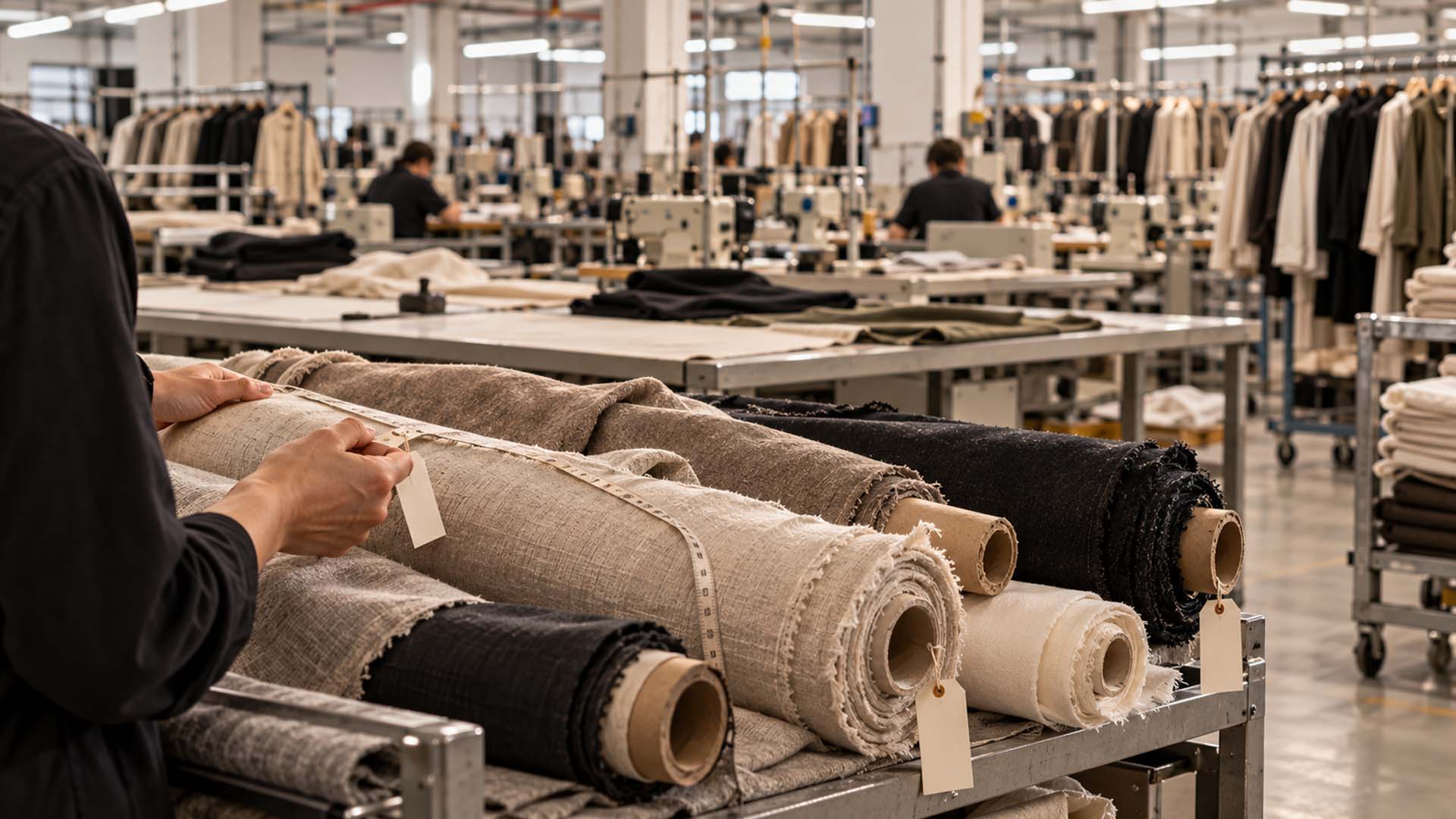
Deadstock fabric is usually a poor foundation for products that depend on predictable replenishment.
Imagine a brand launches a heavyweight hoodie that becomes its bestseller. If the hoodie uses a standard French terry available from a mill’s ongoing program, another production run can potentially use the same specification.
With deadstock, the original fabric may already be gone.
The brand could search for something similar, but changes in GSM, hand feel, color, composition or finishing can make the reordered garment noticeably different.
For this reason, deadstock often makes more sense for capsules, seasonal drops and intentionally limited products than for permanent core styles.
3. Shade Consistency Can Be Difficult
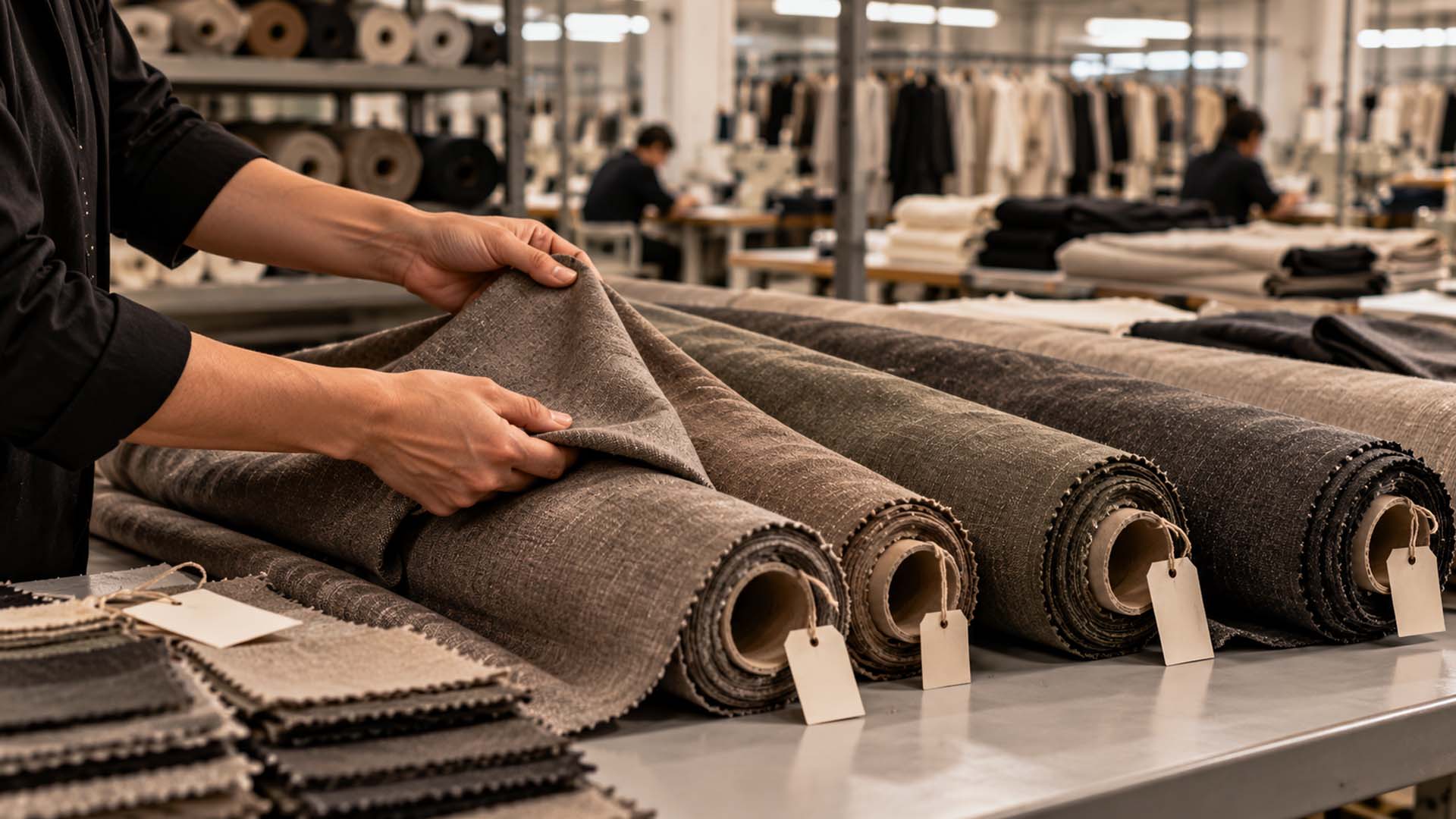
A deadstock purchase may include several rolls that look identical at first glance but originate from different dye lots.
Small shade differences can become obvious after garments are cut and sewn.
Before bulk cutting, the manufacturer should identify the rolls, inspect shade continuity and determine whether different lots need to be separated during production.
This is particularly important for solid colors such as black, navy, charcoal and other shades where buyers expect garments within one order to match closely.
4. Fabric Quality Still Needs Testing
Unused does not automatically mean production-ready.
Deadstock fabric should be evaluated using the same manufacturing discipline applied to newly sourced material.
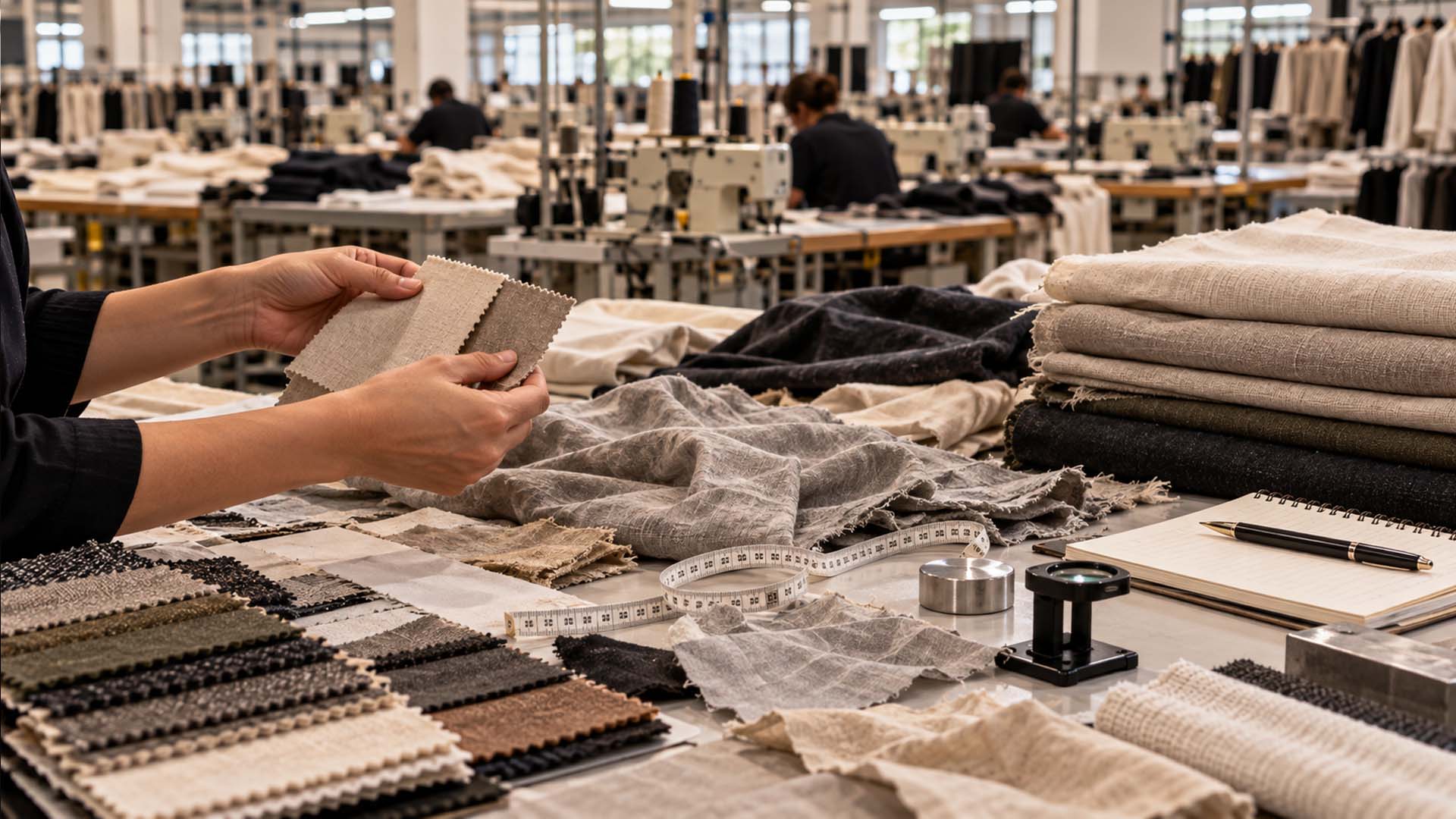
Depending on the garment and fabric construction, checks may include:
- composition and GSM
- usable fabric width
- shrinkage after washing
- color fastness
- pilling
- dimensional stability
- stretch and recovery
- fabric defects
- spirality for knitted fabrics
- tensile or tear performance where relevant
A fabric can look excellent on the roll and still create problems after washing or during garment production.
Skipping testing because the material is described as sustainable can turn a sourcing opportunity into an expensive quality problem.
Traceability Can Be More Complicated
Deadstock sometimes changes hands several times before reaching the final manufacturer.
It may move from a mill to a garment factory, then to a trader or surplus-material supplier before being offered to another brand.
As that chain becomes longer, documentation can become harder to verify.
A supplier may know that a fabric is cotton-rich, for example, while having limited information about the original yarn source, dyehouse, chemical processing or certification documentation.
The growing attention to verification of excess materials itself reflects this challenge; newer industry initiatives specifically focus on improving transparency and traceability for deadstock and surplus textiles.
For brands with strict compliance, certification or traceability requirements, this should be investigated before the collection is designed around the fabric.
How Should a Brand Evaluate Deadstock Before Buying?
The safest approach is to treat deadstock as a sourcing opportunity that still needs full technical approval.
Before committing to production, confirm the available quantity, number of rolls, lot information, composition, weight, width and any known reason the material became surplus.
Then inspect representative fabric and run the tests relevant to the intended product.
A useful sequence is:
Source → Inspect → Test → Sample → Calculate consumption → Confirm bulk quantity → Reserve fabric → Produce
This order matters.
Designing and selling a collection before confirming usable fabric availability creates unnecessary risk.
At Istanbul Factory, fabric evaluation is considered part of the broader garment-development process. The fabric must work with the pattern, construction, washing requirements, print or embroidery technique and expected quality level of the finished garment.
When Does Deadstock Fabric Make Sense?
Deadstock can be a strong option when scarcity supports the business model rather than conflicts with it.
It is particularly suitable for:
Limited collections.
A defined amount of fabric can naturally determine the size of the production run.
Capsule drops.
Streetwear and fashion brands can use unique materials without promising permanent availability.
Experimental products.
Brands can test a silhouette, fabric category or market response before developing a repeatable custom textile.
Small or focused collections.
A brand producing controlled quantities may be able to secure enough fabric for the entire project from one available lot.
Deadstock becomes more difficult when a brand needs continuous restocking, identical seasonal repeats, very large production volumes or detailed fiber-level traceability.
In those cases, working with a mill-supported fabric program may be commercially safer.
Deadstock Fabric Sourcing in Istanbul and Turkey
Turkey combines textile production, dyeing, finishing and garment manufacturing within a geographically concentrated supply chain. That creates opportunities for manufacturers to encounter unused fabrics from mills, factories and previous production programs.
Istanbul also has an established market for surplus textiles; reporting on the city’s garment districts has documented wholesalers selling leftover fabrics from Turkish clothing production to designers working with small batches.
For international brands, however, access to fabric is only the first step.
The more important question is whether a manufacturing partner can evaluate the material technically, determine realistic production quantities and identify potential problems before bulk production starts.
Working With Istanbul Factory
Istanbul Factory supports fashion brands with fabric sourcing, garment development, sampling, custom clothing manufacturing and quality control in Istanbul.
When deadstock fabric is considered for a collection, our approach is practical rather than promotional.
We evaluate whether the available material fits the garment, required quantity and future production strategy. If repeat orders are important, a repeatable mill fabric may be the stronger choice. If the collection is intentionally limited and the fabric performs well during testing, deadstock can become a valuable sourcing option.
Planning a collection in Turkey?
Talk to Istanbul Factory about your product requirements, target quantities and fabric strategy. We can help you evaluate sourcing options and develop a production plan built around both product quality and commercial reality.
Frequently Asked Questions
Is deadstock fabric sustainable?
Deadstock fabric can help reduce material waste because it uses textile material that has already been produced. However, calling every deadstock fabric sustainable would be misleading. Its overall environmental profile depends on the original material, manufacturing process, transport, durability and how efficiently it is eventually used.
Is deadstock fabric cheaper than regular fabric?
Sometimes, but not always. Surplus material may be discounted because a supplier wants to clear inventory, while rare or premium deadstock fabrics may still be expensive. Brands should compare total production cost rather than fabric price alone.
Can you reorder deadstock fabric?
Usually there is no guarantee. Once the available rolls are used, exactly the same fabric may no longer exist. Brands expecting regular reorders should consider whether a repeatable mill-supported fabric would be safer.
Should deadstock fabric be tested before production?
Yes. Deadstock should be checked for composition, weight, width, shrinkage, color performance and other properties relevant to the garment. Fabric inspection and testing are especially important when the material’s complete production history is unavailable.
What types of clothing are best for deadstock fabric?
Deadstock often works well for limited-edition garments, capsule collections, seasonal drops, small production runs and products where scarcity is part of the concept. It is generally less suitable for permanent styles that require frequent identical reorders.