

Ethical Clothing Production Is a Manufacturing Standard, Not a Label
Ethical clothing production is often discussed through sustainability statements, responsible collections and brand campaigns. Yet the real test of ethical manufacturing happens much earlier, inside the production process itself.
It appears in the way workers are treated and how realistic deadlines are planned.
It appears in whether a manufacturer communicates production problems openly instead of hiding them.
And also appears in fabric sourcing, subcontractor selection, workplace safety, quality control and the commercial pressure placed on every company involved in the supply chain.
For fashion brands, understanding these details matters.
A garment can be marketed as responsible, sustainable or consciously made, but those claims mean very little if the underlying manufacturing process is poorly managed.
For that reason, ethical clothing production should be viewed as an operational approach to manufacturing rather than a marketing category.
Brands that take responsible production seriously need manufacturing partners capable of combining quality, transparency, commercial practicality and responsible working methods throughout the production cycle.
What Is Ethical Clothing Production?
Ethical clothing production refers to manufacturing practices designed to protect people, maintain safe and fair working conditions, improve supply-chain responsibility and create transparent relationships between brands, factories and suppliers.
In practical terms, ethical production can include:
- fair and lawful working conditions;
- safe production environments;
- responsible working hours;
- transparent communication;
- realistic production schedules;
- responsible sourcing of fabrics and trims;
- careful management of subcontractors;
- consistent quality control;
- traceable production processes;
- appropriate waste management;
- respect for workers and suppliers throughout the supply chain.
There is no single action that automatically makes a garment ethical.
It is the combination of decisions throughout product development, sourcing, manufacturing and delivery that determines how responsibly a collection is produced.
This distinction is especially important for fashion brands.
Buying an organic fabric, for example, may improve one part of a product’s environmental profile. It does not automatically provide information about working conditions, production planning, wage practices, subcontracting or factory safety.
Ethical manufacturing has to be considered across the entire production relationship.
Fair Working Conditions Are at the Center of Ethical Manufacturing
Garment production depends on skilled people.
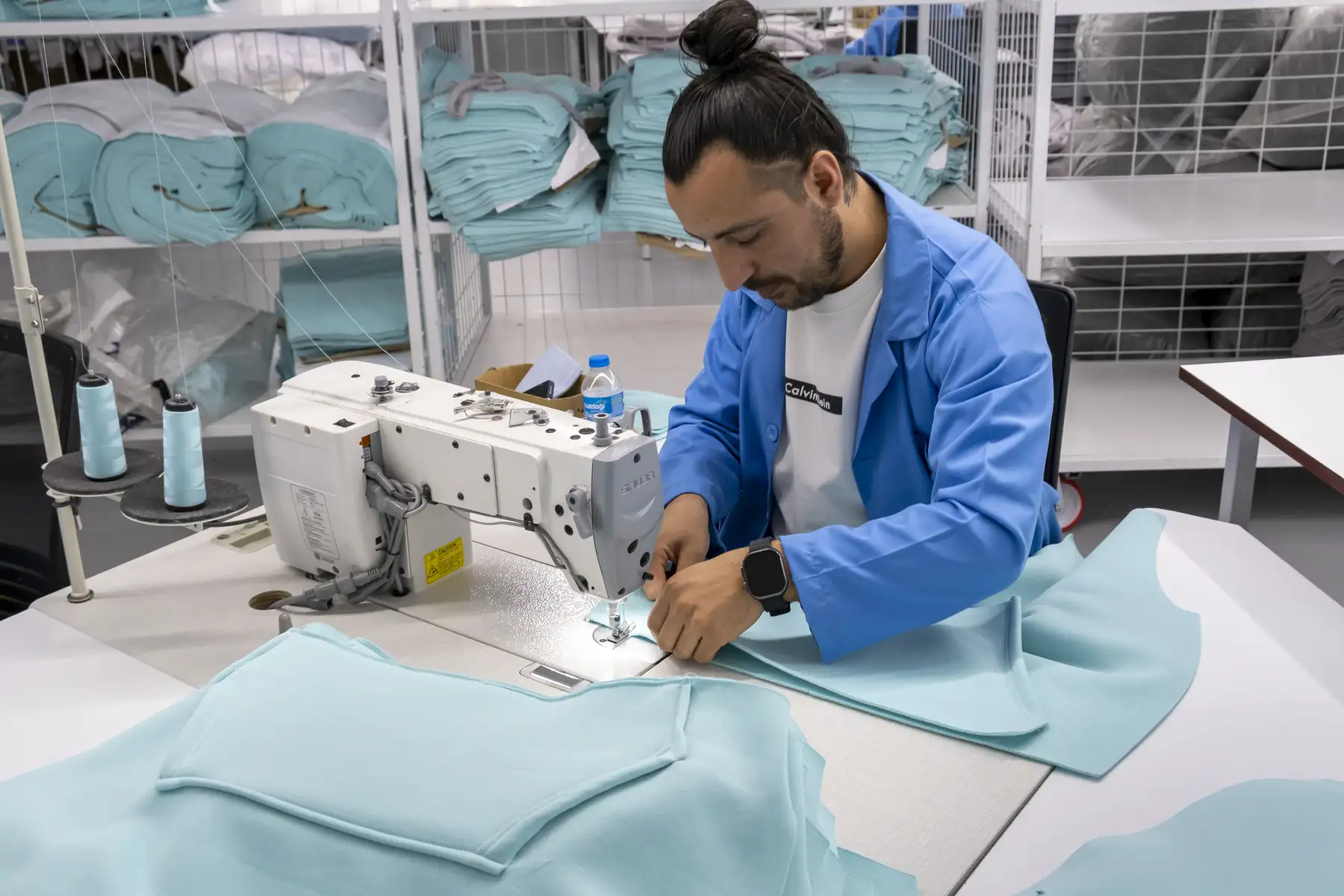
Pattern makers, cutting specialists, sewing operators, embroidery technicians, quality controllers, production coordinators and many other professionals contribute to the final product.
Ethical clothing production therefore begins with the conditions under which people perform this work.
Responsible manufacturing should respect applicable labor laws and establish working environments where employees can perform their jobs safely and professionally.
For fashion brands evaluating a potential manufacturer, important questions include:
- Where will the garments actually be manufactured?
- Are core production processes handled in known facilities?
- How are subcontractors selected?
- Are working environments appropriately organized and maintained?
- How does the manufacturer manage production peaks?
- Are deadlines realistic for the capacity available?
- Is the manufacturer willing to discuss how production is organized?
These questions provide more insight than a sustainability statement alone.
A manufacturer that can explain its production structure clearly is generally easier for brands to evaluate and work with over the long term.
Safe Production Is Part of Product Quality
Workplace safety and garment quality are often treated as separate subjects.
In reality, they are closely connected.
A well-managed production environment supports consistency, organization and accountability. Cutting areas, sewing departments, printing operations, embroidery units, pressing stations and finishing departments all require appropriate procedures and equipment.
Responsible production should consider issues such as:
- machine safety;
- ventilation;
- lighting;
- workplace organization;
- fire precautions;
- appropriate storage;
- chemical handling where applicable;
- personal protective equipment when required;
- clean and controlled production areas.
Safe factories are important because the people making the garments should not have to accept unnecessary risks simply to meet a delivery date or target price.
For brands, factory organization can also provide valuable information about the overall manufacturing culture.
A production facility that pays attention to processes, maintenance and workplace organization is better positioned to maintain consistent standards throughout a bulk order.
Ethical Clothing Production Requires Realistic Lead Times
One of the most overlooked aspects of responsible fashion manufacturing is production planning.
Brands naturally want short lead times. Speed is commercially important, particularly when launching seasonal collections, testing new products or responding to market demand.
But unrealistic deadlines can create problems throughout the supply chain.
When production schedules are compressed too aggressively, factories may face pressure to increase overtime, rush quality inspections, source materials without adequate testing or move work to subcontractors simply to meet a deadline.
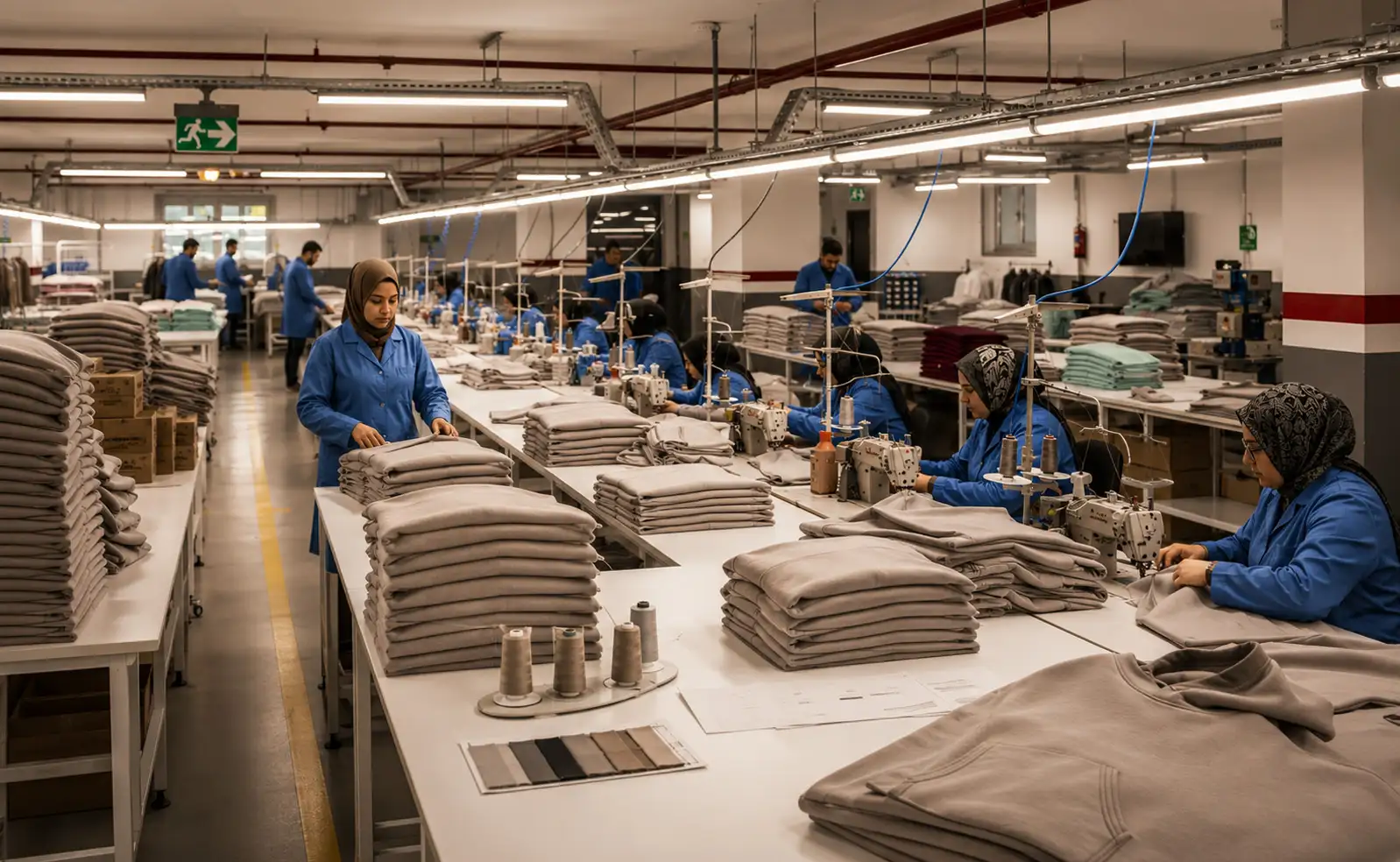
Responsible production planning takes actual manufacturing steps into account.
A typical custom clothing order may involve:
- product development;
- fabric sourcing;
- pattern preparation;
- sampling;
- fit corrections;
- fabric or color approval;
- print or embroidery testing;
- bulk material preparation;
- cutting;
- sewing;
- finishing;
- quality control;
- packaging;
- shipment preparation.
Every stage requires time.
A professional manufacturer should therefore provide a realistic production schedule rather than promising an attractive delivery date that cannot be maintained.
For brands, an honest six-week production schedule is usually more valuable than a promised three-week schedule that becomes seven weeks after repeated delays.
Responsible production needs responsible buyers too
Ethical manufacturing is a shared responsibility.
Brands influence working conditions through their purchasing behavior.
Repeated last-minute changes, unrealistic delivery requests, delayed approvals and aggressive price negotiations can create pressure further down the supply chain.
A healthier manufacturing relationship is built when both sides agree on realistic expectations before bulk production begins.
Transparent Communication Is an Ethical Issue
Transparency in garment manufacturing does not mean that production will never experience problems.
Fabric delays happen.
A dye lot may require correction.
An embroidery sample may fail approval.
Measurements may need adjustment.
A supplier can occasionally miss a delivery date.
The ethical question is how these situations are communicated and managed.
Responsible manufacturers should communicate meaningful issues before they become serious problems.
For example, imagine a fabric inspection reveals that the bulk material does not match the approved color closely enough.
A poor manufacturing process might continue production to avoid delay and hope the brand accepts the difference.
A responsible process would identify the problem, explain the available options and obtain approval before moving forward.
That type of communication may initially add time, but it protects both the brand and the manufacturer.
Transparency builds stronger B2B relationships because both sides can make decisions using accurate information.
Responsible Fabric Sourcing Goes Beyond Fabric Composition
Fabric plays a major role in discussions about sustainable and ethical fashion.
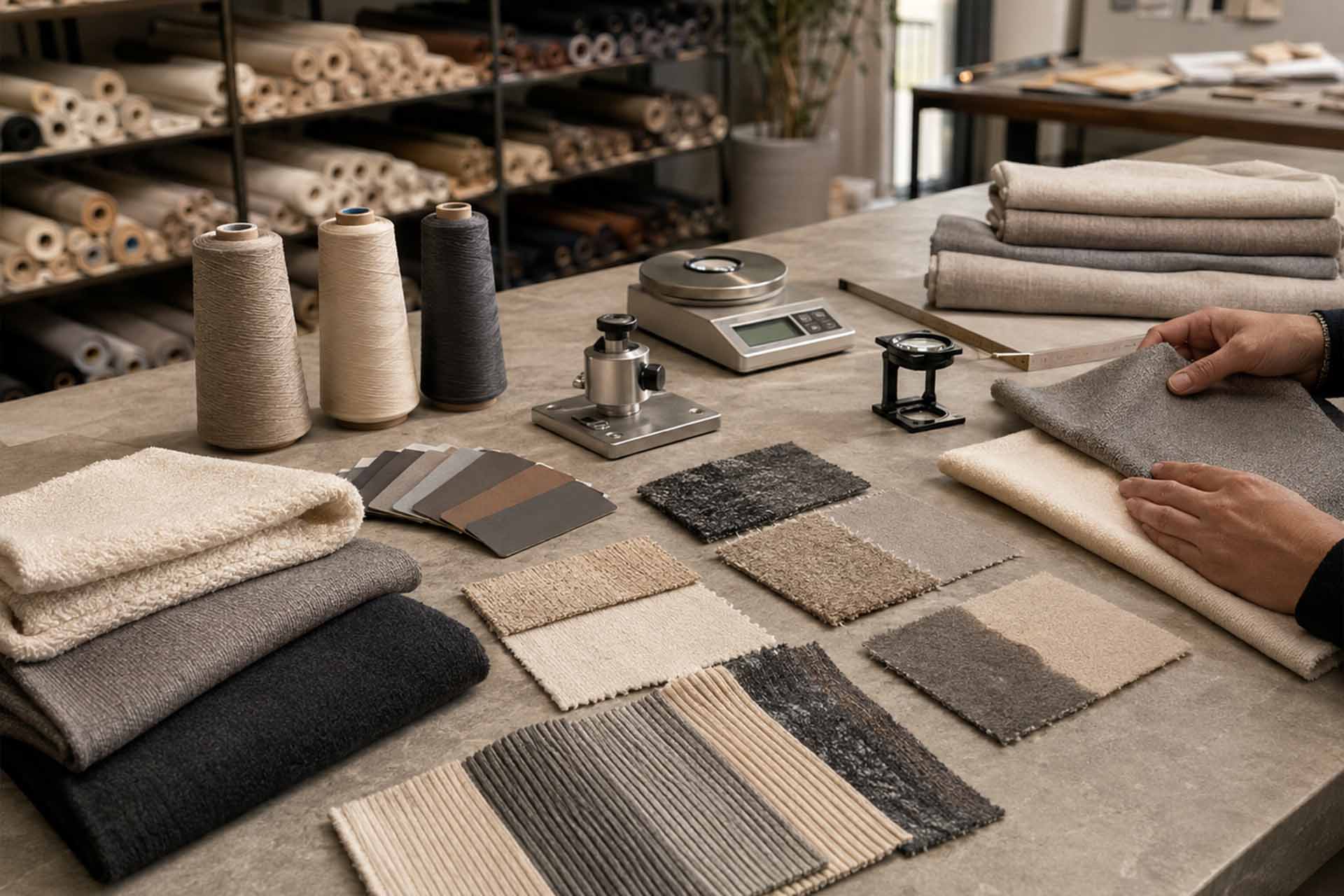
Brands increasingly ask about materials such as:
- organic cotton;
- recycled cotton;
- recycled polyester;
- certified fibers;
- lower-impact fabrics;
- locally sourced textiles;
- deadstock materials.
These options can be useful, but responsible sourcing requires more than selecting an attractive fiber description.
Brands should also consider:
Supplier reliability
Can the supplier consistently reproduce the required fabric quality, GSM, color and finishing?
Material traceability
Can relevant information about the material or certification be provided when required?
Performance
Does the fabric perform appropriately after washing, wear and production?
Production consistency
Can the same material be supplied again if the brand needs a repeat order?
Transportation
How far does the material travel before reaching garment production?
Commercial suitability
Does the fabric make sense for the product’s quality level, target price and intended use?
An ethical sourcing strategy should balance environmental ambition with product durability and supply-chain reality.
A garment that looks sustainable on paper but performs poorly after several washes is unlikely to represent responsible product development.
Ethical Manufacturing and Sustainable Manufacturing Are Related — But Different
The terms “ethical fashion” and “sustainable fashion” are frequently used together, but they address different questions.
Ethical clothing production focuses strongly on people, working conditions, transparency, purchasing practices and responsible business relationships.
Sustainable clothing production generally focuses more heavily on environmental impact, including materials, energy use, water, waste, transportation and product longevity.
A responsible manufacturing strategy should consider both.
For example, a fashion brand might use recycled polyester to reduce dependence on virgin raw materials. That is primarily an environmental decision.
However, questions about workplace conditions, subcontracting and purchasing practices still remain.
Likewise, a factory can provide good working conditions while using materials with relatively high environmental impact.
Responsible fashion manufacturing therefore requires a broader perspective.
Subcontracting Should Never Become an Invisible Part of Production
The garment industry frequently relies on specialized suppliers.
A manufacturer may work with external partners for activities such as:
- garment washing;
- dyeing;
- screen printing;
- embroidery;
- specialized finishing;
- certain fabric processes.
Subcontracting itself is not automatically problematic.
In many textile production hubs, specialized facilities provide expertise that would be inefficient for every garment manufacturer to maintain internally.
The important issue is visibility and control.
Brands should understand whether important stages of their production may be performed by external specialists and how those suppliers are evaluated.
Manufacturers should also remain responsible for the quality of outsourced processes.
A brand should not discover after delivery that a critical manufacturing operation was performed somewhere completely different from what it expected.
Transparency across the production chain is an essential part of responsible manufacturing.
Quality Control Belongs in the Ethical Production Conversation
Producing garments responsibly also means producing them well.
Poorly manufactured clothing creates waste at multiple stages.
A rejected bulk order wastes fabric, trims, energy, labor, packaging and transportation.
Products that fail quickly after reaching customers can create additional returns and increase the likelihood that garments are discarded prematurely.
Quality control therefore contributes to responsible production.
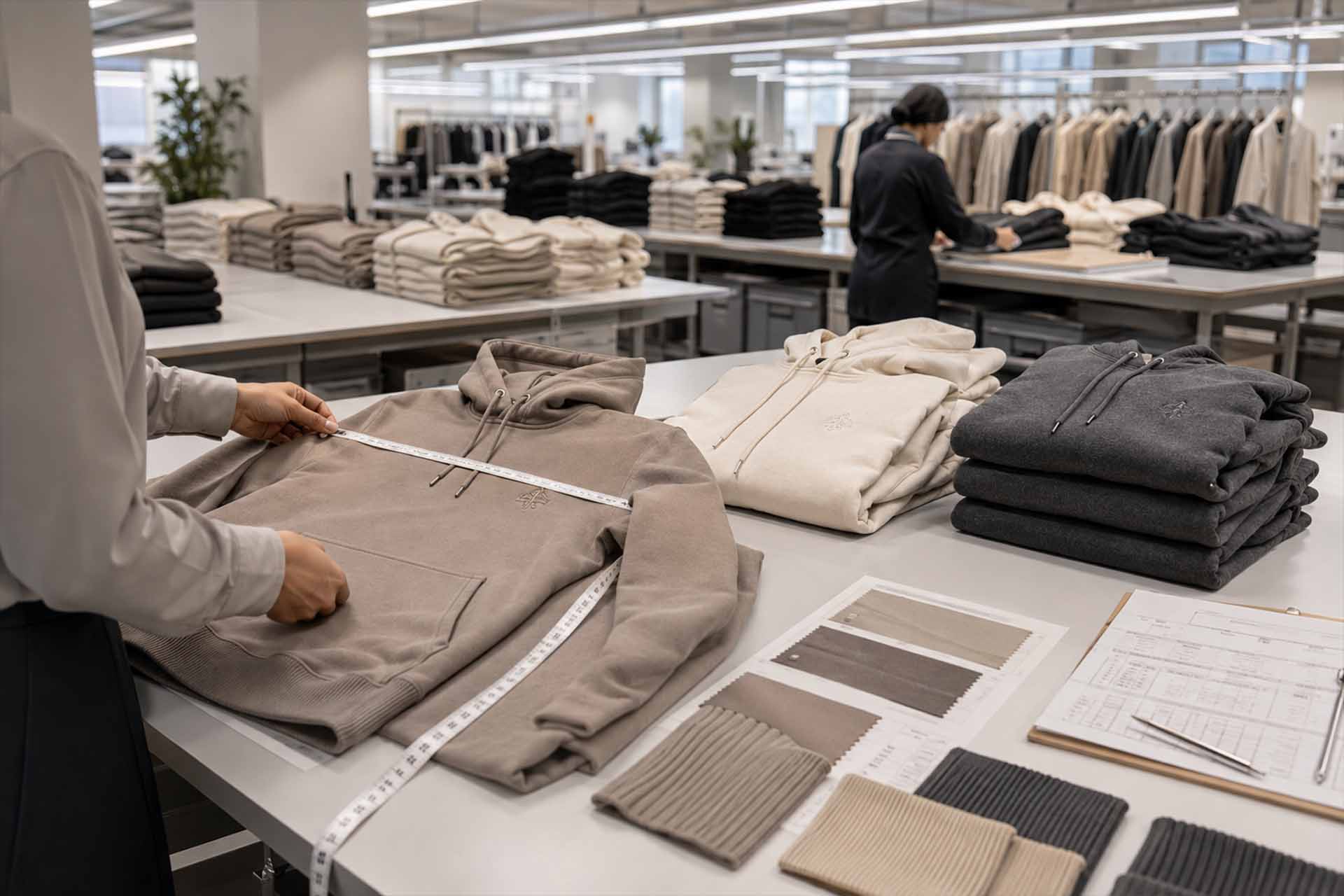
A structured garment quality process can include:
- checking incoming fabrics;
- verifying approved colors;
- reviewing measurements;
- comparing bulk garments with approved samples;
- inspecting stitching;
- checking print and embroidery placement;
- testing trims and labels;
- reviewing garment symmetry;
- examining finishing and cleanliness;
- completing final inspections before packing.
Quality should ideally be controlled during production rather than checked only after thousands of garments have been completed.
Early inspection allows problems to be corrected while they are still manageable.
The Problem With Ethical Fashion Marketing Claims
Ethical fashion has become commercially valuable language.
That creates a risk.
Terms such as “ethical,” “conscious,” “responsible” and “sustainable” may appear in marketing without enough information explaining what they actually mean.
Brands should therefore avoid making broad claims that cannot be supported.
More credible communication is usually specific.
Instead of saying:
“Our entire collection is ethically made.”
A brand may be able to explain specific manufacturing decisions, such as:
- where the garments were produced;
- which material was selected;
- which certification applies to a particular fabric;
- how production was inspected;
- how suppliers were selected;
- why manufacturing was located close to the target market.
Specific information is easier for customers, buyers and business partners to understand.
It also reduces the risk of turning responsible production into vague branding language.
Why Turkey Matters for Responsible Clothing Manufacturing
Turkey occupies an important position in fashion manufacturing because it combines a large textile ecosystem with close access to European markets.
Istanbul in particular connects many parts of the apparel supply chain, including fabric suppliers, garment manufacturers, printing specialists, embroidery facilities, accessory suppliers, sampling teams and logistics providers.
For European fashion brands, this concentration can create practical advantages.
A shorter and more connected supply chain
When fabrics, trims, sampling and garment production can be coordinated within the same manufacturing ecosystem, brands may reduce unnecessary movement between distant suppliers.
This can also make communication easier.
Faster development cycles
Geographic proximity between textile suppliers and garment manufacturers can support faster fabric sourcing, sampling and product adjustments.
Access to textile expertise
Turkey has extensive experience across knitted fabrics, woven fabrics, garment construction, dyeing, finishing, print and embroidery.
This allows brands to develop products through a manufacturing ecosystem capable of supporting different product categories and quality levels.
Easier access for European brands
European buyers can reach Istanbul relatively easily compared with many distant manufacturing destinations.
Factory visits, development meetings and quality discussions can therefore become more practical for brands that want closer involvement in their supply chain.
Proximity alone does not guarantee ethical production.
Brands still need to evaluate each manufacturing partner individually.
However, a connected regional supply chain can make responsible sourcing, communication and quality oversight easier to manage.
What Fashion Brands Should Ask a Potential Manufacturer
Ethical clothing production becomes easier to evaluate when brands ask operational questions instead of relying purely on marketing material.
Before beginning a production relationship, consider asking:
- Where will my garments be manufactured?
- Which production stages happen internally?
- Which processes may be subcontracted?
- How do you select fabric and trim suppliers?
- How do you handle quality problems during production?
- What happens if bulk fabric differs from the approved sample?
- How are production timelines calculated?
- What information can you provide about responsible or certified materials?
- How do you perform quality control?
- Can I review samples before bulk production?
- How do you communicate delays or production issues?
- Can the production facility be visited?
A professional manufacturing partner should be comfortable discussing these subjects.
The answers will often reveal more about the production culture than a page full of sustainability terminology.
Ethical Production Must Remain Commercially Realistic
Responsible manufacturing does not mean ignoring cost, margins or production efficiency.
Fashion is still a business.
Manufacturers need commercially viable orders, and brands need products they can sell at sustainable margins.
The goal should therefore be to find a manufacturing model that balances:
- product quality;
- responsible working practices;
- material selection;
- order quantities;
- production efficiency;
- delivery requirements;
- target pricing.
Problems often begin when one element is pushed to an extreme.
An exceptionally low target price may force compromises elsewhere.
An extremely short deadline may increase production pressure.
Very small quantities combined with highly customized production may create inefficient material usage or significantly increase unit costs.
Responsible manufacturing depends on understanding these trade-offs rather than pretending they do not exist.
Building Long-Term Manufacturer Relationships
Ethical clothing production becomes easier when brands and factories view manufacturing as a long-term partnership.
Once a manufacturer understands a brand’s fits, fabrics, construction requirements, labeling standards and quality expectations, future production can become more predictable.
Repeated orders can also improve:
- material planning;
- capacity planning;
- quality consistency;
- production scheduling;
- communication;
- cost forecasting.
Brands benefit because they spend less time rebuilding the production process for every collection.
Manufacturers benefit because they can plan resources more accurately.
This stability can reduce many of the pressures that create poor production practices in the first place.
Ethical Clothing Production at Istanbul Factory
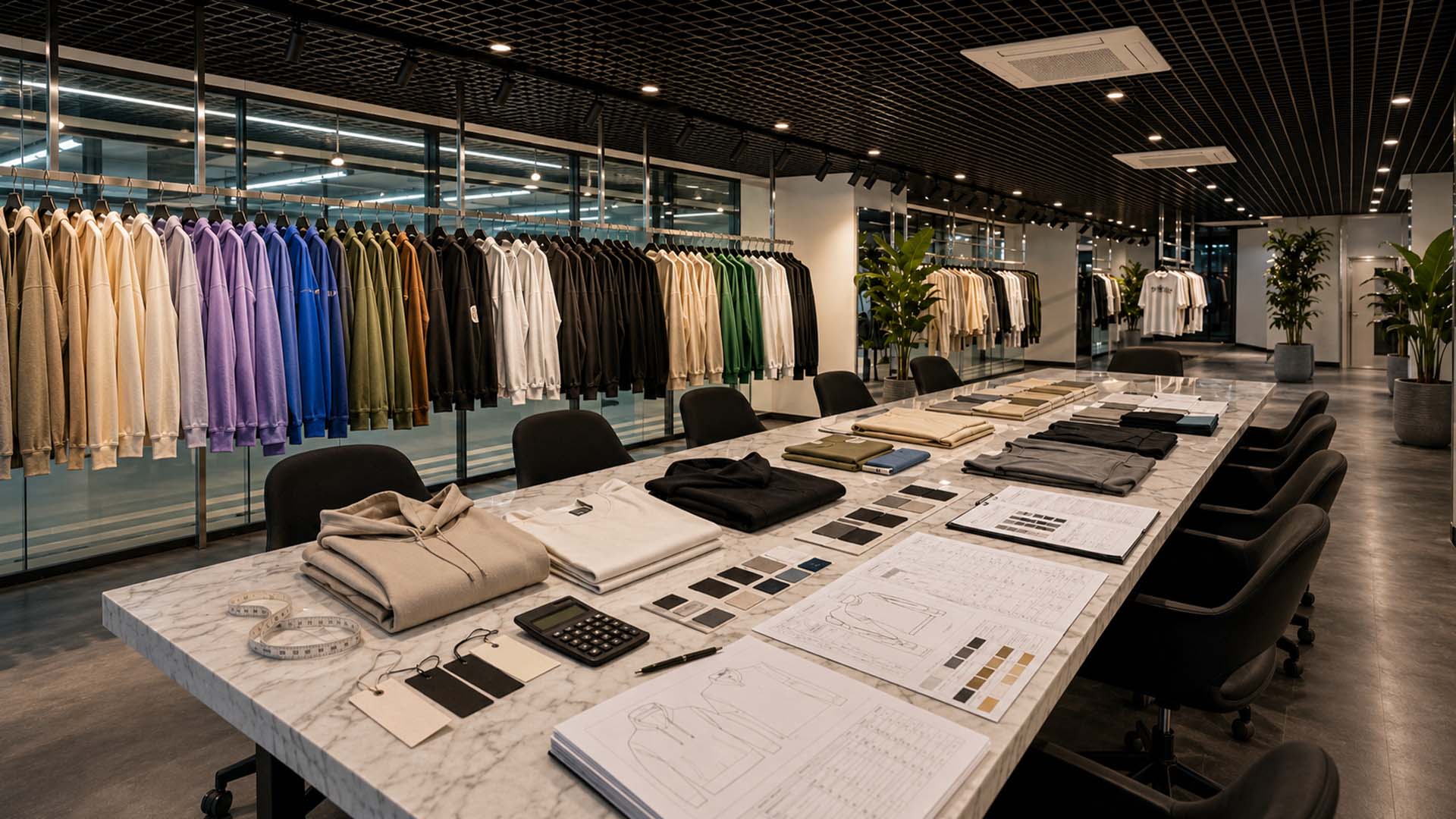
At Istanbul Factory, responsible manufacturing is approached as part of the production process rather than as a separate marketing feature.
We work with fashion brands, streetwear labels, startups and established companies looking for a manufacturing partner in Istanbul.
Our services can support the production journey from early product development through bulk manufacturing, including:
- custom clothing manufacturing;
- private label production;
- fabric sourcing;
- garment sampling;
- print and embroidery;
- label and branding development;
- production coordination;
- quality control;
- packaging and shipment preparation.
For brands interested in more responsible material options, we can also discuss suitable fabrics and sourcing possibilities based on the garment, performance requirements, production volume and target positioning.
Our focus is to build clear production processes around realistic specifications, approved samples and consistent communication.
Because ethical manufacturing cannot be reduced to a single fabric, certificate or statement.
It depends on how the entire order is managed.
Looking for an Ethical Clothing Manufacturing Partner?
Choosing a manufacturer influences much more than the cost of a garment.
It affects quality, production reliability, brand reputation, delivery performance and the transparency of your supply chain.
If you are developing a fashion, streetwear or private label collection and are considering production in Turkey, Istanbul Factory can help you evaluate fabrics, sampling requirements, branding options and bulk production possibilities.
Send us your tech pack, reference garment, product sketches or collection details to begin discussing your project.
A strong manufacturing relationship starts with clear information before production begins.
Frequently Asked Questions
What does ethical clothing production mean?
Ethical clothing production means manufacturing garments through responsible working practices that consider fair working conditions, workplace safety, transparent supply chains, realistic production planning and responsible sourcing.
How can a fashion brand know if a clothing manufacturer is ethical?
Brands should ask where garments are produced, which processes are subcontracted, how suppliers are selected, how quality is controlled and how production problems are communicated. Factory visits and supporting documentation can provide additional transparency.
Is ethical clothing production the same as sustainable clothing production?
No. Ethical production generally focuses more on people, working conditions, transparency and responsible business practices. Sustainable production focuses more heavily on environmental impact, materials, waste, energy and resource use. Responsible fashion manufacturing should consider both.
Does using organic cotton make clothing ethical?
Not automatically. Organic cotton may address certain environmental or agricultural considerations, but ethical clothing production also involves working conditions, workplace safety, supply-chain transparency, production planning and manufacturing practices.
Why are realistic lead times important for ethical manufacturing?
Unrealistic deadlines can create pressure throughout a supply chain, potentially resulting in excessive overtime, rushed quality control, emergency sourcing or uncontrolled subcontracting. Realistic lead times allow production to be planned more responsibly.
Is clothing manufacturing in Turkey suitable for European brands?
Turkey can be attractive to European brands because of its established textile industry, geographic proximity, fabric sourcing capabilities and broad garment manufacturing expertise. Brands should still evaluate individual manufacturers based on their specific production requirements and standards.
What should I send a clothing manufacturer before requesting a quote?
Ideally, provide a tech pack containing garment measurements, fabric requirements, construction details, colors, trims, print or embroidery specifications, labeling requirements and estimated quantities. Reference garments or clear product images can also support early discussions.
Can Istanbul Factory support ethical clothing production?
Istanbul Factory supports fashion brands with product development, fabric sourcing, sampling, private label manufacturing, custom garment production, print and embroidery, quality control and production coordination in Istanbul. Responsible production requirements can be discussed during project development based on the specific collection and sourcing needs.