


A strong clothing collection begins long before the first bulk garment reaches the sewing line.
Every detail must be translated from a creative idea into clear production instructions. Fabric composition, garment measurements, stitching, fit, trims, colours, labels, printing, embroidery and packaging all need to be defined, tested and approved.
This is the foundation of custom clothing manufacturing.
Unlike placing a logo on a ready-made blank, custom manufacturing gives a fashion brand control over how the garment is designed and constructed. The product can be developed around a specific customer, price position, visual identity and intended use.
That control creates more opportunities, but it also requires a structured development process. Before production can begin, the manufacturer and the brand must agree on a detailed technical specification and approve several physical samples.
This guide explains how a design concept moves from a tech pack to a finished bulk collection.
What Is Custom Clothing Manufacturing?
Custom clothing manufacturing is the process of developing and producing garments according to a brand’s own specifications.
The brand can control elements such as:
- Fabric composition and weight
- Garment shape and fit
- Body and sleeve measurements
- Pattern construction
- Stitching methods
- Rib, zipper and drawcord specifications
- Fabric and trim colours
- Printing and embroidery
- Labels, hangtags and packaging
- Washing and finishing treatments
The garment is developed specifically for the brand rather than selected from an existing catalogue.
For example, a custom heavyweight hoodie may include a 450 GSM fabric, an oversized body, dropped shoulders, a double-layer hood, wide rib cuffs, reinforced seams and tonal embroidery. Each feature must be documented, sampled and approved before bulk production.
Custom Manufacturing vs. Printing on Blanks
The difference between custom clothing manufacturing and blank garment decoration is the level of product control.
When a brand purchases blank garments, the manufacturer has already decided the fabric, fit, measurements and construction. The brand usually adds a print, embroidery or label to the existing product.
With custom manufacturing, the garment is developed from the beginning.
A fashion brand can determine:
- How wide or cropped the garment should be
- Which fabric should be used
- How the neckline or hood should sit
- Which seams should be reinforced
- Where branding should be positioned
- How the finished product should be folded and packed
Blank garments can be useful for merchandise, early market testing or very small orders. Custom manufacturing is more suitable when the product itself is an important part of the brand’s identity.
The Custom Clothing Manufacturing Process
The complete workflow usually includes the following stages:
- Design concept and product definition
- Tech pack development
- Fabric and trim sourcing
- Pattern making
- Initial prototype
- Fit sample corrections
- Size grading and size-set approval
- Pre-production sample approval
- Fabric booking and production planning
- Cutting and garment assembly
- Printing, embroidery and finishing
- Quality control
- Packaging and delivery
The exact sequence may change depending on the garment, but the main principle remains the same: important decisions should be approved before bulk production.
1. Turning a Design Concept Into Production Specifications
A collection may begin with sketches, reference garments, mood boards or digital illustrations. These materials communicate the creative direction, but they rarely contain enough information for production.
A manufacturer cannot rely on visual interpretation alone. Two people may look at the same oversized sweatshirt and understand its proportions differently.
The concept therefore needs to be converted into measurable specifications.
These may include:
- Finished garment measurements
- Fabric construction and GSM
- Stitch and seam types
- Pocket dimensions
- Hood depth and width
- Rib height and elasticity
- Print or embroidery placement
- Label dimensions
- Colour references
- Finishing instructions
The goal is to remove uncertainty before fabric is cut.
Define the Product Before Developing It
Brands should also clarify the commercial position of the garment.
A premium heavyweight hoodie and an entry-level promotional hoodie may look similar in a sketch, but they require different fabrics, construction methods and cost structures.
Before development begins, it helps to define:
- Target retail price
- Expected production quantity
- Target customer
- Desired fit
- Seasonal use
- Quality level
- Sales market
- Required certifications
- Packaging expectations
These decisions guide the manufacturer when recommending materials and construction options.
2. The Role of the Tech Pack
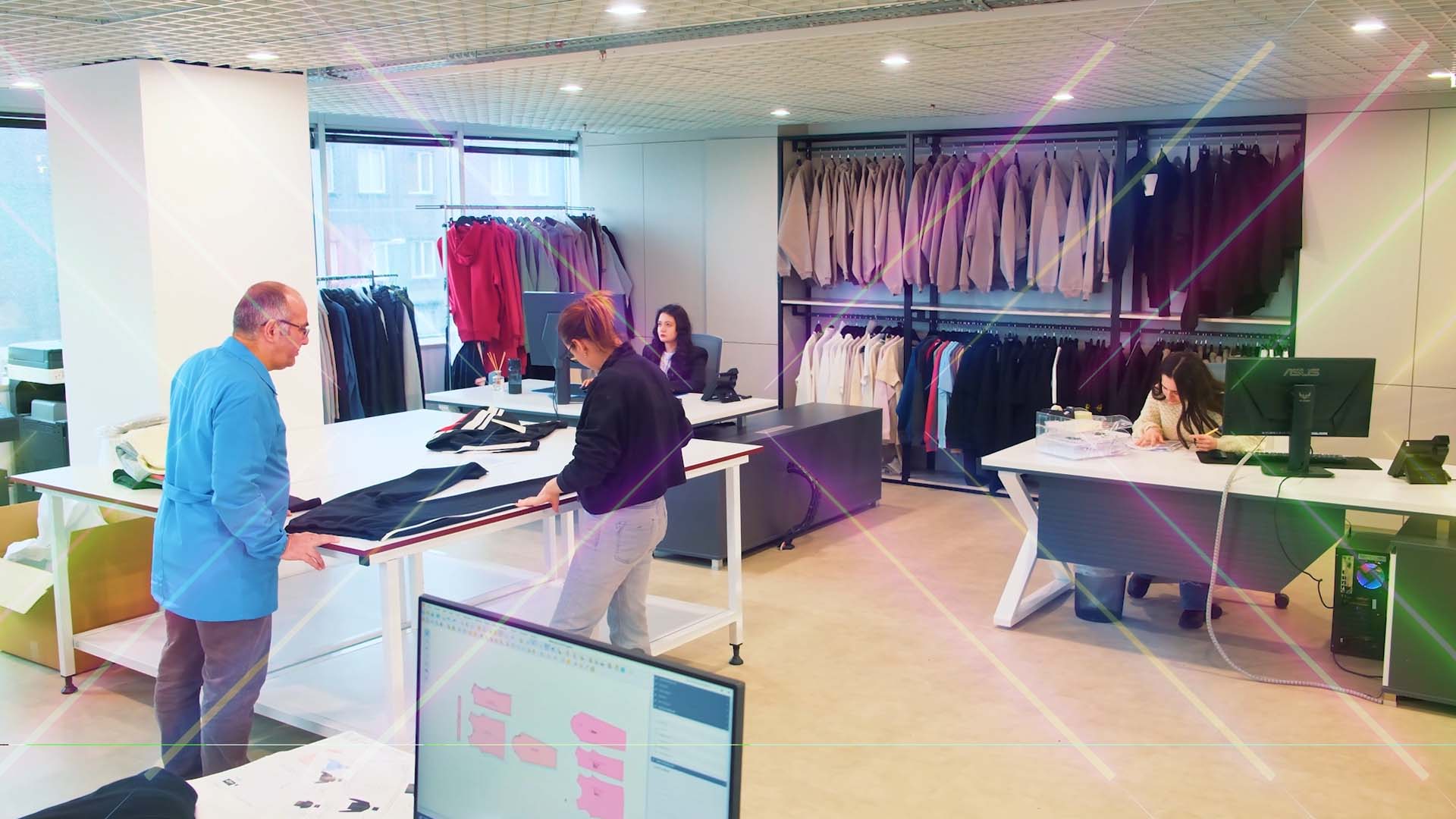
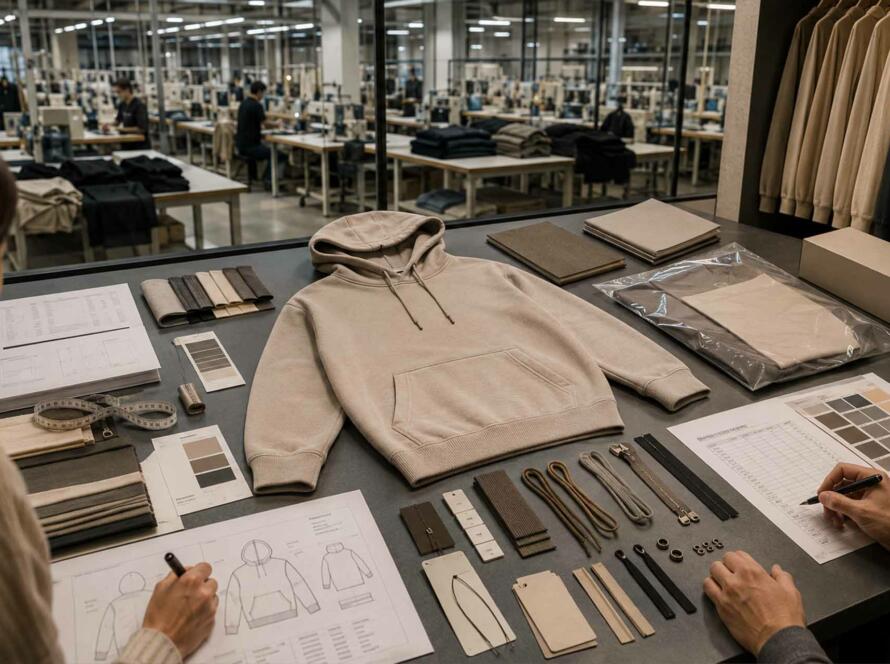
The tech pack is the central technical document in custom clothing manufacturing.
It communicates how the garment should be made and creates a shared reference for the brand, pattern maker, sourcing team, sample room, production team and quality control department.
A professional tech pack normally contains:
- Technical flat drawings
- Front, back and detail views
- Measurement chart
- Size specifications
- Fabric information
- Bill of materials
- Stitching and construction details
- Colourways
- Artwork files
- Print and embroidery placement
- Label and trim instructions
- Packaging requirements
- Revision history
A complete tech pack reduces assumptions, speeds up sampling and makes quotations more reliable.
What Happens When a Tech Pack Is Incomplete?
An incomplete tech pack does not always prevent development, but it creates additional decisions during sampling.
For example, a sketch may show a kangaroo pocket without specifying its width, height, opening angle or distance from the hem. The pattern maker must then make an interpretation.
That interpretation may be technically correct but visually different from what the designer expected.
When a brand arrives with sketches or reference garments instead of a complete document, Istanbul Factory can help translate the design intent into production-ready specifications. The important point is that every unresolved detail should eventually be documented and approved.
3. Fabric and Trim Sourcing
Fabric selection influences the appearance, comfort, durability, production method and final cost of a garment.
Two fabrics with the same fibre composition may perform very differently because of their yarn, knitting structure, weight, finishing and washing process.
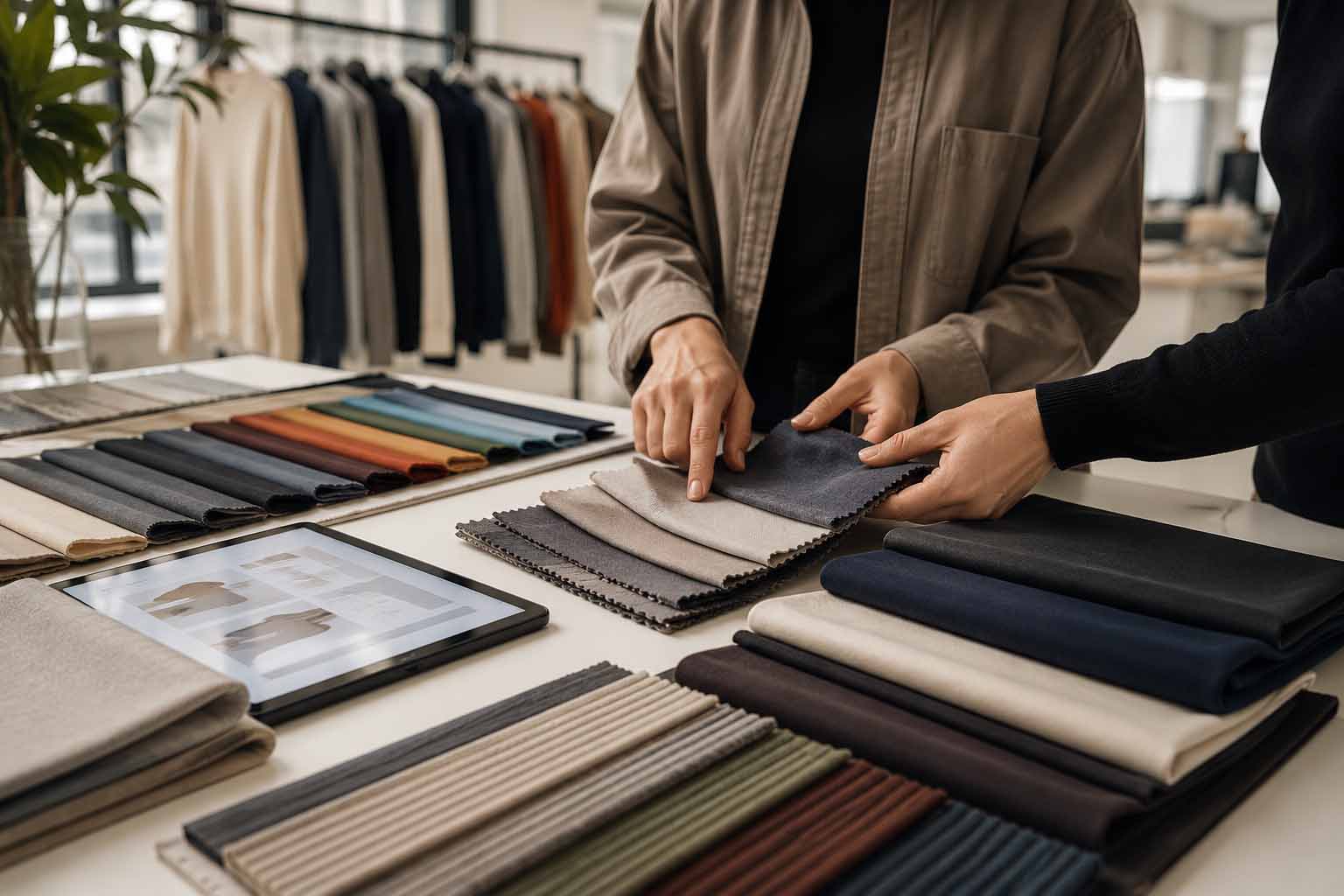
During sourcing, the manufacturer may evaluate:
- Fibre composition
- Fabric weight
- Knit or weave structure
- Surface texture
- Stretch and recovery
- Shrinkage
- Colourfastness
- Pilling resistance
- Availability
- Minimum order quantity
- Lead time
- Certification requirements
For sweatshirts and hoodies, possible options include French Terry, brushed fleece, interlock and double-knit fabrics. T-shirts may use lightweight jersey, compact jersey, heavy jersey or blended fabrics.
Trims Must Be Developed Alongside the Fabric
Trims include every component added to the main fabric, such as:
- Rib
- Zippers
- Buttons and snaps
- Drawcords
- Eyelets
- Elastic
- Sewing thread
- Woven labels
- Printed labels
- Care labels
- Hangtags
- Packaging materials
A trim may appear minor, but it can affect the overall product significantly. A lightweight zipper may feel unsuitable on a heavyweight jacket, while a rib with weak recovery can cause cuffs to lose their shape.
Fabric and trim sourcing should therefore be evaluated as one connected product system.
4. Pattern Making and Initial Prototyping
Once the technical direction is clear, the pattern maker creates the garment pattern.
The pattern determines the shape of each fabric component and how those components will fit together after sewing. It translates two-dimensional measurements into a three-dimensional garment.
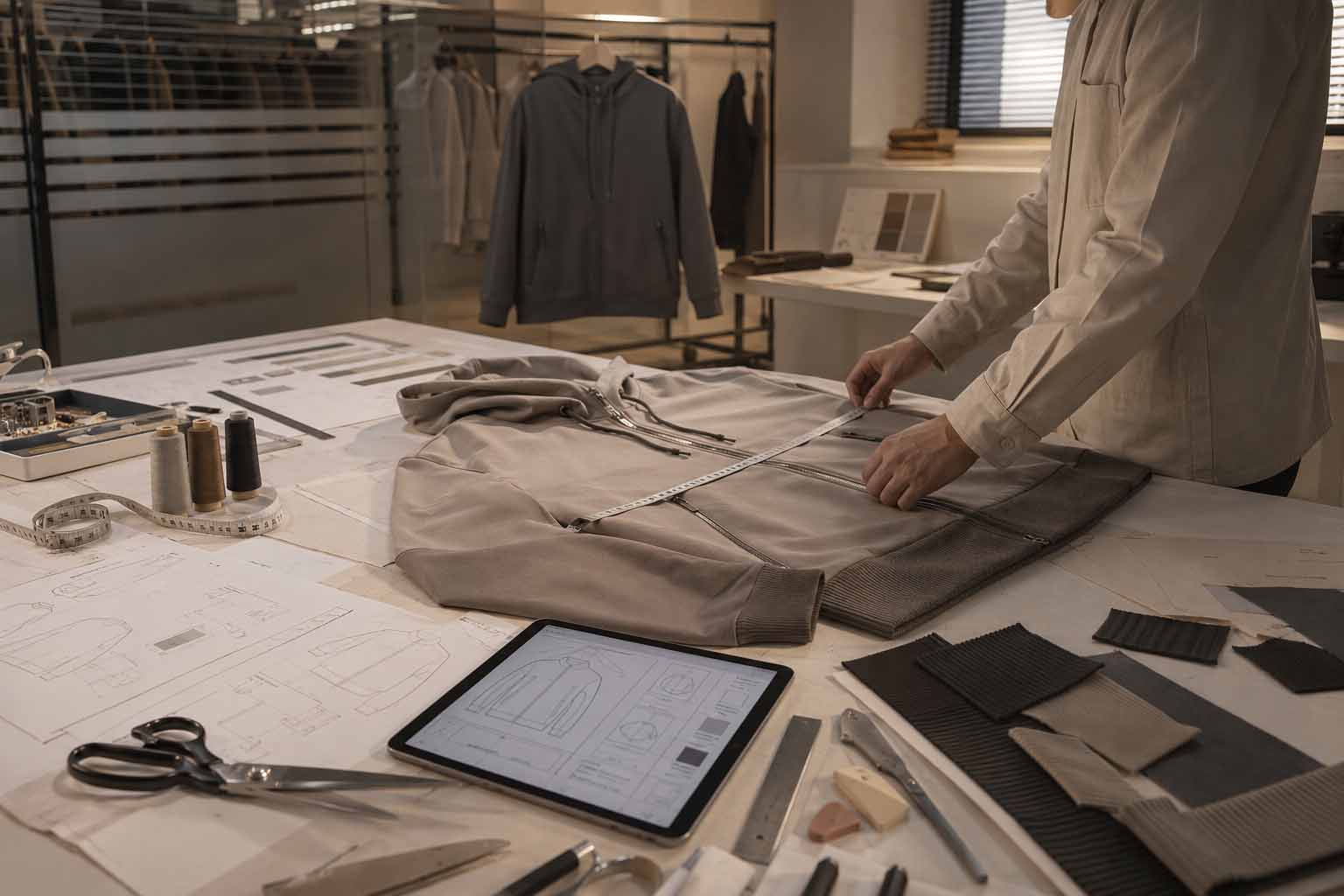
The pattern maker considers:
- Garment silhouette
- Body proportions
- Fabric behaviour
- Seam allowance
- Ease
- Construction method
- Shrinkage
- Balance between front and back
- Placement of pockets, hoods and sleeves
The first prototype is then produced using the initial pattern.
This sample is used to evaluate the overall structure of the garment. It may be made in the intended fabric or in a comparable development fabric, depending on availability and the purpose of the sample.
5. Fit Samples and Design Corrections
The first sample is rarely the final sample.
Its purpose is to identify what needs to be improved before production. The brand should review both measurable details and the way the garment feels when worn.
A fit review may examine:
- Overall silhouette
- Garment length
- Chest width
- Shoulder position
- Sleeve length and volume
- Neck opening
- Hood shape
- Armhole comfort
- Pocket position
- Rib tension
- Garment balance
Comments should be specific and measurable.
“Make the sleeve slightly better” is difficult to execute. “Reduce the sleeve opening by two centimetres and shorten the sleeve by one centimetre” gives the pattern maker a clear correction.
Use One Consolidated Comment Sheet
When several team members review a sample separately, the factory may receive conflicting instructions.
A better approach is to combine all feedback into one approved comment sheet. Each revision should be dated and linked to the correct sample version.
This creates a clear development history and prevents outdated comments from being applied.
6. Size Grading and Size-Set Samples
After the base size is approved, the pattern is graded into the required size range.
Grading does not mean increasing every measurement by the same amount. Different areas of the garment require different grade rules.
For example, chest width, body length, shoulder width and sleeve opening may each increase at a different rate between sizes.
The grading process should preserve the intended silhouette across the full range.
A size-set sample includes several or all production sizes. It allows the manufacturer and brand to verify that:
- The smallest size is not too restricted
- The largest size is not disproportionately long or wide
- Pocket and artwork positions remain balanced
- Necklines and armholes grade correctly
- The intended fit remains consistent
This stage is especially important for fitted garments, structured products and collections with a wide size range.
7. Pre-Production Sample Approval
The pre-production sample, often called the PPS, represents the garment that the factory intends to produce in bulk.
It should use the approved:
- Fabric
- Colour
- Pattern
- Measurements
- Trims
- Stitching
- Print or embroidery
- Labels
- Washing treatment
- Finishing method
The PPS is one of the most important approval points in the entire process.
Once it is approved, it becomes the physical reference for bulk production and quality control. Production teams can compare bulk garments against it when checking construction, appearance and branding placement.
A factory should not be expected to begin bulk production while major design details are still changing. Late changes can affect material quantities, patterns, production planning, cost and delivery schedules.
8. Fabric Booking and Production Planning
After the required approvals are complete, the factory can confirm materials and schedule the order.
Fabric booking may involve reserving available material or producing fabric specifically for the collection. Custom colours usually require lab dips or colour samples before bulk dyeing.
Production planning includes:
- Confirming order quantities
- Calculating fabric consumption
- Ordering trims
- Approving colour standards
- Planning cutting
- Reserving sewing capacity
- Scheduling printing or embroidery
- Organising finishing and packing
- Establishing inspection points
Material planning must also account for potential cutting loss, fabric defects, shade variation and testing requirements.
Starting material purchasing too early creates risk if the design changes. Starting too late may delay production. This is why a clear approval schedule is essential.
9. Cutting, Sewing and Garment Assembly
Before cutting, the fabric may be relaxed to reduce tension created during rolling and transportation. Fabric rolls can also be inspected for width, shade and visible defects.
The approved patterns are arranged into a marker to use the fabric efficiently. The fabric is then spread and cut into garment components.
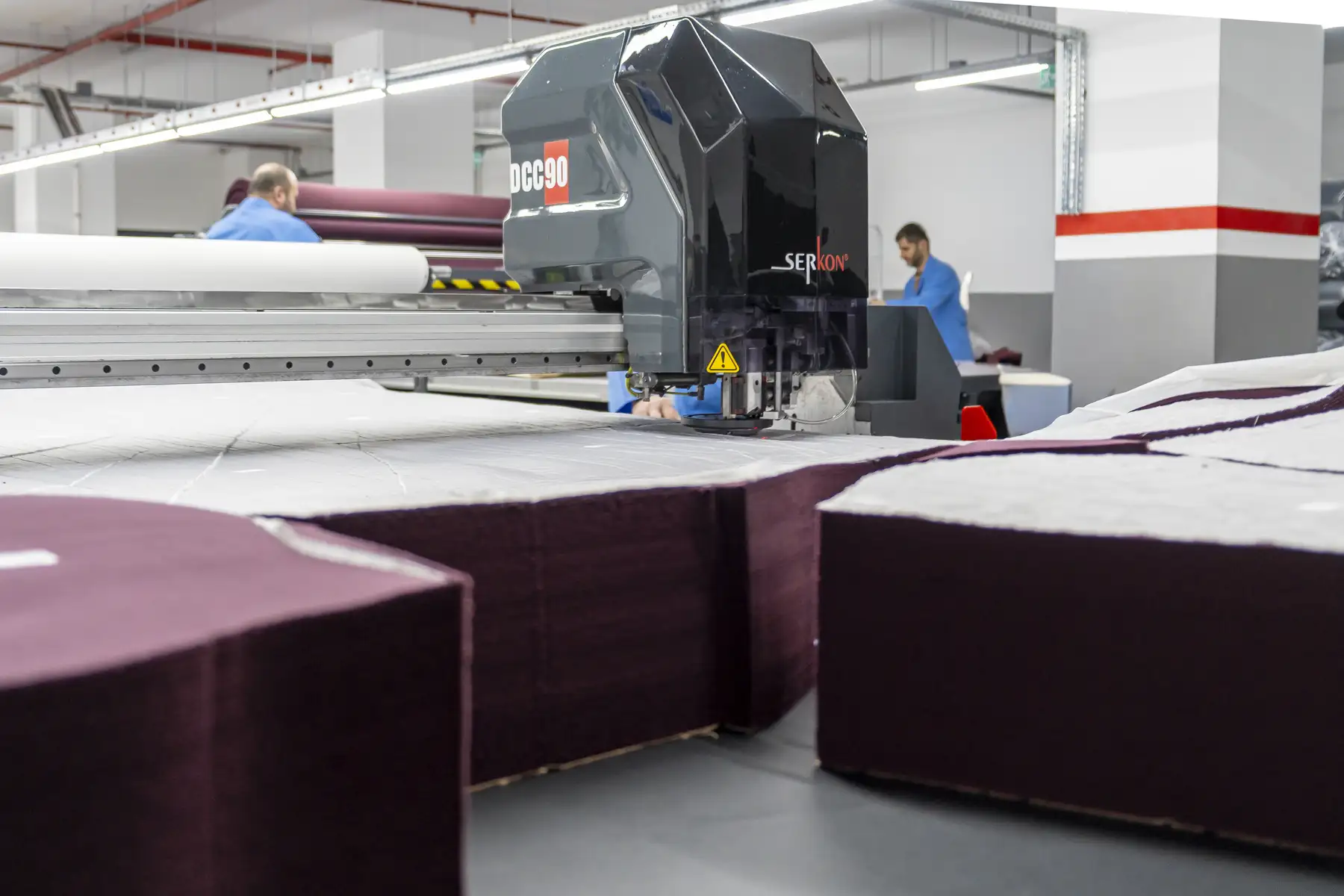
Cut bundles are organised by:
- Style
- Colour
- Size
- Production batch
During sewing, these components move through a planned sequence of operations.
A hoodie, for example, may require the assembly of the body, sleeves, hood, pocket and rib components before final topstitching and finishing.
Quality should be monitored during production rather than checked only after the order is complete. In-line inspections make it easier to identify recurring issues before they affect a large quantity.
10. Printing, Embroidery and Finishing
Branding applications must be integrated into the production sequence.
Some prints are applied to fabric panels before the garment is assembled. Others are added after sewing. Embroidery may require backing material, placement guides and specific machine settings.
The factory should verify:
- Artwork dimensions
- Colour references
- Placement
- Print opacity
- Embroidery density
- Thread colour
- Surface tension
- Alignment
- Wash performance
A sample approval is especially important for artwork. The same digital design can look different when applied through screen printing, direct-to-garment printing, puff print or embroidery.
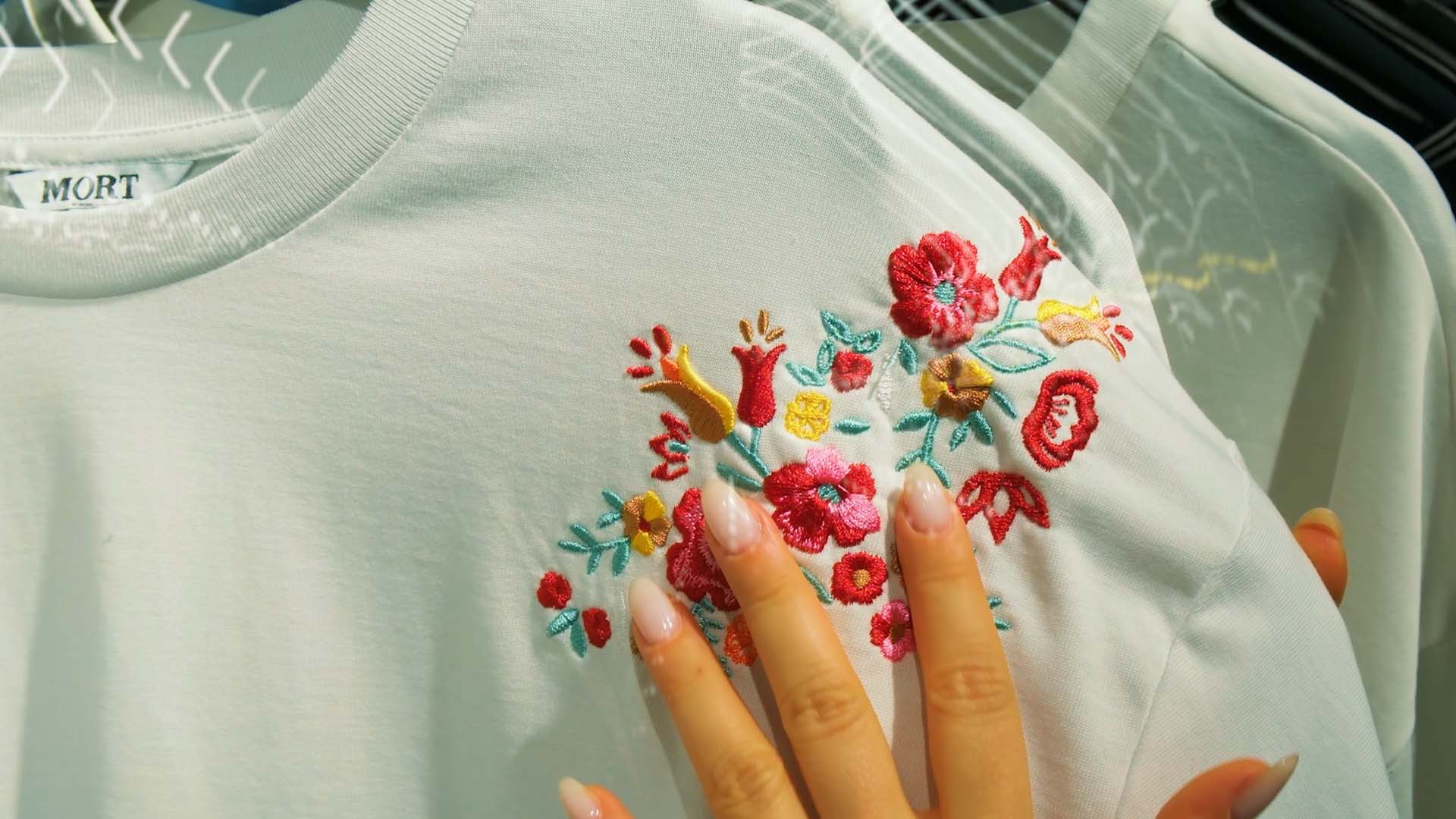
Finishing may also include:
- Garment washing
- Enzyme washing
- Softening
- Brushing
- Pressing
- Thread cleaning
- Measurement adjustment
- Final appearance inspection
Any wash treatment should be tested during development because it can change colour, texture, shrinkage and garment measurements.
11. Quality Control During Production
Quality control is a continuous process rather than a single final inspection.
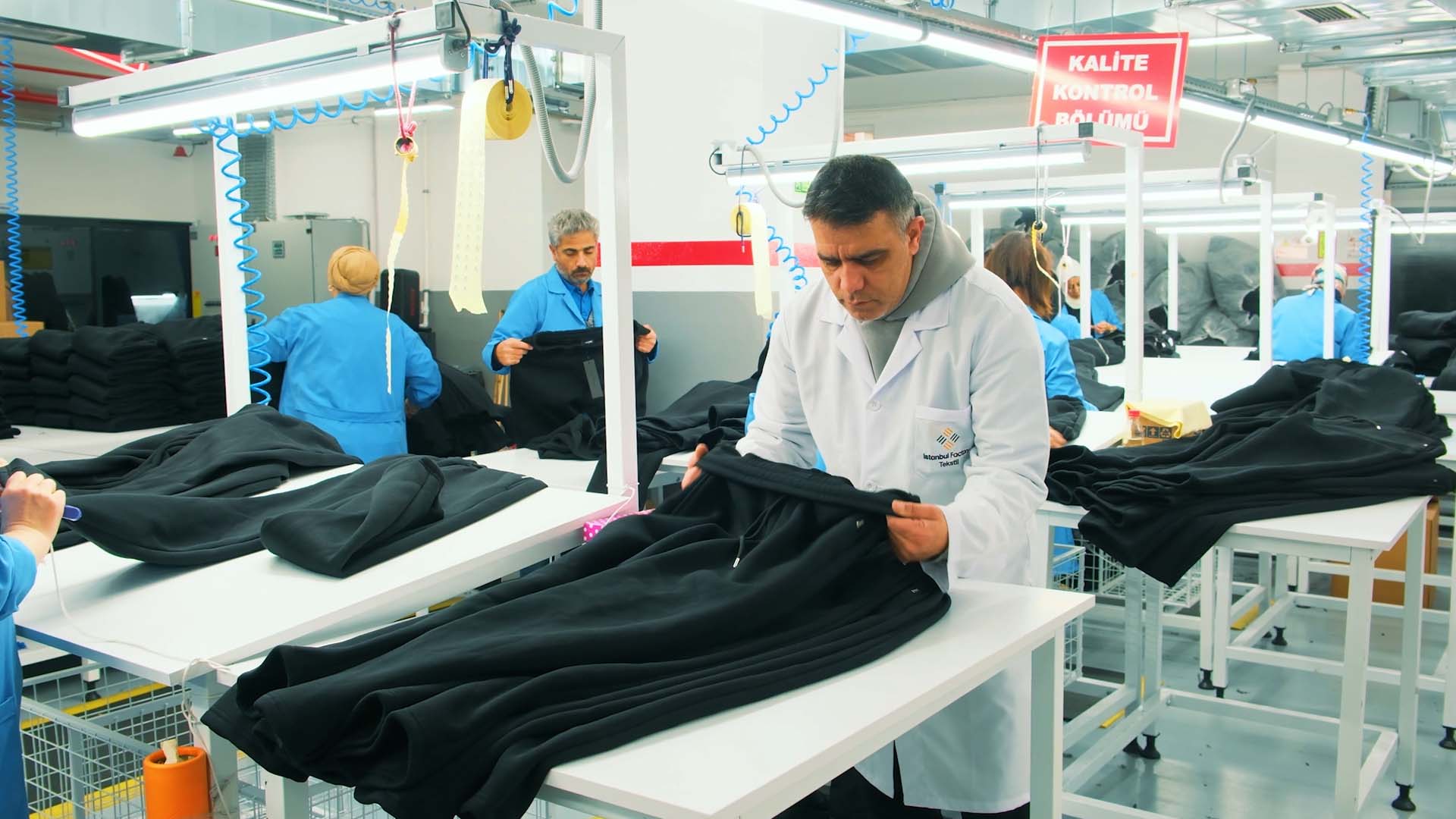
A structured quality system may include:
Incoming Material Inspection
Fabric and trims are checked before production for colour, width, weight, damage and consistency.
In-Line Inspection
Garments are inspected while sewing is in progress. This helps identify construction problems early.
Measurement Inspection
Finished garments are measured against the approved specification and permitted tolerances.
Workmanship Inspection
Inspectors review:
- Stitch consistency
- Seam strength
- Loose threads
- Fabric damage
- Symmetry
- Pocket placement
- Rib attachment
- Label placement
- Print or embroidery quality
- Overall cleanliness
Final Inspection
Completed garments are compared with the approved pre-production sample before packing and shipment.
Brands should agree on quality expectations before production. Terms such as “premium quality” are subjective unless they are supported by measurable standards and approved physical references.
12. Packaging and Delivery
Packaging is the final part of the product experience.
The brand may specify:
- Folding method
- Individual polybags
- Recycled or lower-plastic packaging
- Size stickers
- Barcode labels
- Hangtags
- Tissue paper
- Branded boxes
- Carton quantities
- Carton markings
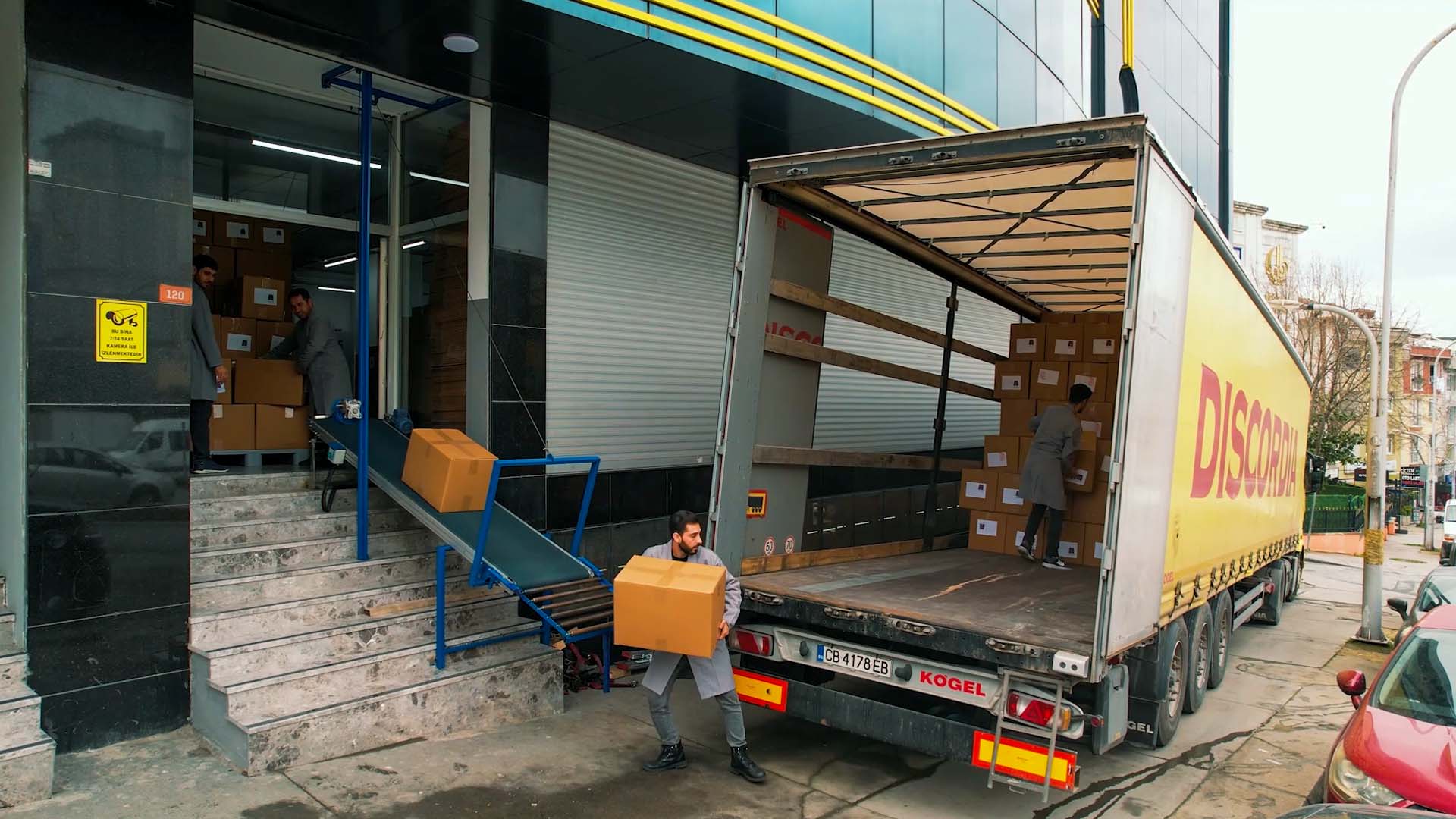
These details should be confirmed before bulk production because packaging materials also require sourcing and approval.
The shipment is then prepared according to the agreed delivery terms. Accurate packing lists, carton information and export documents help reduce delays during transportation and customs clearance.
Decisions a Brand Must Approve Before Production
Before a custom garment enters bulk production, the following points should normally be confirmed:
- Final design and silhouette
- Approved tech pack
- Fabric composition and weight
- Fabric colour
- Trim specifications
- Base-size measurements
- Graded size chart
- Construction details
- Print and embroidery
- Labels and branding
- Wash and finishing treatment
- Pre-production sample
- Order quantities
- Packaging instructions
- Delivery terms
A clear approval process protects both the brand and the manufacturer.
Common Development Mistakes to Avoid
Changing the Design After Material Booking
Late changes can make ordered fabric or trims unusable and may require new sampling.
Approving a Sample Without Checking Measurements
A garment may look correct on one model but still differ from the approved specification.
Selecting Fabric Based Only on GSM
Fabric weight matters, but composition, yarn quality, knitting structure and finishing are equally important.
Skipping the Size Set
A well-fitting medium size does not guarantee that the smallest and largest sizes will fit correctly.
Sending Feedback Through Multiple Channels
Comments spread across email, messaging apps and verbal discussions can create confusion. Use one consolidated approval document.
Treating Packaging as a Last-Minute Decision
Custom bags, labels, barcodes and hangtags may have their own minimum quantities and production lead times.
Why Fashion Brands Manufacture in Istanbul
Istanbul offers access to a broad textile and garment production ecosystem. Fabric suppliers, dyeing facilities, print and embroidery workshops, pattern makers, sample rooms and garment factories can operate within a relatively concentrated production network.
For European brands, Istanbul is also positioned closer to key markets than many long-distance sourcing destinations. This can support more direct communication, factory visits and flexible transportation options.
The main advantage, however, is not location alone. A successful production partnership depends on technical communication, realistic planning, transparent approvals and consistent quality control.
Brands should evaluate a manufacturer based on its suitability for the specific product rather than choosing by price alone.
Develop Your Collection With Istanbul Factory
Istanbul Factory supports fashion brands, streetwear labels, startups and established companies through the complete custom clothing manufacturing process.
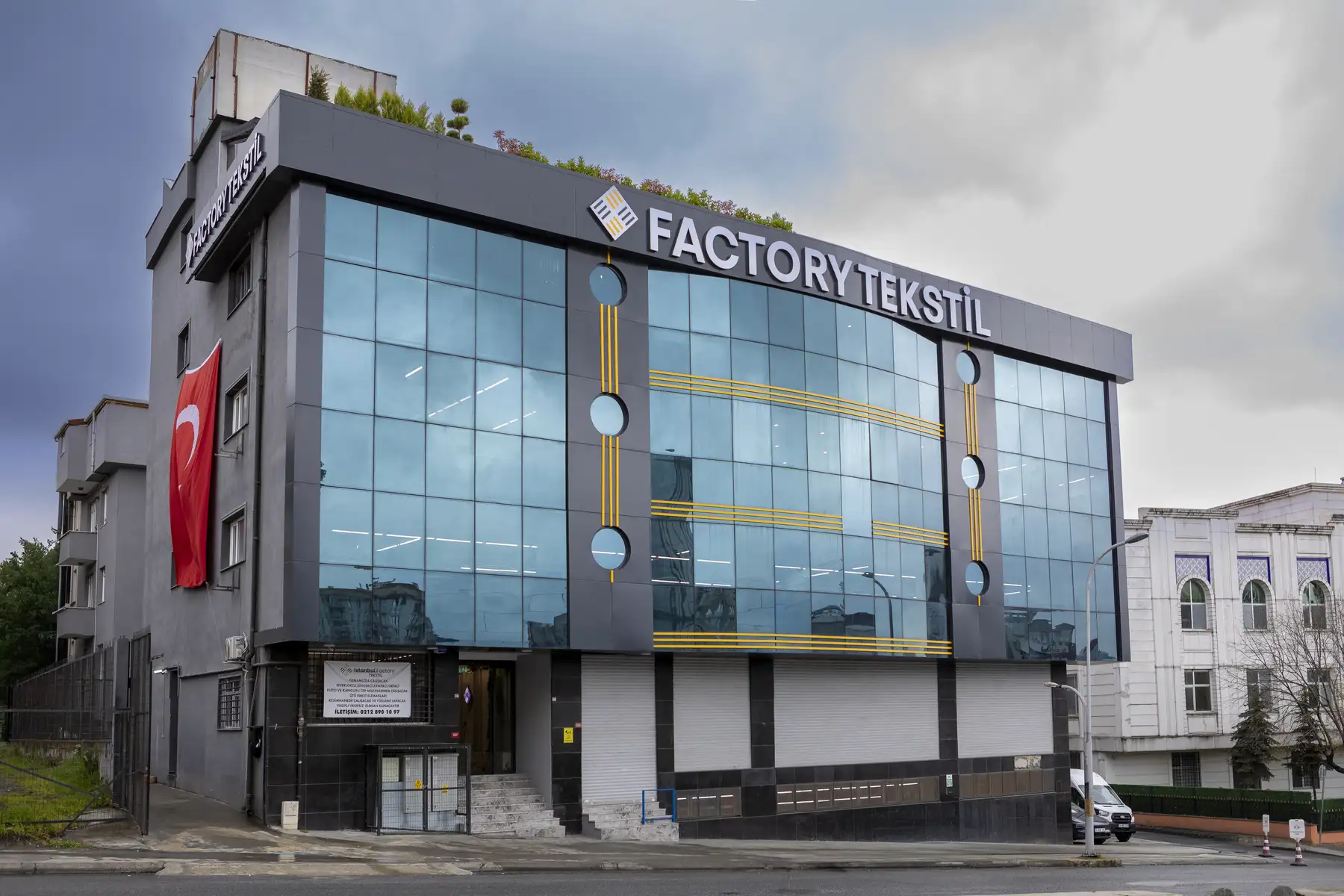
Our production services include:
- Fabric and trim sourcing
- Tech pack review and product development
- Pattern making
- Garment sampling
- Cut and sew manufacturing
- Printing and embroidery
- Private label development
- Quality control
- Packaging and export preparation
We work with brands that want more control over their products than standard blank garments can provide.
Whether you are developing a heavyweight streetwear collection, premium essentials or a complete private label range, the process begins with clear specifications and structured approvals.
Contact Istanbul Factory to discuss your designs, target quantities, materials and production requirements.
Frequently Asked Questions
What is custom clothing manufacturing?
Custom clothing manufacturing is the production of garments according to a brand’s own design, fabric, fit, measurements, construction, branding and packaging specifications. The garment is developed specifically for the brand rather than selected from a catalogue of ready-made products.
Do I need a tech pack to manufacture custom clothing?
A complete tech pack is strongly recommended because it gives the manufacturer clear information about measurements, materials, construction and branding. Brands without a finished tech pack can begin with sketches or reference garments, but the missing technical details must be developed before bulk production.
How many samples are needed before bulk production?
The number depends on the complexity of the garment and the accuracy of the initial specifications. A typical development process may include a prototype, one or more fit samples, a size set and a pre-production sample.
What is a pre-production sample?
A pre-production sample is a garment made with the approved fabric, pattern, trims, colours, construction and branding details. Once approved, it becomes the main reference for bulk production and quality control.
What is the difference between custom clothing and private label clothing?
Custom clothing is developed according to the brand’s original product specifications. Private label production refers to garments sold under the client’s brand and may include either fully custom products or existing manufacturer styles with customised labels and branding.
Can custom garments include printing and embroidery?
Yes. Screen printing, digital printing, embroidery and other applications can be integrated into custom garment production. The artwork, size, colour, placement and application method should be sampled and approved before bulk production.
Why is sampling important in clothing manufacturing?
Sampling allows the brand and manufacturer to test the fit, construction, fabric performance, branding and finishing before producing a full order. It reduces the risk of repeating a design or technical problem across the complete production quantity.

1 Comment