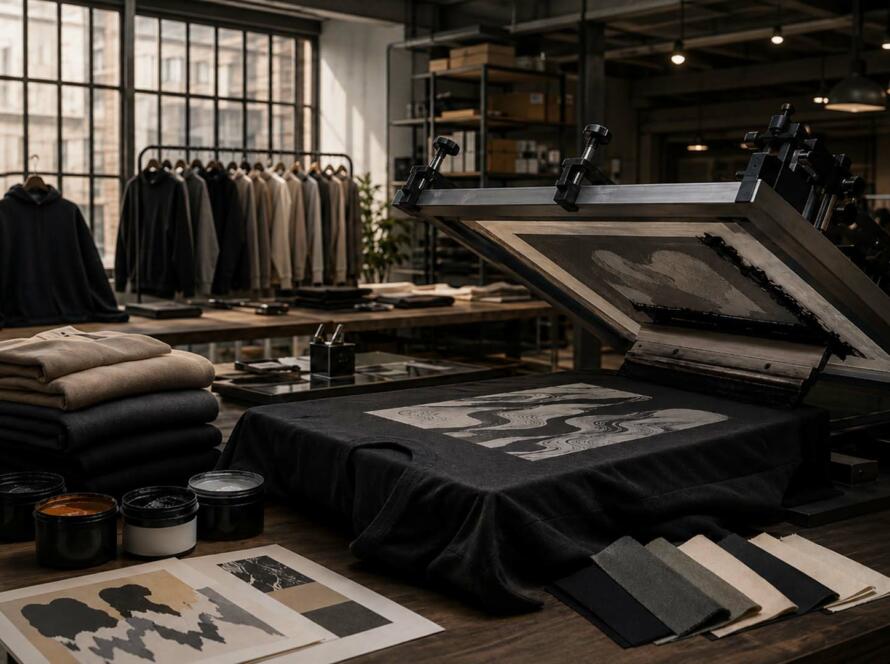


Choosing the right printing method can change how a garment feels, lasts, photographs, and sells.
A heavy hoodie with a cracked print looks cheap. A premium T-shirt with the wrong transfer can feel plastic. A uniform logo that fades after a few washes damages trust. For fashion brands, printing is not just decoration. It is part of product quality.
That is why professional textile printing services should always start with the garment itself: fabric composition, weight, color, print size, design detail, order quantity, and the customer’s expected use.
At Istanbul Factory, printing is handled as part of the full production process. The goal is simple: match the right print technique with the right product, instead of forcing one method onto every garment.
Quick Answer: What Is the Best Textile Printing Method?
The best textile printing method depends on the product:
- Screen printing is best for bulk orders, bold graphics, streetwear, uniforms, and long-lasting prints.
- DTG printing is best for detailed artwork, small batches, cotton T-shirts, and colorful designs.
- DTF printing is suitable for flexible designs, multiple fabric types, logos, merch, and smaller production runs.
- Heat transfer works well for names, numbers, personalization, promotional garments, and low-volume orders.
- Puff print is best for streetwear graphics with raised texture.
- Rubber print is ideal for bold, flexible, slightly raised prints on casualwear and sports-inspired styles.
- Discharge print is best for soft-hand prints on dark cotton garments.
- Specialty prints should be tested carefully before bulk production.
There is no universal “best” method. The best choice is the one that fits the fabric, design, quantity, budget, and brand positioning.
What Are Textile Printing Services?
Textile printing services are production processes used to apply artwork, logos, graphics, patterns, or branding details onto garments and fabrics.
In clothing manufacturing, printing can be used for:
- T-shirts
- Hoodies
- Sweatshirts
- Joggers
- Uniforms
- Tote bags
- Merch collections
- Streetwear drops
- Private label garments
- Promotional apparel
- Premium fashion pieces
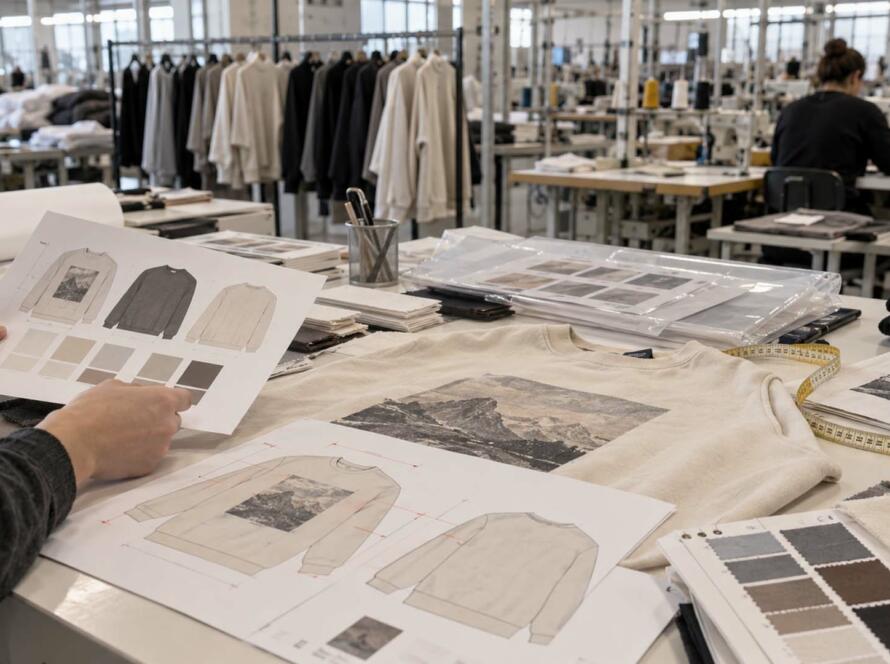
A professional clothing manufacturer does more than print a file onto fabric. The process should include artwork preparation, fabric testing, color matching, sampling, curing, wash testing, and quality control.
For B2B fashion brands, this matters because a print must survive real use: washing, stretching, ironing, packing, shipping, and customer wear.
Key Factors Before Choosing a Printing Method
Before deciding between screen printing, DTG, DTF, heat transfer, or specialty printing, a brand should answer a few practical questions.
1. What Fabric Are You Printing On?
Cotton, polyester, fleece, French terry, jersey, rib, and blended fabrics react differently to ink and heat.
For example, cotton jersey is usually easier to print than high-stretch synthetic fabric. Heavy fleece may require different pressure, curing, and ink handling than a lightweight T-shirt.
2. Is the Garment Light or Dark?
Dark garments often need a white base layer or special ink system to keep colors visible. This affects cost, hand feel, and production time.
3. How Detailed Is the Design?
A simple one-color chest logo and a full-color photographic artwork need different methods.
4. How Many Pieces Are You Producing?
Some methods become more cost-effective in bulk. Others are better for small runs, samples, or limited drops.
5. What Hand Feel Do You Want?
“Hand feel” means how the print feels when touched.
Some brands want a soft, barely-there print. Others want a bold raised texture. A streetwear hoodie may benefit from puff print, while a premium minimalist T-shirt may need a softer result.
6. How Durable Should the Print Be?
Uniforms, workwear, and frequently washed garments need strong print durability. Fashion items may require a balance between texture, appearance, and wash resistance.
Screen Printing
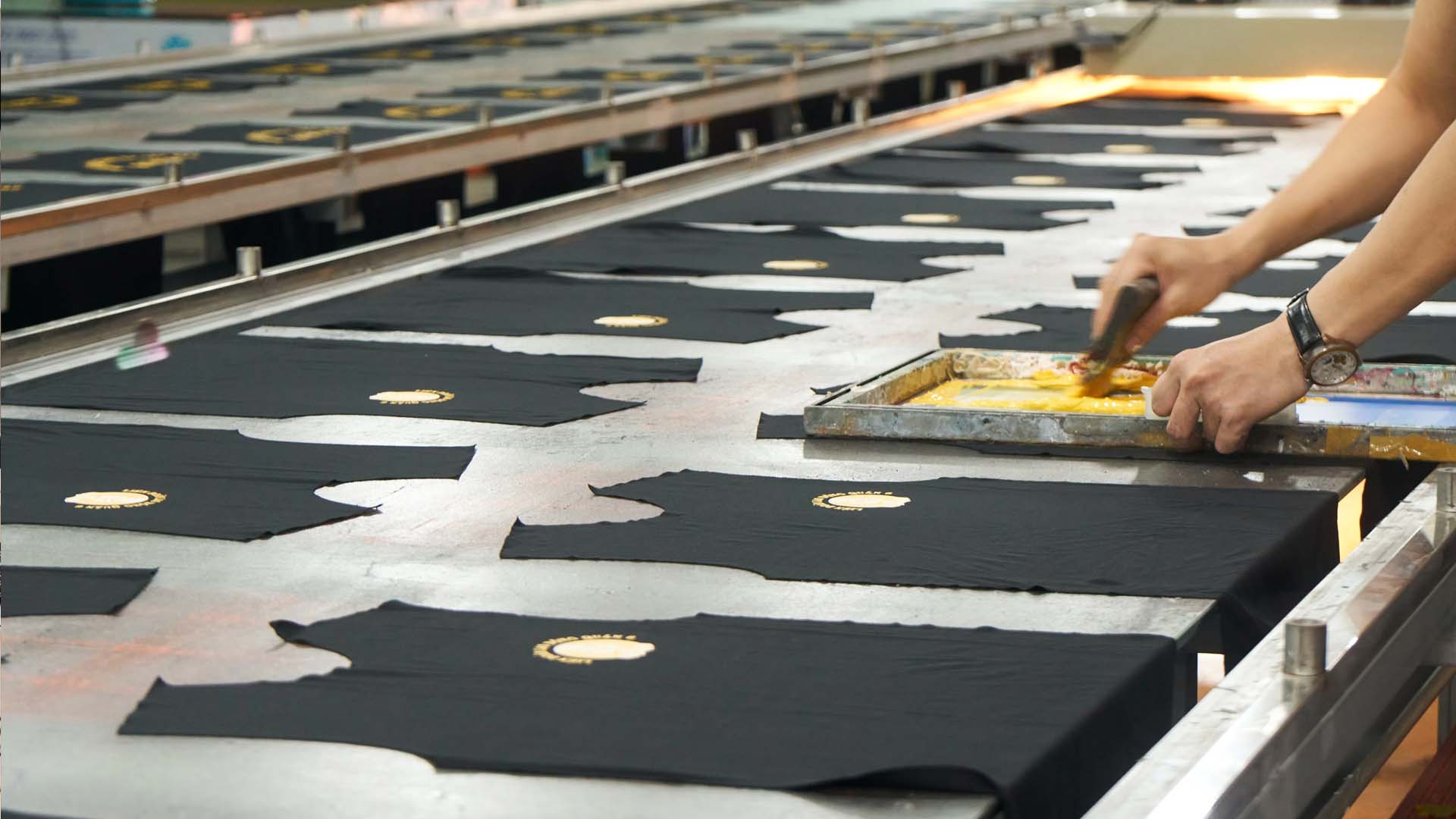
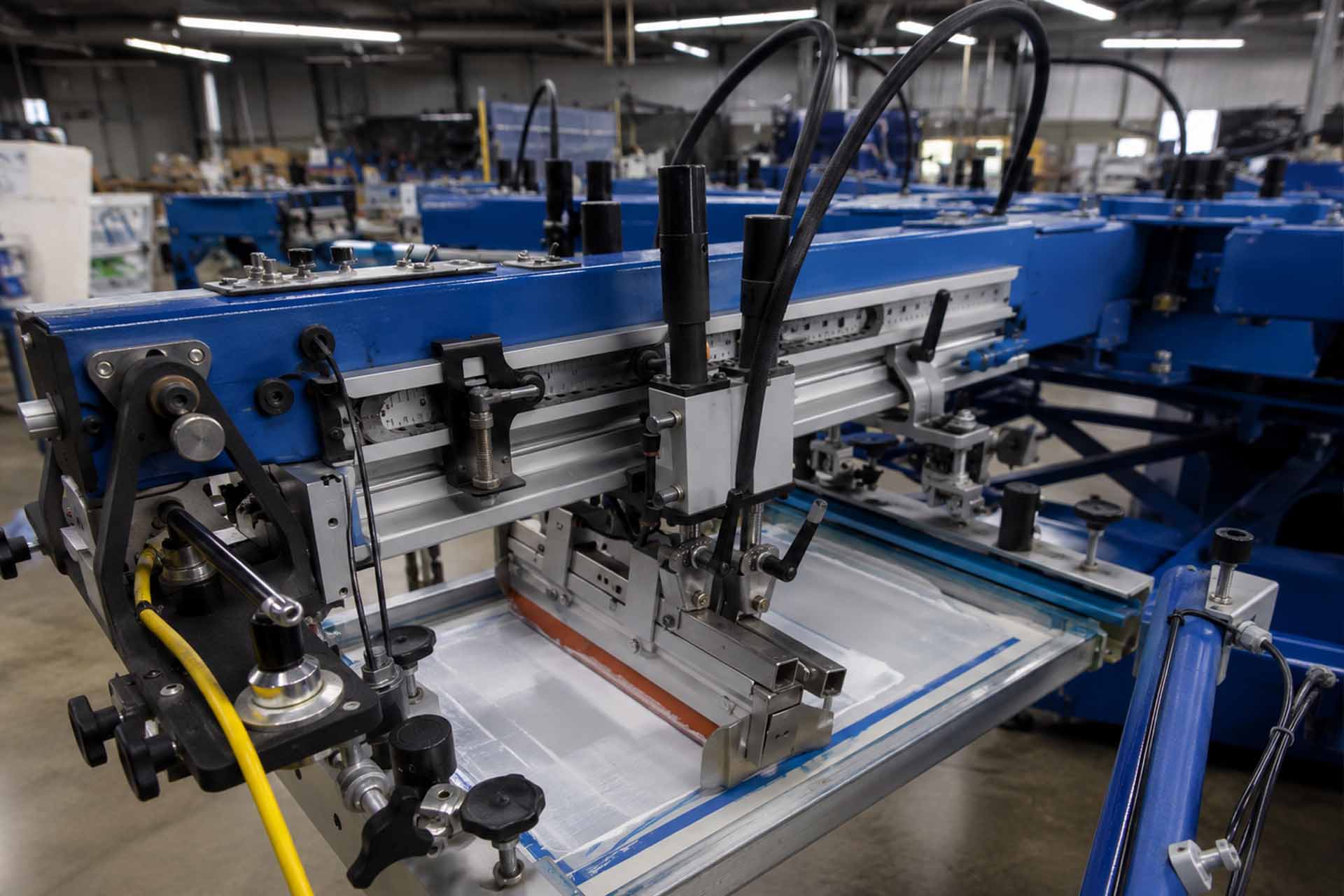
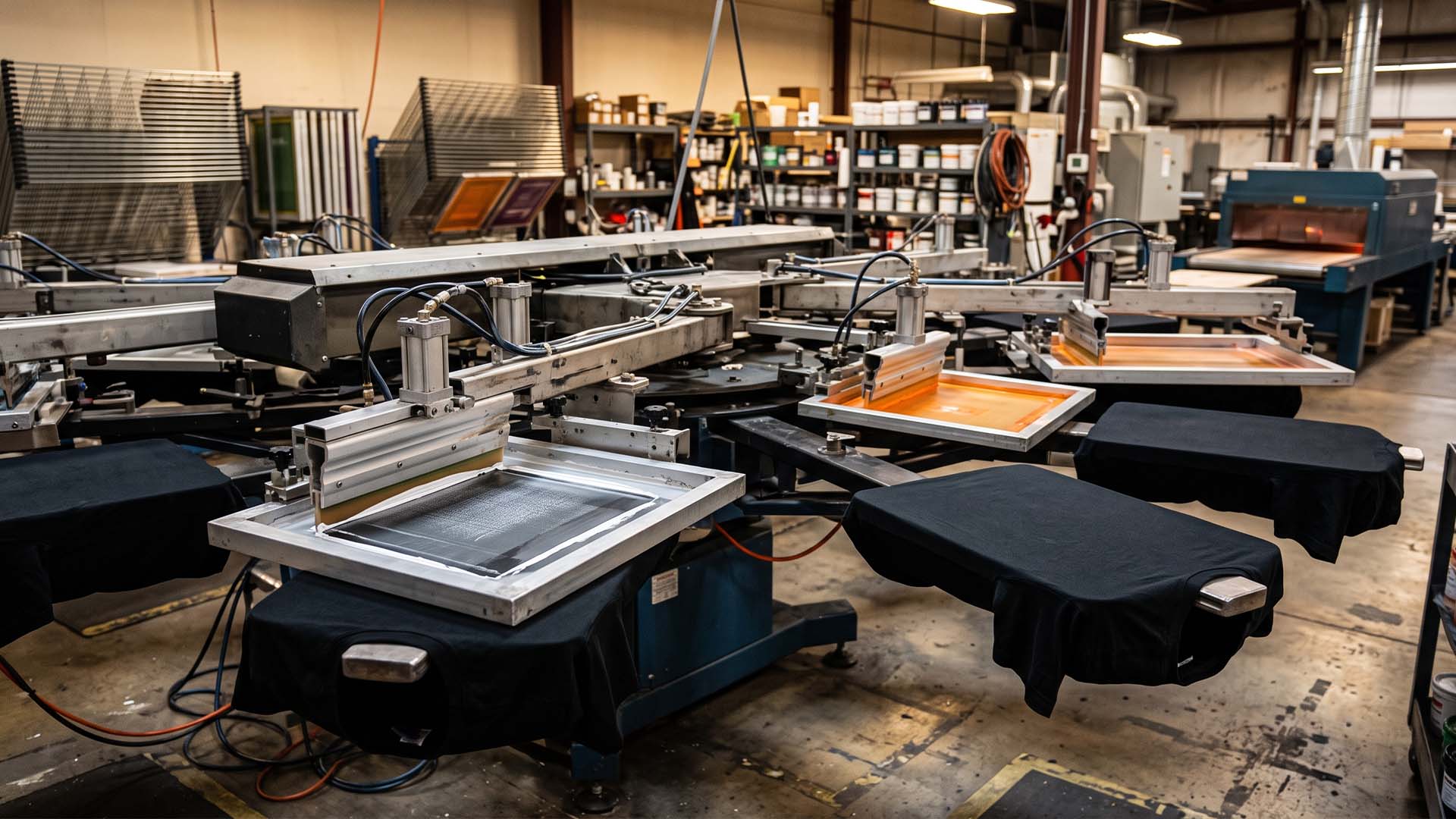
Screen printing is one of the most established methods in garment printing. It uses a mesh screen and stencil to push ink onto the fabric. Each color usually requires a separate screen.
Best For
Screen printing is suitable for:
- Bulk T-shirt production
- Hoodies and sweatshirts
- Streetwear graphics
- Merch collections
- Uniforms
- Bold logos
- Simple artwork with limited colors
Advantages
Screen printing is popular because it can create strong, vibrant, durable prints. It works especially well when the design uses solid colors and the order quantity is high.
For streetwear brands, screen printing is often a strong choice for oversized logos, back prints, chest graphics, and sleeve prints.
Limitations
Screen printing requires setup. If the design has many colors, the setup becomes more complex. It is usually less efficient for very small quantities or highly detailed photographic artwork.
Practical Example
If a streetwear brand wants 500 black oversized T-shirts with a bold white back print, screen printing is usually one of the best options. It offers good opacity, strong durability, and efficient bulk production.
DTG Printing
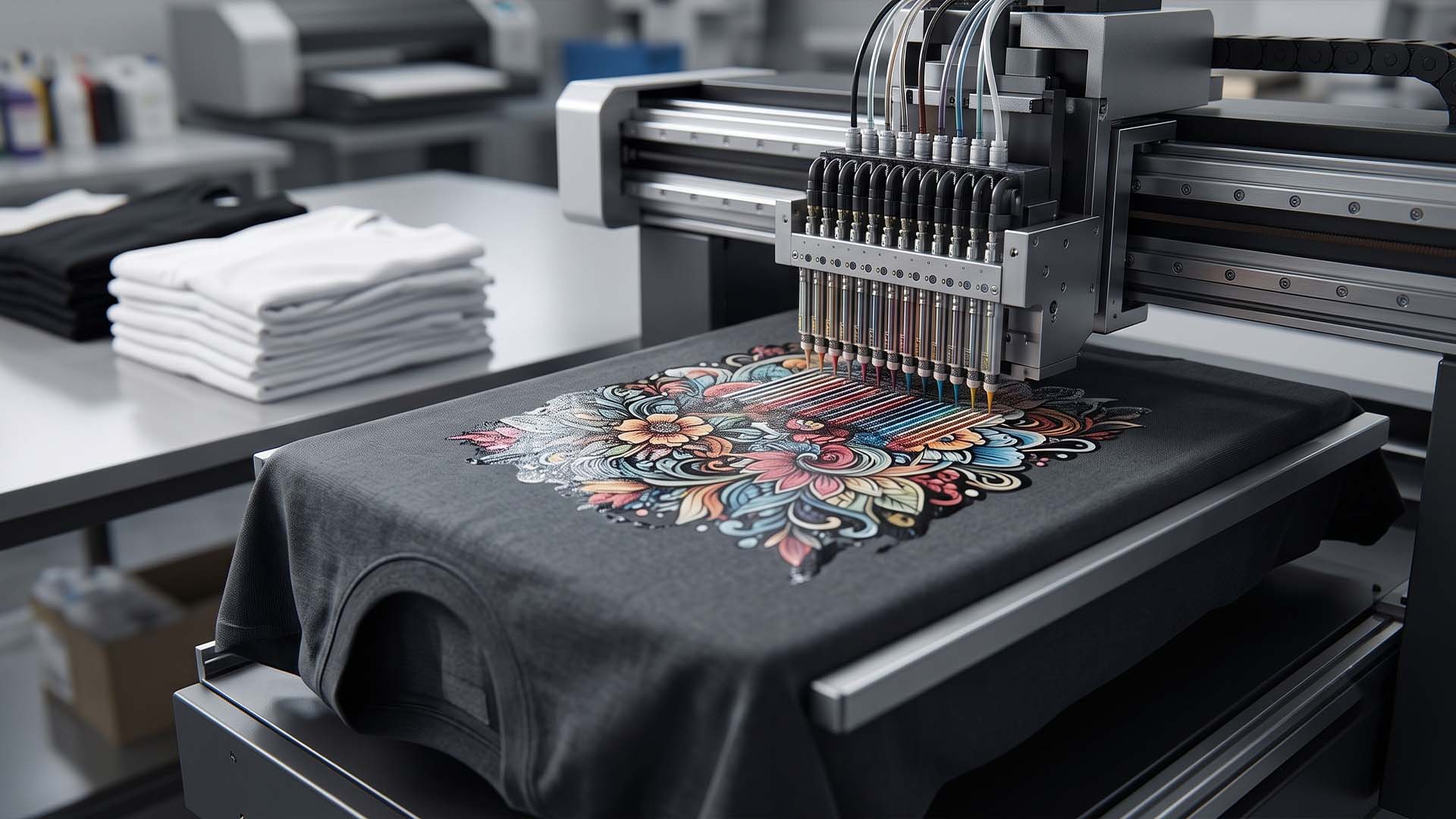
DTG means Direct-to-Garment printing. It works like a specialized inkjet printer for garments, printing the artwork directly onto the fabric.
Best For
DTG printing is suitable for:
- Detailed artwork
- Full-color designs
- Small-batch T-shirts
- Cotton garments
- Samples
- Limited drops
- Print-on-demand style collections
Advantages
DTG is useful when the artwork has gradients, shadows, many colors, or illustration details. It avoids the need to create a separate screen for every color.
It can also produce a softer feel than some transfer-based methods, especially on suitable cotton garments.
Limitations
DTG is usually best on cotton or cotton-rich fabrics. Dark garments often need pretreatment and a white ink base, which can affect production handling and final feel.
It is not always the best option for heavy fleece, synthetic garments, or very large bulk orders where screen printing may be more efficient.
Practical Example
If a fashion brand wants a small run of white cotton T-shirts with detailed artwork, DTG can be a smart option. It allows visual detail without the setup cost of multiple screens.
DTF Printing
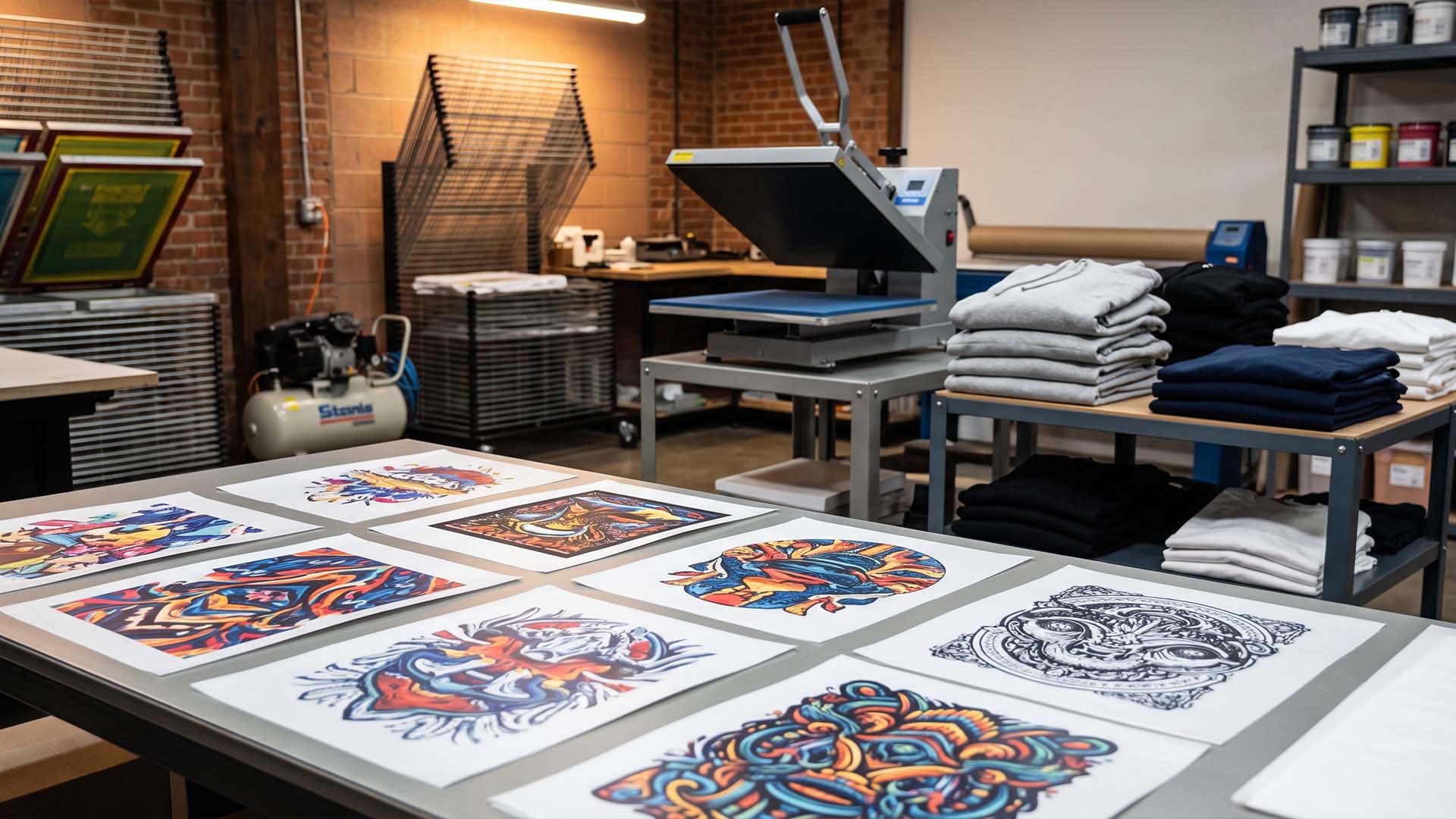
DTF means Direct-to-Film printing. The design is printed onto a special film, adhesive powder is applied, and the transfer is heat-pressed onto the garment.
Best For
DTF printing is suitable for:
- Small to medium production runs
- Multi-color logos
- Merch
- Uniform branding
- Cotton, polyester, and blended fabrics
- Designs with fine details
- Flexible garment types
Advantages
DTF is versatile. It can be applied to many fabric types and works well for colorful designs, logos, and smaller orders.
It is also useful when a brand needs the same design applied across different products, such as T-shirts, hoodies, caps, and bags.
Limitations
DTF has a more noticeable surface feel than DTG or discharge printing. For premium fashion, this may or may not be acceptable depending on the brand’s desired finish.
Large solid DTF prints can sometimes feel heavier on the garment, especially on lightweight fabrics.
Practical Example
If a merch brand needs 150 hoodies and 150 T-shirts with the same full-color logo, DTF can offer flexibility and clean visual results without complicated screen setup.
Heat Transfer Printing
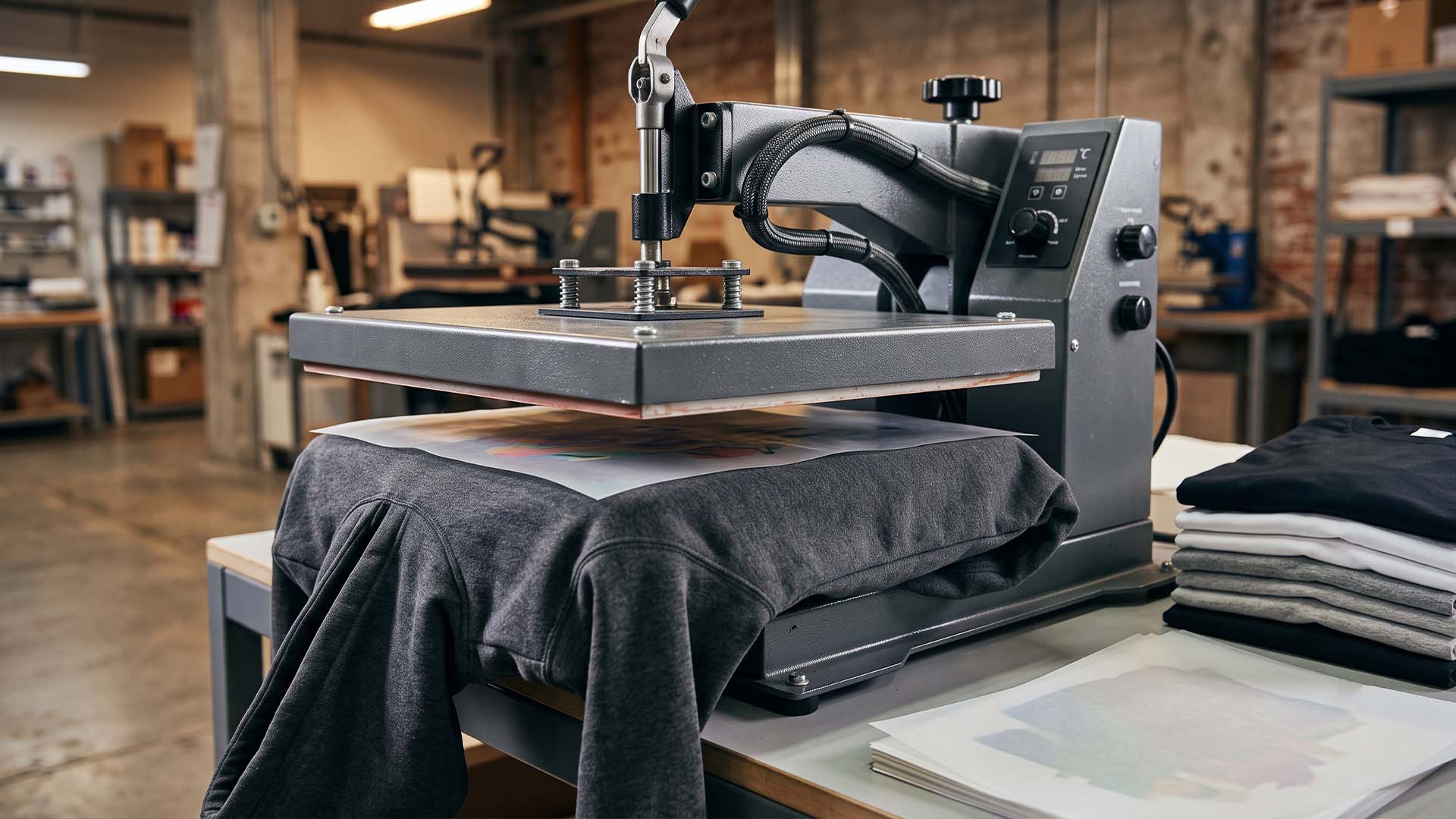
Heat transfer printing uses heat and pressure to apply a pre-made design, vinyl, transfer paper, or printed transfer onto the garment.
Best For
Heat transfer is suitable for:
- Names and numbers
- Sportswear
- Event apparel
- Promotional garments
- Small batches
- Personalization
- Simple logos
- Staff uniforms
Advantages
Heat transfer is flexible and fast for personalization. It is commonly used when every garment needs a different name, number, or small branding detail.
It can be useful for low-volume production where screen setup is not practical.
Limitations
The quality depends heavily on the transfer material, heat press settings, fabric compatibility, and application technique.
Poor transfers can peel, crack, or feel too plastic. Premium brands should test the result before approving bulk production.
Practical Example
If a company orders staff uniforms with individual names, heat transfer can be practical. It allows customization without changing the full production setup.
Puff Print
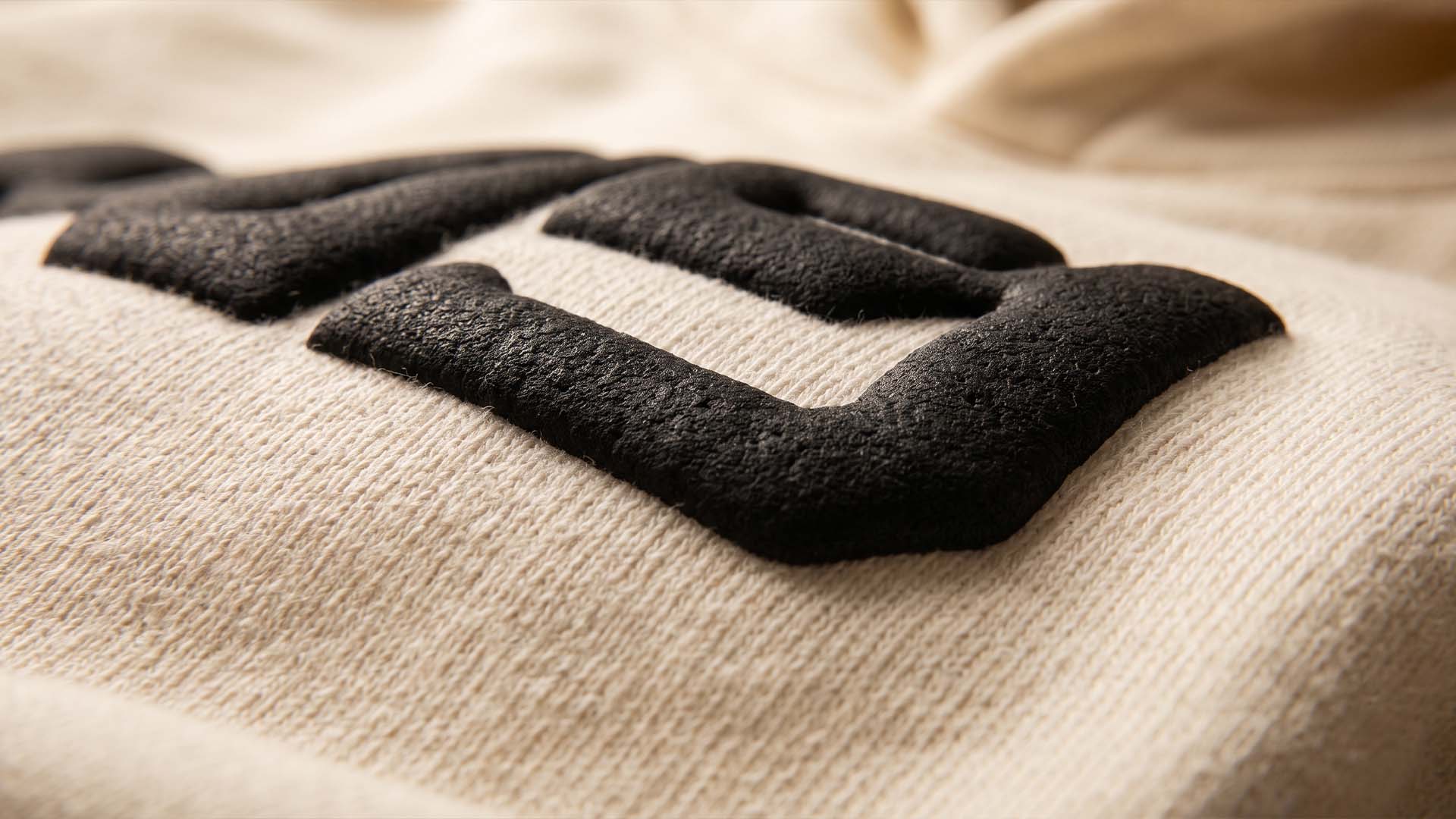
Puff print is a specialty printing technique that creates a raised, three-dimensional effect. The ink expands during curing, giving the design volume and texture.
Best For
Puff print is suitable for:
- Streetwear
- Hoodies
- Sweatshirts
- Bold chest logos
- Minimal raised branding
- Premium casualwear
- Limited-edition drops
Advantages
Puff print adds texture and visual depth. It can make a simple logo feel more premium and distinctive.
Streetwear brands often use puff print because it photographs well and gives garments a tactile detail customers notice immediately.
Limitations
Puff print is not ideal for extremely fine details. Thin lines may lose sharpness when the ink expands.
The artwork must be prepared correctly. Spacing, line thickness, and print size all matter.
Practical Example
A black heavyweight hoodie with a tonal puff logo on the chest can feel much more elevated than a flat print. For premium streetwear, that small texture can make the product feel more intentional.
Rubber Print
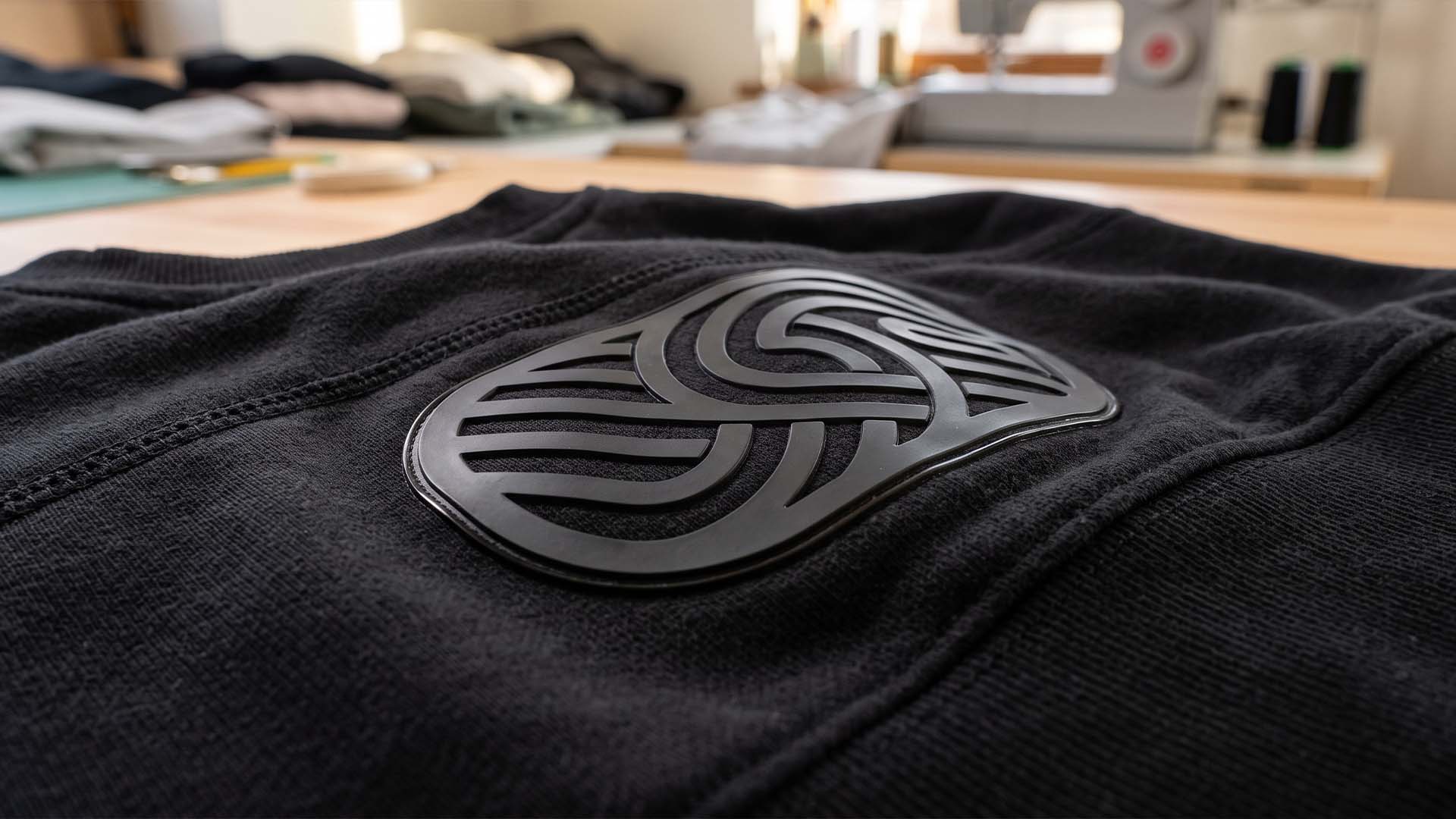
Rubber print creates a flexible, slightly raised print with a smooth surface. It is often used for bold logos, sports-inspired graphics, and modern casualwear.
Best For
Rubber print is suitable for:
- Hoodies
- Sweatshirts
- Joggers
- Sportswear-inspired fashion
- Streetwear
- Brand logos
- Bold graphic elements
Advantages
Rubber print has a clean, strong appearance. It can create good opacity on darker fabrics and gives the garment a structured graphic look.
It is often chosen when the brand wants the print to feel visible and physical, rather than soft and absorbed into the fabric.
Limitations
Rubber print has more hand feel than water-based or discharge prints. If the print area is very large, it may feel heavier.
It also requires proper curing and wash testing to maintain durability.
Practical Example
A premium tracksuit with a rubber logo on the chest and leg can create a sharp branded look without using embroidery.
Discharge Print
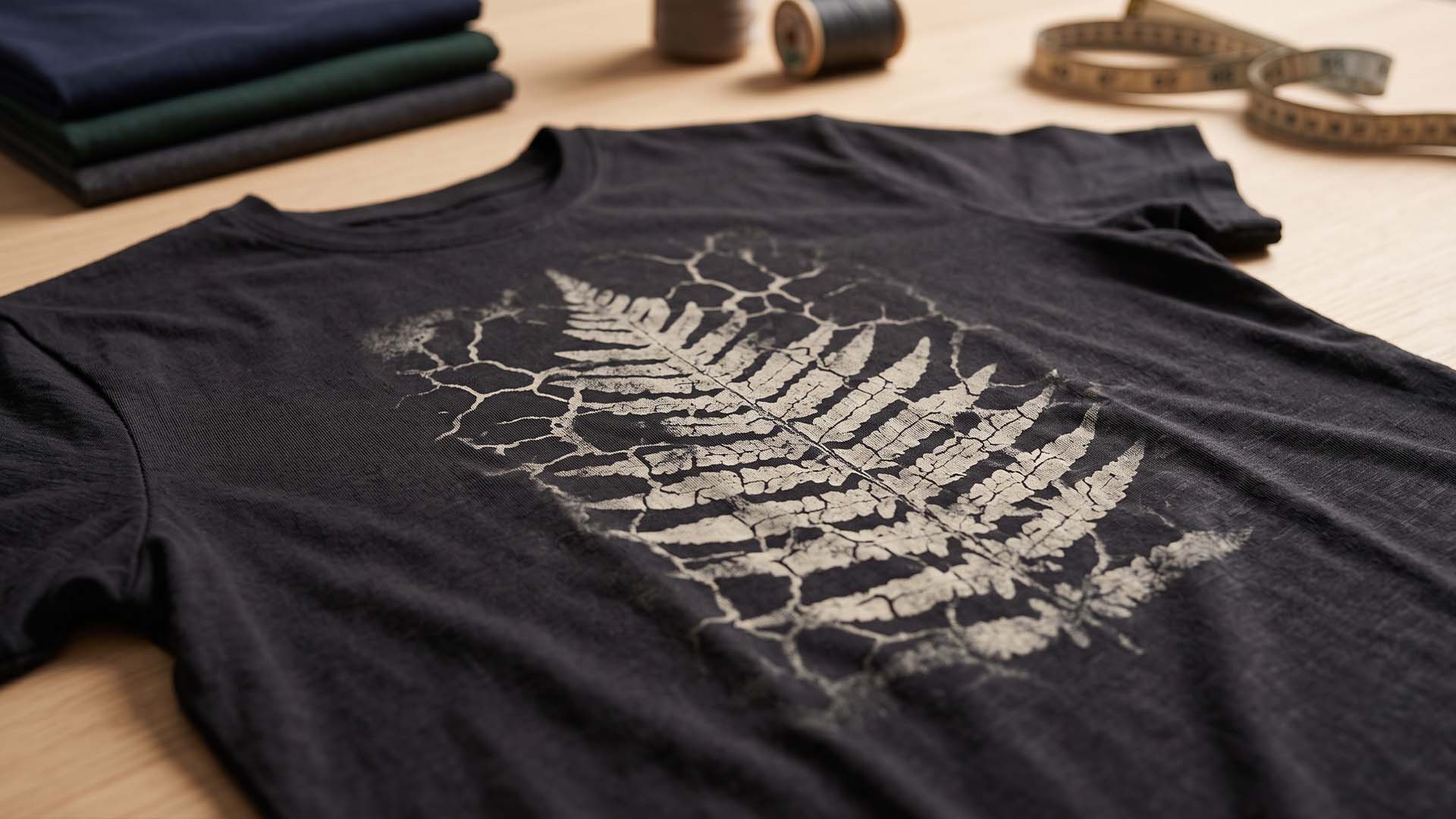
Discharge printing is usually used on dark cotton garments. Instead of placing a heavy ink layer on top of the fabric, the print process removes or alters the garment dye and replaces it with pigment.
Best For
Discharge print is suitable for:
- Dark cotton T-shirts
- Vintage-style streetwear
- Soft-hand graphics
- Premium basics
- Designs where comfort matters
- Large prints that should not feel heavy
Advantages
The main benefit is softness. Because the print becomes part of the fabric rather than sitting heavily on top, discharge printing can create a very comfortable result.
It is especially useful for large graphics where a thick plastisol print would feel too heavy.
Limitations
Discharge printing works best on suitable cotton garments dyed with compatible dyes. Not every fabric discharges well.
Color results can vary depending on the garment dye, fabric quality, and production conditions. Testing is important before bulk approval.
Practical Example
If a premium streetwear brand wants a large vintage-style graphic on a black cotton T-shirt, discharge printing may deliver a softer and more wearable finish than a heavy surface print.
Which Printing Method Is Best for Streetwear?
Streetwear often depends on strong visuals, texture, and garment weight. The right method depends on the brand’s identity.
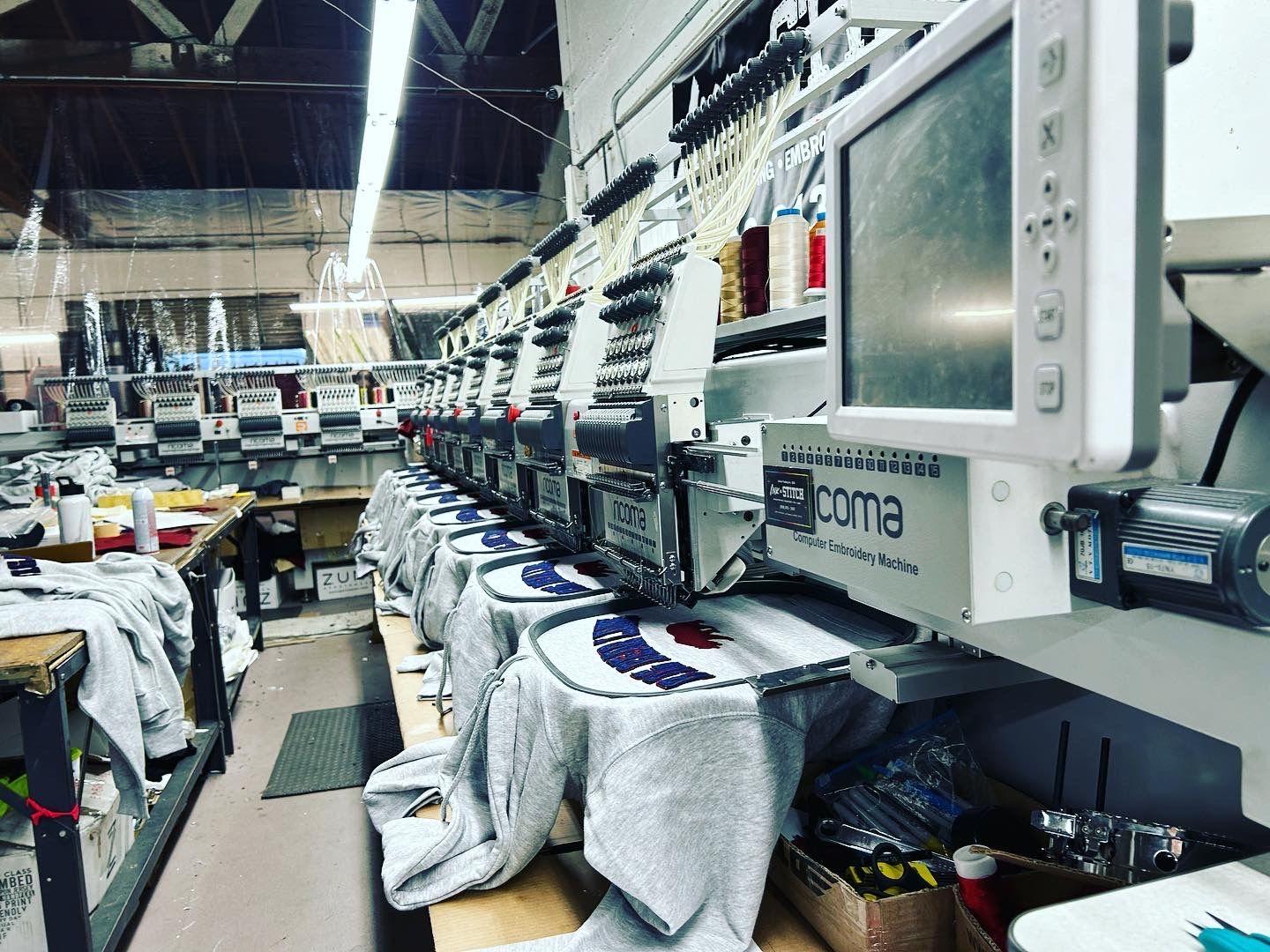
For streetwear, good options include:
- Screen printing for bold graphics and bulk production
- Puff print for raised logos and premium texture
- Rubber print for clean, strong branding
- Discharge print for soft vintage-style graphics
- DTF for colorful smaller drops or mixed garment types
A heavyweight hoodie may look excellent with puff or rubber print, while a washed cotton T-shirt may suit discharge printing better.
Which Printing Method Is Best for Merch?
Merch usually needs a balance between cost, speed, durability, and visual impact.
For merch, good options include:
- Screen printing for larger quantities
- DTF printing for smaller colorful runs
- Heat transfer for event-based personalization
- DTG printing for detailed artwork on cotton T-shirts
If the merch is for a tour, event, influencer, or corporate campaign, production speed and consistency are especially important.
Which Printing Method Is Best for Uniforms?
Uniforms need durability, clean branding, and repeatable quality.
For uniforms, good options include:
- Screen printing for simple logos in bulk
- DTF printing for multi-color logos
- Heat transfer for names, numbers, or department labels
- Embroidery when a premium corporate finish is required
Uniform printing should always be tested for washing, ironing, and daily wear.
Which Printing Method Is Best for Premium Fashion?
Premium fashion requires more than a good-looking print. The print must match the garment’s price point.
For premium fashion, good options include:
- Discharge print for soft cotton graphics
- Puff print for controlled texture
- Rubber print for modern logo applications
- Screen printing for durable, refined graphics
- Embroidery or appliqué when texture and luxury positioning are needed
Premium brands should avoid choosing a method based only on price. The final touch, weight, opacity, and wash behavior all affect customer perception.
Why Fabric and Printing Should Be Planned Together
Many printing problems begin before printing starts.
A brand may choose a fabric because it looks good, then later discover it does not work well with the desired print technique. This can delay production, increase sampling costs, or force design changes.
That is why fabric sourcing and textile printing services should be planned together.
Important production questions include:
- Will the fabric tolerate heat pressing?
- Does the surface allow sharp print detail?
- Will the print crack when stretched?
- Is the fabric suitable for discharge printing?
- Does the garment need pre-washing?
- Will the print remain stable after washing?
- Does the print feel premium enough for the price point?
At Istanbul Factory, these decisions are reviewed during the development stage so brands can avoid costly mistakes before bulk production.
Why Istanbul and Turkey Matter for Textile Printing
Turkey has a strong textile and apparel manufacturing ecosystem. Istanbul, in particular, gives fashion brands access to fabric suppliers, garment factories, print houses, embroidery workshops, packaging suppliers, and export-focused production teams within one connected manufacturing environment.
For US and European brands, this can be valuable because sampling, fabric sourcing, garment production, printing, quality control, and packing can be coordinated more efficiently.
When printing is managed close to garment production, brands benefit from better communication and faster problem-solving. If the fabric, fit, print placement, or packaging needs adjustment, the production team can respond before the issue becomes expensive.
How Istanbul Factory Supports Textile Printing Services
Istanbul Factory works with fashion brands, streetwear labels, startups, and established companies that need reliable clothing production in Turkey.
Our textile printing services can be integrated into a full production workflow, including:
- Fabric sourcing
- Garment sampling
- Pattern and fit development
- Screen printing
- DTG and DTF options
- Heat transfer applications
- Puff print and rubber print
- Print placement guidance
- Print testing
- Bulk production
- Quality control
- Folding, packing, and export preparation
This approach helps brands choose printing methods based on product quality, not guesswork.
Final Recommendation for Fashion Brands
The right printing method is not the most popular one. It is the method that supports your garment, your customer, and your brand positioning.
For a premium streetwear hoodie, puff or rubber print may create the right feel. For a large merch order, screen printing may be the most efficient. For detailed artwork on cotton T-shirts, DTG may work well. For flexible smaller runs across different fabrics, DTF may be practical. For soft vintage-style prints on dark cotton, discharge printing can be a strong choice.
Before bulk production, always test the print on the actual fabric. A print may look good on a sample swatch but behave differently on a finished garment.
If your brand is developing a printed collection, Istanbul Factory can help you select the right printing method, create samples, review quality, and manage production from fabric to final delivery.
Develop Your Printed Collection with Istanbul Factory
Looking for professional textile printing services for your clothing brand?
Istanbul Factory helps fashion brands, streetwear labels, startups, and premium apparel companies produce high-quality garments in Istanbul, Turkey. From fabric sourcing and sampling to printing, embroidery, quality control, and final packaging, our team supports your production process from start to finish.
Contact Istanbul Factory to discuss your next printed T-shirt, hoodie, sweatshirt, uniform, merch, or private label collection.
FAQ
What are textile printing services?
Textile printing services are professional methods used to apply artwork, logos, graphics, or branding details onto garments and fabrics. Common methods include screen printing, DTG, DTF, heat transfer, puff print, rubber print, and discharge printing.
What is the best printing method for clothing brands?
The best printing method depends on the fabric, design, order quantity, garment color, and desired hand feel. Screen printing is strong for bulk orders, DTG is useful for detailed cotton prints, DTF is flexible for different fabrics, and puff or rubber print works well for streetwear.
Is screen printing better than DTG?
Screen printing is usually better for bulk orders, bold graphics, and long-lasting solid-color prints. DTG is often better for small runs, detailed artwork, and full-color designs on cotton garments.
Is DTF printing good for fashion brands?
DTF printing can be a good option for fashion brands that need colorful designs, smaller quantities, or prints across different fabric types. However, brands should test the hand feel, especially for premium garments.
What printing method is best for streetwear?
Streetwear brands often use screen printing, puff print, rubber print, discharge print, and DTF. The best choice depends on whether the brand wants a bold graphic, raised texture, soft vintage feel, or flexible multi-color design.
What is puff print used for?
Puff print is used to create raised, three-dimensional graphics on garments. It is popular for hoodies, sweatshirts, T-shirts, and premium streetwear pieces.
What is discharge printing?
Discharge printing is a method often used on dark cotton garments. It removes or changes the garment dye and replaces it with pigment, creating a softer print feel than many surface-based inks.
Can Istanbul Factory help choose the right printing method?
Yes. Istanbul Factory supports fashion brands with fabric sourcing, sampling, garment production, textile printing services, quality control, and final packaging. The team helps choose the right method based on fabric, artwork, order size, and brand positioning.