

Starting a clothing brand is exciting, but it is also a serious business project. A good logo and a few product ideas are not enough to build a brand that customers trust, retailers take seriously, and manufacturers can produce correctly.
The strongest fashion brands usually begin with clear positioning, a focused product concept, realistic budgeting, strong development documents, the right fabric choices, proper sampling, and a production partner who understands quality. This is especially important for new founders in the US and Europe who want to launch their first collection professionally rather than test the market with random products.
This guide explains how to start a clothing brand step by step, from your first idea to your first finished collection.
Quick Answer: How Do You Start a Clothing Brand?
To start a clothing brand, you need to define your brand positioning, understand your target audience, choose your product category, create tech packs, select fabrics, develop samples, find a reliable clothing manufacturer, approve production details, plan photography, and prepare a clear launch strategy.
The process is creative, but it should be managed with structure. Every decision you make before production affects cost, quality, timelines, and how your brand will be perceived in the market.
1. Define Your Clothing Brand Positioning
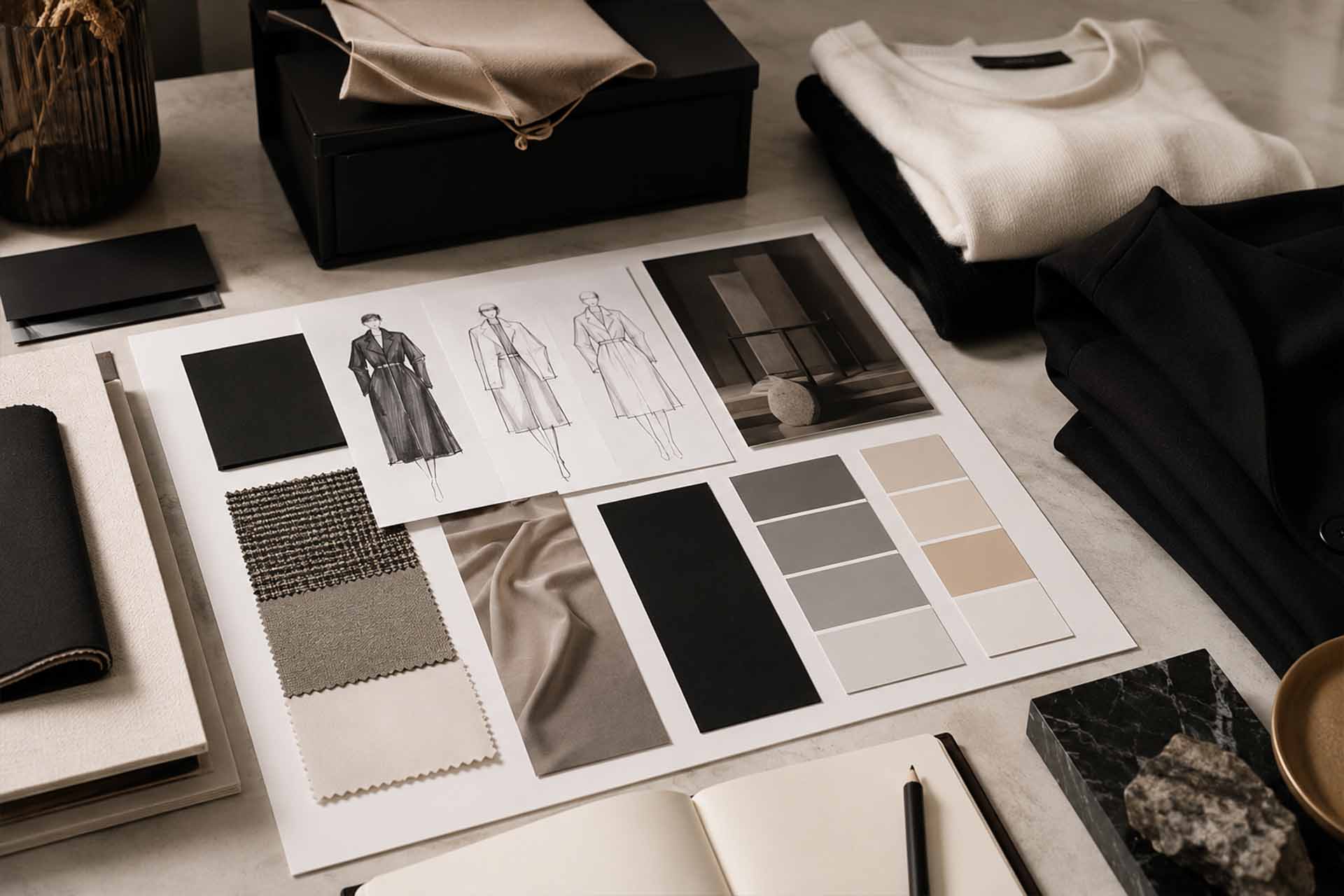
Before designing your first hoodie, T-shirt, dress, tracksuit, or jacket, you need to know what your clothing brand stands for.
Brand positioning answers a simple question:
Why should someone buy from your brand instead of another one?
This does not mean you need a complicated brand manifesto. But you do need clarity. A streetwear brand built around oversized premium basics will make different decisions than a sustainable womenswear label or a luxury resortwear brand.
Key Questions to Ask
Start with questions such as:
- What type of customer are we serving?
- What lifestyle does the brand represent?
- Are we premium, accessible, luxury, technical, sustainable, minimal, bold, or trend-driven?
- What product category will we be known for first?
- What price level do we want to compete in?
- What makes our clothing brand different?
A common mistake is trying to serve everyone. New fashion founders often want to launch hoodies, T-shirts, pants, jackets, caps, bags, and accessories all at once. This usually creates confusion, increases development costs, and makes production harder to control.
A focused first collection is stronger. For example, a premium streetwear startup may begin with heavyweight oversized T-shirts, hoodies, and sweatpants. A sustainable basics brand may start with organic cotton T-shirts and relaxed-fit sweatshirts.
2. Understand Your Target Audience
Your target audience is not just “men and women aged 18–35.” That is too broad to guide product decisions.
You need to understand how your customer thinks, shops, dresses, and evaluates quality. A buyer in Berlin may care about minimal design, fit, and sustainability. A customer in Los Angeles may respond more to lifestyle, visual identity, and drop culture. A premium boutique buyer in London may focus on fabric, finishing, and consistency.
Build a Real Customer Profile
Think about:
- Age range and lifestyle
- Buying habits
- Favorite brands
- Price expectations
- Preferred fits and silhouettes
- Style references
- Fabric expectations
- Online and offline shopping behavior
This helps you avoid designing only for your personal taste. A clothing brand becomes stronger when every product decision is connected to a real customer need.
3. Choose a Clear Product Concept
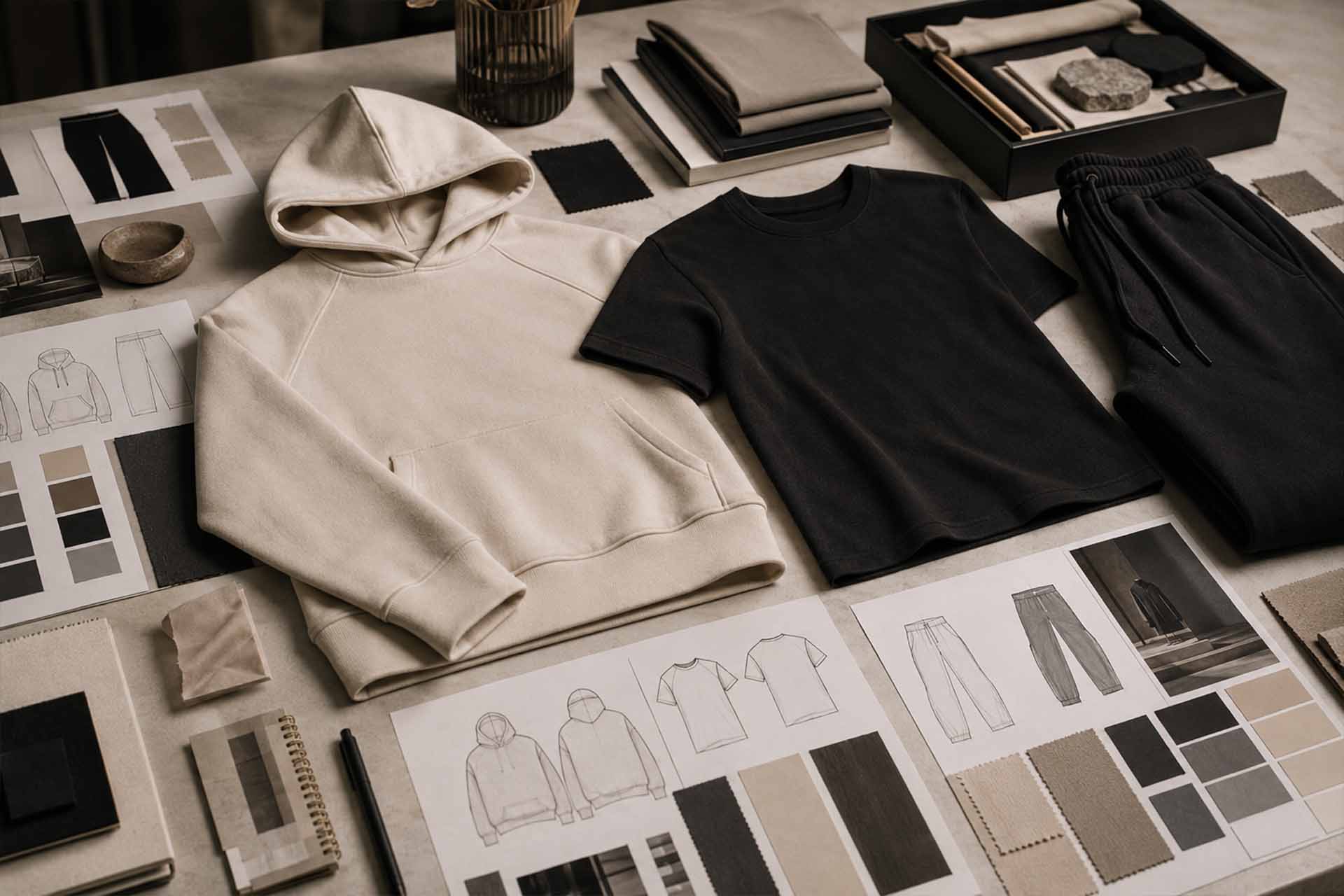
Your first collection should be commercially focused. It should communicate your brand identity while remaining realistic to produce.
A product concept includes the garment type, fit, fabric direction, details, colors, and finishing standards. For example:
Premium streetwear concept: oversized hoodie, heavyweight fleece, dropped shoulders, ribbed cuffs, tonal embroidery, neutral color palette.
Private label basics concept: regular-fit T-shirt, soft cotton jersey, clean neck rib, custom woven label, black and white color options.
Sustainable casualwear concept: organic cotton sweatshirt, relaxed fit, low-impact trims, natural tones, minimal branding.
Keep the First Collection Focused
A strong first collection may include:
- 2–4 core styles
- 2–3 colors per style
- Consistent fabric direction
- Clear brand labeling
- Professional packaging
- Quality photography
This is easier to produce, easier to sell, and easier for customers to understand.
4. Set a Realistic Budget
Many new founders underestimate the cost of starting a clothing brand. The product cost is only one part of the full launch budget.
You should plan for development, samples, production, branding, packaging, content, website, photography, marketing, shipping, and unexpected revisions.
Typical Budget Areas
Your budget may include:
- Brand identity and design
- Tech pack creation
- Fabric and trim sourcing
- Sample development
- Pattern making
- Size grading
- Bulk production
- Labels and packaging
- Product photography
- E-commerce website
- Paid ads or influencer marketing
- Shipping and customs
- Quality control
The first collection should match your budget. If you have limited capital, it is usually better to launch fewer styles at a higher standard than many styles with weak execution.
5. Create Professional Tech Packs
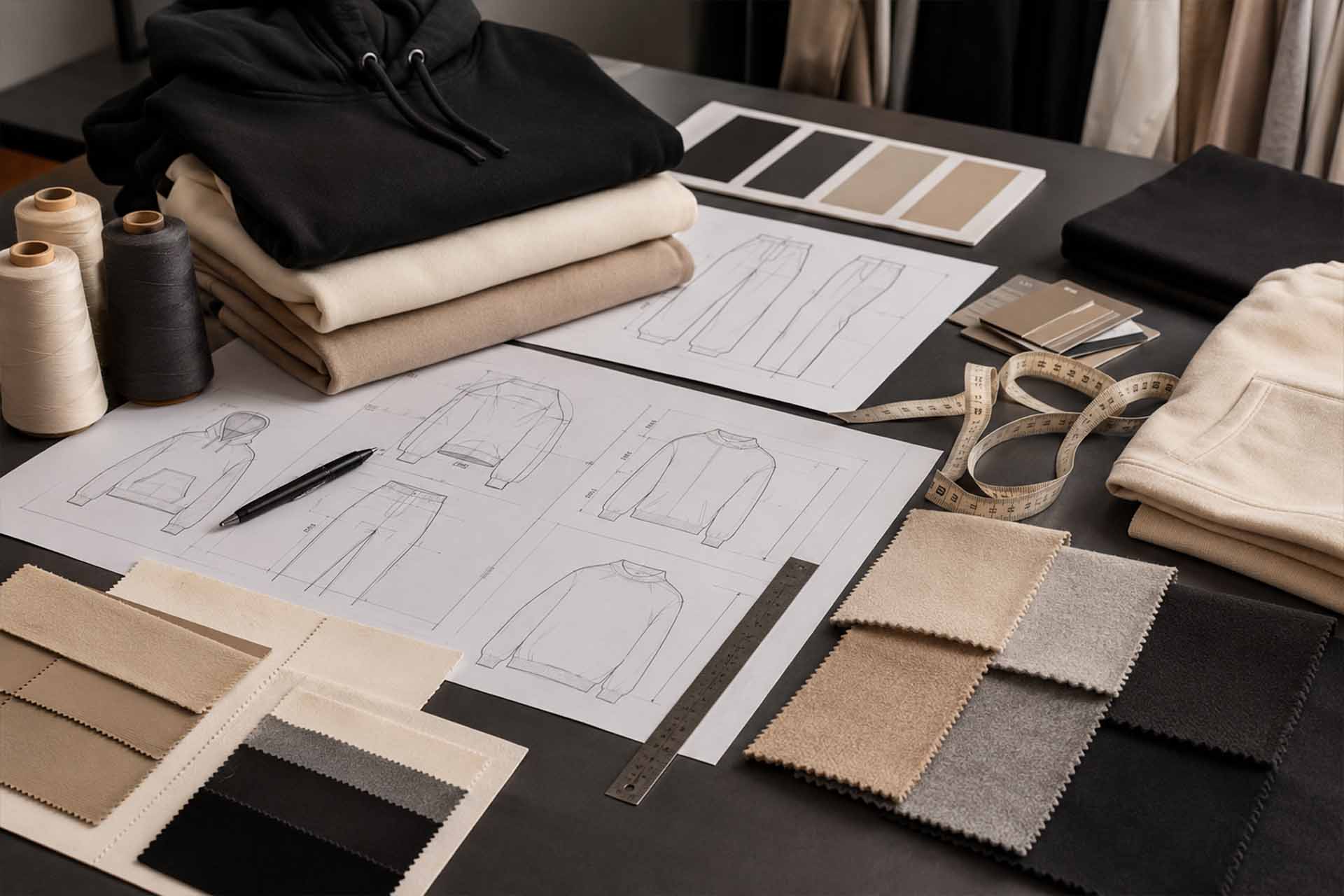
A tech pack is one of the most important documents in clothing manufacturing. It explains exactly how your garment should be made.
Without a clear tech pack, the manufacturer has to guess. Guessing leads to wrong fits, wrong measurements, wrong trims, wrong stitching, and avoidable delays.
What Should a Tech Pack Include?
A professional tech pack usually includes:
- Technical drawings
- Garment measurements
- Size chart
- Fabric details
- GSM or fabric weight
- Color references
- Stitching details
- Print or embroidery placement
- Label placement
- Trims and accessories
- Packaging instructions
- Reference images
- Special finishing requirements
For a premium clothing brand, the tech pack should be treated as a production blueprint. It helps both the founder and manufacturer stay aligned.
6. Choose the Right Fabrics
Fabric choice affects comfort, fit, durability, price, shrinkage, and customer perception. Two garments can have the same design but feel completely different depending on the fabric.
For example, a 180 GSM cotton jersey T-shirt feels lighter and more casual, while a 240 GSM or 280 GSM jersey may feel more premium and structured. A hoodie made from lightweight fleece will not have the same presence as a heavyweight French terry or brushed fleece hoodie.
Fabric Factors to Consider
When choosing fabric, review:
- Composition, such as cotton, polyester, viscose, wool, linen, or blends
- GSM and weight
- Texture and hand feel
- Stretch and recovery
- Shrinkage behavior
- Color fastness
- Durability
- Seasonality
- Sustainability requirements
- MOQ and availability
- Cost impact
Fabric sourcing is one of the areas where working with an experienced manufacturing partner can save time. Istanbul, as a major textile hub, gives brands access to a wide range of fabrics, trims, dyeing options, printing techniques, and finishing solutions.
7. Develop Samples Before Bulk Production
Sampling is where your clothing brand idea becomes a real garment. It is also where problems become visible.
A sample helps you check fit, fabric, construction, proportions, printing, embroidery, labels, and finishing. Even experienced brands rarely move directly from idea to bulk production without sampling.
Types of Samples
Depending on your project, you may need:
Prototype Sample
This is the first physical version of the garment. It helps test the concept, silhouette, and construction.
Fit Sample
This sample focuses on measurements, proportions, and how the garment sits on the body.
Size Set Sample
This checks the grading across sizes, such as S, M, L, XL.
Pre-Production Sample
This is the final approved version before bulk production. It should be as close as possible to the final garment.
A good sample process protects your budget. It is better to correct a hoodie sample before production than discover fit problems after hundreds of pieces are finished.
8. Choose the Right Clothing Manufacturer
Your manufacturer is one of the most important partners in your clothing brand journey. A reliable manufacturer does more than sew garments. They help translate your idea into a product that can be produced consistently.
For US and European fashion brands, the right production partner should understand communication, timelines, quality standards, fabric sourcing, sampling, and export expectations.
What to Look For in a Manufacturer
Look for a clothing manufacturer that offers:
- Clear communication
- Experience with your product category
- Fabric sourcing support
- Sampling capability
- Print and embroidery options
- Quality control processes
- Transparent MOQs
- Realistic production timelines
- Understanding of European quality standards
- Ability to support repeat production
A low unit price can be attractive, but it should never be the only decision factor. Poor production can damage your brand reputation before it has a chance to grow.
9. Why Istanbul and Turkey Matter for New Fashion Brands
Turkey has become an important production destination for fashion brands because of its location, textile expertise, and strong manufacturing infrastructure.
For European brands, Istanbul offers a practical advantage. It is geographically close, easier to communicate with compared to distant production markets, and well connected to fabric suppliers, dye houses, printing workshops, embroidery facilities, and garment factories.
For US brands, Turkey can be attractive for premium production, flexible development, and access to quality fabrics with shorter lead times than many traditional offshore options.
Read More:
Istanbul’s Manufacturing Advantage
Istanbul is valuable because it brings many parts of the supply chain together:
- Fabric sourcing
- Pattern making
- Sampling
- Cutting
- Sewing
- Printing
- Embroidery
- Washing and finishing
- Quality control
- Packaging
- Export preparation
This makes it easier for a new clothing brand to manage the full journey from idea to first collection with fewer disconnected suppliers.
10. Plan Production Carefully
Once samples are approved, production can begin. But before bulk production starts, all details should be confirmed in writing.
This includes fabrics, colors, measurements, labels, trims, quantities, packaging, delivery terms, and payment structure.
Production Checklist
Before production, confirm:
- Final approved sample
- Final tech pack
- Fabric quality and color
- Size breakdown
- Quantity per style and color
- Label and packaging details
- Print or embroidery artwork
- Production timeline
- Quality control process
- Shipping method
A professional production process is built on details. Small mistakes in labeling, fabric color, or measurements can become expensive when repeated across the full order.
11. Prepare Brand Assets and Product Photography
Your first collection needs strong visuals. Product photography affects how customers understand quality, fit, texture, and brand identity.
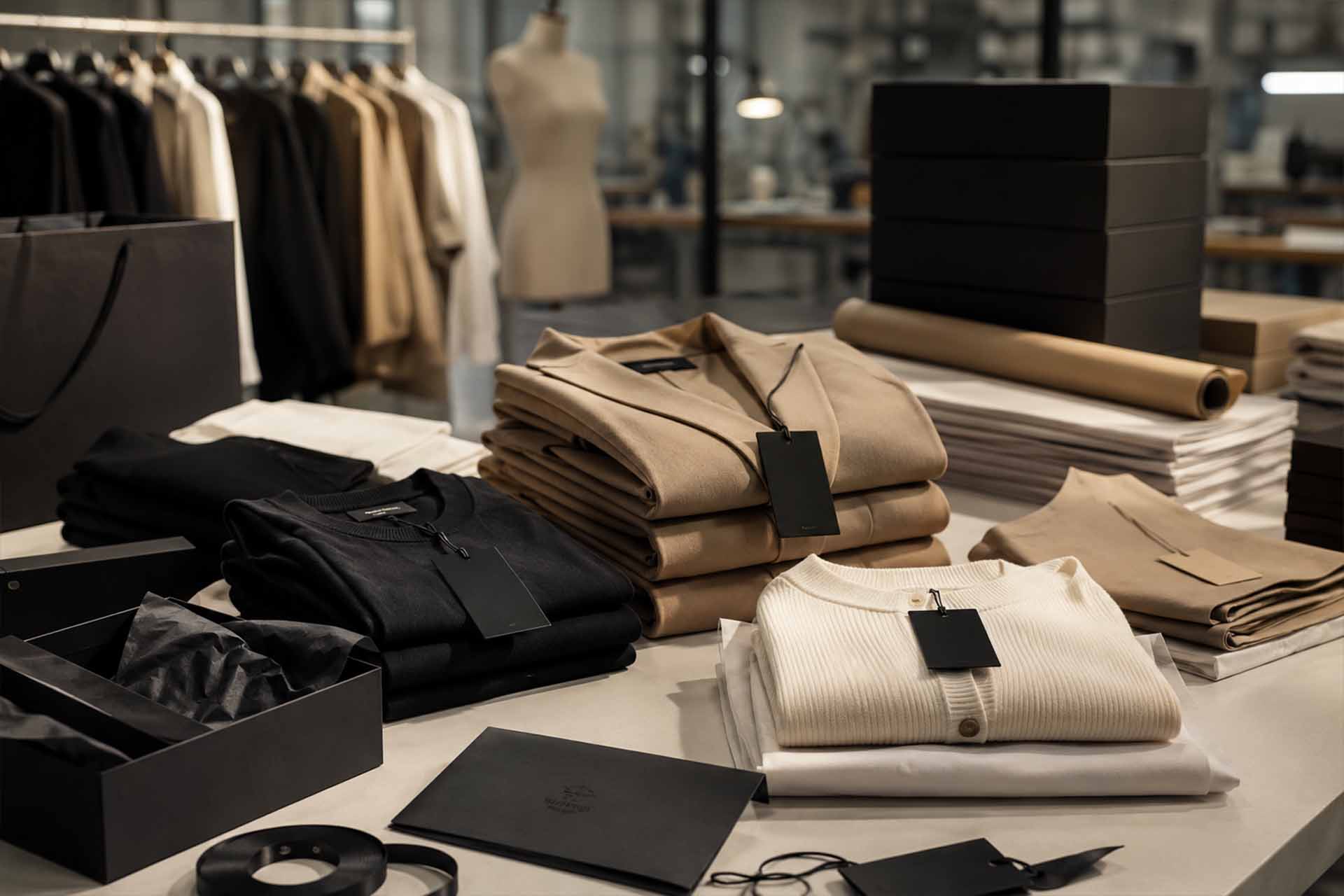
For e-commerce, you usually need clean product photos, model photos, detail shots, and lifestyle images. A premium clothing brand should show fabric texture, fit, stitching, labels, packaging, and styling clearly.
Photography You May Need
Plan for:
- Front, back, and side product photos
- Close-ups of fabric and stitching
- Label and trim details
- Model shots
- Lifestyle campaign images
- Short-form video content
- Social media assets
- Website banners
Your visuals should match your positioning. A luxury minimal brand should not look like a discount marketplace. A streetwear brand should not feel like a corporate uniform catalog.
12. Build a Launch Strategy
A clothing brand launch should begin before the products arrive. Many successful brands build attention during development by sharing behind-the-scenes content, fabric previews, sample fittings, moodboards, and product stories.
Pre-Launch Ideas
Before launch, you can prepare:
- Email waiting list
- Brand story page
- Product teasers
- Behind-the-scenes production content
- Founder story
- Lookbook
- Social media countdown
- Influencer seeding
- Early access campaign
- Launch offer
A launch is easier when people already understand what the brand is, why it exists, and what makes the products worth buying.
13. Avoid Common First-Collection Mistakes
New fashion founders often face similar problems. Many of them can be avoided with better preparation.
Common Mistakes
Avoid:
- Launching too many styles at once
- Choosing fabrics only by price
- Producing without approved samples
- Working without tech packs
- Ignoring shrinkage and fit testing
- Changing details too late in production
- Underestimating packaging and photography costs
- Choosing a manufacturer only because they are cheap
- Skipping quality control
- Launching without a clear audience
A clothing brand grows through trust. Customers may forgive a limited product range, but they rarely forgive poor quality, bad fit, or inconsistent delivery.
14. How Istanbul Factory Supports New Clothing Brands
Istanbul Factory works with fashion brands, startups, streetwear labels, premium fashion companies, and established brands looking for reliable production support in Turkey.
The company provides end-to-end clothing manufacturing services, including fabric sourcing, private label production, custom clothing manufacturing, garment sampling, print and embroidery, quality control, sustainable textile production, and final packaging.
For a new clothing brand, this means the development process can be managed with one experienced manufacturing partner instead of many disconnected suppliers.
Istanbul Factory Can Help With
- Turning a product idea into a manufacturable collection
- Sourcing suitable fabrics and trims
- Developing samples
- Producing private label and custom garments
- Managing print and embroidery details
- Checking quality during production
- Preparing garments for delivery
- Supporting European and US fashion brands with professional communication
A first collection does not need to be huge. It needs to be clear, well made, and aligned with the brand you want to build.

Final Thoughts
Starting a clothing brand requires creativity, but creativity alone does not create a successful first collection. The real work happens in the details: positioning, product planning, fabric selection, sampling, production control, and launch preparation.
The strongest brands treat their first collection as the foundation of a long-term business. They do not rush every decision. They build carefully, test properly, and choose partners who understand the standards they want to represent.
For fashion founders in the US and Europe, working with a professional clothing manufacturer in Istanbul can make the journey more structured, more efficient, and more production-ready.
Start Your Clothing Brand with Istanbul Factory
If you are planning to start a clothing brand and need a reliable production partner, Istanbul Factory can support your journey from first idea to finished collection.
Whether you need private label clothing, custom garment manufacturing, fabric sourcing, sampling, print and embroidery, or full production support, our team in Istanbul helps fashion brands create products with professional quality and clear communication.
Contact Istanbul Factory to discuss your first collection and take the next step toward building your clothing brand.
FAQ: How to Start a Clothing Brand
How much money do you need to start a clothing brand?
The budget depends on product type, fabric choice, quantity, branding, packaging, photography, and marketing. A small focused collection usually requires less capital than a large multi-category launch. New brands should budget for sampling, production, website, visuals, and launch promotion.
Do I need a tech pack to start a clothing brand?
Yes, a tech pack is strongly recommended. It helps the manufacturer understand measurements, fabrics, trims, stitching, labels, colors, and construction details. A clear tech pack reduces mistakes and improves production consistency.
How many products should a first clothing collection include?
A first collection can start with 2–4 strong styles. For example, a streetwear brand may begin with a hoodie, T-shirt, sweatpants, and sweatshirt. A focused launch is often easier to produce, market, and manage.
What is the most important step when starting a clothing brand?
The most important step is defining a clear brand position and product concept before production. Without clarity, fabric choices, fit decisions, pricing, and marketing become difficult to manage.
Should I choose private label or custom clothing manufacturing?
Private label is suitable when you want to launch faster using existing garment bases with your branding. Custom clothing manufacturing is better when you want unique fits, patterns, fabrics, and construction details developed specifically for your brand.
Why should fashion brands manufacture in Turkey?
Turkey offers strong textile expertise, fabric sourcing options, skilled garment production, and a strategic location between Europe, Asia, and the Middle East. Istanbul is especially useful because many parts of the supply chain are available in one city.
Can Istanbul Factory help new fashion startups?
Yes. Istanbul Factory works with startups, streetwear brands, premium fashion labels, and established companies. The team supports fabric sourcing, sampling, private label production, custom manufacturing, print and embroidery, quality control, and full production management.