


Fashion brands comparing manufacturing destinations often end up considering two very different production ecosystems: Turkey and China.
China remains one of the world’s largest and most sophisticated apparel manufacturing centers. It offers enormous capacity, broad material availability, competitive pricing at scale, and an exceptionally deep supplier network.
Turkey offers a different proposition. Its advantages are often found in speed, proximity to Europe, production flexibility, communication, premium cotton-based products, and the ability to manage more responsive supply chains.
That makes the decision less about asking which country is universally “better” and more about identifying which manufacturing model fits your brand.
For European and US fashion companies evaluating Turkey clothing manufacturing, the right choice depends on your order volume, product category, target price, development process, delivery schedule, and how closely you want to work with your manufacturer.
This guide compares the two destinations from a practical B2B perspective.
Turkey vs China for Clothing Manufacturing: The Short Answer
Turkey is often the stronger choice for brands that prioritize faster development, lower or more flexible production volumes, easier communication with European markets, premium cotton garments, and shorter supply chains.
China can be the stronger choice for very large production volumes, highly specialized products, complex technical components, extensive material choices, and aggressive unit-cost optimization at scale.
For many fashion brands, the decision looks like this:
| Factor | Turkey | China |
|---|---|---|
| Production speed | Strong | Strong, but longer supply chain can affect total lead time |
| MOQ flexibility | Often more flexible | Usually strongest at larger scale |
| Large-volume pricing | Competitive | Often very competitive |
| European shipping | Major advantage | Longer distance |
| US shipping | Competitive depending on freight method | Highly established logistics network |
| Communication | Strong for European brands | Varies significantly by supplier |
| Cotton apparel | Major strength | Strong |
| Technical apparel | Growing capability | Major strength |
| Small/mid-sized fashion brands | Strong fit | Supplier dependent |
| Very large programs | Capable | Major global advantage |
| Sampling and development | Responsive | Highly capable but supplier dependent |
| Supply-chain depth | Strong | Exceptional |
These are general tendencies rather than fixed rules. Individual manufacturers can perform very differently within the same country.
1. Manufacturing Cost: Is Turkey or China Cheaper?
Cost is usually the first comparison fashion brands make, but unit price alone rarely tells the full story.
China: Strong Cost Efficiency at Scale
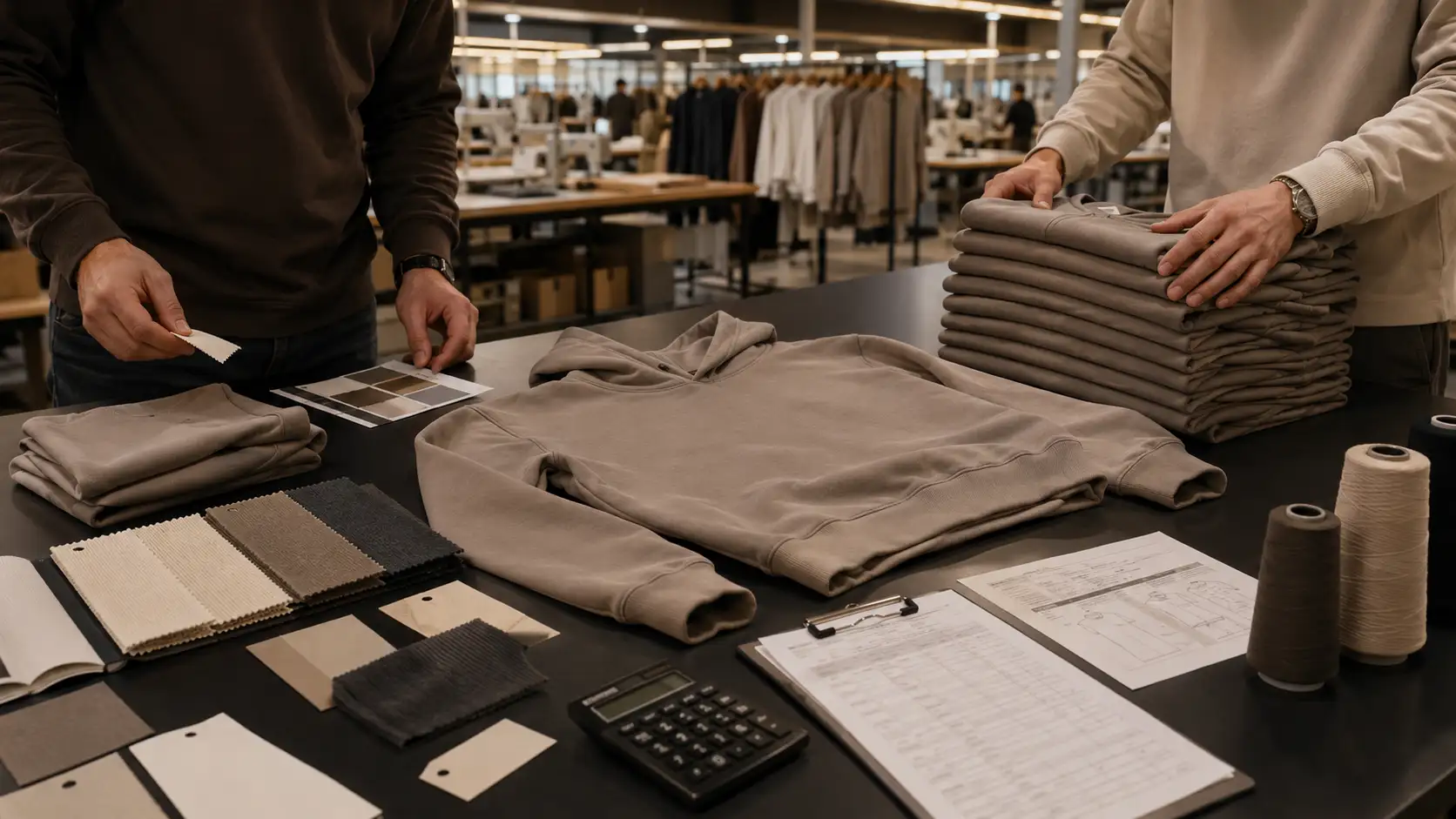
China’s enormous manufacturing infrastructure can provide major cost advantages, particularly when brands are ordering:
- Large quantities
- Repeated styles
- Standardized products
- Complex accessories or trims
- Synthetic and technical materials
- Products requiring multiple specialized suppliers
A large factory producing tens of thousands of units can spread development, setup, sourcing, and production costs across a much bigger order.
For high-volume programs, this can make China extremely competitive.
However, the lowest factory price is not necessarily the lowest landed cost.
Brands also need to consider:
- Freight
- Inventory financing
- Import duties
- Sampling costs
- Quality inspection
- Warehousing
- Longer forecasting cycles
- Excess inventory risk
- Rework or rejected goods
- Communication costs
These factors can change the economics significantly.
Turkey: Competitive Total Cost for Responsive Production
Turkey may not always beat China on the lowest possible unit price, especially for very large commodity orders.
Its advantage is often found elsewhere.
A European brand might accept a slightly higher production cost if it gains:
- Faster replenishment
- Smaller production runs
- Lower inventory exposure
- Easier factory communication
- Faster sample corrections
- Reduced transportation time
- More frequent ordering
For brands selling premium streetwear, contemporary fashion, private label collections, or seasonal products, the commercial value of flexibility can be greater than saving a small amount per garment.
Practical example
Imagine two suppliers.
Supplier A offers a hoodie at a lower unit price but requires a significantly larger order six months before launch.
Supplier B costs more per hoodie but allows smaller production quantities and faster repeat orders.
If the collection performs below expectations, Supplier B may actually represent the lower-risk business model.
Manufacturing decisions should therefore be based on total supply-chain economics, rather than FOB or EXW unit price alone.
2. MOQ: Which Country Is Better for Smaller Fashion Brands?
MOQ, or minimum order quantity, is one of the most important considerations for emerging fashion companies.
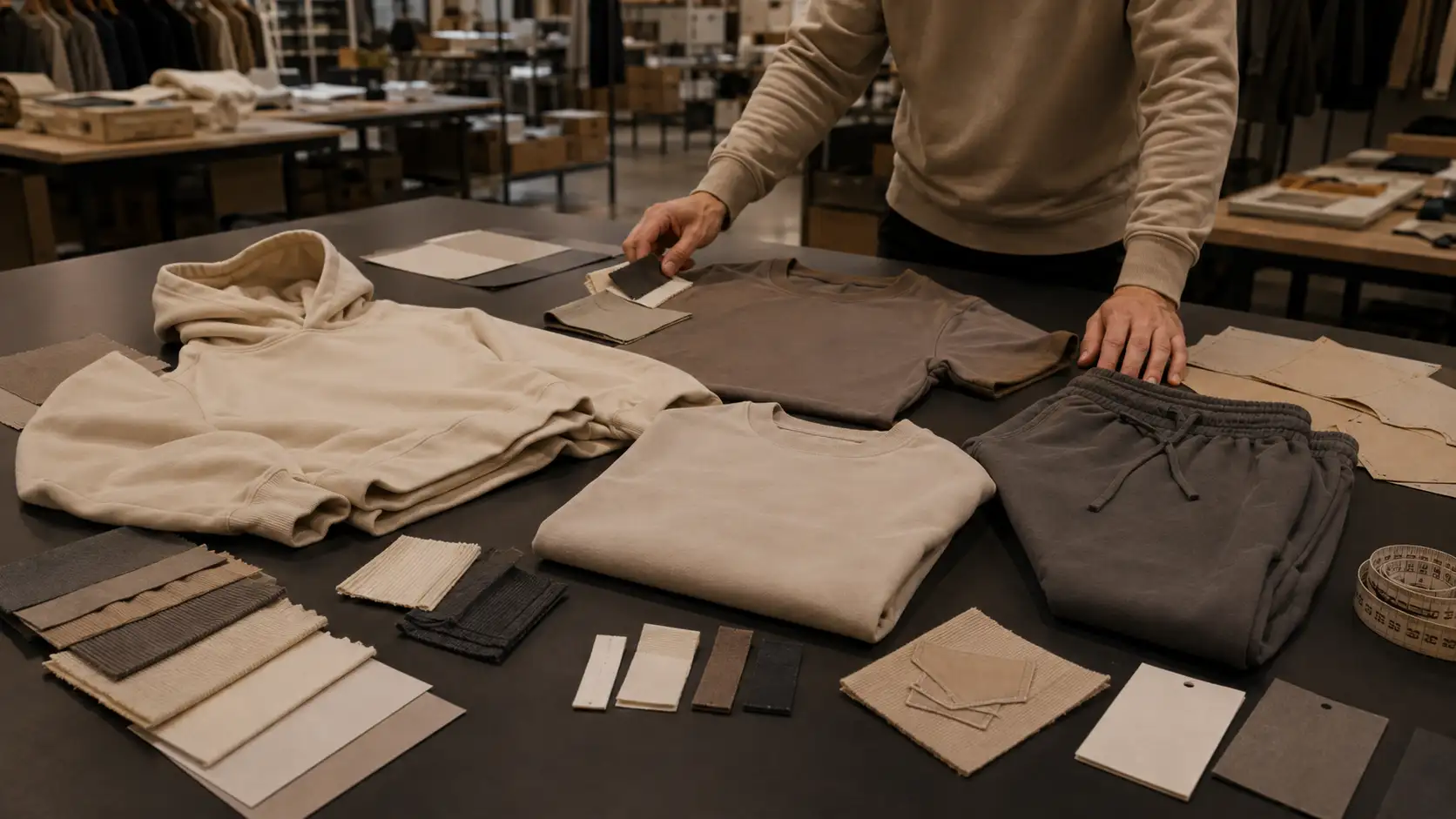
There is no universal MOQ for Turkey or China. Minimum quantities depend on:
- Manufacturer
- Fabric
- Color
- Product category
- Dyeing requirements
- Printing
- Embroidery
- Custom trims
- Pattern complexity
However, Turkey can be particularly attractive to small and medium-sized brands looking for professional cut-and-sew manufacturing without committing to extremely large programs.
Why Turkey Can Offer More Flexibility
Turkey has a large ecosystem of specialized textile manufacturers serving European fashion markets.
Many production partners are accustomed to working with:
- Seasonal collections
- Independent labels
- Premium brands
- Private label companies
- Streetwear businesses
- Mid-sized European retailers
This can make production planning more flexible.
At Istanbul Factory, for example, production is structured around custom brand development rather than simply supplying generic blank garments.
Brands can develop:
- Custom patterns
- Fabric specifications
- Colors
- Embroidery
- Prints
- Labels
- Packaging
- Size grading
while maintaining commercially realistic production quantities.
China also has suppliers willing to handle smaller orders, but brands should verify whether those suppliers genuinely operate the production themselves or outsource smaller projects elsewhere.
3. Production Speed and Lead Times
Speed is one of the strongest reasons European companies consider clothing manufacturing in Turkey.
Manufacturing lead time has two components:
- How quickly the factory produces the garments.
- How quickly the garments reach the brand.
The second part is sometimes overlooked.
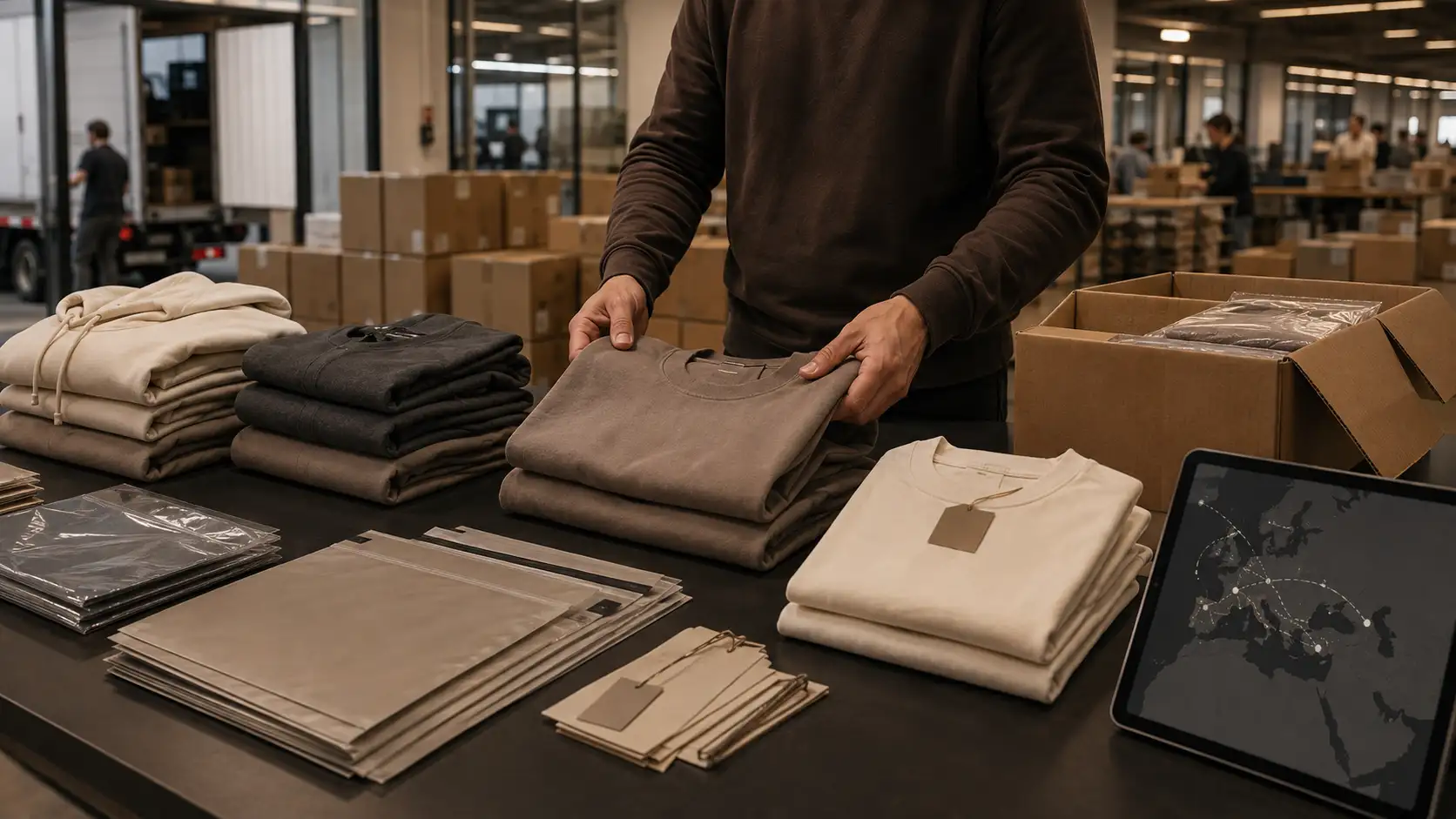
Turkey’s Nearshoring Advantage
For European brands, Turkey sits much closer to major consumer markets than East Asia.
This makes Turkey a natural nearshoring destination for companies selling in markets such as:
- Germany
- France
- Netherlands
- Belgium
- Italy
- Austria
- Scandinavia
- United Kingdom
Shorter transport distances can make the entire supply chain more responsive.
It becomes easier to:
- Launch collections later in the season
- React to demand
- Restock successful products
- Reduce forecasting periods
- Avoid excessive stock commitments
Speed becomes particularly valuable when fashion trends change quickly.
China Can Still Be Highly Efficient
Chinese manufacturers should not be considered slow.
Many operate extremely efficient factories with sophisticated production planning.
The challenge is that total supply-chain time can become longer when you combine:
- Material sourcing
- Manufacturing
- Consolidation
- Ocean freight
- Customs
- Domestic delivery
For brands ordering very large quantities several months in advance, this may not be a disadvantage at all.
For brands prioritizing responsiveness, however, Turkey may be more strategically positioned.
4. Quality: Is Turkish Clothing Better Than Chinese Clothing?
Neither country can be described with one quality level.
Both Turkey and China have:
- Premium manufacturers
- Mid-market manufacturers
- Mass-production factories
- Specialized workshops
- Suppliers with inconsistent quality
The country alone does not guarantee the result.
The manufacturer, materials, specifications, quality control procedures, and approval process matter much more.
Turkey’s Reputation in Premium Apparel
Turkey has particularly strong expertise in categories such as:
- Cotton T-shirts
- Sweatshirts
- Hoodies
- Joggers
- Jersey products
- Knitwear
- Denim
- Casualwear
- Premium streetwear
- Private label collections
The country also has a developed textile industry around Istanbul and several other manufacturing regions, allowing many garment producers to source fabrics and services domestically.
For European fashion companies, Turkey is often associated with premium casualwear and mid-to-high-quality fashion manufacturing.
China’s Quality Capabilities Are Extremely Broad
China can manufacture everything from inexpensive promotional clothing to technically sophisticated premium apparel.
Its industrial ecosystem is especially strong where products require:
- Technical fabrics
- Specialized hardware
- Performance materials
- Advanced bonding
- Complex accessories
- Specialized machinery
- Large trim ecosystems
Premium Chinese manufacturing can be exceptional.
Brands should therefore avoid comparing countries based on stereotypes.
The better question is:
Does this specific manufacturer have proven expertise in the exact product we are developing?
5. Quality Control and Production Oversight
Quality control becomes increasingly important as a garment moves from approved sample to bulk production.
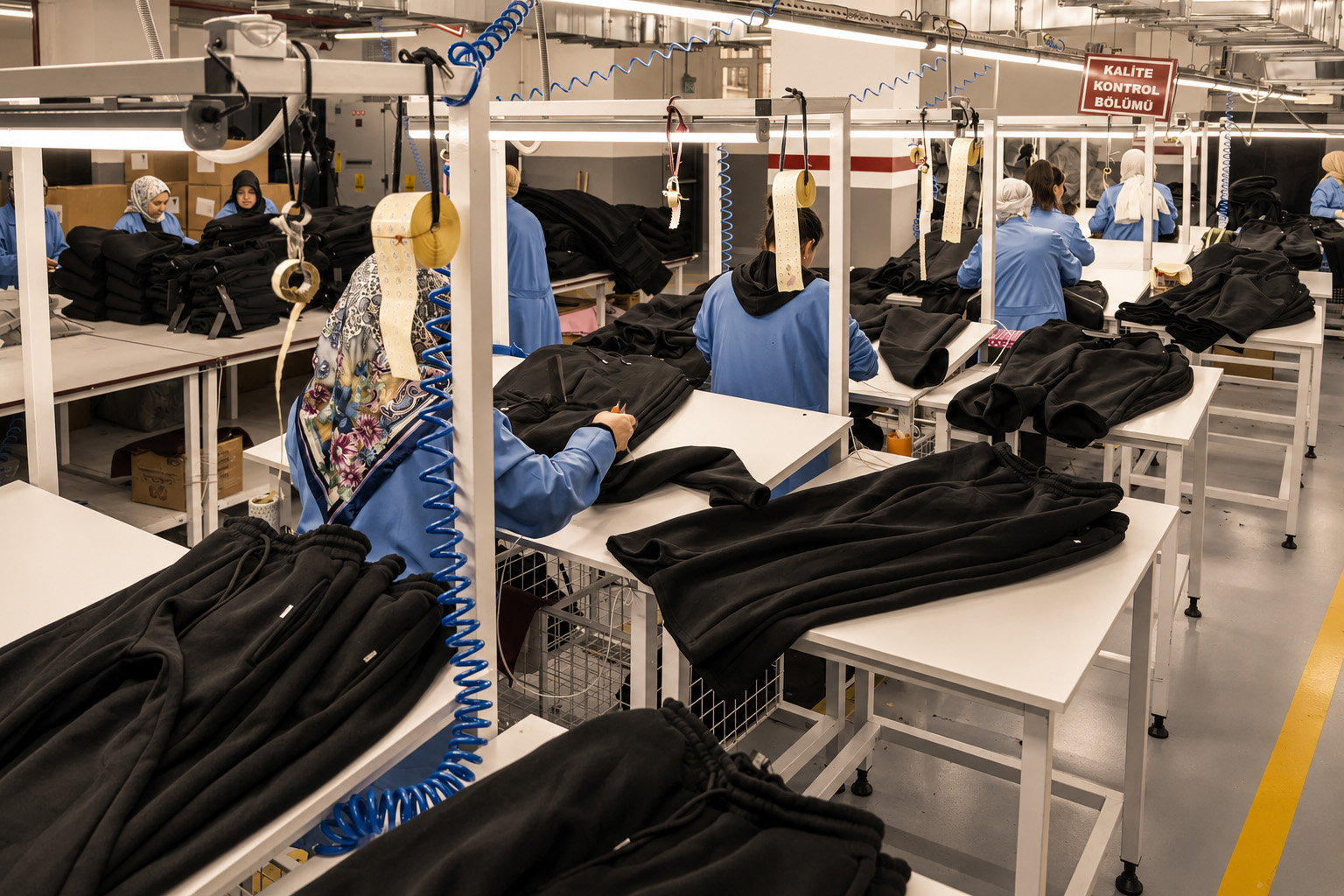
A strong manufacturer should control areas such as:
- Fabric quality
- Fabric weight
- Color consistency
- Shrinkage
- Measurement tolerances
- Stitching
- Seam construction
- Print placement
- Embroidery quality
- Labels
- Packaging
- Final garment appearance
Turkey can offer an operational advantage to European companies because visiting production facilities is relatively straightforward.
A buyer or product team based in Europe can often visit Istanbul without building an entire long-distance sourcing trip.
That can improve collaboration during:
- Supplier onboarding
- Sampling
- Pre-production approval
- Production reviews
- Quality inspections
For brands that value transparency and close manufacturer relationships, this accessibility can be valuable.
6. Communication and Product Development
Communication problems can become expensive very quickly in clothing production.
A small misunderstanding involving:
- GSM
- Fit
- Rib construction
- Embroidery placement
- Wash effect
- Pantone color
- Fabric composition
- Measurement tolerance
can affect an entire production run.
Manufacturers experienced with international fashion companies should have structured systems for approvals.
At minimum, brands should expect communication around:
- Tech packs
- Fabric options
- Pattern development
- Sample comments
- Lab dips
- Print strike-offs
- Embroidery samples
- Labels
- Size sets
- Pre-production samples
- Bulk approval
Turkey’s long manufacturing relationship with European fashion markets means many Turkish suppliers are accustomed to European buyer expectations and product-development processes.
Time-zone proximity is another advantage.
For European companies, supplier communication can happen during almost the same working day.
For US companies, Turkey still allows workable overlap, although China also has decades of experience managing international sourcing relationships.
The quality of communication ultimately depends more on the individual manufacturer than the country.
7. Fabric and Material Sourcing
One of China’s greatest manufacturing advantages is the enormous depth of its supply chain.
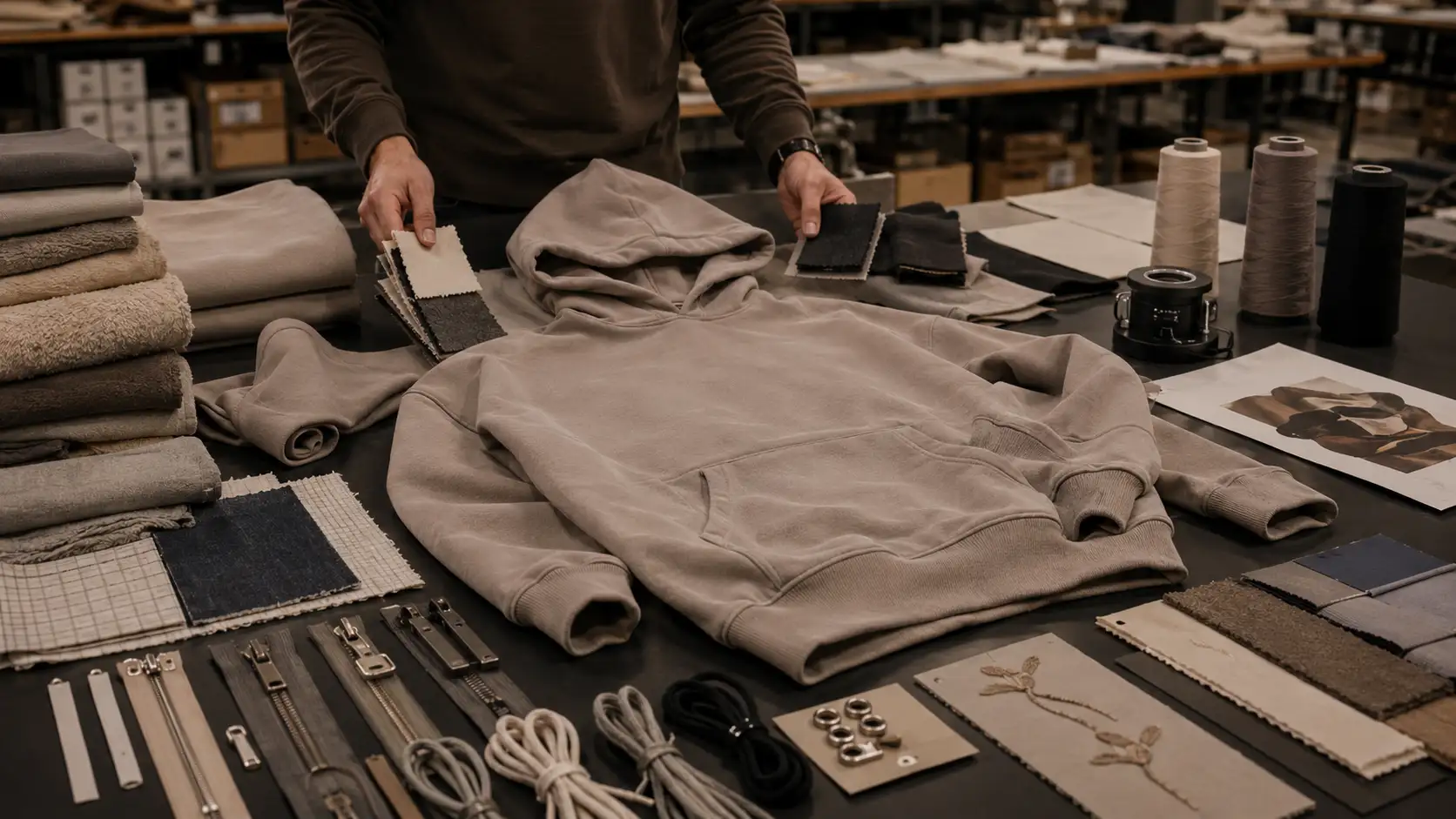
If a garment requires unusual:
- Zippers
- Buckles
- Technical coatings
- Performance materials
- Synthetic fabrics
- Molded components
- Specialized accessories
China can often source these within a highly concentrated industrial ecosystem.
That is difficult for almost any country to replicate.
Turkey has a different strength.
It has a particularly strong textile base for fashion-oriented fabrics including:
- Cotton jersey
- French terry
- Fleece
- Rib
- Woven cotton
- Denim
- Knitted materials
- Cotton blends
This makes Turkey clothing manufacturing particularly attractive for brands developing premium everyday clothing, streetwear, basics, and contemporary fashion.
A capable production partner can coordinate fabric sourcing alongside garment development, reducing the need for a brand to manage multiple independent suppliers.
8. Shipping to Europe: Turkey Has a Clear Geographic Advantage
For European brands, geography can fundamentally change sourcing strategy.
Turkey’s location between Europe and Asia gives manufacturers access to several transport options.
Depending on destination, order volume, and urgency, garments can move using:
- Road freight
- Air freight
- Sea freight
- Courier services
Road transport into Europe is particularly important because it gives brands an alternative to long intercontinental ocean freight.
That creates opportunities for more responsive inventory management.
A European label could, for example, place an initial production order and then replenish successful styles instead of committing its entire seasonal forecast months in advance.
This is one reason Turkey has become strategically relevant for companies exploring nearshore clothing manufacturing.
9. Shipping to the United States: The Comparison Is More Balanced
The advantage is less straightforward for American fashion brands.
Both Turkey and China require international freight to reach the US.
China benefits from:
- Mature global shipping infrastructure
- High cargo volumes
- Established container routes
- Extensive logistics networks
Turkey can still be attractive for US companies, especially when:
- Products have higher value per unit
- Quantities are manageable
- Air freight is commercially viable
- The brand prioritizes development speed
- European-style production or materials are preferred
US brands should compare quotations using landed cost and total lead time, rather than distance alone.
10. Which Country Is Better for Streetwear?
Turkey can be particularly well suited to premium streetwear production.
Typical products include:
- Heavyweight oversized T-shirts
- French terry hoodies
- Sweatshirts
- Joggers
- Garment-dyed products
- Embroidered garments
- Printed apparel
- Premium cotton basics
- Custom cut-and-sew collections
Streetwear brands frequently require smaller collections with significant product customization.
A hoodie, for example, may require:
- Custom oversized pattern
- Heavyweight French terry
- Special rib
- Custom hood construction
- Puff print
- Tonal embroidery
- Woven label
- Care label
- Hangtag
- Custom packaging
This type of development benefits from close communication between the brand, sample room, fabric supplier, and manufacturing team.
China remains highly capable in streetwear, especially when the collection includes technical components or very large quantities.
For premium cotton-focused streetwear brands, however, Turkey deserves serious consideration.
11. Which Country Is Better for Large-Scale Manufacturing?
China becomes particularly difficult to compete with when production reaches very large industrial volumes.
Major manufacturers can manage:
- Large production programs
- Multiple factories
- Huge material requirements
- Complex product categories
- Specialized machinery
- Highly integrated sourcing networks
If a brand needs hundreds of thousands of units at highly optimized prices, China may remain one of the strongest sourcing options.
Turkey also has major industrial garment factories capable of producing large volumes, but its most compelling advantages for many independent brands tend to appear in speed, location, flexibility, and fashion-focused manufacturing.
12. Turkey vs China by Fashion Brand Type
Startup Fashion Brand
Turkey may be a strong choice because development and communication can be easier to manage, particularly for European founders.
However, startups should still expect professional manufacturing requirements. Custom production is fundamentally different from print-on-demand or buying blank garments.
Growing Streetwear Brand
Turkey is particularly attractive when the brand needs:
- Custom patterns
- Premium fabrics
- Strong cotton products
- Embroidery
- Printing
- Frequent collection drops
- Manageable production quantities
Large Fashion Retailer
Both countries can work.
The decision will depend on whether the retailer prioritizes:
- Maximum scale
- Cost optimization
- Lead-time reduction
- Nearshoring
- Supply-chain diversification
Many larger companies do not choose only one sourcing country. They build diversified supplier networks.
Technical Sportswear Brand
China may offer an advantage where products require specialized technical materials, advanced synthetic textiles, complex hardware, or highly specialized construction.
Turkey is increasingly capable in performance apparel, but supplier selection becomes especially important.
Premium European Label
Turkey can be highly competitive due to its combination of:
- Material quality
- Product development
- European market proximity
- Manufacturing experience
- Responsive logistics
13. Why Istanbul Matters in Turkey Clothing Manufacturing
Turkey has several important textile manufacturing regions, but Istanbul plays a particularly important role as a commercial and product-development center.
The city connects:
- Fashion businesses
- Fabric suppliers
- Pattern makers
- Sample rooms
- Print specialists
- Embroidery facilities
- Label suppliers
- Garment manufacturers
- Export logistics
For international brands, this concentration can simplify development.
Instead of treating design, fabrics, sampling, production, branding, and quality control as completely separate processes, an Istanbul-based manufacturing partner can coordinate them as part of one production workflow.
That is especially useful for companies without their own sourcing team in Turkey.
14. How Should Your Brand Choose Between Turkey and China?
Before requesting quotations, answer these questions.
1. What volume are you producing?
Extremely large orders may favor China’s scale advantages.
Small and medium-sized programs may benefit from Turkey’s flexibility.
2. Where are your customers?
European brands should calculate the impact of Turkey’s proximity on shipping time and inventory planning.
3. What are you manufacturing?
Premium cotton streetwear and casualwear are different sourcing challenges from waterproof technical jackets.
Choose the country—and the factory—based on product expertise.
4. How often will you reorder?
A brand that orders once every six months has different requirements from a company replenishing stock throughout the season.
5. How important is customization?
If you need custom fabrics, patterns, trims, washes, prints, labels, and packaging, evaluate the manufacturer’s complete development capabilities.
6. How much inventory risk can you accept?
The cheapest garment can become expensive if it forces the brand to purchase more inventory than it can realistically sell.
7. How closely do you want to work with the factory?
Some brands simply need a production supplier.
Others need a manufacturing partner involved throughout development.
That distinction matters.
15. Turkey or China: Which One Is Better?
There is no universal winner.
Choose China when scale, extremely broad supply-chain capabilities, specialized components, or aggressive high-volume pricing are the priority.
Consider Turkey when speed, European proximity, premium fashion manufacturing, flexible production, cotton-based apparel, and closer product-development collaboration matter more.
For many growing US and European fashion companies, the most important shift is moving away from the question:
“Where can I manufacture this garment cheapest?”
and toward:
“Which supply chain gives my brand the best balance of cost, quality, speed, flexibility, and risk?”
That question usually leads to better manufacturing decisions.
Clothing Manufacturing in Turkey with Istanbul Factory
Istanbul Factory works with fashion brands, streetwear companies, startups, and established labels looking for professional clothing manufacturing in Turkey.
Our production process can support a collection from initial product development through finished manufacturing, including:
- Fabric sourcing
- Custom clothing manufacturing
- Private label production
- Pattern development
- Garment sampling
- Printing
- Embroidery
- Labels and branding
- Size grading
- Bulk production
- Quality control
- Packaging coordination
We focus on structured production, clear communication, and manufacturing solutions designed for international brands.
If you are comparing Turkey and China for your next collection, the best starting point is not asking for a generic garment price.
Send your tech pack, product references, fabric requirements, target quantity, colors, sizes, and branding details.
This allows the production team to evaluate whether Turkey is commercially and technically suitable for your project.
Planning your next clothing collection? Contact Istanbul Factory to discuss your production requirements in Istanbul.
Frequently Asked Questions
Is Turkey good for clothing manufacturing?
Yes. Turkey has a well-developed textile and garment manufacturing industry and is particularly strong in cotton apparel, jersey products, denim, knitwear, private label clothing, casualwear, and premium streetwear. Its proximity to Europe also makes it attractive for brands that value shorter supply chains.
Is clothing manufacturing cheaper in Turkey or China?
It depends on the product and quantity. China can be extremely competitive for large-volume manufacturing, while Turkey may offer better overall economics for brands that value smaller production runs, shorter transportation times, responsive replenishment, and reduced inventory risk.
Does Turkey have lower clothing manufacturing MOQs than China?
Often, but not always. MOQ depends on the manufacturer, fabric, color, printing method, trims, and production complexity. Many Turkish manufacturers are well positioned to work with small and mid-sized fashion brands, while Chinese suppliers often achieve their strongest economics at higher volumes.
Is Turkey better than China for European fashion brands?
Turkey can be particularly attractive for European brands because of its geographic proximity, shorter transport routes, time-zone alignment, and experience supplying European fashion markets. China may remain preferable when very large scale or specialized industrial capabilities are required.
Is Turkey good for streetwear manufacturing?
Yes. Turkey is particularly strong in products such as heavyweight T-shirts, hoodies, sweatshirts, joggers, French terry garments, embroidered products, printed apparel, and other custom cut-and-sew streetwear.
Is Chinese clothing manufacturing low quality?
No. China produces apparel across every quality level, including premium and highly technical garments. Quality depends on the factory, materials, specifications, production management, and quality-control process rather than the country itself.
Is shipping clothing from Turkey faster than China?
For European destinations, Turkey often has a significant geographic advantage and can offer road, air, and sea transportation options. For US brands, the difference is more dependent on freight method, destination, carrier, and production schedule.
What products are best manufactured in Turkey?
Turkey is particularly competitive for cotton T-shirts, hoodies, sweatshirts, joggers, jersey garments, knitwear, denim, casualwear, private label collections, and premium streetwear. The ideal sourcing location should still be selected according to the specific product requirements.
How do I find a clothing manufacturer in Turkey?
Look for manufacturers with experience in your product category, transparent production processes, professional sampling procedures, clear MOQ requirements, structured quality control, and experience exporting to your target market. Providing a detailed tech pack makes initial supplier evaluation much more accurate.
Can Istanbul Factory manufacture custom clothing for international brands?
Yes. Istanbul Factory works with international fashion brands on custom clothing manufacturing, private label production, sampling, fabric sourcing, printing, embroidery, branding, quality control, and bulk production from Istanbul, Turkey.