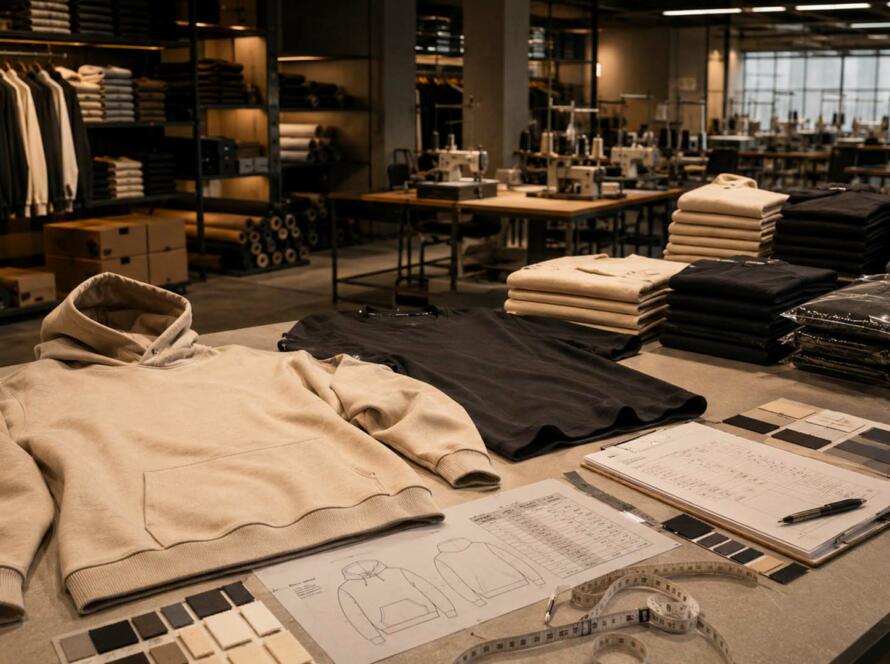


For fashion brands that want to produce original garments with professional quality, working with an OEM clothing manufacturer can be one of the most reliable production models.
OEM stands for Original Equipment Manufacturer. In clothing production, it means the brand provides the design direction, technical details, materials requirements, sizing, labels, and product expectations, while the manufacturer handles the physical production process.
This model is especially important for established fashion brands, premium labels, streetwear brands, and growing startups that want more control than standard private label production, but also need an experienced factory partner to bring their designs to life.
At Istanbul Factory, OEM clothing manufacturing is part of a wider end-to-end production service that includes garment sampling, fabric sourcing, cutting, sewing, print and embroidery, quality control, packaging, and bulk production from Istanbul, Turkey.
What Is an OEM Clothing Manufacturer?
An OEM clothing manufacturer produces garments according to the brand’s own specifications.
The brand usually provides the product concept, design files, tech pack, measurements, branding requirements, fabric preferences, trims, colors, labels, and packaging direction. The manufacturer then uses its production expertise, machinery, sourcing network, and quality control process to manufacture the final garments.
In simple terms:
The brand owns the design. The manufacturer produces it.
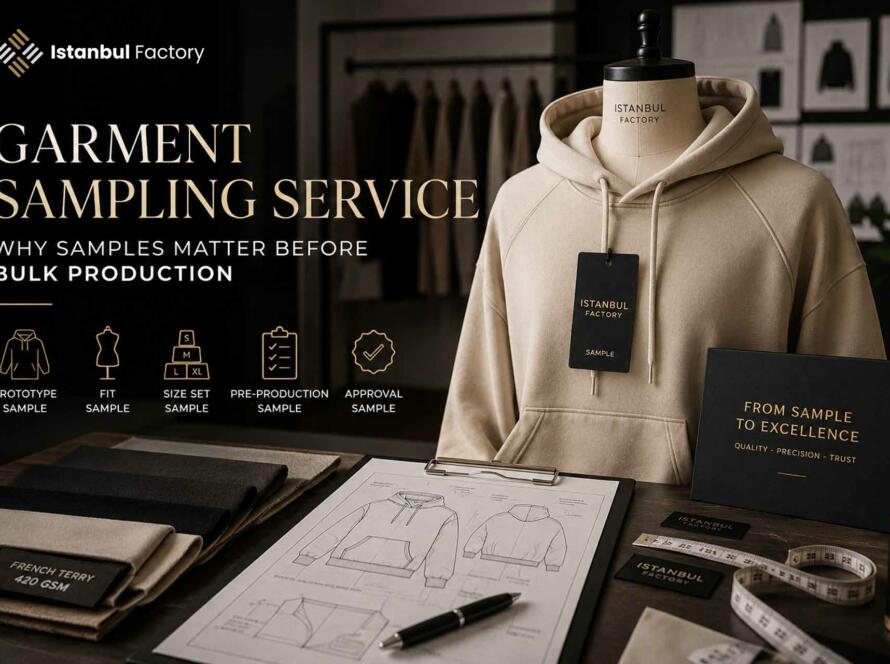
For example, a streetwear brand may already have a hoodie design with a specific oversized fit, 420 GSM fleece fabric, dropped shoulders, custom embroidery, woven neck label, branded hang tag, and premium packaging. An OEM clothing manufacturer takes those specifications and turns them into a production-ready garment.
OEM manufacturing is commonly used for:
- Hoodies and sweatshirts
- T-shirts and oversized T-shirts
- Joggers and sweatpants
- Streetwear collections
- Premium basics
- Custom fashion collections
- Branded uniforms
- Capsule collections
- Cut-and-sew garments
OEM is a strong choice when a brand wants its own identity, fit, construction, and product details rather than buying pre-developed blank garments.
OEM vs ODM vs Private Label: What Is the Difference?
Many fashion brands use terms like OEM, ODM, private label, and custom manufacturing interchangeably. In reality, each model gives the brand a different level of control.
OEM Clothing Manufacturing
OEM production is based on the brand’s own design and specifications.
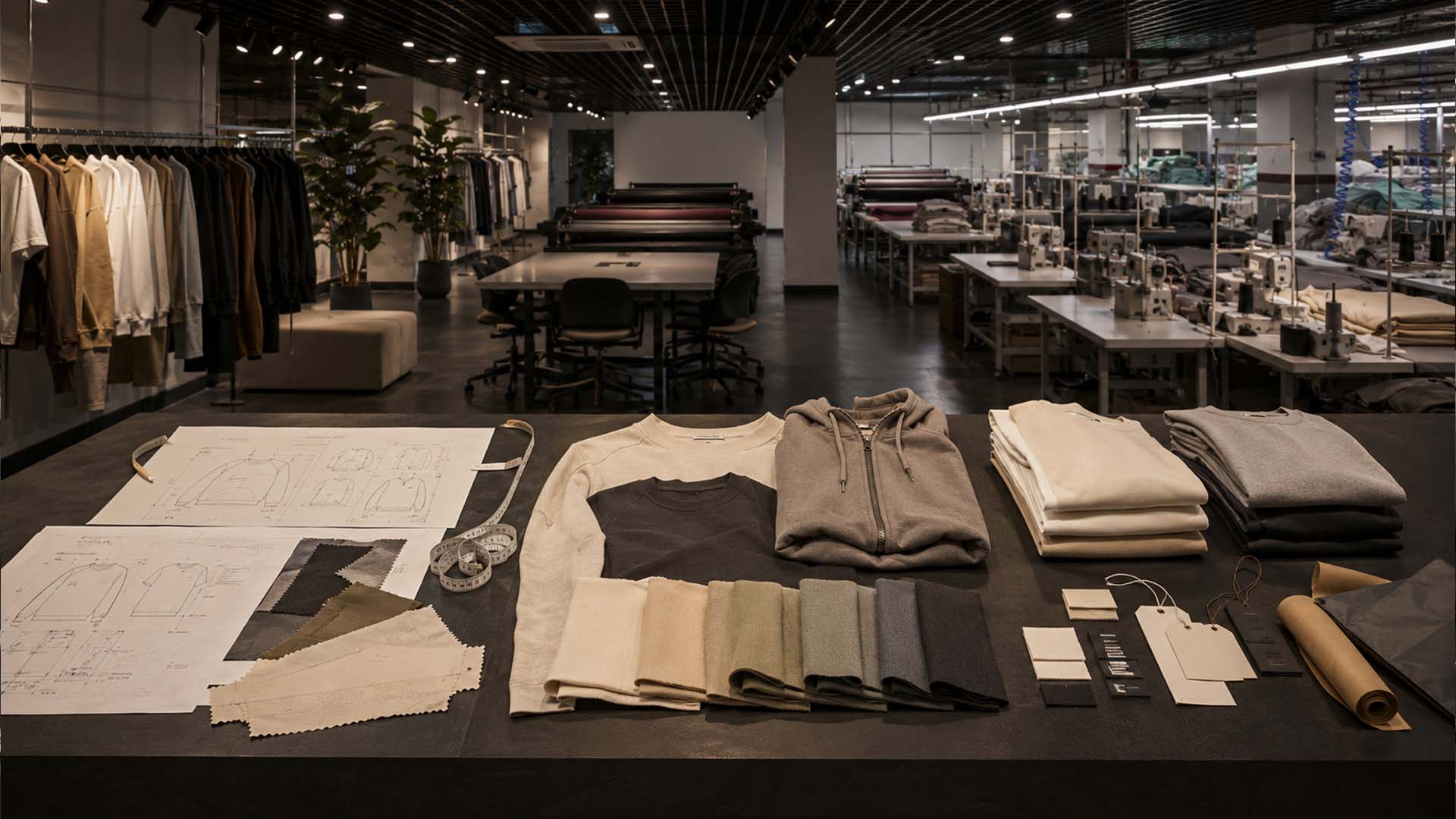
The brand provides the direction, and the manufacturer produces the garments according to those requirements. This model gives the brand more control over fabric, fit, stitching, labels, trims, prints, embroidery, packaging, and finishing.
OEM is ideal for brands that already know what they want to produce.
ODM Clothing Manufacturing
ODM stands for Original Design Manufacturer.
In ODM production, the manufacturer already has product designs, patterns, or developed styles. The brand can choose from these existing designs and adjust certain details such as color, labels, prints, trims, or packaging.
ODM can be useful for brands that want to launch faster and do not have a fully developed design team.
Private Label Clothing Production
Private Label Clothing Production usually means the manufacturer provides existing garment styles that can be branded with the client’s label.
For example, a brand may choose a ready-developed hoodie, add its own neck label, apply embroidery, and package it under its own brand name.
Private label is often faster and simpler than OEM, but it usually offers less control over the garment’s original construction.
Custom Clothing Manufacturer
A Custom Clothing Manufacturer may offer both OEM and fully custom development services.
This can include creating patterns from scratch, developing samples, adjusting fit, sourcing special fabrics, testing different garment washes, and preparing products for bulk manufacturing.
OEM often sits inside the custom manufacturing category, especially when the product is based on a brand-owned design.
What Does the Brand Provide in OEM Production?
OEM works best when the brand provides clear information. The more detailed the input, the smoother the production process becomes.
A professional brand usually provides:
- Technical drawings or sketches
- Tech packs
- Measurement charts
- Size grading information
- Fabric composition requirements
- GSM or fabric weight preferences
- Color references or Pantone codes
- Print or embroidery artwork
- Label and trim details
- Packaging requirements
- Quantity per style, size, and color
- Target price range
- Delivery expectations
A complete tech pack is especially useful. It helps the manufacturer understand the garment before sampling begins. It reduces misunderstandings, speeds up pricing, and improves accuracy during production.
For new fashion founders, this stage can feel technical at first. A good manufacturing partner should be able to guide the brand through the missing details without weakening the creative direction.
What Does the Manufacturer Handle?
The OEM clothing manufacturer turns the brand’s idea into a physical, production-ready garment.
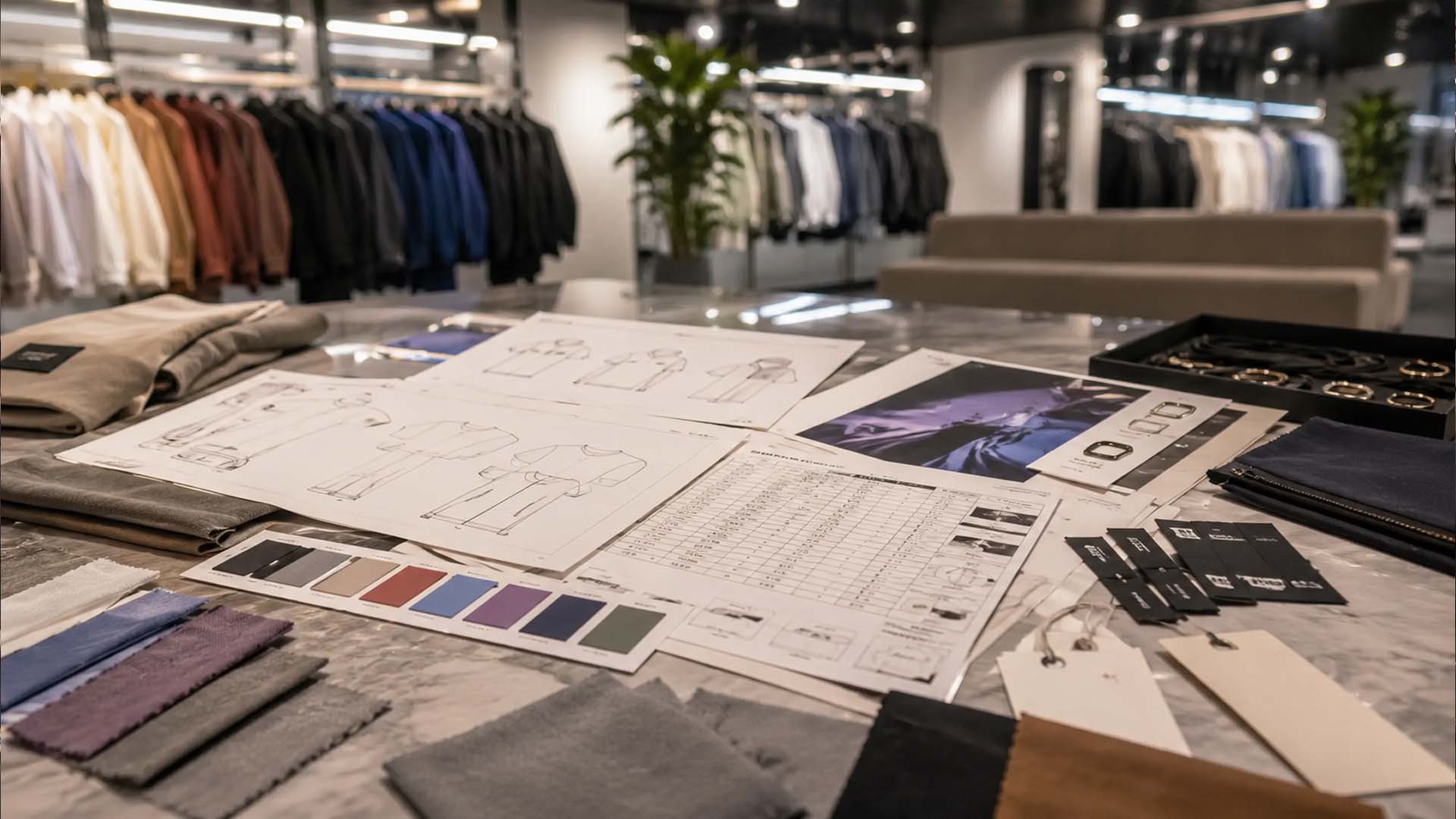
Depending on the project, the manufacturer may handle:
- Fabric sourcing
- Pattern development
- Sample production
- Fit adjustments
- Cutting
- Sewing
- Textile Printing Services
- Embroidery
- Washing or finishing
- Label attachment
- Quality control
- Ironing and folding
- Packaging
- Bulk production planning
- Export preparation
At Istanbul Factory, the process is built to support brands from early product development to final delivery. This is especially valuable for European and US brands that need clear communication, reliable timelines, and consistent quality standards.
When Is OEM the Best Choice for a Fashion Brand?
OEM is not the right model for every brand. It is best when the brand wants control, originality, and consistency.
OEM Is Best for Established Brands
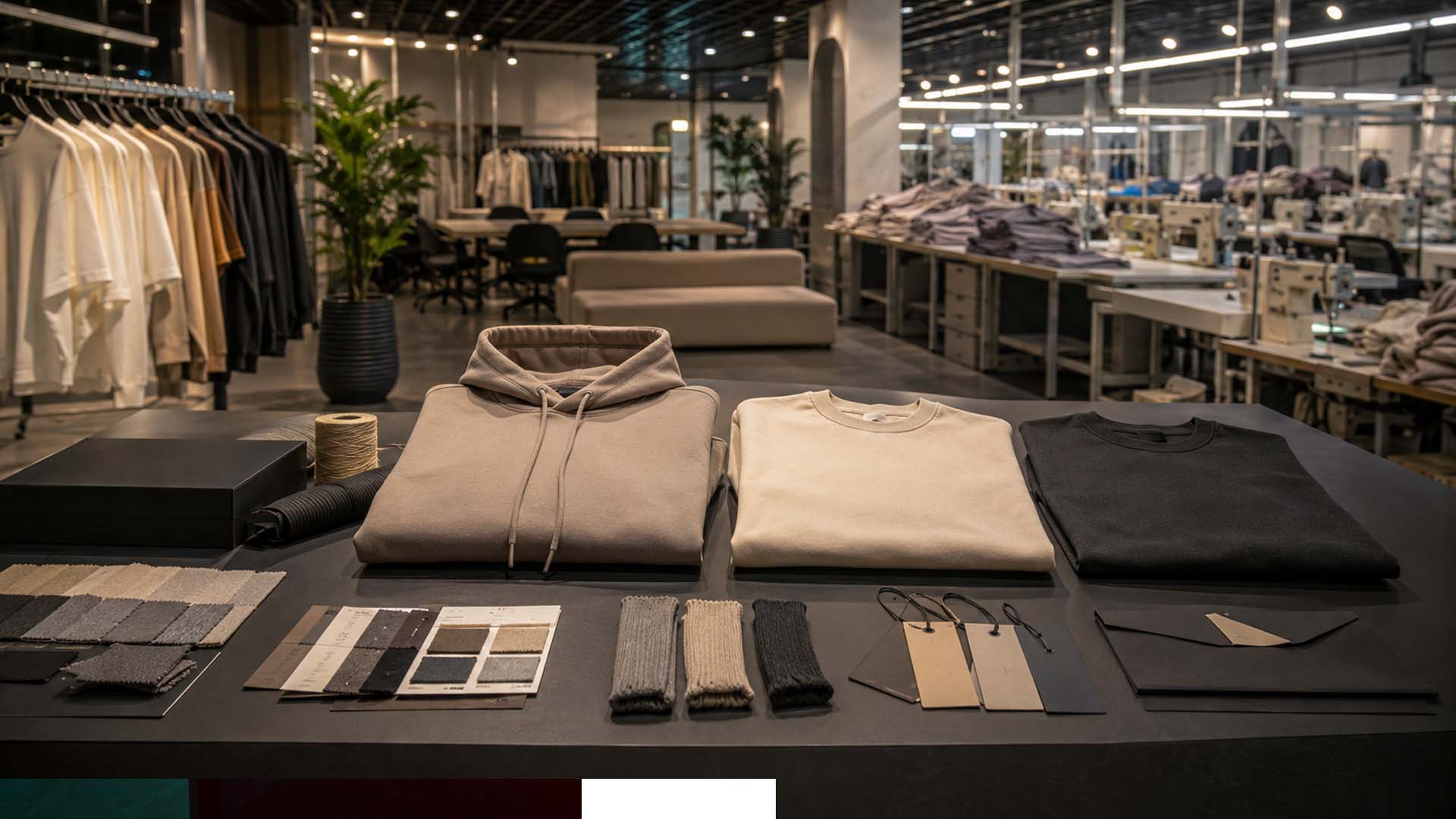
Established brands usually have a clear product identity. They may already know their preferred fit, fabric weight, stitching style, label position, and finishing details.
OEM allows these brands to keep control over those details while outsourcing production to an experienced factory.
For example, a premium streetwear brand may have a signature oversized hoodie fit. Producing that hoodie through standard private label may not be enough because the shape, sleeve length, shoulder drop, rib quality, and fabric feel need to match the brand’s identity. OEM is more suitable because the product is built around the brand’s own specifications.
OEM Is Useful for Growing Startups
Some startup clothing brands begin with private label, then move into OEM once they understand their market.
This is a natural path. Private label can help test demand, while OEM helps create a more distinctive product line.
A startup may first launch simple branded T-shirts. After receiving customer feedback, it may develop a custom heavyweight T-shirt with a specific neckline, sleeve shape, fabric texture, and print method. That is where OEM becomes useful.
OEM Supports Premium Product Positioning
Premium fashion labels cannot rely only on branding. The product itself must feel right.
OEM production gives more control over:
- Fabric hand feel
- Garment weight
- Fit and silhouette
- Stitching quality
- Print durability
- Embroidery placement
- Shrinkage control
- Packaging experience
These details affect how customers experience the product after purchase. For premium brands, this can directly influence repeat orders, reviews, and long-term brand value.
OEM and Textile Printing Services
Although OEM clothing manufacturing focuses on garment production, Textile Printing Services often play an important role in the final product.
For fashion brands, printing is not just decoration. It affects the look, feel, durability, and perceived value of a garment.
Common printing and decoration methods include: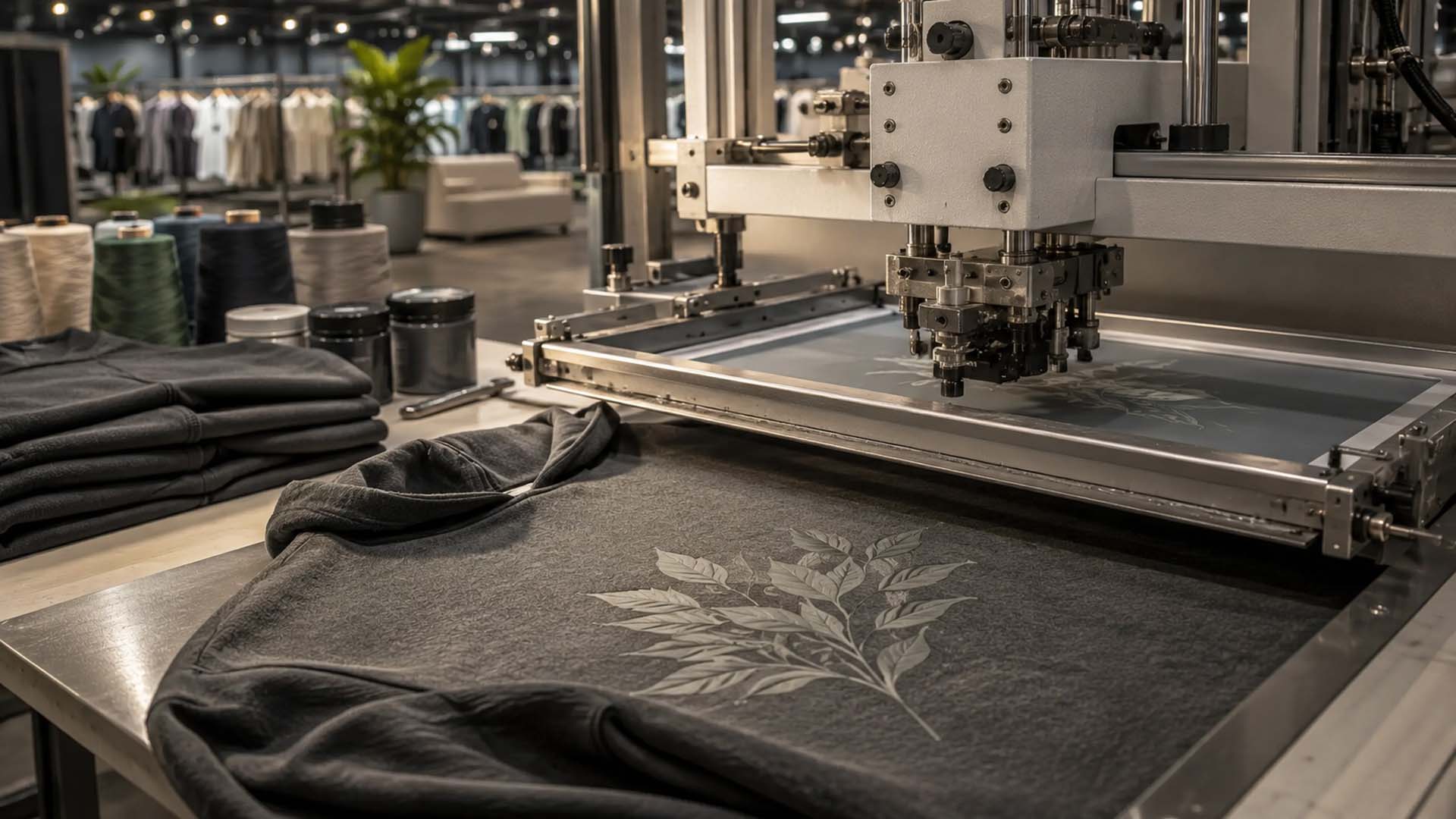
- Screen printing
- Digital printing
- DTF printing
- Embroidery
- Appliqué
- Puff print
- Silicone print
- Wash-resistant logo applications
A streetwear hoodie with a large front graphic may require a different print method than a premium T-shirt with a minimal chest logo. A good OEM manufacturer should advise the brand on which technique matches the fabric, design, order quantity, and desired finish.
At Istanbul Factory, print and embroidery are integrated into the wider production process. This helps keep branding, garment construction, and quality control aligned from sampling to bulk production.
Why Fabric Sourcing Matters in OEM Clothing Production
Fabric is one of the most important decisions in OEM manufacturing.
Two garments can use the same design but feel completely different depending on the fabric. GSM, composition, stretch, shrinkage, texture, and finishing all affect the final result.
For example:
A 180 GSM cotton jersey T-shirt feels lighter and more breathable.
A 240 GSM jersey T-shirt feels heavier and more structured.
A 420 GSM fleece hoodie feels premium, warm, and substantial.
A French terry sweatshirt feels cleaner and more versatile for year-round wear.
Professional fabric sourcing helps brands avoid mistakes such as choosing fabric that shrinks too much, loses shape, fades quickly, or does not support the intended fit.
This is one reason many European and US brands look for Clothing Production Turkey solutions. Turkey has a strong textile supply chain, experienced fabric suppliers, and garment factories that understand both production and export requirements.
Why Istanbul and Turkey Are Important for OEM Clothing Manufacturing
Turkey has become a strong production destination for fashion brands that want quality, flexibility, and faster communication compared with distant manufacturing regions.
Istanbul is especially important because it connects textile sourcing, garment production, sampling, logistics, and international business culture in one place.
For brands in Europe and the United States, working with a clothing manufacturer in Istanbul can offer several advantages:
- Strong textile manufacturing heritage
- Access to cotton, fleece, jersey, woven, and technical fabrics
- Experienced garment production teams
- Shorter lead times compared with many overseas options
- Easier communication with European markets
- Suitable location for EU-focused production
- Capability for sampling, revisions, and bulk production
- Strong knowledge of export standards
For brands that need premium basics, streetwear, private label, or OEM production, Istanbul offers a practical balance between craftsmanship, scalability, and commercial efficiency.
OEM Production Process: From Idea to Bulk Manufacturing
A professional OEM process usually follows a structured path.
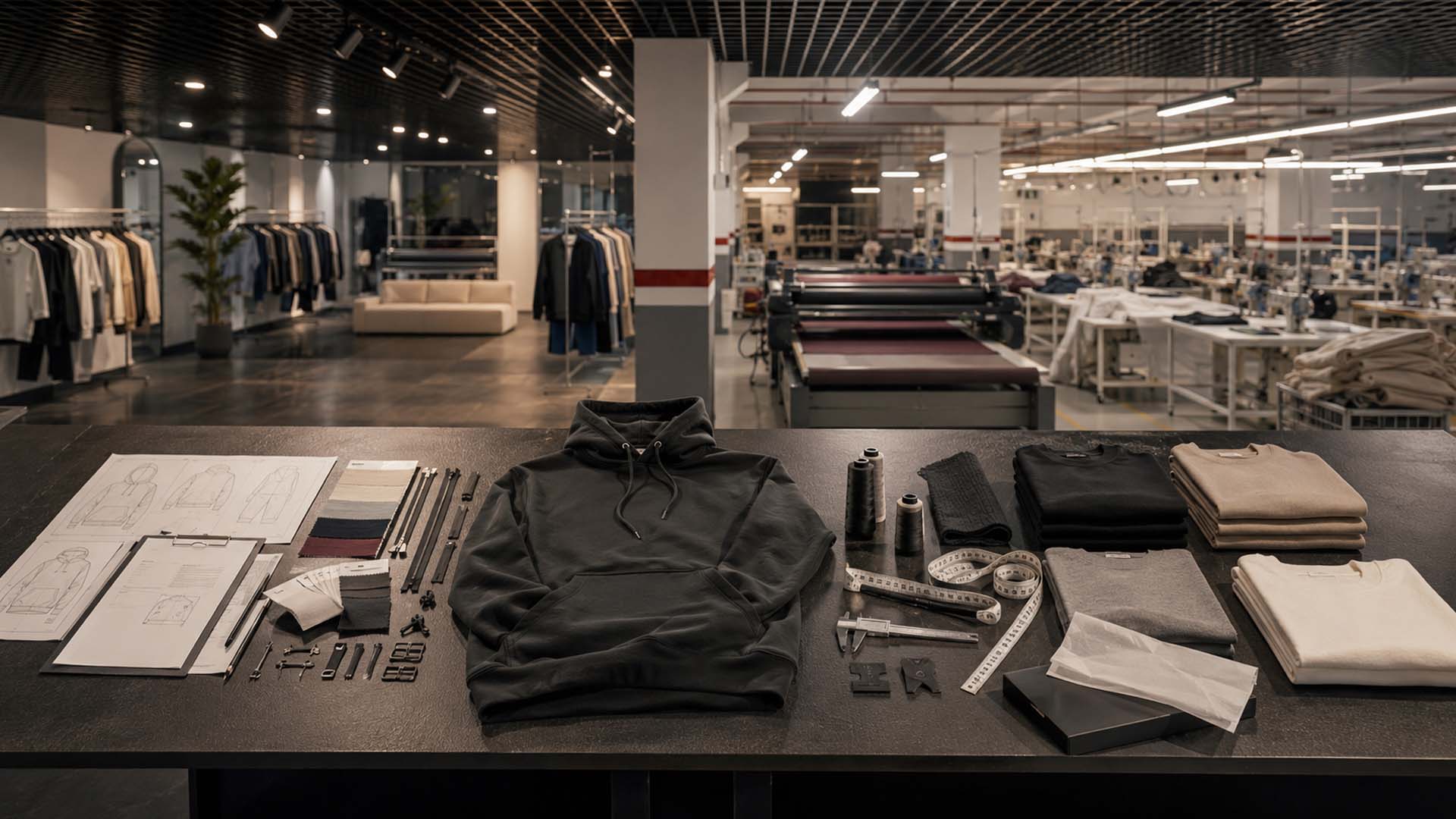
1. Product Brief and Technical Review
The brand shares its design idea, tech pack, reference images, fabric needs, quantity, and target market.
The manufacturer reviews whether the product is technically possible, which fabrics are suitable, and what production steps are required.
2. Fabric and Trim Sourcing
The factory sources fabrics, rib, zippers, drawcords, buttons, labels, threads, and other trims based on the brand’s requirements.
For premium garments, this stage is critical because small material differences can change the final product.
3. Sampling
A sample is produced before bulk manufacturing.
This allows the brand to review fit, fabric, stitching, print, embroidery, and overall quality. Revisions may be needed before final approval.
4. Pre-Production Approval
Once the sample is approved, the manufacturer prepares the final production details.
This may include size grading, production planning, fabric ordering, print approvals, label confirmation, and packaging instructions.
5. Bulk Production
The approved garment moves into production. Cutting, sewing, printing, embroidery, finishing, and packaging are managed according to the approved sample.
6. Quality Control
Quality control checks help protect the brand from costly mistakes.
Inspections may include:
- Fabric quality
- Measurements
- Stitching
- Print and embroidery placement
- Color consistency
- Label positioning
- Shrinkage performance
- Packaging accuracy
7. Final Packing and Delivery
After quality checks, garments are folded, packed, labeled, and prepared for shipment.
For B2B fashion brands, clean packing and organized delivery matter because products may go directly into retail, e-commerce fulfillment, or wholesale distribution.
Practical Example: OEM Hoodie Production
Imagine a European streetwear brand wants to produce a heavyweight hoodie.
The brand provides:
- Oversized fit reference
- 420 GSM fleece requirement
- Dropped shoulder design
- Kangaroo pocket
- Custom rib cuffs
- Embroidered chest logo
- Screen printed back graphic
- Woven neck label
- Branded hang tag
- Poly bag packaging
The OEM manufacturer handles:
- Fabric sourcing
- Pattern development
- Sample production
- Embroidery testing
- Textile Printing Services for the back graphic
- Bulk cutting and sewing
- Quality control
- Final packaging
This process creates a garment that belongs to the brand, rather than a standard blank hoodie with a logo added.
That difference is important for brands trying to build long-term recognition.
Common Mistakes Brands Make in OEM Production
OEM can produce excellent results, but only when the process is managed properly.
Common mistakes include:
- Starting without a clear tech pack
- Choosing fabric based only on photos
- Ignoring shrinkage and wash performance
- Approving samples too quickly
- Changing details after bulk production starts
- Using low-quality prints on premium garments
- Underestimating packaging and label details
- Focusing only on unit price instead of final product value
The best results come when the brand and manufacturer work as production partners, not as separate sides of a transaction.
How Istanbul Factory Supports OEM Clothing Production
Istanbul Factory works with fashion brands, streetwear brands, startups, and established labels that need reliable clothing production in Turkey.
Our role is to help brands turn their product vision into professionally manufactured garments through a structured, transparent process.
Istanbul Factory supports:
- OEM clothing manufacturing
- Custom clothing production
- Private Label Clothing Production
- Fabric sourcing in Istanbul
- Garment sampling
- Print and embroidery
- Textile Printing Services
- Quality control
- Sustainable textile production
- End-to-end production management
For brands in Europe and the United States, we focus on European quality standards, clear communication, practical guidance, and production consistency.
Whether you are developing a premium hoodie, a capsule collection, a streetwear drop, or a full private label line, the right production partner can make the difference between a good idea and a product customers want to wear again.
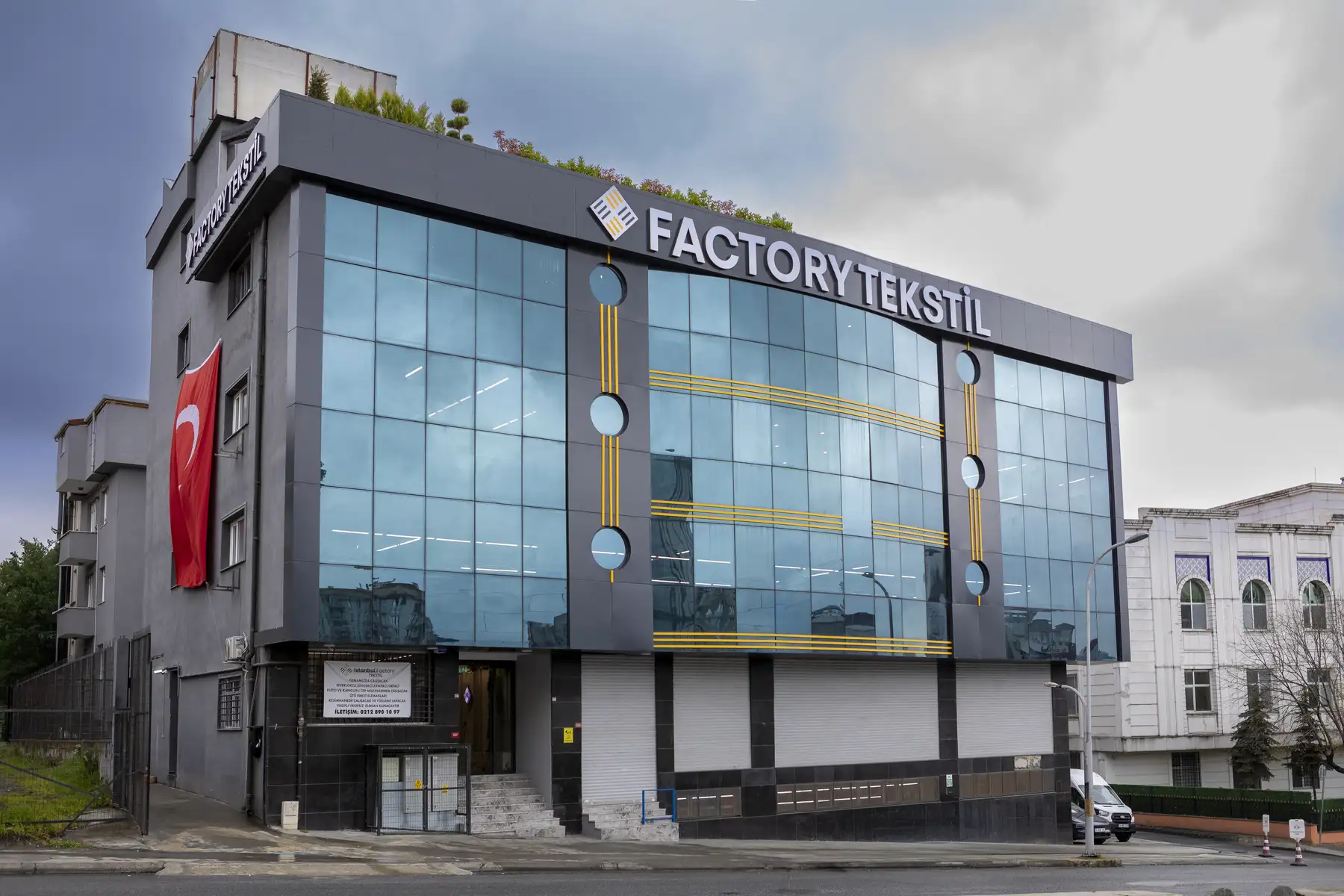
Build Your Next Collection with Istanbul Factory
If your brand is ready to move beyond basic blanks and develop garments with your own fit, fabric, labels, prints, and construction details, OEM clothing manufacturing may be the right path.
Istanbul Factory helps fashion brands manage the full journey from product development to bulk production in Istanbul, Turkey.
Share your design, tech pack, reference product, or collection idea with our team, and we can guide you through the next production steps.
FAQ
What does OEM mean in clothing manufacturing?
OEM means Original Equipment Manufacturer. In clothing production, it means a manufacturer produces garments based on the brand’s own designs, specifications, tech packs, materials, labels, and quality expectations.
Is OEM the same as private label clothing production?
No. OEM is usually more customized. Private label clothing production often uses ready-developed garments that are branded for the client. OEM production is based on the brand’s own product specifications and offers more control over fit, fabric, construction, and details.
What should a brand provide for OEM production?
A brand should ideally provide a tech pack, sketches, measurement chart, fabric requirements, color references, print or embroidery files, label details, packaging instructions, and order quantities.
Is OEM production suitable for startup clothing brands?
Yes, but it depends on the startup’s readiness. New fashion founders with clear designs, budget, and product direction can benefit from OEM. Brands that are still testing the market may start with private label before moving into OEM production.
Why should fashion brands consider clothing production in Turkey?
Clothing Production Turkey is attractive because of Turkey’s strong textile supply chain, skilled manufacturing base, access to quality fabrics, shorter lead times for European brands, and experience with export-focused garment production.
Does Istanbul Factory offer print and embroidery for OEM garments?
Yes. Istanbul Factory offers Textile Printing Services, embroidery, label application, fabric sourcing, sampling, production, and quality control as part of its end-to-end manufacturing support.