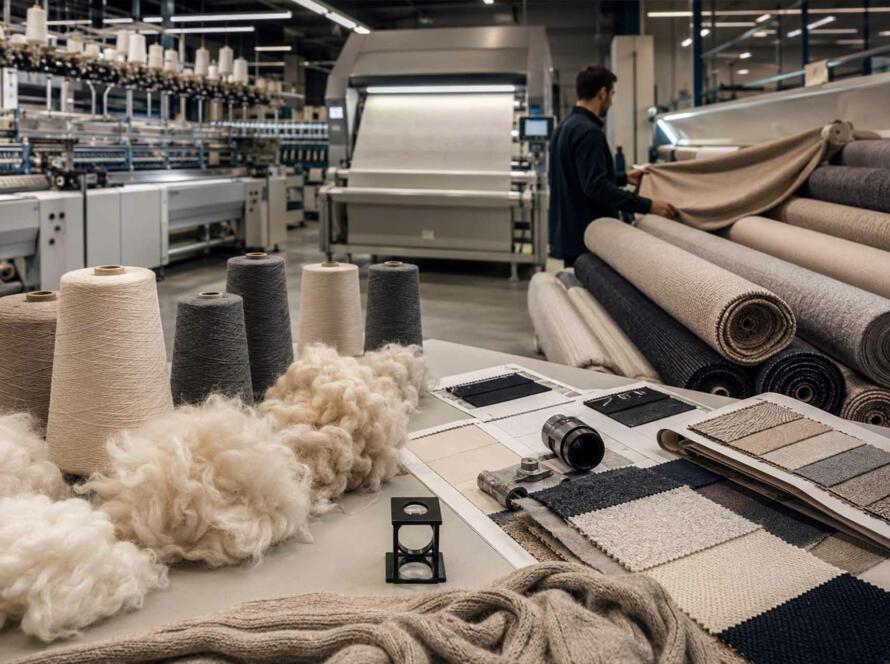


For many new fashion founders, the first big question is simple: “How do I turn my clothing idea into a real product without building a factory, hiring pattern makers, sourcing fabric alone, and managing every production detail myself?”
This is where private label clothing becomes important.
Private label clothing allows a fashion brand to create and sell garments under its own brand name, while the manufacturing process is handled by a professional clothing manufacturer. The products may be based on existing garment structures, refined fits, selected fabrics, custom labels, packaging, colors, prints, embroidery, and brand details.
For startups, streetwear brands, premium labels, and growing fashion companies, private label production offers a practical way to enter the market with quality products, controlled branding, and a faster development process.
At Istanbul Factory, we work with fashion brands from Europe, the United States, and other international markets to support private label clothing production from fabric selection to sampling, bulk production, quality control, and final delivery.
What Is Private Label Clothing?
Private label clothing means garments produced by a manufacturer and sold under another company’s brand name.
In simple terms, a fashion brand does not own the factory. Instead, it works with a clothing manufacturing partner that produces the garments according to the brand’s requirements.
The final product can include:
- The brand’s neck label
- Custom wash care label
- Hang tags
- Packaging
- Fabric selection
- Color choices
- Print or embroidery
- Fit adjustments
- Size range
- Quality specifications
For example, a streetwear startup may want heavyweight oversized hoodies with its own woven label, embroidery on the chest, custom packaging, and a premium finish. The garment is manufactured by the production partner, but it is sold as the brand’s own product.
That is private label clothing.
How Does Private Label Clothing Production Work?
Private label clothing production usually follows a clear process. The exact workflow depends on the product, fabric, design complexity, order quantity, and branding details, but most projects include the same main stages.
1. Product Direction
The brand first decides what type of garments it wants to produce. This could include T-shirts, hoodies, sweatpants, shorts, tracksuits, dresses, outerwear, or other apparel categories.
At this stage, the brand should define:
- Target customer
- Product category
- Desired quality level
- Fit direction
- Price positioning
- Brand style
- Launch timeline
A premium streetwear brand, for example, may need heavyweight fleece, relaxed fits, strong rib cuffs, and clean embroidery. A lifestyle brand may prefer softer jersey fabrics, minimal branding, and neutral colors.
2. Fabric and Material Selection
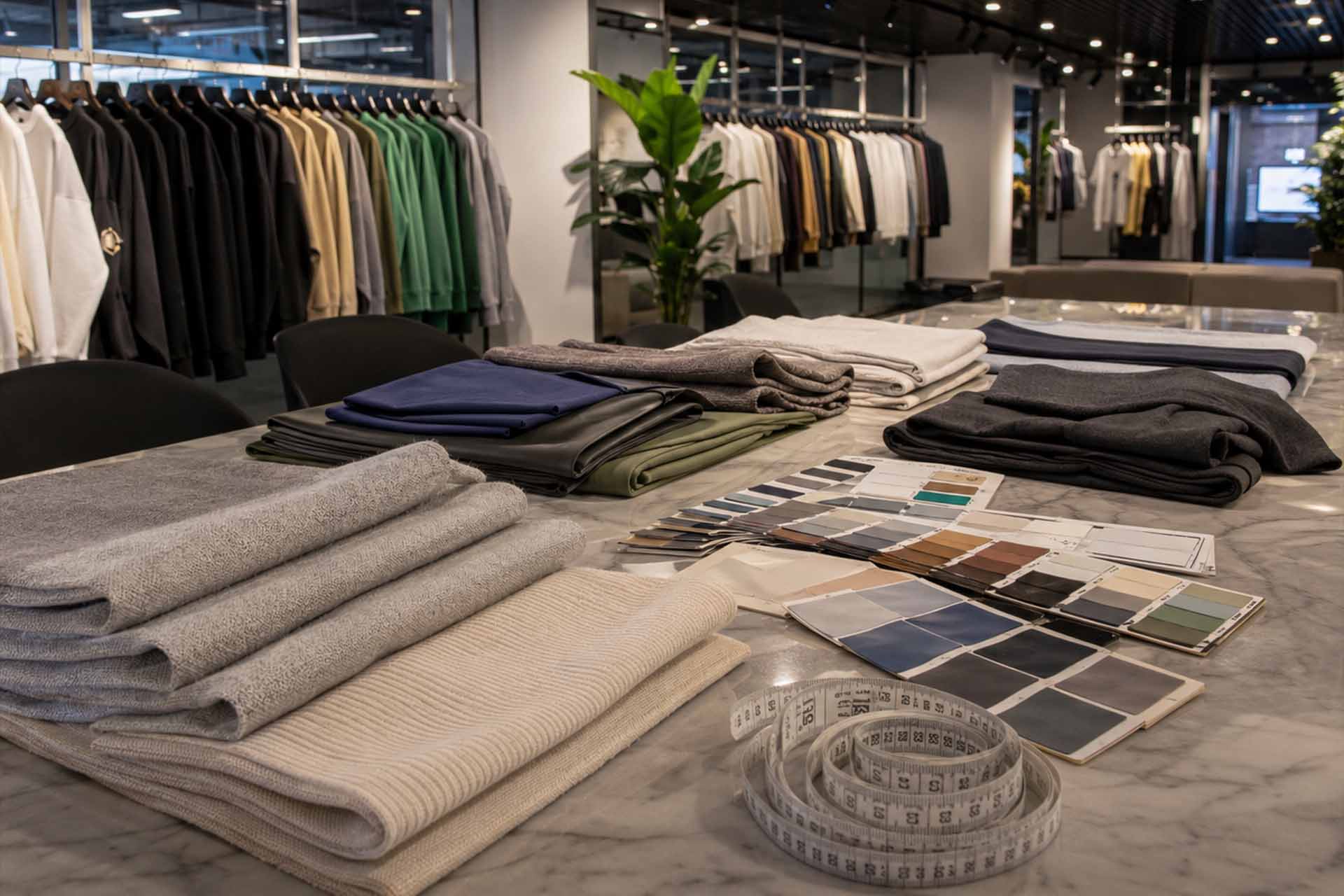
Fabric is one of the most important decisions in private label clothing.
The same hoodie design can feel completely different depending on whether it is made from lightweight French terry, brushed fleece, organic cotton, or a cotton-polyester blend.
Important fabric factors include:
- Composition
- GSM
- Texture
- Stretch
- Shrinkage behavior
- Color consistency
- Durability
- Hand feel
- Sustainability requirements
This is where working with an experienced manufacturer in Istanbul can be valuable. Turkey has a strong textile supply chain, giving brands access to a wide range of fabrics, trims, labels, and finishing options.
3. Sampling
Before bulk production begins, a sample is usually created.
Sampling helps the brand check the real garment in hand. It allows the team to review the fit, fabric, stitching, label placement, print quality, embroidery quality, and overall feel.
A sample is not just a preview. It is a decision-making tool.
Brands should use the sampling stage to answer practical questions:
- Does the garment fit the target customer?
- Does the fabric feel premium enough?
- Is the print or embroidery positioned correctly?
- Are the measurements accurate?
- Does the product match the brand image?
Skipping or rushing this step can lead to expensive mistakes during bulk production.
4. Branding Details
Private label clothing is strongly connected to brand identity.
The product may start with a standard or semi-developed base, but branding details make it belong to the fashion label.
Common branding elements include:
- Main label
- Size label
- Wash care label
- Hang tag
- Neck print
- Sleeve embroidery
- Chest print
- Custom drawcords
- Branded packaging
- Barcode stickers
- Fold and pack instructions
For premium brands, these details matter. A clean woven label, high-quality hang tag, and neat packaging can make the garment feel more valuable before the customer even tries it on.
5. Bulk Production
Once the sample is approved, the manufacturer begins bulk production.
This stage includes cutting, sewing, printing, embroidery, finishing, ironing, quality control, folding, and packaging.
A professional private label clothing manufacturer should manage production carefully to keep consistency across all pieces and sizes.
For fashion brands selling in Europe and the United States, consistency is critical. Customers expect the same fit, same color, same stitching quality, and same finish across the full order.
6. Quality Control and Delivery
Quality control should happen during production and before shipment.
Important checks include:
- Fabric quality
- Measurements
- Stitching
- Seams
- Labels
- Print and embroidery
- Color matching
- Shrinkage risk
- Packaging
- Final presentation
At Istanbul Factory, quality control is part of the production process because a garment is not finished just because it is sewn. It must be ready for the market.
Who Is Private Label Clothing Suitable For?
Private label clothing is suitable for many types of fashion businesses, especially brands that want to launch or expand without managing the full technical development process alone.
It is a strong option for:
- New fashion founders
- Startup clothing brands
- Streetwear brands
- Influencer-led brands
- Boutique fashion labels
- E-commerce clothing brands
- Premium basics brands
- Companies launching merchandise
- Existing brands expanding into new categories
Private label clothing is especially useful when a brand has a clear visual identity but needs manufacturing support to bring products to life.
For example, a new founder may understand the target audience, brand mood, colors, and marketing direction, but may not know how to choose fabric GSM, manage shrinkage, prepare size specs, or control print quality. A production partner fills that gap.
Advantages of Private Label Clothing
Private label clothing offers several practical advantages for fashion brands.
Faster Market Entry
Compared with fully custom development, private label clothing can often move faster because the manufacturer already understands garment construction, fabric sourcing, production flow, and technical requirements.
This helps brands test the market sooner.
Lower Development Complexity
A brand does not need to build everything from zero. The manufacturer supports fabric selection, sample creation, production planning, labeling, and finishing.
This is helpful for founders who are launching their first collection.
Strong Brand Control
Even though the manufacturer produces the garments, the final product carries the brand’s identity.
With custom labels, packaging, colors, prints, and finishing details, the clothing can feel unique and professional.
Better Production Support
A good manufacturing partner brings industry knowledge into the process.
This includes advice on:
- Which fabric works best
- What GSM suits the product
- Which print method is more durable
- How to improve fit
- How to avoid production risks
- How to keep quality consistent
Scalable Growth
Private label clothing can support both early-stage launches and larger repeat orders. Once a product is tested and accepted by customers, the brand can reorder, adjust colors, expand sizes, or develop new styles.
Limitations of Private Label Clothing
Private label clothing is practical, but it is important to understand its limits.
Less Design Freedom Than Fully Custom Clothing
Private label production may be based on existing garment structures, proven patterns, or manufacturer-supported product types. This can reduce development time, but it may not offer the same level of design freedom as fully custom clothing manufacturing.
If a brand wants a completely unique silhouette, original pattern, unusual construction, special technical fabric, or complex product engineering, it may need a custom clothing manufacturer.
Minimum Order Quantities Still Apply
Private label does not always mean very small orders. Professional factories usually require minimum order quantities because fabric, cutting, sewing, trims, labels, and production setup all have costs.
Brands should be prepared to produce in commercially realistic quantities.
Quality Depends on the Manufacturer
Private label clothing can look premium or basic depending on the production partner.
Fabric quality, stitching, finishing, label application, print durability, and packaging all depend on the manufacturer’s standards.
This is why choosing the right partner is one of the most important decisions a fashion brand will make.
Private Label Clothing vs Custom Clothing Manufacturing
Private label clothing and custom clothing manufacturing are related, but they are not the same.
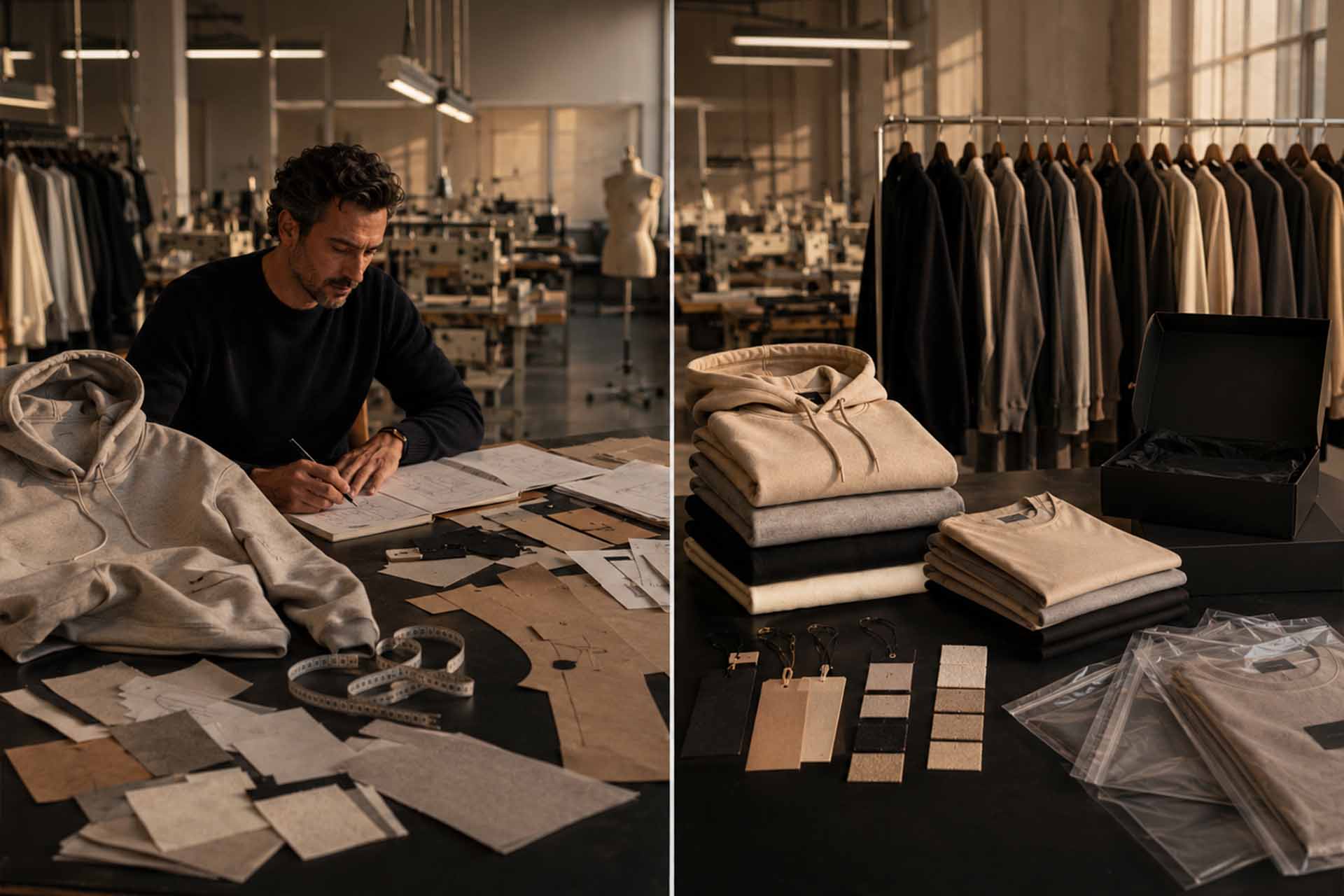
Private Label Clothing
Private label clothing is usually best when a brand wants to launch products with its own branding while using the manufacturer’s production expertise, existing garment knowledge, and sourcing network.
It is often suitable for:
- Hoodies
- T-shirts
- Sweatpants
- Tracksuits
- Shorts
- Basics
- Streetwear pieces
- Branded merchandise
- Lifestyle collections
The focus is on brand identity, fabric selection, quality, fit refinement, and production efficiency.
Custom Clothing Manufacturing
Custom clothing manufacturing is usually more detailed and technical. It may involve developing original patterns, unique silhouettes, special garment construction, custom measurements, and more complex sampling.
A custom clothing manufacturer is the better choice when the brand needs something highly specific from the beginning.
For example, if a designer wants a new jacket shape with custom panels, special closures, technical lining, and a unique fit, custom manufacturing is more suitable.
Simple Difference
Private label clothing is usually better for brands that want a professional, branded product with a more efficient development process.
Custom clothing manufacturing is better for brands that need a garment created from the ground up.
Many brands use both models at different stages. They may start with private label clothing production to launch faster, then move into custom development once they understand their customers better.
Why Turkey and Istanbul Matter for Clothing Production
Turkey has become an important destination for fashion brands looking for reliable clothing production close to Europe.
For European and US brands, Clothing Production Turkey offers several advantages:
- Strong textile heritage
- Access to quality fabrics
- Skilled garment workers
- Flexible production capabilities
- Shorter lead times compared with many distant sourcing markets
- Geographic advantage for European shipping
- Experience with international quality expectations
Istanbul is especially important because it connects fabric suppliers, garment manufacturers, printing workshops, embroidery facilities, logistics partners, and export experience in one city.
For brands that want premium private label clothing production, this ecosystem can reduce complexity and improve communication.
What Brands Should Prepare Before Contacting a Manufacturer
A brand does not need to know everything before contacting a manufacturer, but preparation helps the process move faster.
Before starting a private label project, it is useful to prepare:
- Product categories
- Reference images
- Target fabrics
- Desired colors
- Approximate order quantity
- Size range
- Branding details
- Print or embroidery ideas
- Target price level
- Launch timeline
The more clearly a brand communicates its vision, the easier it is for the manufacturer to recommend the right production path.
However, new founders should not feel discouraged if they do not have a full tech pack yet. A good production partner can guide the early stages and help organize the project step by step.
How Istanbul Factory Supports Private Label Clothing Brands
Istanbul Factory helps fashion brands develop and produce clothing with a clear, professional, and quality-focused process.
Our private label production services can include:
- Product development guidance
- Fabric sourcing
- Garment sampling
- Clothing manufacturing
- Print and embroidery
- Custom labels and packaging
- Quality control
- Sustainable textile production options
- End-to-end production coordination
We work with streetwear brands, startup labels, fashion entrepreneurs, premium brands, and established companies looking for a reliable manufacturing partner in Istanbul.
Our goal is to make production easier to understand, easier to manage, and better aligned with the quality standards expected by European and US markets.
CTA: Start Your Private Label Clothing Project
If you are planning to launch a clothing brand or expand your current collection, Istanbul Factory can help you move from idea to finished product with professional manufacturing support.
Whether you need hoodies, T-shirts, sweatpants, streetwear pieces, premium basics, or a complete private label collection, our team can guide the process from fabric sourcing to final quality control.
Contact Istanbul Factory to discuss your private label clothing production project in Istanbul, Turkey.
FAQ
What does private label clothing mean?
Private label clothing means garments produced by a manufacturer and sold under another brand’s name. The brand can add its own labels, packaging, colors, prints, embroidery, and other identity details.
Is private label clothing good for new fashion founders?
Yes. Private label clothing is often a practical option for new fashion founders because it reduces development complexity and helps brands launch products with professional manufacturing support.
What is the difference between private label and custom clothing?
Private label clothing usually uses manufacturer-supported production structures with brand customization. Custom clothing manufacturing creates garments from the ground up with original patterns, construction, and technical details.
Can private label clothing be premium quality?
Yes. Private label clothing can be premium when the right fabrics, fit, stitching, finishing, labels, and quality control standards are used. The final result depends heavily on the manufacturer.
Why do brands choose Turkey for clothing production?
Brands choose Turkey for clothing production because of its strong textile industry, skilled manufacturers, access to quality fabrics, flexible production capabilities, and geographic advantage for European markets.