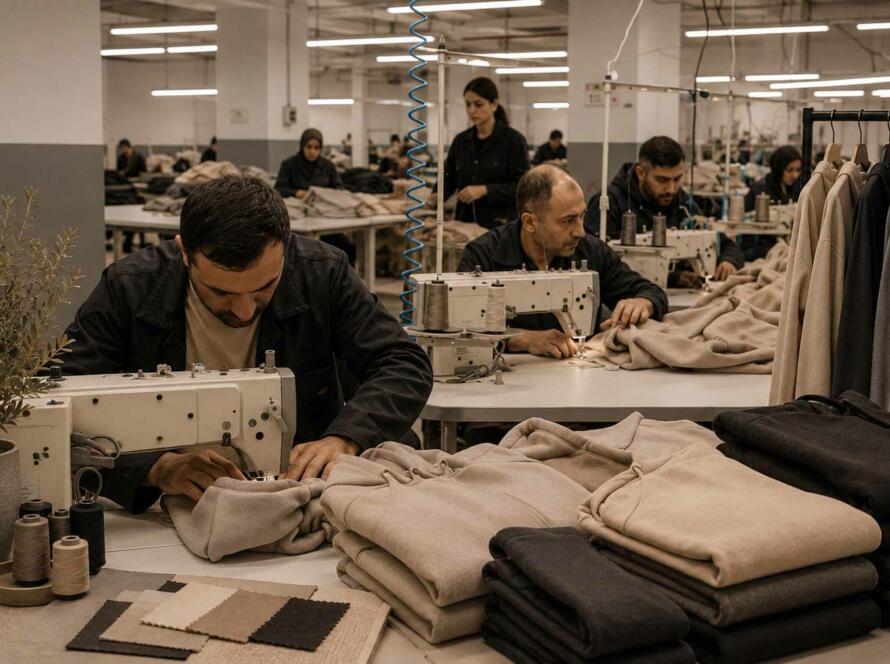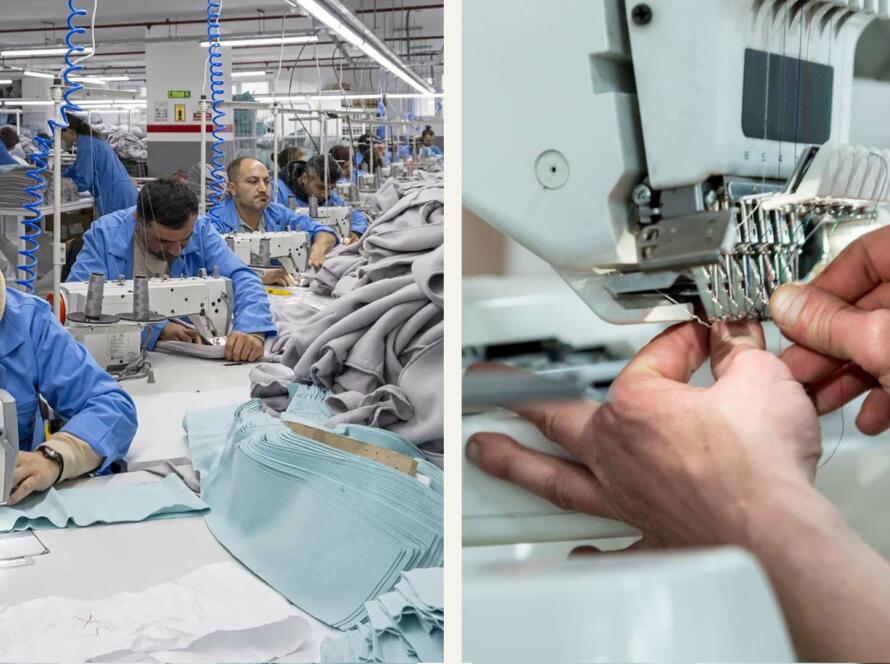


Turkey has developed one of the most complete textile and apparel manufacturing ecosystems available to international fashion brands.
Within the same production market, a brand can source yarn, develop custom fabrics, create garment samples, manufacture a collection, apply prints or embroidery, complete quality inspections and prepare finished products for export.
This integrated structure is one of the main reasons European and US companies consider textile production in Turkey for streetwear, premium basics, private label collections and medium-volume custom manufacturing.
For brands, however, selecting a production country is only the first step. The real challenge is finding a manufacturing partner that can connect fabric development, sampling, production planning and quality control without losing consistency between stages.
This guide explains how textile production in Turkey works, what the country can produce and what fashion brands should examine before placing a bulk order.
What Is Textile Production in Turkey?
Textile production in Turkey covers the complete process of turning fibres and yarns into finished fabrics and garments. It includes spinning, knitting, weaving, dyeing, fabric finishing, garment sampling, cutting, sewing, printing, embroidery, quality control and packaging.
Depending on the project, a fashion brand may work with several specialised suppliers or one production partner that coordinates the entire process.
The Turkish textile industry supports a wide range of product categories, including:
- T-shirts and jersey garments
- Sweatshirts and heavyweight hoodies
- Tracksuits and streetwear
- Dresses, shirts and blouses
- Trousers and tailored garments
- Denim products
- Jackets and outerwear
- Workwear and uniforms
- Underwear and loungewear
- Textile accessories and bags
The most important advantage is not simply the variety of garments available. It is the ability to connect material sourcing and garment manufacturing within a relatively concentrated supply chain.
Why Fashion Brands Manufacture Textiles in Turkey
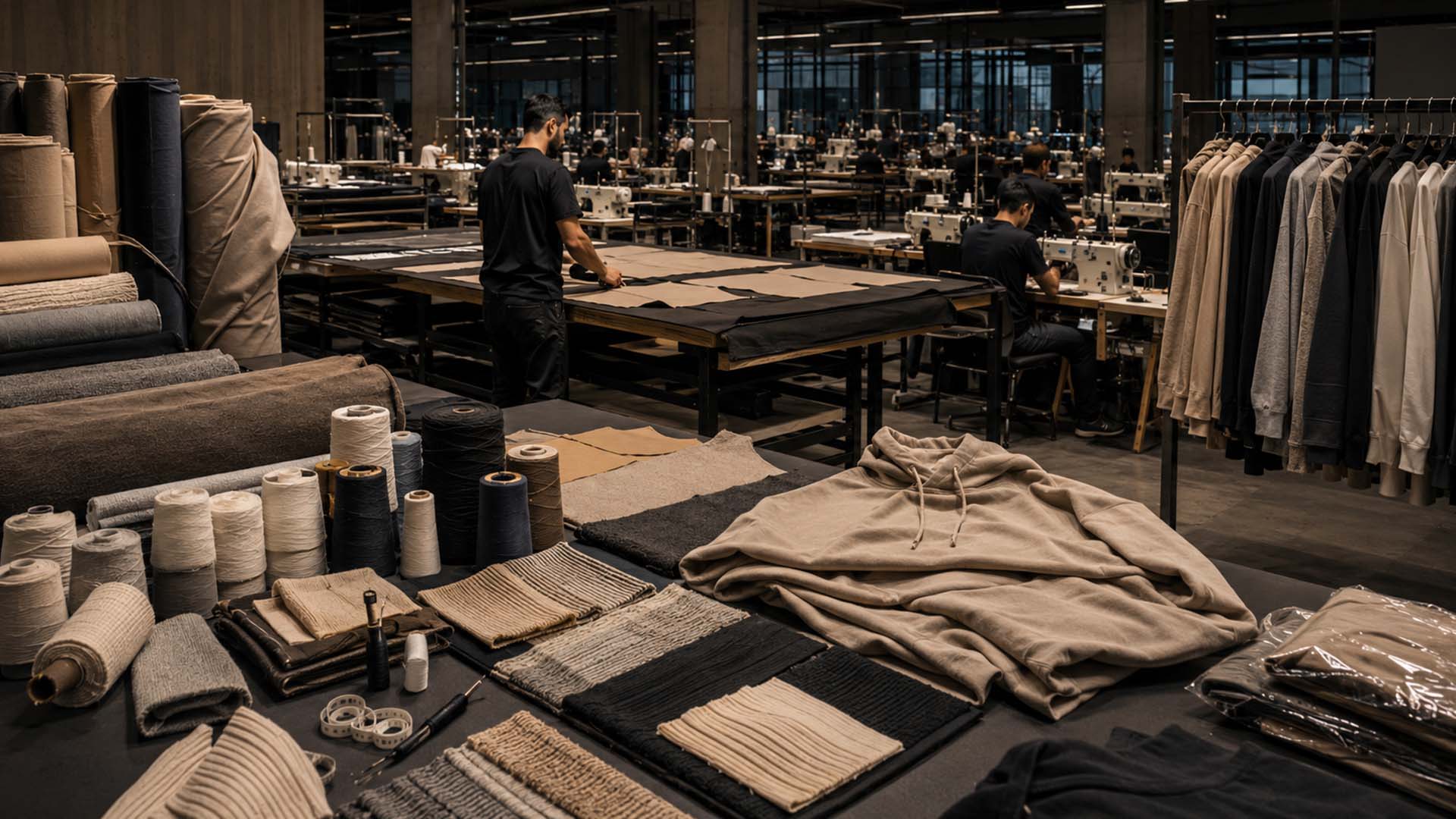
Fashion brands usually compare manufacturing destinations according to price, quality, speed, flexibility and communication.
Turkey occupies a strong position between low-cost offshore manufacturing and higher-cost production inside Western Europe. It is particularly relevant for brands that need better development support, moderate order quantities and shorter supply chains.
An Integrated Textile Supply Chain
Turkey has production capabilities across several stages of the textile value chain. Manufacturers can source locally produced yarns, knitted fabrics, woven fabrics, ribs, linings, labels, packaging and garment accessories.
This can reduce the number of countries involved in a single collection.
For example, a brand producing heavyweight hoodies may source French Terry or fleece fabric, matching rib, sewing thread, labels, embroidery and packaging through suppliers operating within the same regional network.
A more connected supply chain can make colour matching, sample revisions and production coordination easier.
Access to European Markets
Turkey’s location gives manufacturers practical access to Europe, Asia and the Middle East. Istanbul also functions as a major commercial and logistics centre for international buyers.
Trade between Turkey and the European Union operates through a Customs Union that entered into force at the end of 1995. The arrangement removed tariffs and quantitative restrictions on industrial goods covered by the agreement and aligned parts of Turkey’s technical and customs framework with the EU.
For European fashion brands, this location can support shorter transportation routes than many Asian sourcing markets. US brands may face longer shipping distances, but they can still benefit from Turkey’s fabric expertise, flexible product development and ability to consolidate several production stages.
Textiles and ready-made clothing also remain established Turkish export categories in markets such as the United Kingdom.
Medium-Volume Production Capability
Turkey is often considered by brands that have moved beyond very small workshop quantities but do not want to commit to extremely large industrial orders.
This makes the country relevant for:
- Growing direct-to-consumer brands
- Premium streetwear labels
- Seasonal fashion collections
- Established brands testing a new product category
- Businesses expanding from local to international sales
- Private label companies requiring repeat production
Manufacturers still need economically viable quantities. However, the market can offer more flexibility than production systems designed primarily for very high-volume orders.
From Yarn to Finished Fabric
Garment quality begins before cutting and sewing. Fabric structure, yarn quality, weight, finishing and colour performance directly affect how the final garment looks and behaves.
Yarn Selection
Yarn selection influences softness, durability, pilling, stretch, appearance and production cost.
Common fibre options include:
- Conventional cotton
- Organic cotton
- Recycled cotton
- Polyester
- Recycled polyester
- Viscose
- Modal
- Wool
- Linen
- Elastane blends
A fashion brand should not select yarn composition based only on a sustainability claim or fibre percentage. Yarn count, spinning method and fibre quality can significantly change the final result.
Two fabrics labelled “100% cotton” may feel completely different because they use different yarn qualities, fabric constructions and finishing processes.
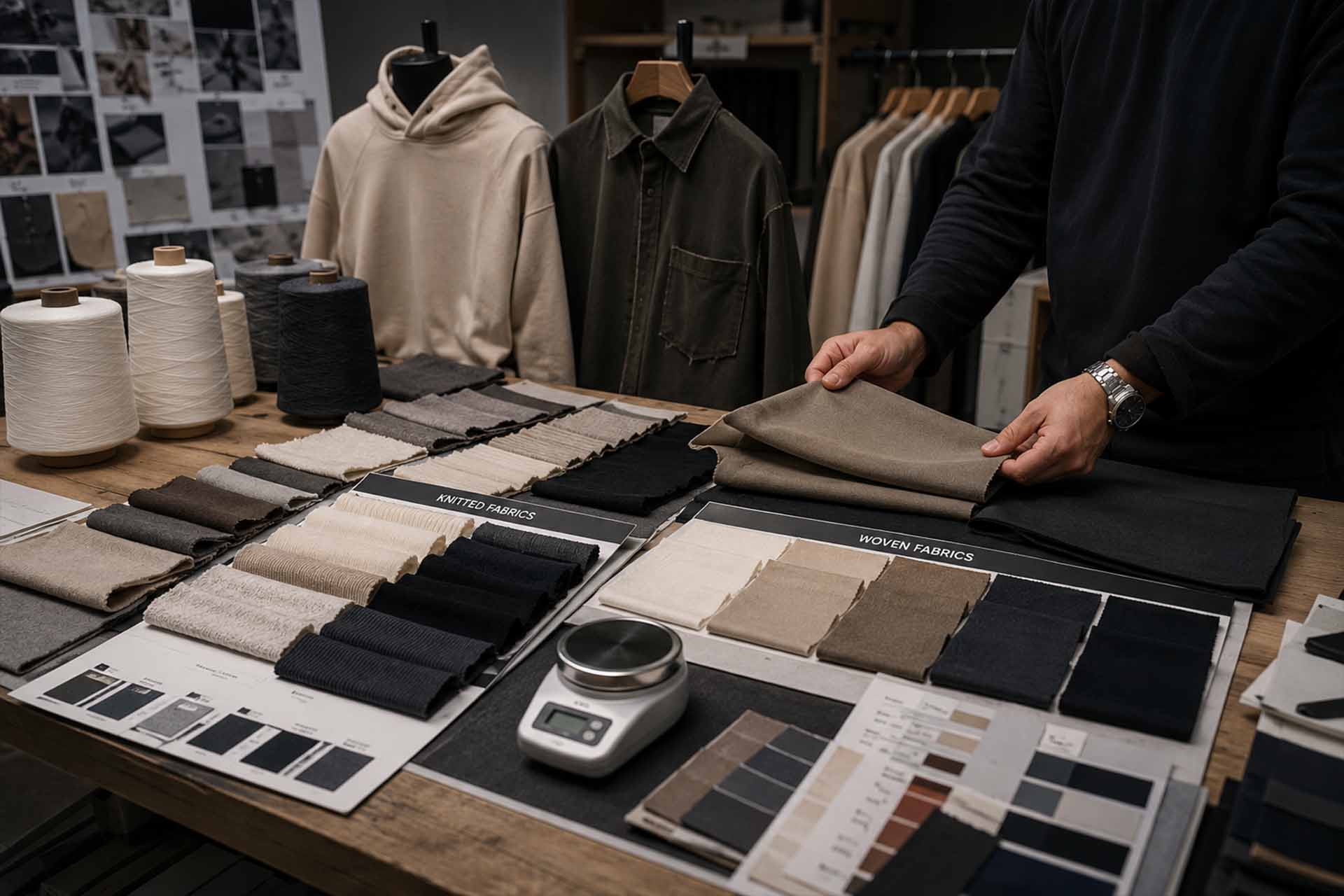
Knitted Textile Production in Turkey
Knitted fabrics are commonly used for T-shirts, sweatshirts, hoodies, tracksuits and activewear.
Frequently sourced constructions include:
- Single jersey
- Interlock
- Rib
- Piqué
- French Terry
- Two-thread and three-thread fabrics
- Brushed fleece
- Polar fleece
- Ponte and structured knits
The fabric specification should include more than composition. Brands should define the required GSM, usable width, stretch, recovery, shrinkage tolerance, surface texture and finishing.
For example, a 300 GSM French Terry and a 450 GSM brushed fleece may both be suitable for sweatshirts, but they create very different silhouettes. The first may feel lighter and more suitable for layering, while the second can produce a structured heavyweight streetwear garment.
Woven Textile Production in Turkey
Woven fabrics are used for shirts, trousers, dresses, jackets, workwear and selected outerwear products.
Common woven materials include:
- Poplin
- Twill
- Canvas
- Gabardine
- Denim
- Satin
- Crepe
- Linen blends
- Wool blends
- Technical woven fabrics
Woven products require careful attention to fabric stability, grain direction, seam construction and pressing. A successful result depends on matching the fabric to the intended garment rather than choosing a material from appearance alone.
A soft woven fabric may work well for a flowing shirt but fail to provide enough structure for a workwear jacket. A dense canvas may create a premium overshirt but require stronger needles, reinforced seams and different washing tests.
Fabric Dyeing, Washing and Finishing
Fabric production is not complete when a fabric leaves the knitting or weaving machine. Dyeing and finishing determine much of its final appearance and performance.
Fabric Dyeing
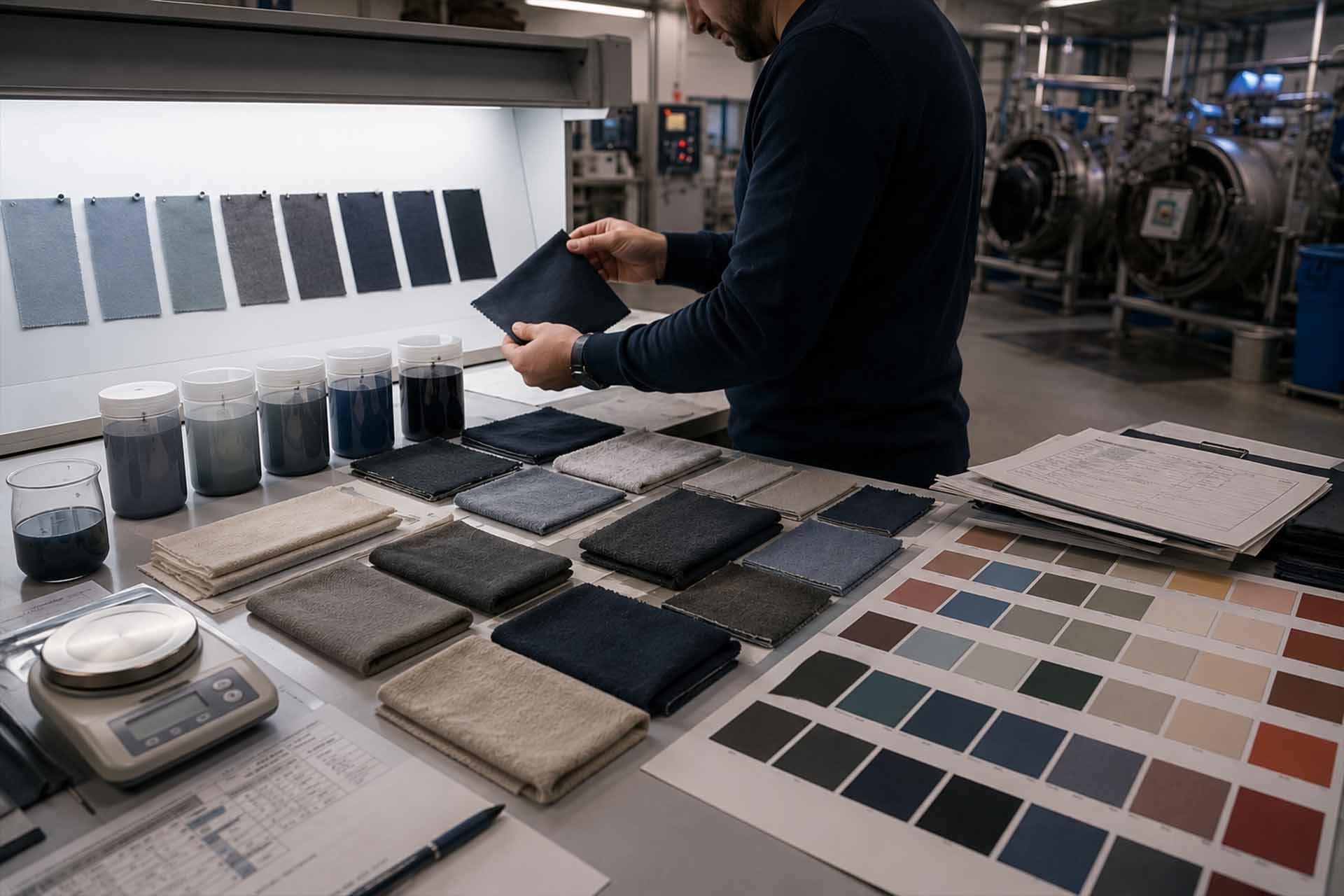
Fabric may be dyed before garment production using reactive, pigment, disperse or other dyeing systems, depending on fibre composition and the required effect.
Brands should approve colour through physical lab dips or production swatches rather than relying exclusively on digital screens.
A clear colour approval process should define:
- Pantone or reference colour
- Fabric composition
- Lighting conditions
- Acceptable shade tolerance
- Wash requirements
- Colourfastness expectations
Colour can behave differently across the main fabric, rib, thread and printed elements. These components should be reviewed together during sampling.
Garment Dyeing and Washing
Garment dyeing colours the completed or partially completed garment rather than the fabric roll. It can create washed, vintage or uneven effects that are difficult to achieve through standard piece dyeing.
Common garment treatments include:
- Enzyme washing
- Stone washing
- Acid washing
- Silicone washing
- Softening
- Vintage washing
- Pigment dyeing
- Ozone treatments
- Distressing
These processes can change garment measurements, surface texture, seam appearance and colour consistency. A brand should test the selected treatment on a complete sample before confirming bulk production.
Performance and Surface Treatments
Textile finishing can be used to improve appearance or add functional properties.
Depending on the product, treatments may include:
- Brushing
- Peaching
- Compacting
- Anti-pilling finishing
- Water-repellent finishing
- Wrinkle resistance
- Moisture management
- Antibacterial treatments
- Flame-retardant treatments
Performance claims should be supported by suitable testing. A treatment should never be approved only because it sounds commercially attractive.
Garment Development and Sampling
Sampling translates a design into a product that can be manufactured repeatedly.
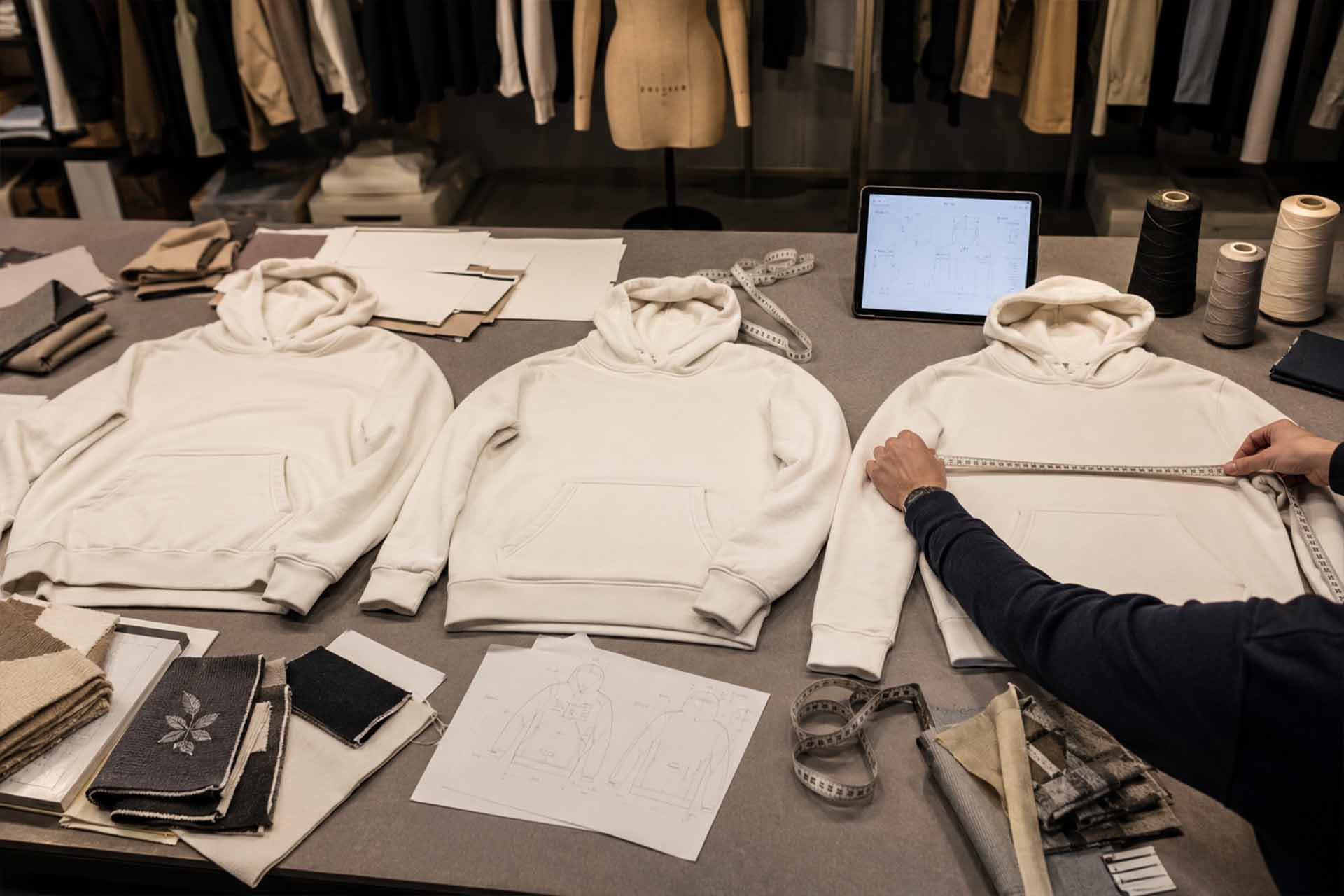
A professional sampling process normally begins with a technical package containing measurements, construction details, material specifications, artwork, labels and packaging requirements.
Pattern Making
The garment pattern defines the shape and fit of every component.
During pattern development, the manufacturer interprets:
- Garment measurements
- Fit and silhouette
- Seam allowances
- Fabric stretch
- Construction methods
- Shrinkage allowance
- Pocket and trim placement
- Production efficiency
A visually attractive design can still fail if the pattern does not account for the chosen fabric. Stretch jersey, heavyweight fleece and rigid woven canvas each require different pattern decisions.
Prototype and Fit Samples
The first sample is used to identify issues before bulk production.
Brands should evaluate:
- Overall silhouette
- Chest and body width
- Garment length
- Sleeve shape
- Shoulder position
- Neck opening
- Hood construction
- Pocket placement
- Rib tension
- Fabric weight and drape
- Print or embroidery positioning
Most custom garments require at least one revision. Complex products may need several prototypes before reaching an approved pre-production sample.
The objective is not to create one attractive garment. It is to establish a construction that can be reproduced consistently across sizes and quantities.
Size Grading
Once the base size is approved, the pattern is graded into the required size range.
Grading does not mean increasing every measurement by the same amount. Shoulder width, body length, sleeve length, neck opening and other points may follow different rules.
Brands should review graded measurements before production, especially when offering extended sizes or oversized silhouettes.
Cutting and Sewing Bulk Production
Bulk manufacturing should begin only after the fabric, trims, measurements, colours and construction details have been approved.
Fabric Inspection and Relaxation
Before cutting, fabric should be inspected for issues such as:
- Shade variation
- Holes or knitting defects
- Width inconsistency
- Surface marks
- Bowing or skewing
- Unexpected shrinkage
- Weight variation
Knitted fabrics may also need time to relax before cutting. Cutting fabric immediately after it is unrolled can contribute to measurement changes later.
Cutting
The approved marker is positioned over layers of fabric, and garment components are cut in planned quantities.
Cutting accuracy affects sewing quality and final measurements. Poorly aligned panels can create twisted seams, mismatched patterns or uneven garment lengths.
For directional fabrics, checks should also cover pile direction, grain direction and print placement.
Sewing and Assembly
The sewing stage joins the garment components using the required machines and seam types.
Production planning may involve:
- Overlock stitching
- Flatlock stitching
- Cover stitching
- Lockstitch construction
- Bartacks
- Reinforcement tapes
- Binding
- Zips, buttons or snaps
- Rib attachment
- Pocket assembly
The correct method depends on the garment, fabric and expected use.
A heavyweight hoodie, for example, requires more than thick fabric. Needle selection, seam balance, rib quality, hood construction and reinforcement points all affect whether the finished product feels premium.
Printing, Embroidery and Branding
Decoration and branding should be integrated into product development rather than added as an afterthought.
Printing Options
Common printing methods include:
- Screen printing
- Water-based printing
- Plastisol printing
- Discharge printing
- Puff printing
- High-density printing
- Digital textile printing
- Direct-to-garment printing
- Heat transfer applications
The correct method depends on artwork detail, order quantity, fabric composition, colour count and desired surface effect.
A print strike-off should be approved before bulk application. The test should confirm scale, position, colour, hand feel and wash performance.
Embroidery
Embroidery can create durable, premium branding when the digitisation and stitch settings are appropriate for the fabric.
Brands should confirm:
- Artwork dimensions
- Thread colours
- Stitch density
- Backing material
- Placement
- Satin, fill or running stitches
- Tonal or contrasting appearance
- Flat or 3D embroidery
Dense embroidery on lightweight jersey can cause puckering. Large embroidery on heavyweight fleece may require additional stabilisation. The decoration should be developed together with the garment.
Labels and Packaging
Private label production may include:
- Main woven labels
- Printed neck labels
- Size labels
- Care and composition labels
- Hangtags
- Barcode stickers
- Branded polybags
- Tissue paper
- Boxes
- Carton markings
Label content must match the legal and commercial requirements of the destination market. The manufacturer should receive final approved label files before bulk production begins.
Quality Control in Turkish Garment Manufacturing
Quality control should take place throughout production rather than only after garments are packed.
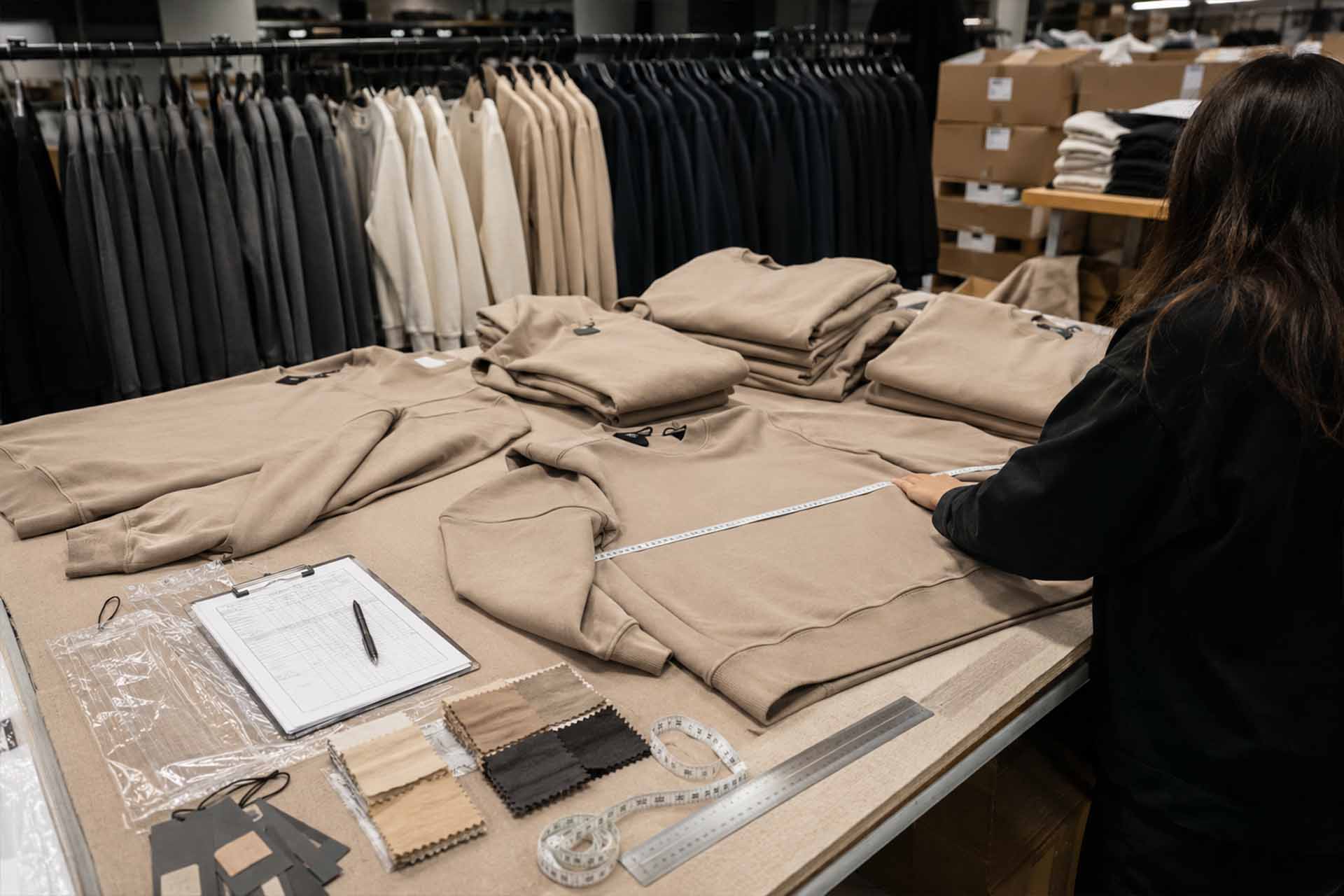
A structured process may include:
Incoming Material Control
Fabric, rib, labels, zips, buttons and packaging are checked against approved references.
Pre-Production Review
The production team reviews the approved sample, technical package, measurements, construction and critical quality points.
In-Line Inspection
Garments are examined during sewing so recurring problems can be corrected before the full order is completed.
Final Inspection
Finished garments are checked for:
- Measurements
- Stitching
- Fabric defects
- Colour consistency
- Print and embroidery placement
- Loose threads
- Stains
- Labels
- Packaging
- Carton quantities
A final inspection is valuable, but it cannot replace control during production. Discovering a repeated sewing or cutting defect after the entire order is complete is costly for both the manufacturer and the brand.
Typical MOQs and Lead Times
There is no universal minimum order quantity for textile production in Turkey.
MOQ depends on:
- Custom or stock fabric
- Fabric dyeing requirements
- Colour quantity
- Product complexity
- Print or embroidery technique
- Trim customisation
- Size breakdown
- Manufacturer capacity
For many Istanbul Factory programmes, production starts at approximately 500 pieces per style and colour, subject to fabric availability and technical requirements.
A realistic production timeline may include:
- Technical review and quotation
- Fabric and trim sourcing
- Pattern development
- Prototype creation
- Sample corrections
- Pre-production approval
- Fabric booking or production
- Cutting and sewing
- Printing, embroidery or washing
- Quality control
- Packaging and dispatch
After the sample and materials are approved, bulk production commonly requires around four to six weeks for suitable projects. Custom fabric development, complex washes or specialised trims may extend the schedule.
Brands should avoid treating the quotation date as the production start date. Manufacturing normally begins only after approvals, deposits, materials and production capacity have been confirmed.
Questions to Ask a Turkish Textile Manufacturer
Before selecting a production partner, ask specific questions about the proposed workflow.
Production Capabilities
- Which product categories do you manufacture regularly?
- Do you produce knitted garments, woven garments or both?
- Which production stages are managed internally?
- Which processes are completed by specialist partners?
Materials
- Can you source stock and custom-developed fabrics?
- What are the minimum quantities for custom colours?
- How do you test shrinkage and colourfastness?
- Can you provide certified organic or recycled materials?
Sampling
- How many sample stages are normally required?
- Is pattern making included?
- How are revisions documented?
- Will a pre-production sample be approved before bulk cutting?
Quality and Compliance
- How is in-line quality control organised?
- What measurement tolerances are used?
- Can inspection reports be provided?
- Which product or chemical tests are available?
Commercial Terms
- What does the quoted price include?
- Are labels, packaging and decoration included?
- What are the payment terms?
- When does the production lead time officially begin?
- Which delivery term is used?
- Who manages export documents and freight?
A reliable manufacturer should answer these questions clearly. Vague promises are less valuable than a transparent explanation of materials, approvals, responsibilities and possible risks.
Managing Textile Production Through Istanbul Factory
Istanbul Factory works with fashion brands, streetwear labels, startups and established businesses that need coordinated clothing manufacturing in Turkey.
Our production support can cover:
- Fabric sourcing and development
- Pattern making
- Garment sampling
- Custom clothing manufacturing
- Private label production
- Cutting and sewing
- Printing and embroidery
- Labels and branded packaging
- Quality control
- Sustainable material sourcing
- Bulk production coordination
The aim is to maintain continuity from the original product concept to the finished order.
Rather than treating fabric, sampling, sewing and branding as isolated services, Istanbul Factory manages them as connected stages of one production programme. This helps brands identify technical problems earlier, maintain clearer approvals and reduce differences between the approved sample and bulk garments.
Start Your Textile Production Project in Turkey
A successful manufacturing partnership begins with clear information.
To evaluate a project accurately, brands should prepare:
- A tech pack or product reference
- Target fabric composition and weight
- Colour requirements
- Size range
- Order quantity
- Print or embroidery files
- Label and packaging needs
- Target delivery date
- Destination country
Istanbul Factory can review these details and develop a production route based on the garment, quantity and required quality level.
Contact Istanbul Factory to discuss fabric sourcing, sampling, private label production or complete custom clothing manufacturing in Istanbul.
Frequently Asked Questions
Is Turkey a good country for textile production?
Yes. Turkey offers yarn, fabric, dyeing, finishing, garment manufacturing, decoration and packaging capabilities within one established production market. It is particularly suitable for European and US brands seeking premium or medium-volume manufacturing with strong product development support.
What textiles are produced in Turkey?
Turkey produces knitted and woven textiles including jersey, French Terry, fleece, rib, piqué, interlock, poplin, twill, denim, canvas, gabardine and various technical or blended fabrics.
What is the minimum order quantity for clothing production in Turkey?
Minimum quantities vary by manufacturer, fabric and product. Stock materials may support lower quantities, while custom-dyed fabrics and trims generally require higher commitments. Istanbul Factory commonly works from approximately 500 pieces per style and colour, depending on the project.
How long does clothing manufacturing in Turkey take?
After sample and material approval, many bulk orders require approximately four to six weeks. The total project timeline may be longer when pattern development, several sample revisions, custom fabric production or specialised washing treatments are required.
Can Turkish manufacturers produce custom fabrics?
Yes. Depending on the order quantity, Turkish suppliers can develop custom fabric compositions, weights, colours, knitting structures and finishes. Custom fabric production normally requires higher minimum quantities than sourcing an available stock fabric.
Does Turkey manufacture sustainable clothing?
Turkish suppliers can source materials such as organic cotton, recycled cotton and recycled polyester. Brands should verify certification scope, transaction documentation, fibre composition and testing rather than relying only on general sustainability claims.
Can one manufacturer manage fabric, sampling and bulk production?
Some production partners can coordinate the complete process, while others specialise in individual stages. Istanbul Factory supports an end-to-end model covering fabric sourcing, sampling, garment manufacturing, decoration, quality control and packaging.