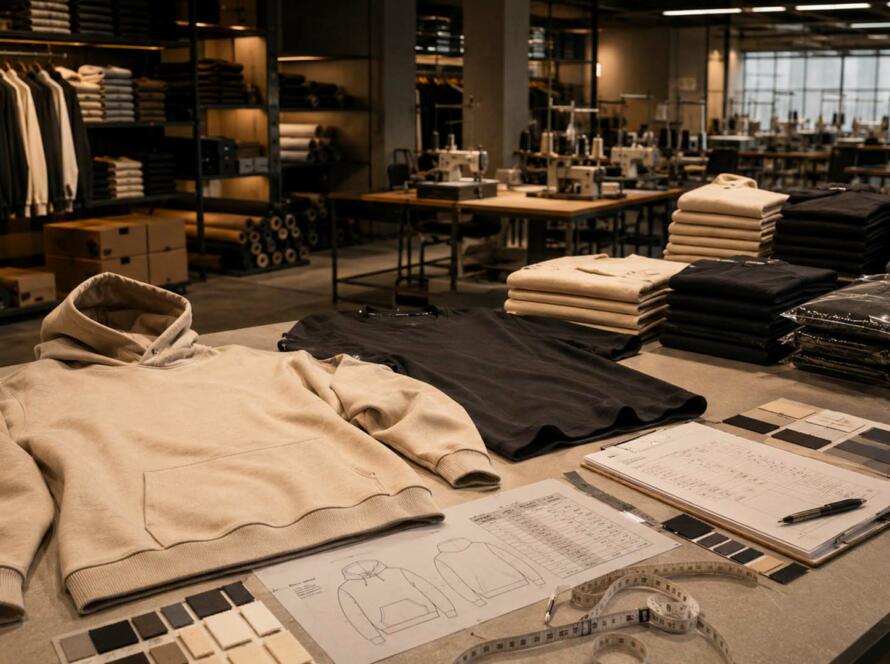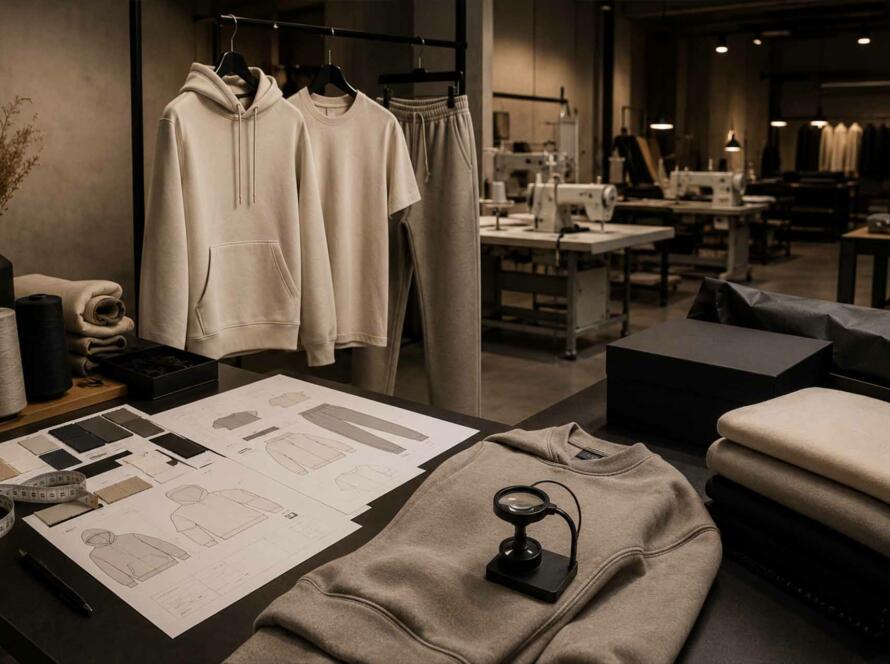


Choosing a clothing manufacturer is one of the most important decisions a fashion brand will make.
A strong manufacturing partner can help you improve garment quality, control production costs, solve technical problems, and deliver collections on schedule. The wrong partner can lead to inconsistent sizing, fabric issues, missed deadlines, unexpected charges, and products that fail to match the original design.
This is why comparing manufacturers based only on the lowest quotation is risky.
Before approving samples or placing a bulk order, fashion brands should evaluate how the manufacturer works, communicates, sources materials, controls quality, and manages production.
What Should You Look for in a Clothing Manufacturer?
A reliable clothing manufacturer should offer:
- Clear minimum order quantities
- Transparent pricing and payment terms
- Professional garment sampling
- Suitable fabric and trim sourcing
- Realistic production lead times
- Documented quality-control procedures
- Consistent communication
- Relevant product experience
- Sufficient production capacity
- Clear packaging and shipping arrangements
The following 12 questions will help you evaluate a potential manufacturing partner before committing to production.
1. What Is Your Minimum Order Quantity?
The first question to ask any clothing manufacturer is about minimum order quantity, commonly called MOQ.
MOQ is the minimum number of units a factory is willing to produce for a particular style, color, fabric, or order.
A manufacturer may state that its MOQ is 500 pieces, but you need to understand how that quantity is calculated.
Ask whether the MOQ applies:
- Per style
- Per color
- Per fabric
- Per size
- Per print or embroidery design
- Across the entire order
For example, a factory may accept 500 hoodies per style and color. Ordering the same hoodie in black, grey, and beige could therefore require 1,500 pieces rather than 500 pieces in total.
MOQ may also change when custom-dyed fabrics, special labels, unique trims, or complex decorations are required.
Why Manufacturers Set MOQs
Factories set minimum quantities because production involves fixed preparation costs. These may include:
- Pattern development
- Fabric purchasing
- Fabric dyeing
- Cutting preparation
- Machine setup
- Print screen preparation
- Embroidery programming
- Label production
- Quality-control planning
A suitable MOQ should match your sales strategy, budget, and ability to manage inventory. Startup brands should avoid placing an unnecessarily large order simply to reach a lower unit price.
2. Do You Have Experience Producing Similar Garments?
A manufacturer may produce excellent basic T-shirts but have limited experience with structured jackets, technical activewear, denim, swimwear, or heavyweight streetwear.
Ask whether the factory has previously produced garments similar to your collection.
Relevant experience may include:
- Oversized hoodies and T-shirts
- Sweatpants and streetwear sets
- Premium cotton basics
- Performance garments
- Womenswear
- Childrenswear
- Outerwear
- Embroidered products
- Screen-printed garments
- Private label collections
The manufacturer does not need to reveal confidential client information. However, it should be able to discuss its technical capabilities and show representative production examples where permitted.
A factory familiar with your product category is more likely to understand the required fit, fabric behavior, construction methods, seam types, trims, and quality expectations.
For example, producing a premium oversized hoodie requires more than increasing the measurements of a standard hoodie. The shoulder position, body width, sleeve volume, hood construction, rib recovery, fabric weight, and shrinkage allowance must work together.
3. Can You Help with Fabric Sourcing?
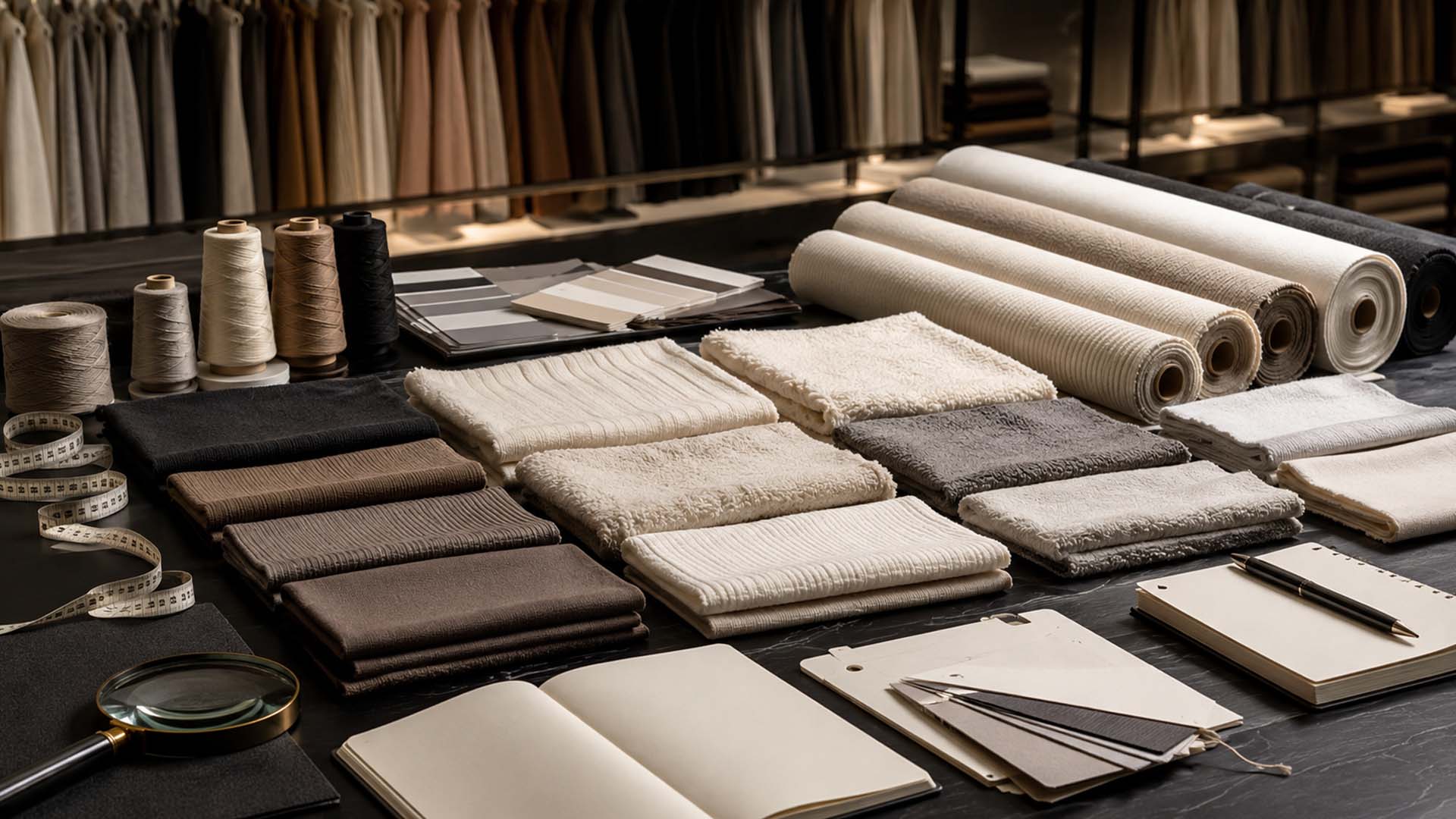
Fabric has a major influence on the appearance, comfort, durability, and price of a garment.
Ask whether the clothing manufacturer sources fabrics directly or expects you to supply them.
A full-service manufacturing partner may help you compare:
- Cotton jersey
- French terry
- Brushed fleece
- Rib fabrics
- Interlock
- Piqué
- Woven cotton
- Linen blends
- Recycled fabrics
- Organic cotton
- Performance materials
The factory should understand your required fabric composition, GSM, stretch, surface texture, color, shrinkage behavior, and target price.
Questions to Ask About Fabric
Before approving a fabric, ask:
- Is the fabric available in stock?
- Does it require custom dyeing?
- What is the fabric MOQ?
- What is the exact composition?
- What is the fabric weight?
- Has shrinkage been tested?
- Is the color consistent between batches?
- Are certifications available?
- Can the fabric be reordered for future collections?
Stock fabric may support faster development and lower minimum quantities. Custom-developed fabric provides more control but often requires larger orders, longer lead times, and additional testing.
For fashion brands planning repeat production, fabric continuity is especially important. A fabric that cannot be sourced again may make it difficult to maintain consistent core products.
4. What Does Garment Sampling Include?
Never move directly into bulk production without approving a proper garment sample.
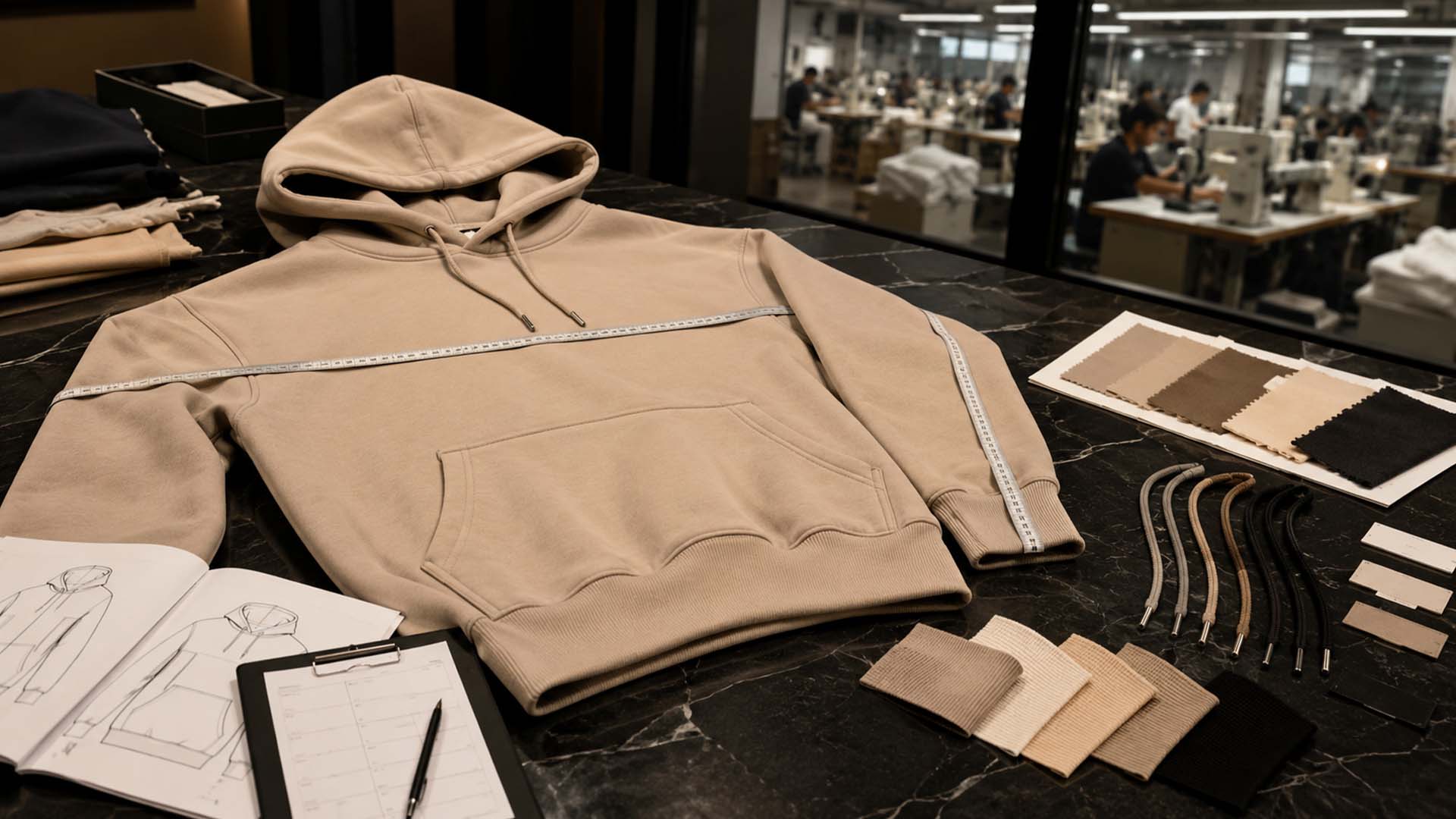
Sampling allows you to evaluate the fit, construction, materials, decoration, measurements, and overall quality before committing to a larger order.
Ask the manufacturer which sample stages it provides.
These may include:
- Development sample
- Prototype sample
- Fit sample
- Size-set sample
- Sales sample
- Pre-production sample
- Shipment sample
The exact process will depend on the product and order size.
Ask What the Sample Cost Covers
Confirm whether the sample price includes:
- Pattern development
- Sample fabric
- Sewing
- Labels
- Print or embroidery
- Pattern corrections
- Sample revisions
- Shipping
Some manufacturers charge separately for every revision. Others may include a limited number of adjustments.
A sample should not be treated as a rough visual reference. It should be used to identify technical problems before bulk production begins.
Check the sample for:
- Fit and proportions
- Measurement accuracy
- Stitching quality
- Fabric weight and hand feel
- Neckline shape
- Hood structure
- Rib tension
- Print placement
- Embroidery density
- Label position
- Wash performance
- Shrinkage
All approved details should be documented before production starts.
5. What Is the Total Sample and Production Lead Time?
Lead time is the time required to develop, approve, produce, inspect, and prepare an order.
Ask for separate estimates for:
- Fabric sourcing
- Fabric dyeing
- Pattern development
- Sample production
- Sample revisions
- Bulk manufacturing
- Printing or embroidery
- Quality control
- Packaging
- Shipping preparation
A factory may quote a four-week production time, but this may begin only after the final sample, fabric, payment, and production details have been approved.
For this reason, brands should ask exactly when the lead-time clock starts.
Plan for Development Before Bulk Production
A realistic timeline may include several stages:
- Tech pack review
- Fabric and trim selection
- Pattern development
- First sample
- Fit feedback
- Revised sample
- Pre-production approval
- Bulk fabric preparation
- Cutting and sewing
- Decoration
- Quality control
- Packaging and dispatch
Brands launching around a specific retail season should build extra time into the schedule for revisions, material delays, holidays, customs, and shipping.
A reliable manufacturer should provide a realistic timeline rather than promising an unusually fast delivery that cannot be maintained.
6. How Do You Calculate Pricing?
A professional clothing manufacturer should explain what is included in the quotation.
Garment pricing can be affected by:
- Fabric composition
- Fabric weight
- Fabric consumption
- Order quantity
- Number of colors
- Garment construction
- Pattern complexity
- Stitching requirements
- Print size and number of colors
- Embroidery stitch count
- Labels and trims
- Wash treatments
- Packaging
- Quality requirements
Ask whether the quotation includes fabric, trims, labels, decoration, packaging, and quality control.
You should also confirm whether prices are based on EXW, FOB, DDP, or another commercial arrangement.
The cheapest unit price is not always the lowest total cost. A low quotation can become expensive if it excludes essential services or results in quality failures, rework, delays, or unsellable inventory.
Compare quotations based on the same specifications. A 300 GSM hoodie with custom dyeing and embroidery cannot be compared fairly with a standard stock-fabric hoodie using a simple print.
7. What Are Your Payment Terms?
Payment terms should be confirmed before sampling or production begins.
Many clothing manufacturers require a deposit before purchasing fabric and starting bulk production. The remaining balance is usually paid before shipment or according to agreed inspection and delivery terms.
Ask about:
- Sample payment
- Bulk order deposit
- Final balance
- Accepted currencies
- Bank transfer charges
- Payment deadlines
- Refund conditions
- Costs for revisions
- Costs for cancelled orders
Common production arrangements may include a percentage paid before production and the remaining balance paid after completion, inspection, or before dispatch.
The exact structure can vary depending on the manufacturer, order value, client history, and material requirements.
All terms should appear clearly on the quotation, proforma invoice, or manufacturing agreement.
Avoid manufacturers that request payment through unclear personal accounts or refuse to provide formal commercial documentation.
8. How Do You Manage Quality Control?
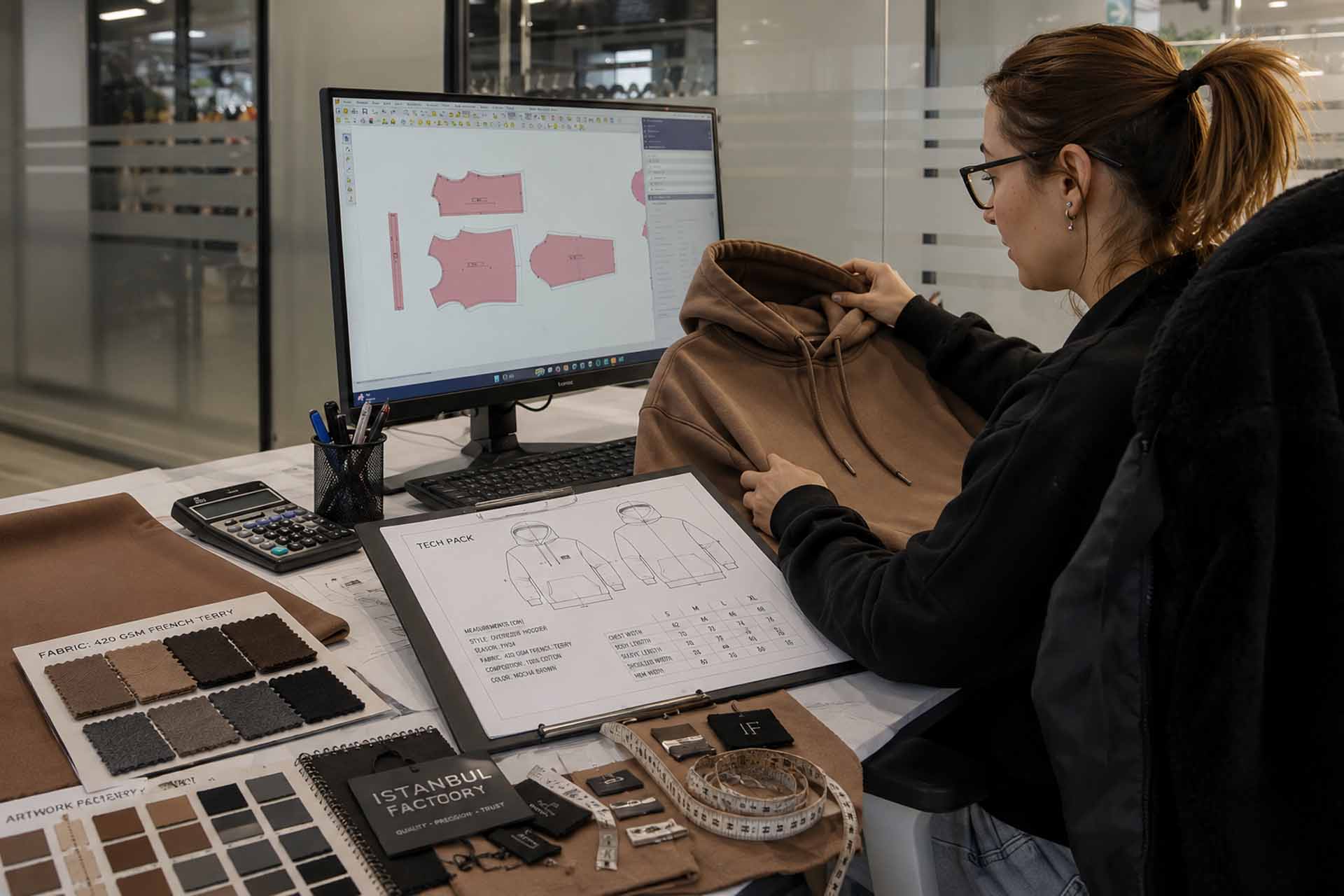
Quality control should happen throughout production, not only after the garments are finished.
Ask the manufacturer to explain its inspection process.
A professional quality-control system may include:
- Incoming fabric inspection
- Fabric color and shade checks
- Measurement checks
- Cutting inspections
- Sewing-line inspections
- Stitching checks
- Print and embroidery inspections
- In-line production checks
- Final garment inspection
- Packaging checks
- Quantity verification
What Should Be Checked Before Shipment?
Finished garments should be checked for:
- Incorrect measurements
- Open seams
- Loose threads
- Fabric defects
- Oil marks or stains
- Uneven stitching
- Twisted seams
- Shade differences
- Incorrect labels
- Poor print alignment
- Embroidery defects
- Incorrect packaging
- Missing quantities
Ask which measurement tolerances the factory uses and how defective pieces are handled.
Brands should also clarify whether third-party inspections are accepted. For larger orders, an independent inspection may provide an additional level of assurance before shipment.
9. How Will We Communicate During Production?
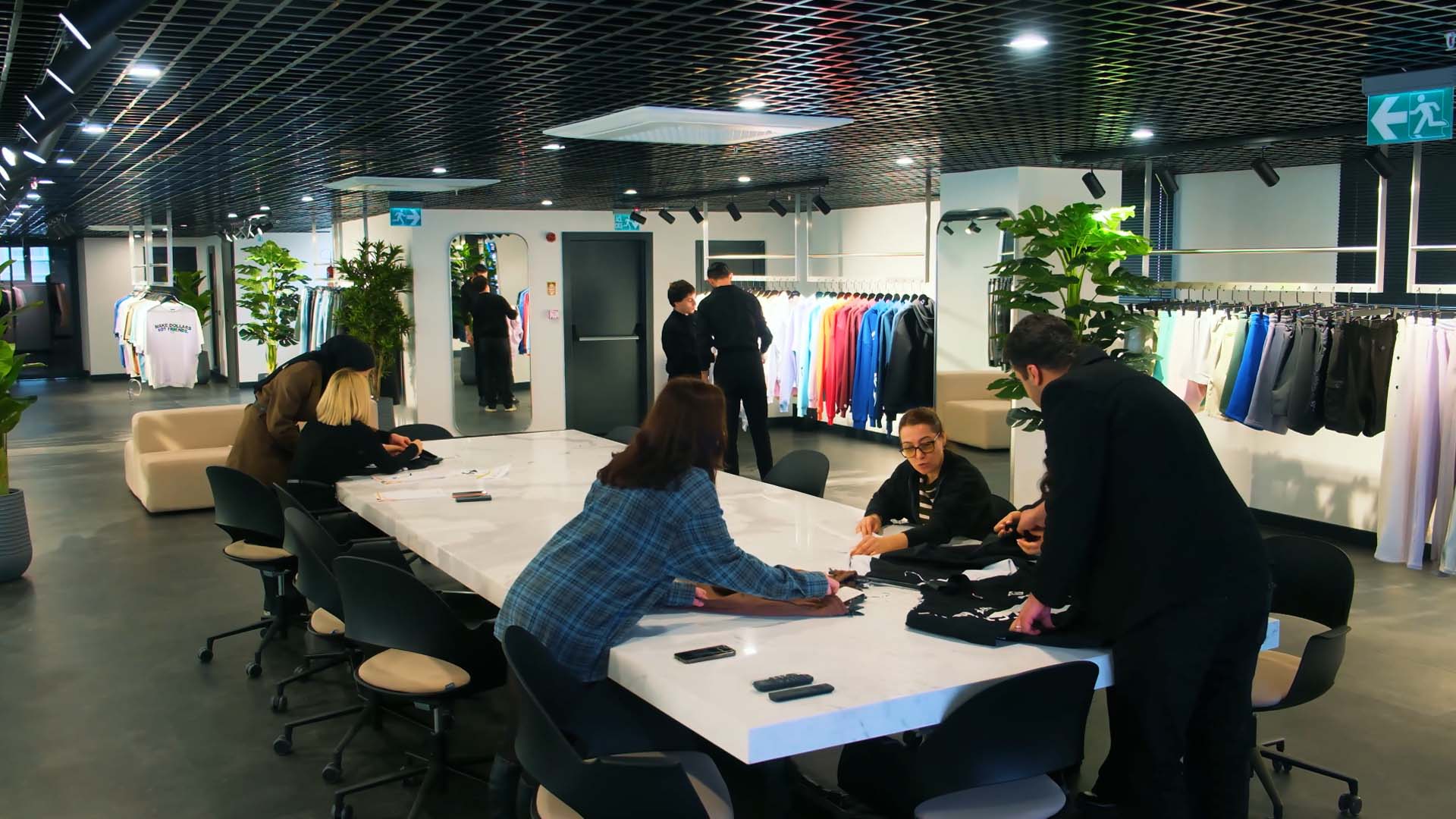
Clear communication is one of the strongest indicators of a reliable manufacturing relationship.
Ask who will manage your account and how updates will be shared.
You should know:
- Who your main contact person is
- Which language will be used
- How quickly the team normally responds
- How approvals are recorded
- How production changes are documented
- Whether photos and videos are shared
- How urgent issues are escalated
WhatsApp may be useful for fast communication, but important approvals should also be confirmed in writing through email, a production document, or an updated tech pack.
Verbal discussions can easily be misunderstood. Fabric codes, measurements, label positions, color references, packaging details, and delivery dates should always be documented.
For European and US fashion brands working internationally, responsive communication is especially valuable. Time-zone compatibility and direct access to the production team can reduce delays and prevent incorrect assumptions.
10. What Certifications and Compliance Documents Can You Provide?
Certification requirements depend on your target market, materials, product category, and brand positioning.
Ask the manufacturer which certificates or compliance documents it can support.
These may relate to:
- Organic materials
- Recycled materials
- Chemical safety
- Restricted substances
- Social compliance
- Environmental management
- Quality-management systems
- Fabric testing
- Product safety
- Country-of-origin documentation
Do not rely only on logos displayed on a website. Ask which company, facility, fabric, or product the certificate covers and whether it is currently valid.
A factory itself may hold certain certifications, while specific fabric certifications may come from the textile mill or fabric supplier.
Brands making sustainability claims should maintain clear documentation throughout the supply chain. Terms such as organic, recycled, sustainable, or certified should be supported by relevant evidence.
11. What Is Your Production Capacity?
Production capacity affects whether a manufacturer can complete your order on schedule and support future growth.
Ask how many units the factory can realistically produce per month within your product category.
The answer should account for current workload, garment complexity, fabric availability, and decoration requirements.
Useful questions include:
- How many sewing lines are available?
- Is production completed in-house?
- Are printing and embroidery completed internally?
- Which processes are subcontracted?
- Can the factory handle repeat orders?
- Can capacity increase during seasonal demand?
- How are urgent orders managed?
A factory with very high capacity is not automatically the best choice for a smaller fashion brand. Large manufacturers may prioritize high-volume clients, while smaller facilities may offer more flexibility but have limited scaling capacity.
The right partner should match your current volume and your realistic growth plan.
12. Can You Explain Packaging, Shipping, and Delivery Terms?
Production is not complete when the final stitch is made.
Ask how garments will be folded, packed, labeled, counted, and prepared for transport.
Packaging options may include:
- Individual polybags
- Recycled bags
- Tissue paper
- Size stickers
- Barcode labels
- Hang tags
- Branded boxes
- Master cartons
- Carton markings
Confirm whether packaging is included in the garment price or quoted separately.
You should also ask about shipping terms.
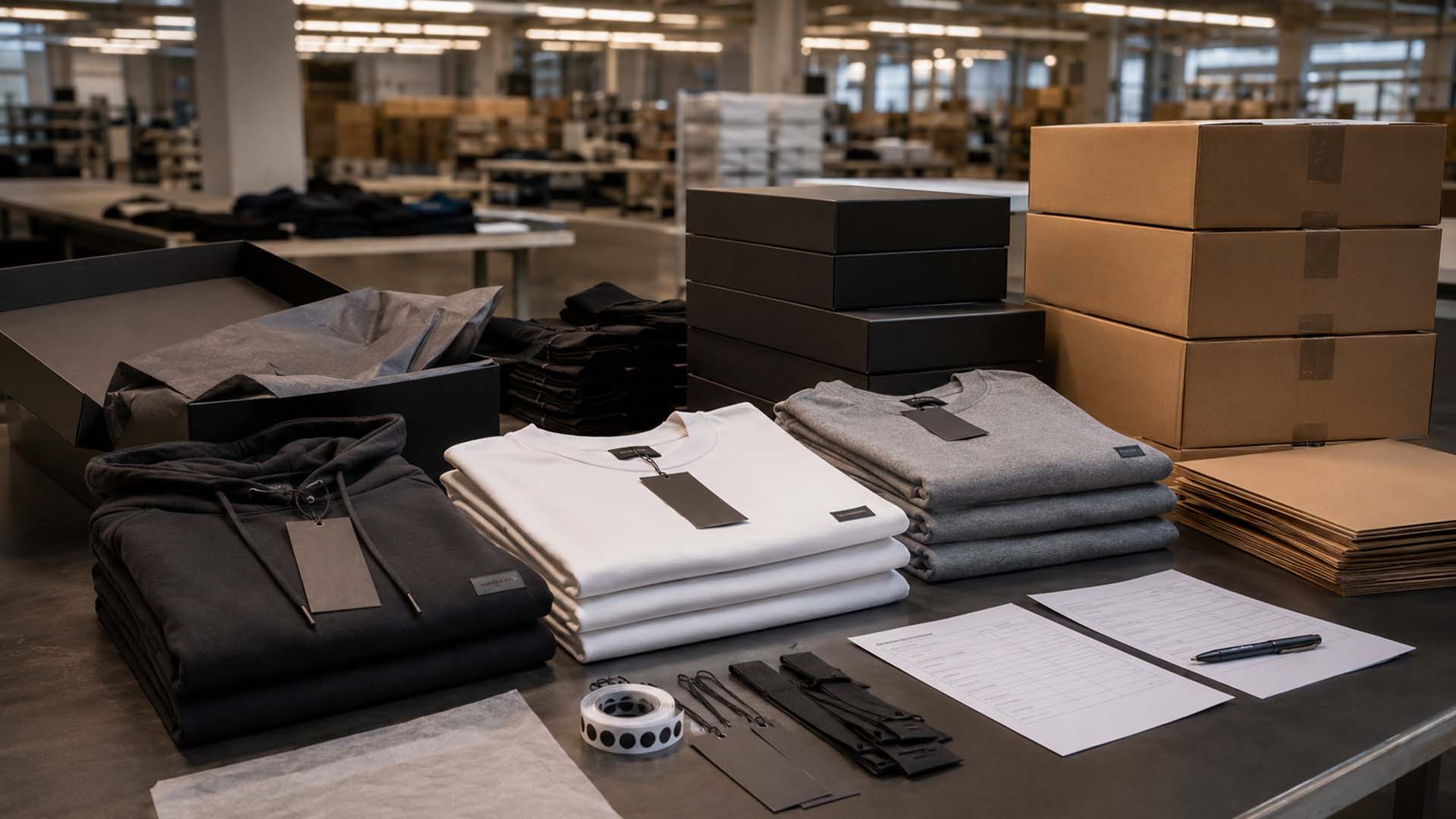
Common arrangements include:
- EXW: The buyer collects the goods from the factory
- FOB: The manufacturer delivers the goods to the agreed port and completes export handling
- DDP: The shipment is delivered to the buyer with duties and transport responsibilities arranged according to the agreement
The exact meaning and responsibility of each arrangement should be confirmed with the supplier and logistics provider.
Ask whether the manufacturer can prepare:
- Commercial invoices
- Packing lists
- Export documents
- Country-of-origin documents
- Carton dimensions and weights
- Shipping coordination
For international brands, clear logistics planning helps avoid customs delays, unexpected charges, and incorrect delivery expectations.
Red Flags When Choosing a Clothing Manufacturer
Be cautious when a manufacturer:
- Refuses to provide a written quotation
- Cannot explain its MOQ clearly
- Promises unrealistic production times
- Avoids discussing quality-control procedures
- Gives unclear payment instructions
- Does not ask technical questions about your product
- Pushes bulk production before sample approval
- Changes prices without explanation
- Cannot confirm fabric composition or weight
- Provides inconsistent answers through different team members
- Refuses reasonable production documentation
- Offers every type of garment without demonstrating relevant experience
Good manufacturers ask detailed questions. They want to understand the product because accurate information helps them calculate materials, plan operations, and reduce production mistakes.
Why Fashion Brands Consider Clothing Manufacturing in Turkey
Turkey has become an important production location for fashion brands serving Europe, the United Kingdom, and the United States.
Its apparel industry combines textile production, fabric sourcing, garment manufacturing, printing, embroidery, finishing, packaging, and export experience.
Working with a clothing manufacturer in Turkey may offer several practical advantages:
- Access to established textile suppliers
- Strong cotton and knitted-fabric production
- Experience with European quality expectations
- Shorter shipping routes to European markets
- Flexible product-development capabilities
- Access to printing, embroidery, labels, and trims
- Faster communication compared with distant sourcing regions
- Support for premium, streetwear, and private label collections
However, production location alone does not guarantee quality.
Brands should still evaluate each manufacturer based on its experience, transparency, technical capabilities, communication, capacity, and quality-control system.
A strong Clothing Manufacturer Turkey partnership should provide more than garment assembly. It should support the full development and production process.
A Practical Checklist Before Placing Your Order
Before sending a bulk-production deposit, make sure you have approved:
- Final tech pack
- Final garment measurements
- Pattern and fit
- Fabric composition and GSM
- Fabric color
- Shrinkage expectations
- Print or embroidery artwork
- Label and trim placement
- Packaging requirements
- Order quantities by size
- Production price
- Payment terms
- Delivery terms
- Production timeline
- Quality tolerances
Keep all approvals organized in one final production file.
When information is spread across different messages, voice notes, screenshots, and old sample comments, mistakes become more likely.
Work with Istanbul Factory
Istanbul Factory supports fashion brands, streetwear labels, startups, and established businesses looking for professional clothing production in Istanbul.
Our services cover the complete production process, including:
- Product development
- Garment sampling
- Fabric sourcing
- Pattern and fit development
- Private label production
- Custom clothing manufacturing
- Printing and embroidery
- Quality control
- Packaging preparation
- Bulk clothing production
We focus on transparent communication, practical production planning, and quality standards suitable for European and international fashion markets.
Whether you are developing heavyweight streetwear, premium basics, private label garments, or a complete fashion collection, the first step is understanding your product, order quantity, fabric requirements, target price, and delivery expectations.
Contact Istanbul Factory to discuss your collection and receive guidance on sampling, materials, MOQ, production planning, and manufacturing in Turkey.
Frequently Asked Questions
How do I choose the right clothing manufacturer?
Choose a clothing manufacturer based on relevant product experience, garment quality, communication, MOQ, sampling process, production capacity, lead time, pricing transparency, and quality-control procedures. Always approve a sample and confirm all production specifications in writing before placing a bulk order.
What should I ask a clothing manufacturer before production?
Ask about minimum order quantity, sample cost, sample revisions, fabric sourcing, garment experience, pricing, payment terms, production lead time, quality control, certifications, capacity, packaging, and shipping terms.
What is a reasonable MOQ for clothing manufacturing?
A reasonable MOQ depends on the garment, fabric, color, decoration, and manufacturer. Basic garments using stock materials may allow lower quantities, while custom-dyed fabrics, special trims, and complex production usually require higher minimums.
Should I order a sample before bulk production?
Yes. A sample allows you to check fit, measurements, fabric, stitching, labels, print, embroidery, and garment construction. Bulk production should begin only after the final sample and production details have been approved.
How long does clothing production take?
Production time varies by order size and complexity. The complete timeline should include sourcing, pattern development, sampling, revisions, bulk manufacturing, decoration, quality control, packaging, and shipping preparation.
Why work with a clothing manufacturer in Turkey?
Turkey offers an established textile supply chain, experienced garment production, access to fabrics and trims, strong connections to European markets, and capabilities in private label, streetwear, premium basics, printing, and embroidery.
What information should I send to a clothing manufacturer?
Send a tech pack or a detailed product brief containing sketches, measurements, fabric preferences, colors, quantities, size breakdowns, labels, trims, print or embroidery artwork, packaging requirements, target price, and desired delivery date.