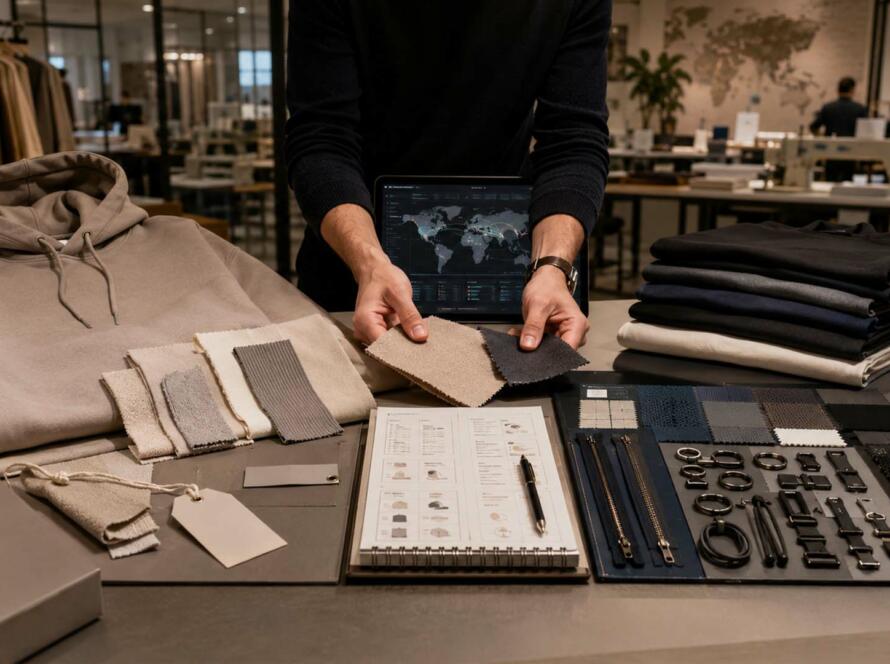


Launching a first clothing collection is exciting, but one of the easiest mistakes for a new fashion brand is trying to launch too much at once.
More styles can make a collection look impressive on paper. In production, however, every additional style can mean another pattern, sample, fabric requirement, color decision, size set, production minimum and inventory commitment.
So, how many styles should a clothing collection have?
For most new fashion brands, a focused first collection of 3 to 6 styles is a practical starting point. This is usually enough to establish a recognizable brand identity, create complete looks and test customer demand without creating unnecessary production and inventory complexity.
There is no universal number, however. The right collection size depends on your product category, budget, MOQ requirements, number of colorways, size range and sales strategy.
The goal of your first collection should not be to show everything your brand could eventually become.
It should be to discover what customers actually want to buy.
Collection vs. Individual Product: Understand the Difference
A product is one individual garment design.
A collection is a group of products developed to work together around a common concept, customer or visual identity.
For example, a streetwear collection might include:
- Oversized T-shirt
- Heavyweight hoodie
- Sweatpants
- Zip hoodie
- Long-sleeve T-shirt
These are five separate styles, but together they form one coherent collection.
The distinction matters because new brands sometimes think they need many products before their launch feels like a “real collection.”
They do not.
Three carefully designed products that clearly belong together can create a stronger collection than twelve unrelated garments.
Customers rarely judge a young brand by how many SKUs it has. They notice whether the products make sense together, whether the quality feels consistent and whether there is a clear reason to remember the brand.
How Many Styles Should a Clothing Collection Have?
For a first launch, a useful rule of thumb is:
3–6 styles: Strong starting point for most new brands
6–10 styles: Suitable for brands with more capital, proven demand or a broader merchandising strategy
10+ styles: Usually better suited to established brands with stronger purchasing data, distribution and inventory capacity
For many startups, we would rather see four strong styles developed properly than twelve styles developed with compromises.
A smaller collection gives the brand more room to improve:
- Fabric quality
- Fit
- Construction
- Sampling
- Prints and embroidery
- Photography
- Packaging
- Marketing
- Inventory control
Every euro or dollar invested into an unnecessary style is money that cannot be invested into making your strongest products better.
Think in SKUs, Not Just Styles
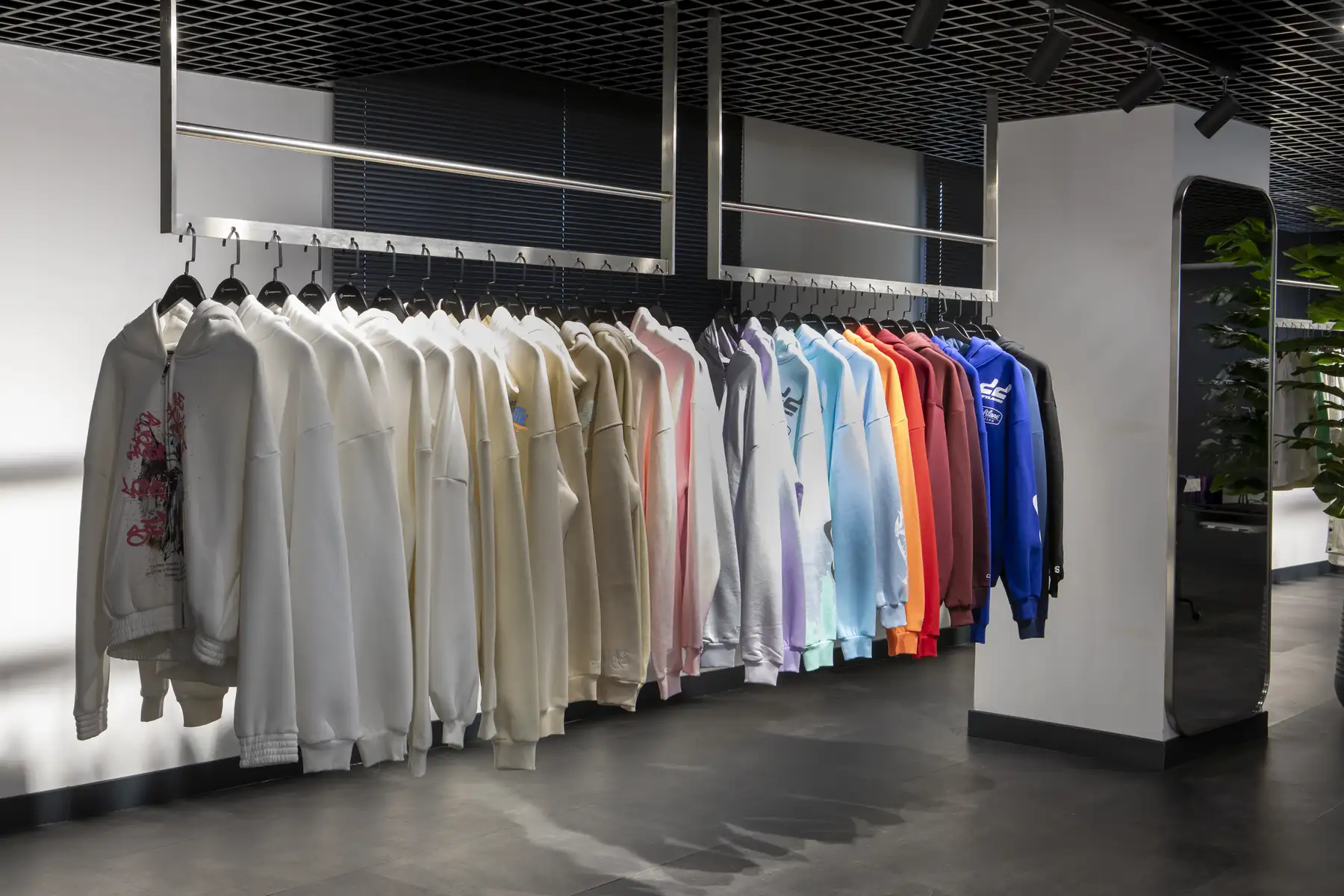
The number of styles can be misleading because styles are only one layer of your inventory.
Suppose your first collection contains:
5 styles × 3 colors × 5 sizes = 75 SKUs
You may think you are launching only five products.
Operationally, however, you are managing 75 different stock combinations.
Now compare that with:
4 styles × 2 colors × 4 sizes = 32 SKUs
The second collection may still look complete to the customer while being significantly easier to manufacture, finance, store and sell.
This is why answering “how many styles should a clothing collection have?” without considering colors and sizes gives an incomplete picture.
The more useful question is:
How many sellable variations can your business realistically support?
Be Careful With Too Many Colorways
Adding colors can seem like an easy way to make a small collection appear larger.
But every colorway adds complexity.
Different colors may require separate fabric dye lots, trims, print colors, embroidery threads, labels, QC checks and production quantities.
Instead of launching one hoodie in six colors, a new brand may be better served by launching the same hoodie in two carefully selected colors.
For example:
- Black as the commercial core
- One seasonal or brand-specific color
Once sales data shows that customers want additional colors, the next production can expand the range.
This is generally safer than trying to predict demand across many colorways before the first product has even reached the market.
Size Range Has the Same Multiplying Effect
Sizes also increase your SKU count.
A style available in XS–XXL already creates six variations before you introduce another color.
That does not mean brands should unnecessarily restrict sizing. It means the size strategy needs to be considered from the beginning rather than added at the end of product development.
Your target market should guide the range.
A unisex oversized streetwear brand may structure sizing differently from a fitted womenswear brand. A European label may also have different grading expectations from a US-focused brand.
Before bulk production, brands should consider:
- Who is actually buying the product?
- What fit is intended?
- Which sizes are likely to carry the most demand?
- Does the pattern grading work properly across the full range?
- How will production quantities be allocated between sizes?
The goal is to create a useful size range without producing excessive inventory in sizes that may move slowly.
Build the Collection Around Hero Products
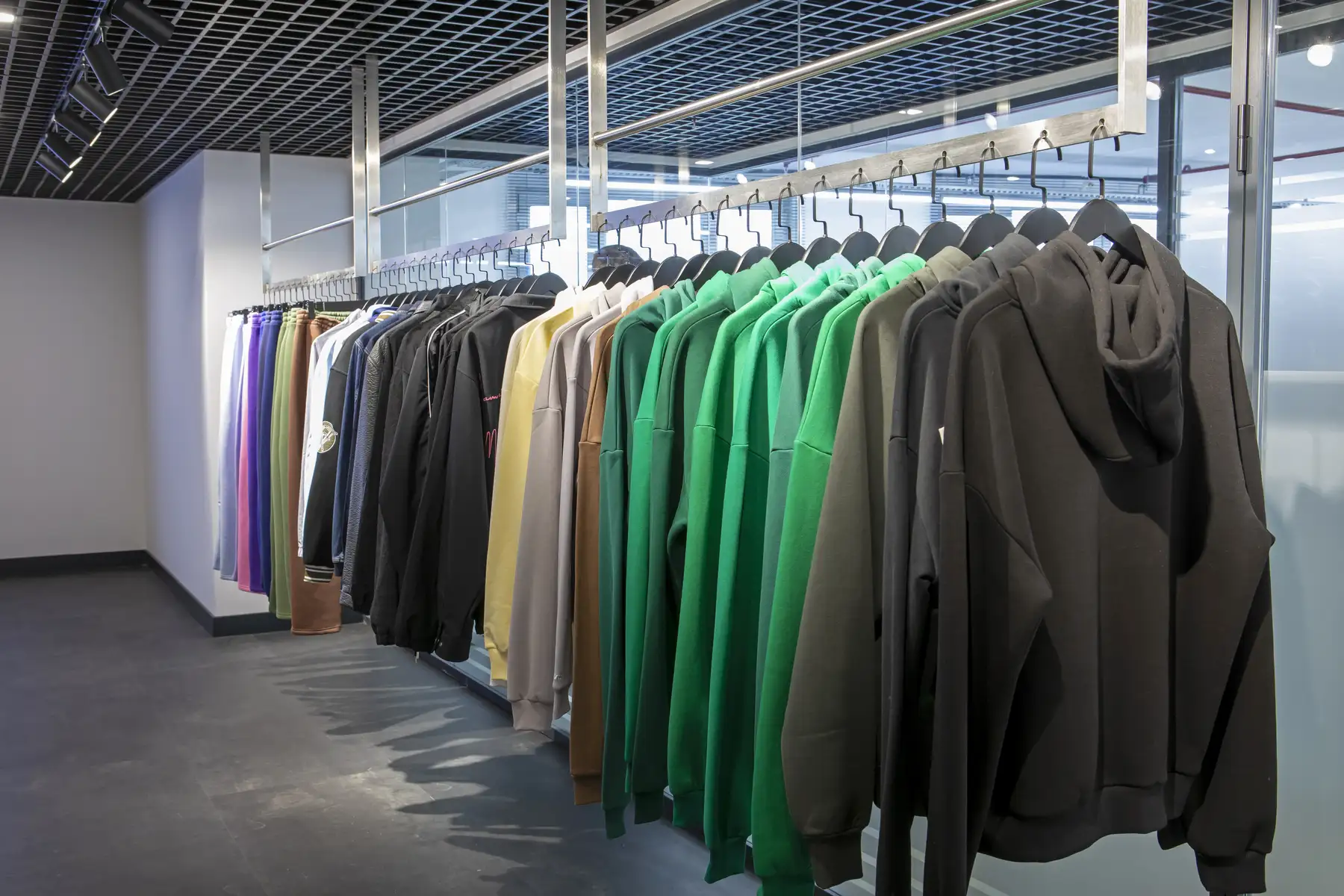
One of the strongest approaches for a first clothing collection is to identify one or two hero products.
A hero product is the garment most likely to communicate the brand’s identity and attract customers.
For a streetwear brand, this might be a heavyweight hoodie.
For a basics label, it could be an exceptionally well-fitting premium T-shirt.
For a contemporary fashion brand, it might be a distinctive overshirt or jacket.
Your hero product deserves the greatest attention in:
- Fabric selection
- Fit development
- Sampling
- Branding
- Construction details
- Photography
- Marketing
It should be the product that makes someone understand the brand immediately.
Use Supporting Products to Complete the Story
Supporting products should make the hero product easier to buy, style or understand.
Imagine a first collection built around a premium oversized hoodie.
The collection could include:
- Hero: Heavyweight oversized hoodie
- Supporting: Matching sweatpants
- Supporting: Premium oversized T-shirt
- Supporting: Long-sleeve T-shirt
That is only four styles.
Yet commercially and visually, it is already a complete capsule.
Customers can buy a single item or combine multiple pieces into a complete outfit. The brand can also create much more marketing content from four related garments than from four products that have no connection to each other.
MOQ Can Change the Economics of Your Collection
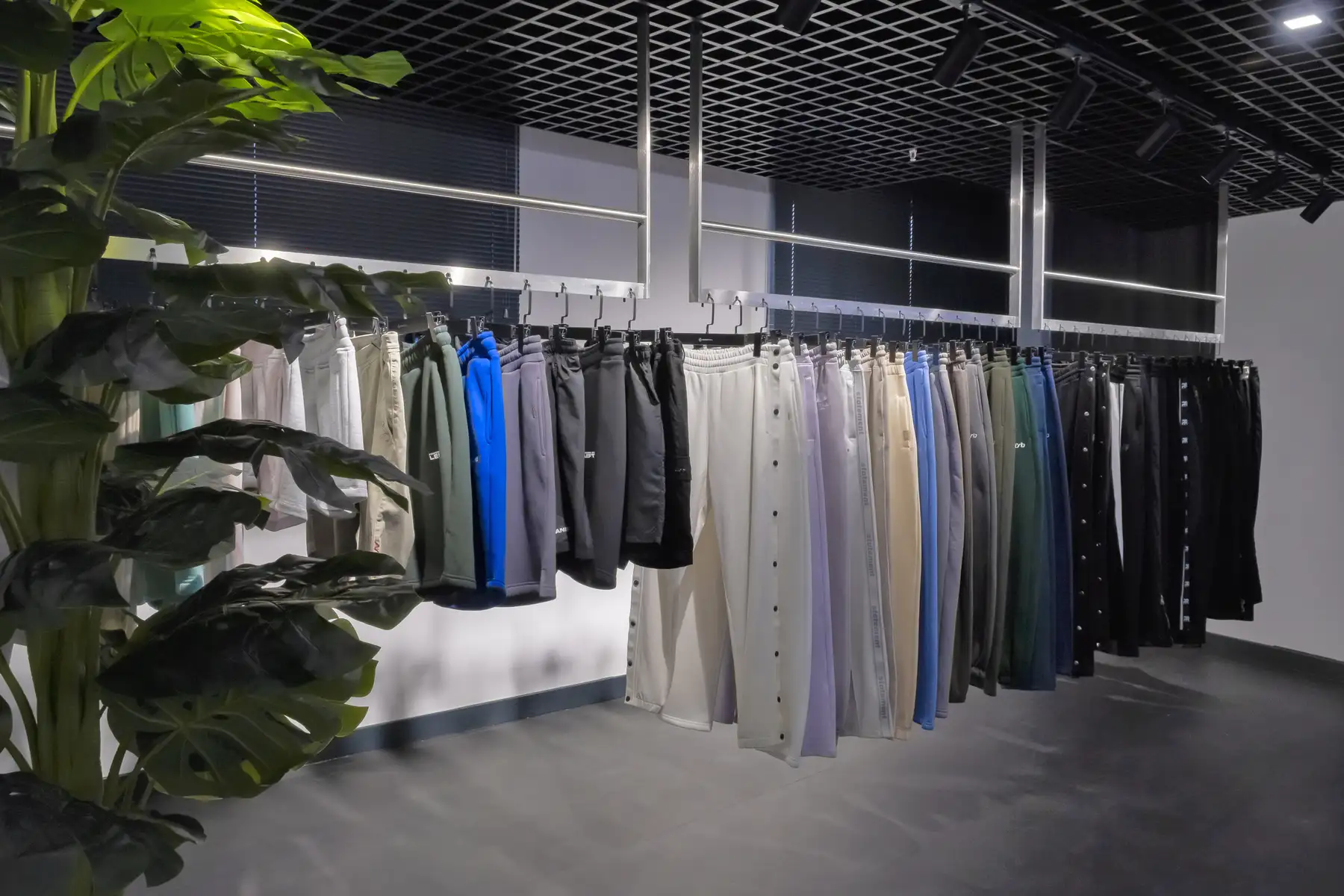
Understanding MOQ in clothing manufacturing is one of the most important parts of planning a first collection.
A common mistake is to calculate MOQ at the collection level.
In reality, manufacturing minimums may apply to a particular style, color or fabric combination.
This can make the total production volume rise quickly.
For example, if a manufacturing project requires 500 pieces per style and color, then:
4 styles × 2 colors × 500 pieces = 4,000 garments
Add a third color and the same four-style collection could become:
4 × 3 × 500 = 6,000 garments
That extra color may look like a small design decision, but commercially it can represent thousands of additional units.
At Istanbul Factory, MOQ planning is therefore discussed early in the development process. The objective is not simply to produce as many designs as possible. It is to build a production structure that makes sense for the brand’s budget, product category and launch strategy.
More Styles Mean More Than More Inventory
Inventory is only one part of the cost.
Every new style may require:
- Pattern development
- Tech pack review
- Prototype sampling
- Fit corrections
- Fabric sourcing
- Trim sourcing
- Size grading
- Print or embroidery setup
- Production planning
- Quality control
A complicated garment can also require considerably more development work than a basic T-shirt.
This is why collection planning should consider development complexity, not just the number of styles.
Five T-shirts using the same fabric platform may be relatively straightforward.
Five unrelated garments—a jacket, trousers, hoodie, shirt and technical vest—can represent a completely different manufacturing project.
The Inventory Risk of Launching Too Big
Unsold inventory is one of the biggest financial risks for a young clothing brand.
Imagine a collection where two styles perform extremely well, three sell moderately and another four barely move.
The revenue generated by the winners can become trapped in stock from the weaker products.
This reduces the capital available for:
- Reorders
- New collections
- Advertising
- Content
- Logistics
- Product improvements
A smaller launch gives you something extremely valuable: information.
- You learn which silhouette performs best.
- Which color sells first.
- Which sizes move fastest.
- Which price points customers accept.
- Which products generate repeat orders.
Your second collection can then be built using actual customer behavior rather than assumptions.
This is why building a realistic manufacturing budget for a clothing brand requires looking beyond unit cost and considering how much capital will be tied up in inventory.
Why Capsule Collections Work Well for New Brands
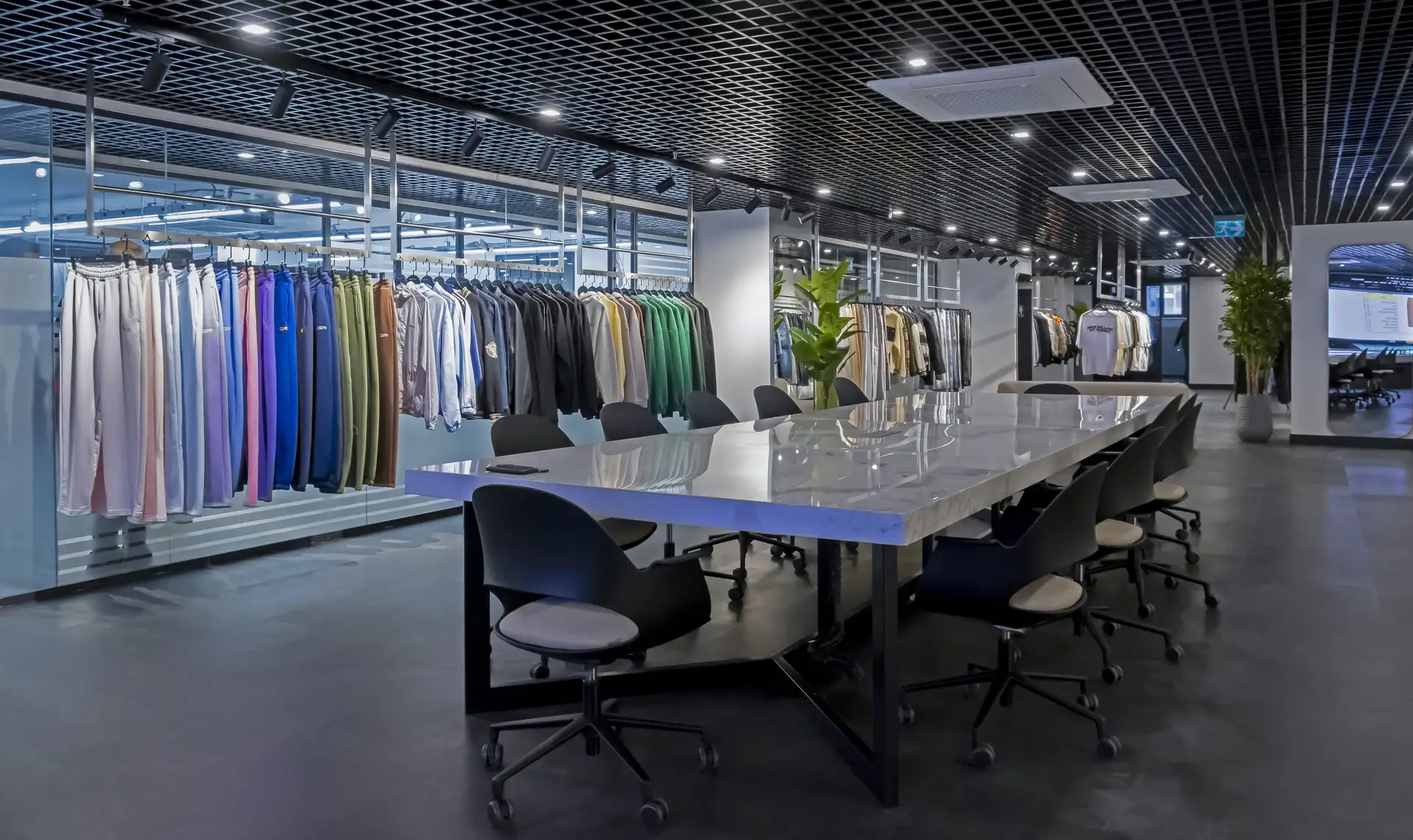
A capsule collection is a small, carefully edited group of products designed to work together.
For startup brands, this approach can be especially effective because it forces clear decisions.
Instead of asking:
“What else can we add?”
Ask:
“What does this collection actually need?”
A practical capsule might contain:
- 1 hero product
- 2–3 supporting garments
- 1 complementary or experimental product
That produces a collection of approximately 4–5 styles.
The capsule approach also makes creative direction easier. Fabrics, colors, silhouettes, trims and branding can be repeated intelligently across multiple garments, creating consistency while reducing unnecessary development.
Example: A Practical First Streetwear Collection
Consider a new premium streetwear brand targeting European customers.
Instead of launching 12 styles, it could start with:
Style 1: Heavyweight Hoodie
The hero product.
A premium fabric, distinctive fit and strong construction establish the quality positioning of the brand.
Style 2: Oversized T-Shirt
A lower-priced entry product that introduces more customers to the brand.
Style 3: Sweatpants
Built using the same or related fabric family as the hoodie, allowing customers to create a set.
Style 4: Zip Hoodie
Adds variety while remaining close to the brand’s core manufacturing platform.
The brand might initially choose two colorways:
- Core neutral
- Seasonal accent
With a controlled size range and carefully planned quantities, four styles can already provide enough visual variety for an online store, lookbook, campaign and social media launch.
There is little commercial reason to add another six garments unless those garments serve a clear purpose.
When Should You Launch More Than Six Styles?
A larger first collection can make sense when the business already has stronger infrastructure.
For example:
- The founders have previous fashion industry experience
- Retailers have already placed orders
- The brand has substantial launch capital
- Demand has been validated through pre-orders
- There is an existing customer community
- Multiple product categories are essential to the concept
- The company already has experienced merchandising and inventory teams
A brand entering wholesale may also need a broader range than a direct-to-consumer startup because buyers often expect enough products to merchandise a complete assortment.
Still, every style should have a commercial role.
“Making the collection look bigger” is rarely a good enough reason to manufacture another garment.
Why Manufacturing in Turkey Can Support Focused Collections
For European fashion brands in particular, Turkey offers a useful combination of textile capability, manufacturing experience and geographical proximity.
Istanbul has an established ecosystem that can support full package clothing manufacturing, including fabric sourcing, pattern development, sampling, printing, embroidery, sewing and quality control.
Working within a connected manufacturing ecosystem can be valuable when developing a focused first collection because materials and production details often need to be adjusted during sampling.
For European brands, producing closer to their core market can also simplify communication and make factory collaboration more manageable compared with very long-distance sourcing models.
The important point, however, is not to choose a manufacturing country and then design your collection around factory capacity.
The collection should first make commercial sense for the brand.
A Simple Framework for Planning Your First Collection
Before confirming your style count, answer five questions.
1. What is the hero product?
If you cannot identify the strongest product in the collection, the concept may still be too broad.
2. What role does each supporting product play?
Every style should add something meaningful—another price point, another outfit combination or another customer need.
3. How many total SKUs will you create?
Calculate:
Styles × Colorways × Sizes
The result often changes how founders think about their collection.
4. What production volume does the MOQ create?
Do the calculation before approving additional colors or styles.
5. Can you afford the inventory if the collection sells unevenly?
Never build the launch plan assuming every style will perform equally.
They almost certainly will not.
Develop Your First Collection With Istanbul Factory
A successful first collection is rarely the biggest one.
It is the collection that gives customers a clear understanding of your brand while keeping production, quality and inventory under control.
Istanbul Factory works with fashion startups, streetwear brands and established labels on product development and clothing manufacturing in Istanbul.
Our production services can support the full process, including:
- Fabric sourcing
- Garment sampling
- Custom clothing manufacturing
- Private label production
- Printing and embroidery
- Quality control
- Bulk production
For founders preparing their first production order, our guide to choosing a clothing manufacturer for startups explains what information to prepare before approaching a factory.
A focused first collection gives your brand room to learn. A strong second collection can then be built around what your customers actually proved they want.
Frequently Asked Questions
How many styles should a clothing collection have?
For most new fashion brands, 3 to 6 styles is a practical starting point. It provides enough variety to create a recognizable collection while keeping development costs, MOQs and inventory more manageable.
Is four styles enough for a clothing collection?
Yes. Four well-designed products can form a complete collection when they share a clear visual identity and work together. A hero product supported by three complementary garments is a strong structure for many startup brands.
How many colors should each style have?
Many new brands benefit from starting with one to three colorways per style. Limiting colors helps reduce SKU count and inventory exposure while allowing the brand to learn which colors customers actually prefer.
What is a capsule clothing collection?
A capsule collection is a small group of carefully selected garments designed to work together. For a startup brand, a capsule may contain approximately three to six styles centered around one or two core products.
Does adding colors affect clothing manufacturing MOQ?
It can. Many manufacturers structure minimum quantities around specific styles, colors or fabric combinations. Adding another color can therefore increase the total number of garments required for production.
Should every product in a first collection use the same fabric?
No, but using related fabrics across several products can simplify sourcing and production. For example, a hoodie and sweatpants can share the same French terry or fleece platform, while T-shirts use a complementary jersey fabric.
Is it better to launch a large collection or start small?
For most new brands, starting with a focused collection is safer. It reduces development and inventory risk while providing real sales data that can guide future styles, colors and reorders.
How should a startup choose its first clothing styles?
Start with the product that best represents the brand, then add supporting products that complement it. Consider customer needs, pricing, styling possibilities, MOQ, production complexity and inventory risk before approving each additional style.