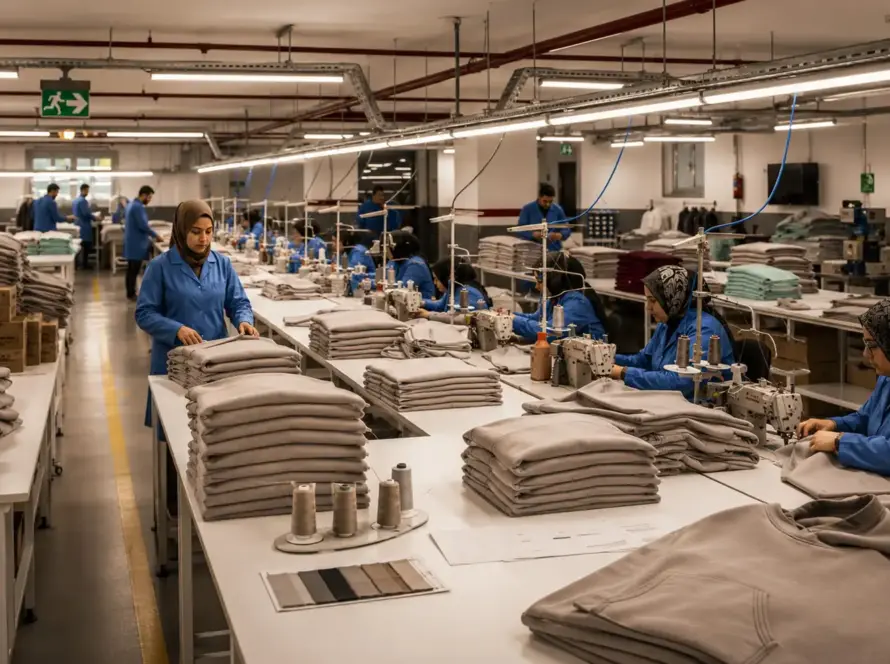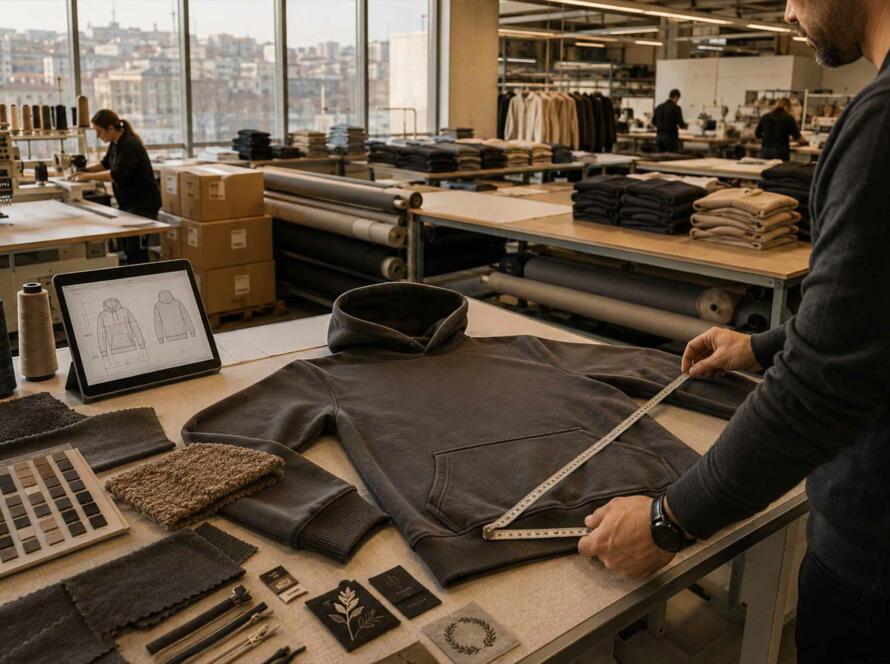


A successful first bulk order is an important step for any fashion brand. Yet the real value of a well-developed product often appears later, when the same style needs to be manufactured again.
Best-selling hoodies, core T-shirts, permanent basics and seasonal carry-over products can remain in a collection for years. Once that happens, reliable garment reorder production becomes just as important as developing the original garment.
Repeat production should be easier than the first order because the product already has an approved pattern, measurement specifications, fabric references and construction details. However, a reorder should never be treated as simply pressing “repeat.”
Materials need to be reconfirmed. Dye lots may change. Production capacity must be scheduled. Previous specifications need to be retrieved correctly. Any requested changes must also be identified before manufacturing starts.
For fashion brands, the goal is straightforward: produce the same approved product again with as little unnecessary redevelopment and as much consistency as possible.
This guide explains how that process works.
What Is Garment Reorder Production?
Garment reorder production is a new manufacturing run of a garment that has already been developed, approved and produced previously.
Instead of developing the style from the beginning, the manufacturer works from the established production records.
These typically include:
- Approved patterns
- Grading rules
- Measurement specifications and tolerances
- Approved garment samples
- Fabric composition and weight
- Color references
- Print or embroidery files
- Trims and labels
- Construction details
- Packaging specifications
- Previous production and quality-control records
A well-documented first order therefore creates the foundation for smoother repeat production.
The key point is that a reorder reduces development work, but it does not remove production controls.
First Order vs Reorder: What Is Different?
A first bulk order usually involves a full development process.
A typical sequence may look like this:
Design → Tech Pack → Fabric Sourcing → Prototype → Fit Sample → Size Set → Approval → Bulk Production
By the time the first production run is completed, many important decisions have already been confirmed.
A straightforward reorder may instead follow:
Previous Production Records → Material Confirmation → Change Review → Production → Quality Control
That difference can save time and reduce unnecessary sampling.
For example, if a streetwear brand previously produced 1,000 heavyweight hoodies, the factory may already have the final pattern, grading, embroidery placement, rib specification and label positions.
For the next order, those details do not need to be reinvented. They need to be verified and reproduced correctly.
The Approved Sample Becomes an Important Reference
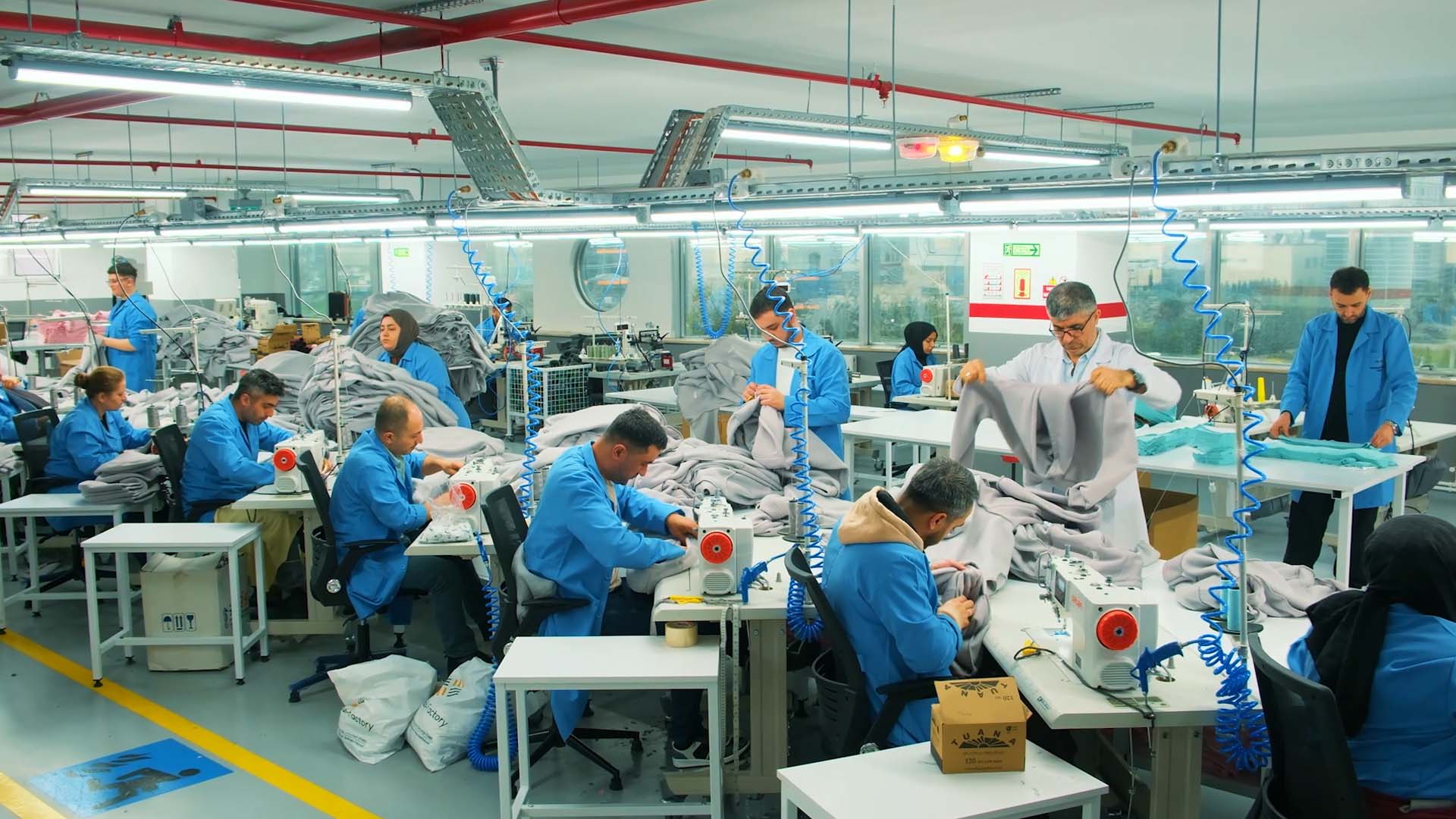
Technical files are essential, but an approved physical sample remains one of the strongest references for repeat garment production.
It allows the manufacturer to compare the new production run against a real garment that has already been accepted by the brand.
An approved sample can help confirm:
- Overall fit and proportions
- Finished measurements
- Fabric appearance and hand feel
- Garment weight
- Stitching and seam construction
- Rib dimensions
- Print or embroidery position
- Label placement
- Finishing quality
This is particularly useful for products that become permanent parts of a collection.
If a hoodie, sweatshirt or T-shirt is expected to return every season, both the brand and manufacturer benefit from maintaining a clearly identified final reference sample.
Documentation tells the factory what was approved. The physical sample helps show how the approved product should actually look and feel.
Fabric Availability Must Be Reconfirmed
One of the most important checks in garment reorder production is fabric availability.
A style may be identical to the previous order, while the supply situation behind it has changed.
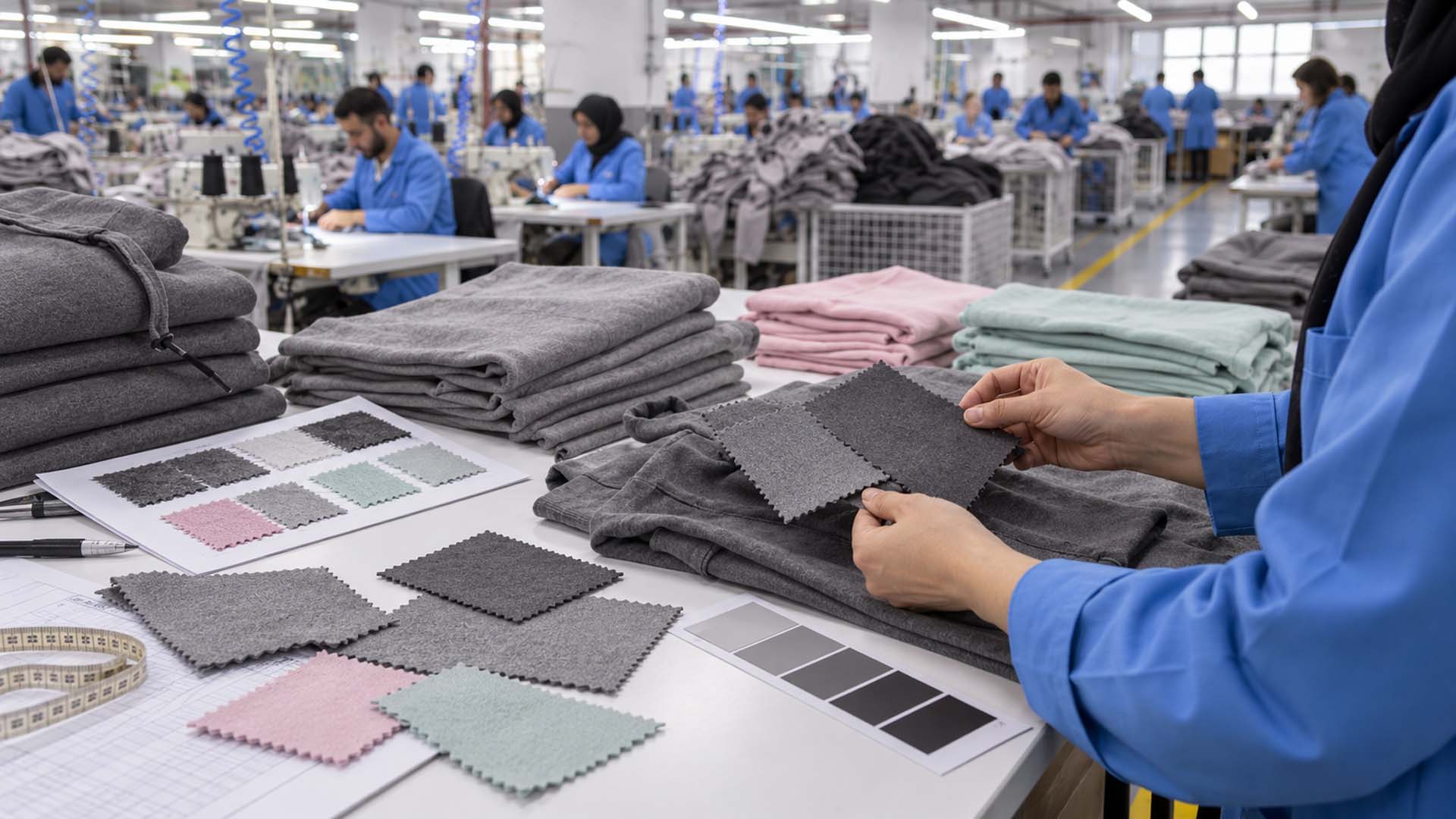
The original fabric could now be:
- Available from stock
- Available only in another quantity
- Subject to a new minimum order
- Waiting for a new knitting run
- Offered with a different lead time
- Temporarily unavailable
- Discontinued by the supplier
For that reason, a reorder should never assume that the original fabric is automatically available.
Stock Fabrics vs Custom-Produced Fabrics
Repeat production is usually simpler when the garment uses a fabric that the supplier carries regularly.
Custom-developed fabrics need more planning.
For example, a specific heavyweight French terry may require yarn sourcing, knitting, dyeing and finishing before garment production can begin.
That means the sewing pattern may already be approved, but the material itself can still determine the overall lead time.
For recurring styles, brands should discuss expected future demand with their manufacturer early. It can make sourcing decisions much more predictable.
How Is Color Consistency Maintained Between Reorders?
Color matching is another area where repeat orders require careful control.
A brand may request “the same black,” “the same navy” or “the same beige” used previously. In textile production, however, dyeing takes place in batches, and small variations between dye lots can occur.
Several factors can influence the result:
- Fiber composition
- Fabric preparation
- Dye formulation
- Dyeing conditions
- Finishing processes
- Batch size
Manufacturers therefore rely on controlled references rather than color names alone.
These may include:
- Approved fabric swatches
- Pantone references
- Lab dips
- Supplier color codes
- Fabric from the previous production run
For brands that replenish the same product repeatedly, color control becomes especially important when new garments will be sold alongside remaining stock from an earlier production run.
Absolute visual identity between different dye lots cannot always be assumed. What matters is having an agreed reference and evaluating new production against it.
Pattern and Measurement Records Need Version Control
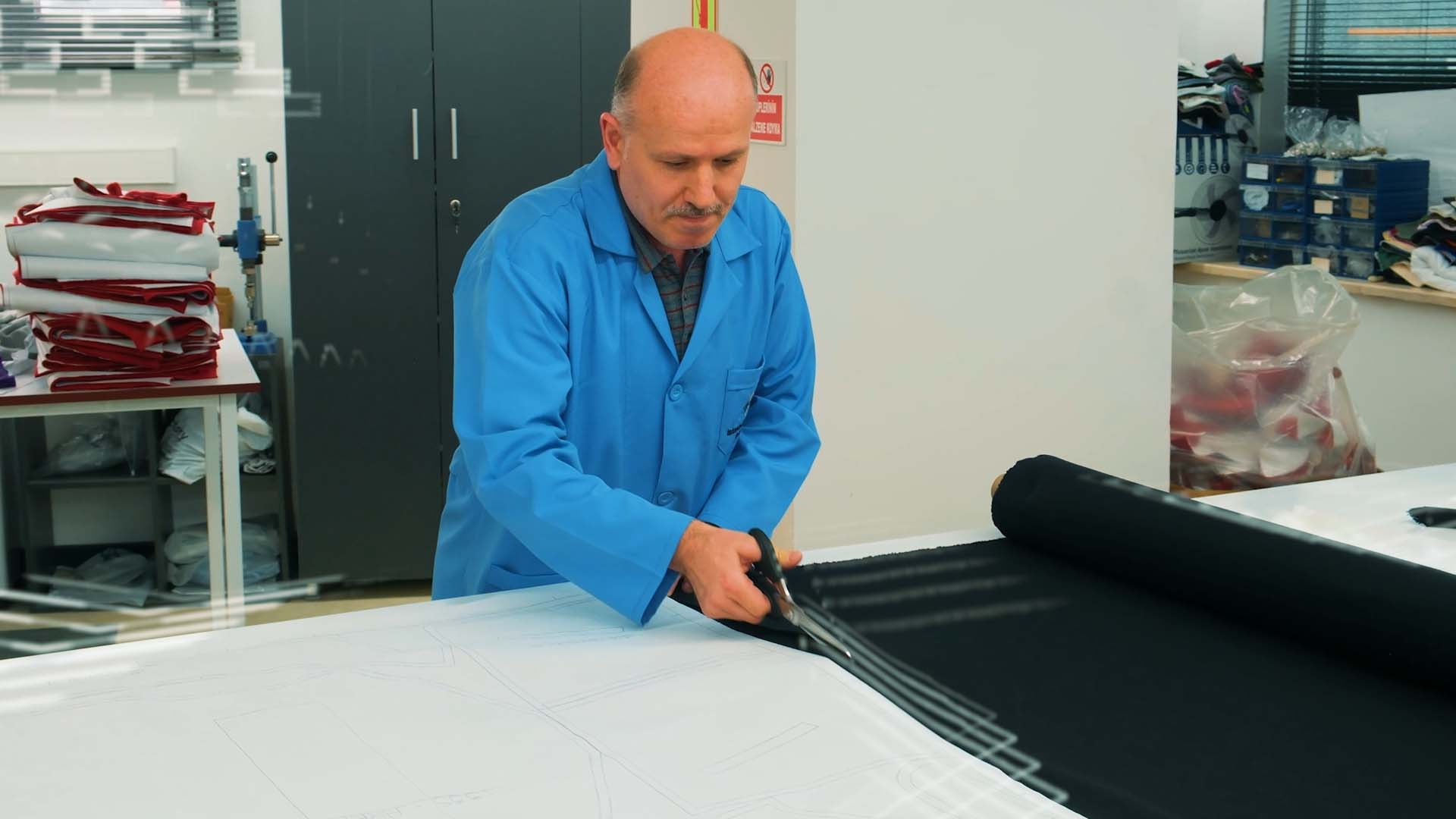
An approved pattern is one of the biggest advantages of a repeat order.
However, simply having a pattern file is not enough.
The manufacturer should know exactly which version is current.
Ideally, the final pattern should be connected to:
- Style number
- Pattern version
- Measurement chart
- Grading specification
- Approved sample
- Production date
- Recorded revisions
Consider a sweatshirt that was initially produced with a 64 cm sleeve. Before the second production run, the brand asks for the sleeve to be shortened to 63 cm.
Six months later, another reorder is placed.
Without clear version control, an older pattern or specification could mistakenly return to production.
For established products, changes should therefore be documented deliberately rather than communicated informally across different emails, messages or spreadsheets.
Good record keeping is one of the simplest ways to protect consistency over multiple production runs.
Can You Change a Garment During a Reorder?
Yes. But the more the product changes, the less it behaves like a simple reorder.
Minor updates may include:
- New care-label information
- Updated packaging
- Small artwork-position adjustments
- Label changes
- Minor measurement corrections
These changes may be manageable without restarting the full development process.
More substantial changes require greater caution.
Examples include:
- Changing fabric composition
- Moving to a substantially different GSM
- Modifying the overall fit
- Changing neckline construction
- Adding or removing panels
- Replacing important trims
- Changing from print to embroidery
When a modification affects fit, fabric behavior or construction, producing a revised sample before bulk manufacturing is usually the safer approach.
A useful rule is:
If the change affects how the garment fits, behaves or is constructed, treat it as a development change rather than a simple reorder.
This distinction helps prevent misunderstandings before bulk production begins.
Do Reorders Have the Same MOQ?
Not necessarily.
A common misconception is that once a garment has been developed, future orders can be produced in any quantity.
In practice, product development and production minimums are separate issues.
Reorder quantities may still depend on:
- Fabric minimums
- Dyeing minimums
- Trim quantities
- Printing or embroidery setup
- Number of colorways
- Size breakdown
- Production-line efficiency
For example, repeating 500 units of one established black T-shirt can be very different from ordering 500 units split across five new colors.
The total quantity may be the same, but the material and production setup is not.
At Istanbul Factory, our standard bulk-production structure starts from 500 pieces per style and color, so reorder planning should consider both the total order volume and how that volume is divided.
Clothing Manufacturing Terms Explained: MOQ, Lead Time, Samples, Tolerances and More
How Do Manufacturers Maintain Quality Across Reorders?
Quality consistency comes from repeating the same controls, not from assuming that a previous successful order guarantees the next one.
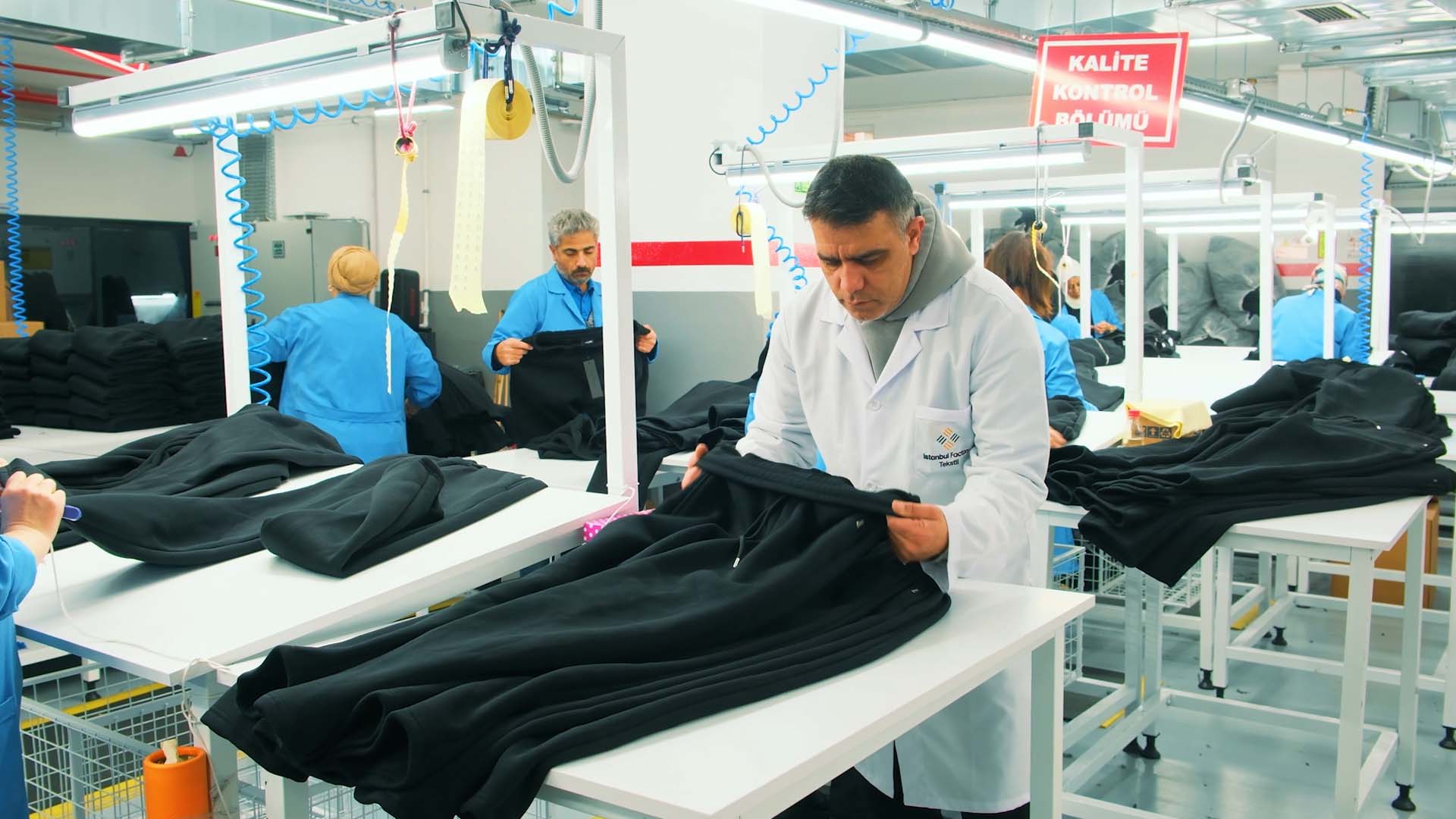
Each new production run should still be checked against the approved specifications.
Fabric Quality
The manufacturer should review:
- Composition
- Fabric weight
- Surface appearance
- Hand feel
- Shrinkage behavior
- Color
Measurements and Fit
Finished garments should be compared with the approved measurement chart and agreed tolerances.
Construction
Important details may include:
- Seam type
- Stitch density
- Reinforcement points
- Neckline construction
- Rib attachment
- Hems
- Internal finishing
Print and Embroidery
The factory should confirm:
- Artwork dimensions
- Positioning
- Thread or ink colors
- Embroidery density
- Overall appearance
Finishing and Packaging
Final control should also cover:
- Loose threads
- Pressing
- Labels
- Folding
- Polybags or other packaging
- Carton preparation
Reliable repeat production comes from maintaining the approved standard throughout each order rather than relying on memory.
When Should a Fashion Brand Place a Reorder?
One of the most common problems with repeat production is timing.
Brands often wait until a best-selling product is nearly out of stock before contacting the manufacturer.
By that point, the reorder becomes urgent.
Even when development is already completed, the factory may still need time for:
- Fabric confirmation or production
- Dyeing
- Trims and labels
- Production scheduling
- Cutting
- Sewing
- Printing or embroidery
- Finishing
- Quality inspection
- Packing and shipment preparation
At Istanbul Factory, typical bulk production takes approximately 4–6 weeks, depending on the product, materials and production requirements. Material sourcing or custom fabric development can affect the overall timeline.
For core products, a better approach is to monitor sales velocity and inventory before stock reaches a critical level.
Use Sales Forecasts to Plan Repeat Production
A forecast does not need to be an exact purchase order.
Even an approximate view of expected demand can help the manufacturer prepare for:
- Fabric requirements
- Capacity
- Repeated colorways
- Trims
- Seasonal production peaks
This is particularly useful for fashion brands building evergreen or carry-over collections.
Example: Reordering a Bestseller Hoodie
Consider a European streetwear brand that initially produces 1,000 heavyweight black hoodies.
During the first order, the brand and manufacturer approve:
- Final hoodie pattern
- Size grading
- Fabric composition and GSM
- Black color reference
- Rib specification
- Embroidery artwork
- Neck and care labels
- Packaging method
The hoodie performs well, and three months later the brand wants another 1,500 units.
The factory does not need to develop the garment again from zero.
Instead, the manufacturer reviews the previous production records and confirms:
Is the original fabric still available?
Can the new dye lot match the approved black reference?
Are the same labels and trims being used?
Has the brand requested any fit changes?
What is the new size breakdown?
When is production capacity available?
Once these points are confirmed, repeat production can move forward using the approved garment as its benchmark.
That is what a well-managed reorder process should achieve: fewer unnecessary development steps without lowering production control.
Why Turkey Can Be Effective for Repeat Clothing Production
For European fashion brands in particular, Turkey offers a useful manufacturing advantage: many parts of the textile supply chain are located within a relatively concentrated production ecosystem.
Depending on the product, manufacturers can coordinate with local or regional specialists in:
- Knitting
- Fabric sourcing
- Dyeing
- Printing
- Embroidery
- Garment production
- Finishing
- Packaging
For repeat orders, close supplier coordination can be valuable because fabric, trims, production scheduling and garment manufacturing often need to align quickly.
Istanbul also provides access to a large network of textile suppliers and specialist garment-production services.
For brands that reorder regularly, continuity with a manufacturing partner can become increasingly valuable. The factory already understands the product, its construction and its previous production history.
That knowledge can reduce unnecessary redevelopment and help communication become more efficient over time.
Build a Reorder System, Not Just a Reorder
Brands planning long-term production should treat every successfully developed garment as a controlled manufacturing asset.
For each important style, keep a clear record of:
- Final tech pack
- Approved pattern version
- Measurement chart
- Approved production sample
- Fabric specification
- Color reference
- Print or embroidery files
- Label and trim details
- Packaging requirements
- Production comments and revisions
This creates a repeatable manufacturing system.
It also makes it easier to identify when a new order is genuinely the same product and when requested changes require additional development.
The brands that manage reorders well are usually not relying on memory. They are relying on organized product records.
Plan Repeat Production With Istanbul Factory
At Istanbul Factory, we support fashion brands, streetwear labels, startups and established companies with structured clothing manufacturing in Istanbul.
Our production services include fabric sourcing, garment sampling, pattern and fit development, private label manufacturing, custom clothing production, printing, embroidery, bulk manufacturing and quality control.
For repeat orders, we work from approved production references while reconfirming the details that can change between runs, including materials, colors, quantities, specifications and production timing.
If you already have a proven style that needs to be reordered, the best starting point is to share the previous product specifications, required quantity, target delivery window and any changes you want to make.
Planning a garment reorder or building a collection that will require regular repeat production? Contact Istanbul Factory to discuss your styles, quantities and manufacturing requirements in Turkey.
Frequently Asked Questions
What is garment reorder production?
Garment reorder production is a new manufacturing run of a garment that has already been developed and approved. The factory works from existing patterns, measurements, fabric specifications and approved production references.
Is a garment reorder faster than the first production run?
Usually, yes. Pattern development and initial sampling may already be completed. However, fabric sourcing, production scheduling, quality control, finishing and packaging still require time.
Do I need a new sample for every reorder?
Not necessarily. If the style and materials remain unchanged, the previous approved sample may provide a sufficient reference. New sampling is advisable when fit, fabric, construction or important design details change.
Can fabric color vary between production runs?
Yes. Small differences can occur between textile dye lots. Manufacturers use approved swatches, Pantone references, lab dips and previous production fabrics to control color consistency.
Can I change the design when placing a reorder?
Yes, although major changes may turn the reorder into a new development process. Adjustments that affect fit, fabric or garment construction should usually be sampled and approved before bulk production.
Can reorder quantities be lower than the original order?
This depends on the manufacturer’s MOQ and on fabric, dyeing, trims, colors and production requirements. Completing the first order does not automatically remove minimum production quantities.
What records should a fashion brand keep for repeat production?
Keep the final tech pack, approved pattern version, measurement chart, approved sample, fabric and color references, artwork files, labels, trims and final production notes.
When should I start planning a garment reorder?
Start before inventory becomes critically low. Allow time for material sourcing, factory scheduling, garment production, quality control and shipping. Core products should ideally be monitored using sales and inventory forecasts.