

Launching a clothing brand often feels like a creative project at first.
Then manufacturing begins.
Suddenly, decisions about fabric weight, measurements, minimum order quantities, labels, grading, packaging and production timing become just as important as the original design.
This is where many first-time founders run into problems.
The most expensive clothing brand mistakes rarely happen because the founder lacks creativity. They usually happen because key manufacturing decisions were made too late, left unclear or underestimated before bulk production began.
A strong first production run therefore starts well before cutting and sewing.
It starts with clear specifications, realistic quantities, approved samples and a collection structure that makes sense commercially as well as creatively.
This guide explains ten common mistakes new fashion brands should resolve before placing their first bulk order.
What Are the Most Common Clothing Brand Mistakes?
The most common mistakes new fashion brands make before production are:
- Starting without a clear tech pack
- Selecting fabric too late
- Ignoring minimum order quantities
- Launching too many colors
- Developing too many styles
- Planning unrealistic production timelines
- Skipping proper garment samples
- Changing designs during bulk production
- Poor size and grading planning
- Forgetting packaging, freight and logistics costs
Most of these problems can be avoided during product development.
That is important because correcting a decision before production is usually much easier than correcting it after fabric has been ordered, garments have been cut or sewing has started.
1. Starting Production Without a Clear Tech Pack
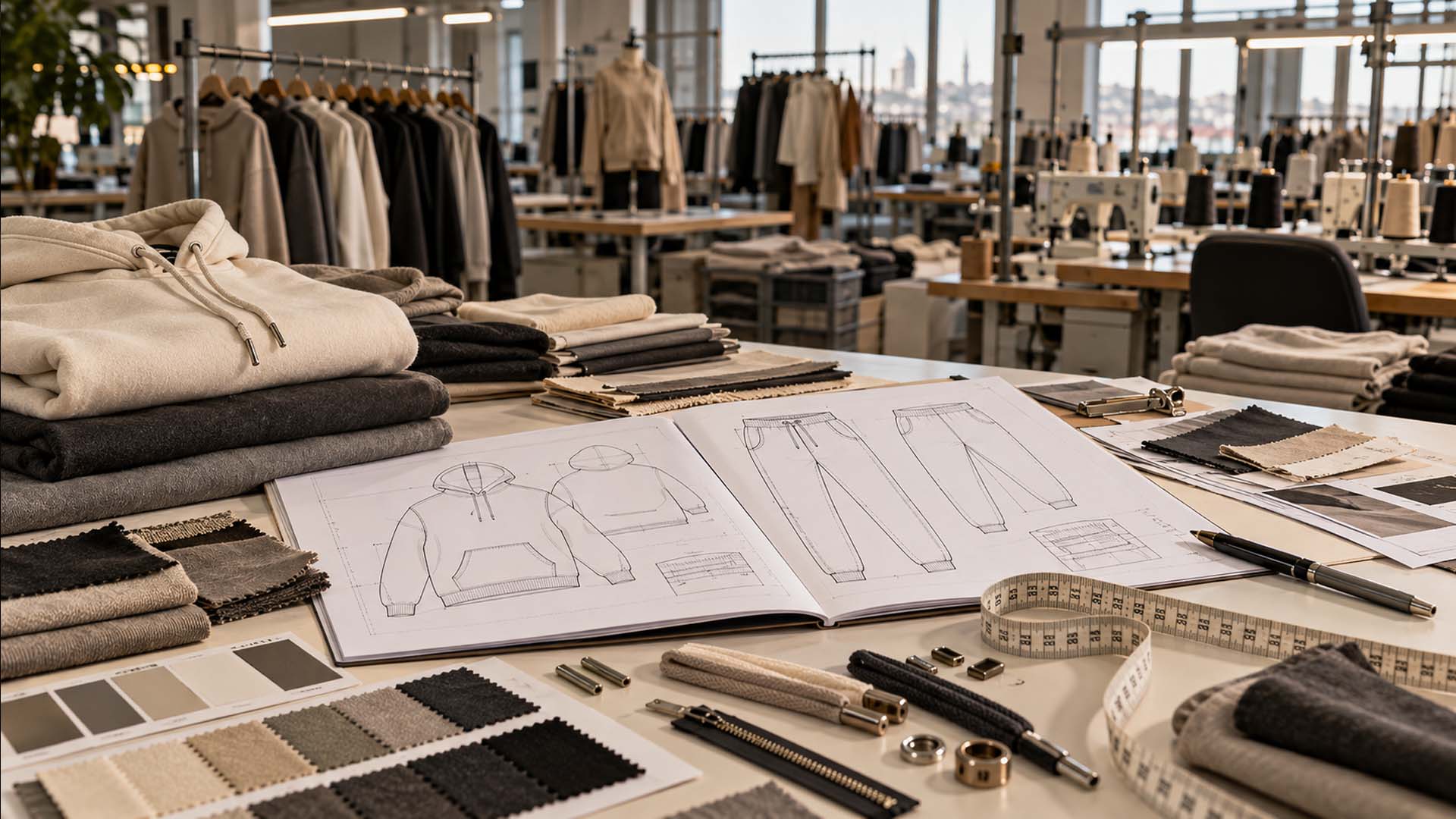
A manufacturer cannot produce consistently from assumptions.
One of the most common clothing brand mistakes is approaching bulk production with only sketches, moodboards or reference photographs.
Those materials are useful for communicating creative direction, but they usually do not provide enough technical information for reliable garment manufacturing.
A good tech pack for clothing production should define the product clearly enough that the factory understands exactly what is expected.
Depending on the garment, this may include:
- Technical drawings
- Measurement specifications
- Fabric composition and weight
- Color references
- Stitching details
- Print dimensions and placement
- Embroidery specifications
- Labels and trims
- Construction details
- Packaging instructions
Consider two oversized hoodies that appear almost identical in a reference image.
One may use a 420 GSM brushed fleece, while the other uses a lighter French Terry. Their shoulder drop, hood depth, cuff construction and sleeve width may also be completely different.
Those details directly affect the finished product.
Why this matters in production
When information is missing, someone still has to make the decision.
If the brand has not specified the detail, the manufacturer may need to request clarification or work from a reasonable production assumption.
Either outcome can slow development.
More importantly, assumptions increase the risk that the sample does not match what the designer had in mind.
A clear tech pack reduces that gap.
Practical manufacturing advice
Do not make the tech pack complicated simply for the sake of looking professional.
Make it complete.
Every detail that affects fit, construction, appearance or branding should be clear before bulk production is approved.
2. Selecting Fabric Too Late
Fabric is part of the product design.
It should not be treated as a material that can be chosen after the garment has already been developed.
The same pattern can behave very differently depending on the fabric used.
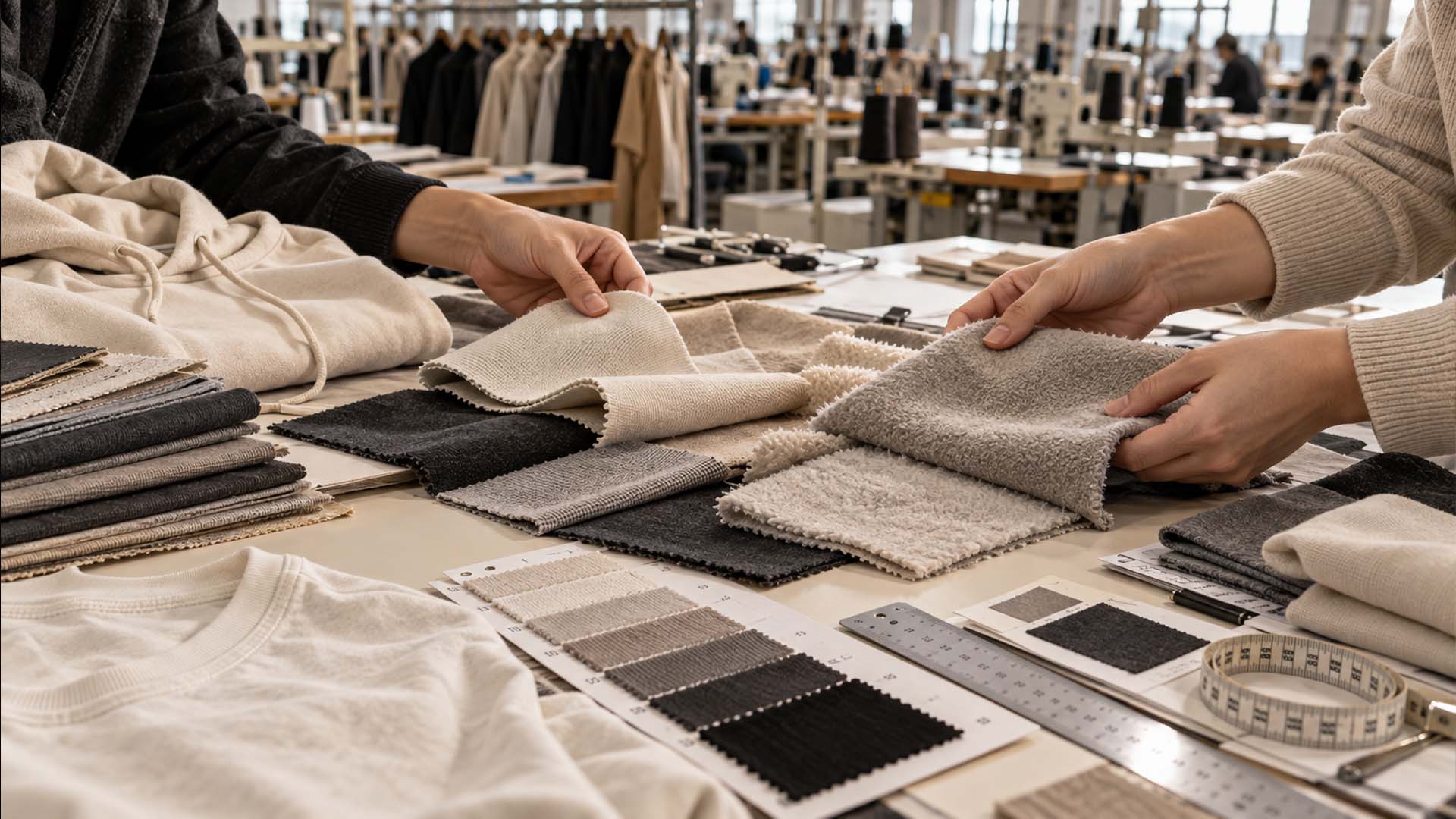
Changes in fabric can affect:
- Drape
- Structure
- Stretch
- Shrinkage
- Weight
- Surface appearance
- Comfort
- Print performance
- Embroidery stability
- Garment fit
For example, an oversized T-shirt developed in a dense 280 GSM cotton jersey may lose much of its intended silhouette if production later moves to a substantially lighter jersey.
Technically, the pattern may remain the same.
Visually and physically, the garment may not.
What should be confirmed before sampling?
Brands should normally discuss:
- Fiber composition
- Fabric construction
- GSM
- Stretch and recovery
- Surface texture
- Shrinkage expectations
- Color availability
- Dyeing requirements
- Finishing
- Fabric MOQ
The exact priorities will depend on the product.
A hoodie, fitted top, performance garment and structured overshirt will not require the same fabric characteristics.
Source fabric early
Early fabric sourcing also gives the manufacturer time to identify alternatives when a preferred material is unavailable, unsuitable for the target price or difficult to source at the required quantity.
That is far easier to solve during development than immediately before bulk production.
3. Ignoring MOQ Until the Collection Is Finished
MOQ stands for Minimum Order Quantity.
It is the minimum quantity that a manufacturer or supplier can reasonably produce under a particular production setup.
New brands sometimes design an entire collection before asking how MOQ works.
That order should usually be reversed.
MOQ can influence how many:
- Styles you launch
- Colors you select
- Fabrics you use
- Prints you develop
- Units you produce per SKU
Suppose a new brand plans six styles in five colors.
That creates 30 style-color combinations before sizes are even allocated.
If minimums apply by style and color, the total production commitment may quickly become much larger than expected.
Ask how the MOQ is structured
Do not ask only:
“What is your MOQ?”
Ask:
- Is MOQ calculated per style?
- Per color?
- Per fabric?
- Per print?
- Per embroidery design?
- Or across the full production order?
Those distinctions matter.
At Istanbul Factory, production quantities are discussed during project evaluation so brands can understand whether their proposed collection structure is suitable for manufacturing before too much development work has been committed.
The objective should not simply be to reach a factory minimum.
The order should also make financial sense for the brand.
4. Launching Too Many Colors
More color options can look attractive during collection planning.
In production, however, every additional color creates another layer of complexity.
A new color may affect:
- Fabric sourcing
- Dyeing
- Color approval
- Sampling
- Cutting
- Inventory
- Photography
- SKU management
It also divides your quantity.
Suppose you plan 600 hoodies in six colors.
That is 100 units per color before those units are divided between XS, S, M, L and XL.
Suddenly, the actual stock available for each color-size combination may be quite small.
At the same time, capital is spread across a much wider inventory range.
Focus on colors with a clear role
A first collection does not need every possible variation.
A tighter palette often makes production easier to manage and gives the collection a stronger visual identity.
Instead of asking:
“How many colors can we produce?”
A better question is:
“Which colors are important enough to justify inventory?”
That shift in thinking is particularly useful for brands producing their first collection without historical sales data.
5. Developing Too Many Styles
The number of styles creates similar problems.
New fashion brands often feel pressure to make the first collection look substantial.
As a result, they may develop far more products than the first launch actually needs.
Every additional style can mean:
- Another pattern
- Another sample
- Another fitting process
- More fabric decisions
- More trims
- More grading
- More quality checks
- More stock
A focused collection is easier to refine.
For example, a streetwear startup could build a coherent first drop around:
- One T-shirt
- One hoodie
- One sweatshirt
- One trouser
Different colors, fabrics and graphics can still create visual variety without requiring ten completely different product developments.
Start with products you can execute well
The first collection is also a learning process.
It shows the brand which fits, prices, sizes, colors and products customers actually respond to.
That information can then guide the second production run.
Expanding from sales evidence is usually more useful than building a large collection based entirely on forecasts.
6. Planning an Unrealistic Production Timeline
Bulk garment manufacturing is only one stage of the process.
Before sewing begins, a new product may need to move through several development and approval steps.
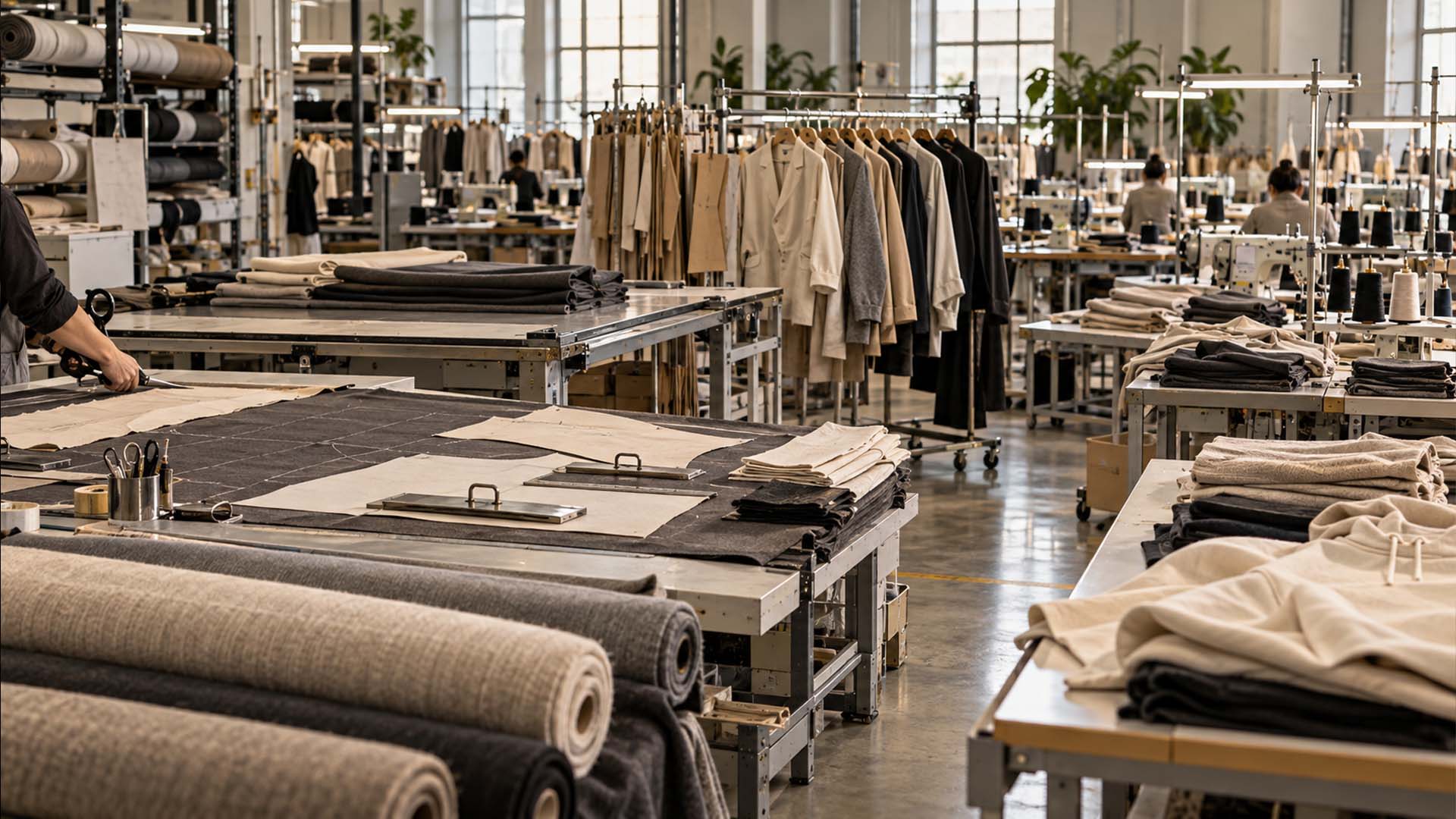
A typical workflow can include:
- Product review
- Fabric sourcing
- Pattern development
- Prototype sampling
- Fit review
- Sample correction
- Print or embroidery development
- Fabric and trim ordering
- Size set approval
- Pre-production approval
- Cutting
- Sewing
- Finishing
- Quality control
- Packaging
Not every product requires exactly the same process.
However, new brands often underestimate how much happens before the production line starts.
Work backwards from the launch date
If stock must be available for a fixed launch, retail event or seasonal campaign, calculate backwards from that date.
How Long Does Clothing Manufacturing Take? A Realistic Timeline for Brands
Include time for:
- Sample corrections
- Fabric availability
- Lab dips or color approvals
- Trim production
- Bulk manufacturing
- Quality control
- Packing
- Freight
- Customs clearance, when applicable
A production plan with no contingency is fragile.
If a sample requires one additional correction, the entire launch calendar should not immediately become impossible.
7. Skipping Samples to Save Money
Sampling can feel expensive to a startup because it happens before revenue begins.
However, sampling is one of the most practical forms of production risk control.
A sample allows the brand to physically evaluate the product before the full order is manufactured.
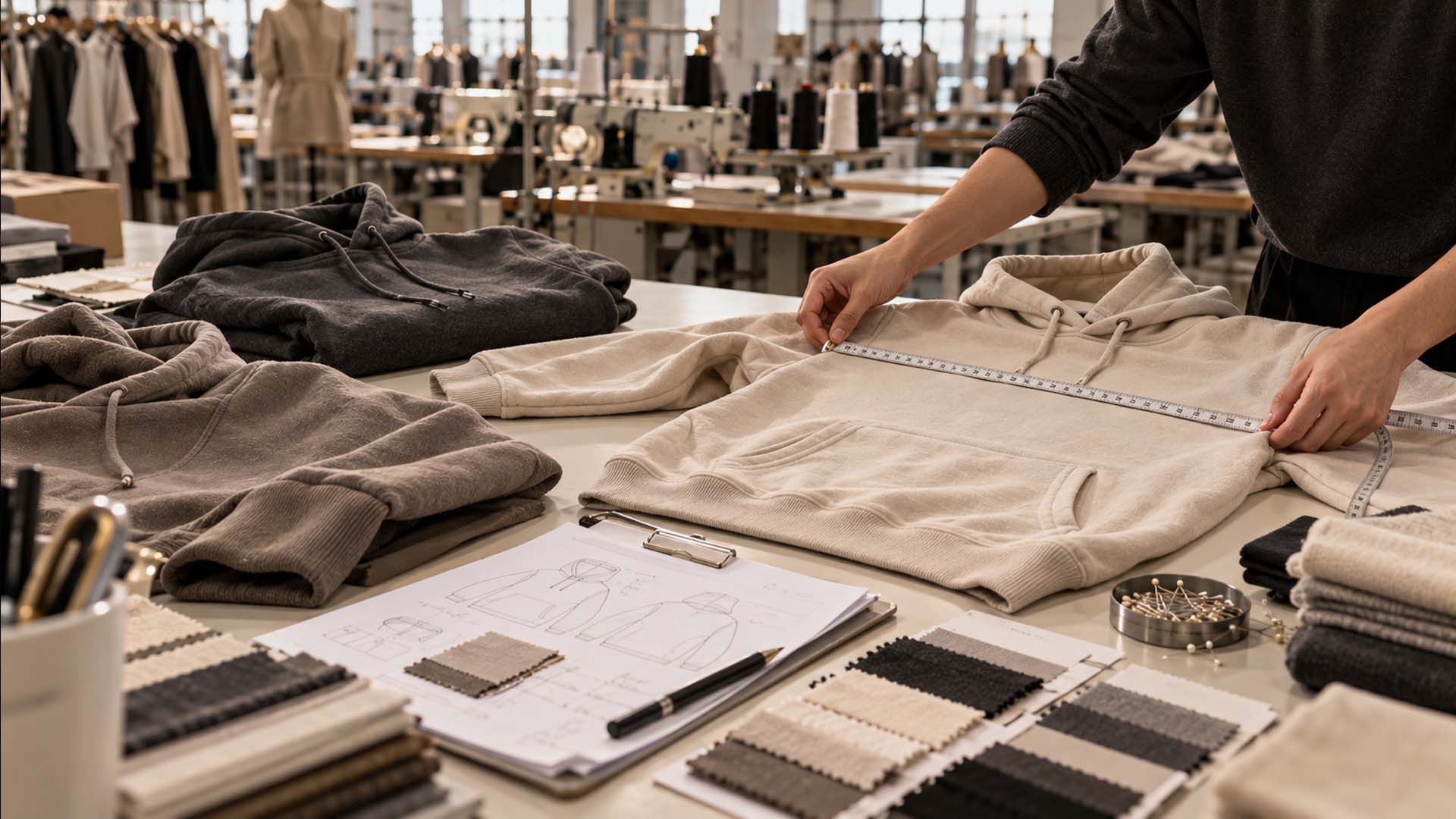
It can reveal problems with:
- Fit
- Measurements
- Proportions
- Fabric
- Construction
- Stitching
- Print quality
- Embroidery
- Labels
- Trims
A measurement difference of two centimeters may look minor on a spreadsheet.
Across 1,000 garments, the same mistake becomes 1,000 incorrectly produced products.
Sampling is cheaper than correcting bulk production
The purpose of sampling is not to create a perfect-looking prototype for marketing.
It is to identify problems while those problems are still inexpensive to correct.
The sample should therefore be reviewed critically.
Check what is wrong, not simply what looks acceptable.
Physical approval still matters
Photographs and videos are extremely useful when brands work internationally.
They can speed up communication and help teams review construction details remotely.
However, some characteristics are difficult to judge accurately on a screen.
These include:
- Hand feel
- Fabric weight
- Stretch
- Drape
- Comfort
- Actual fit
Whenever practical, final product approval should include a physical sample.
8. Changing Designs During Bulk Production
Product development is where experimentation belongs.
Bulk production should begin after the important decisions have already been made.
Late changes to:
- Measurements
- Fabric
- Print placement
- Embroidery
- Labels
- Colors
- Pockets
- Trims
- Construction
can create disruption once materials have been ordered or garments have entered production.
Depending on the timing, a change may require:
- New patterns
- New samples
- Replacement fabric
- Re-cutting
- Rework
- Additional labor
- Production rescheduling
That can affect both cost and lead time.
Use a clear approval sequence
A reliable sequence is:
Develop → Sample → Correct → Approve → Produce
Once the production sample and technical specifications are approved, they should become the reference for bulk manufacturing.
The fewer unresolved decisions that reach the factory floor, the more predictable the production process becomes.
9. Poor Size and Grading Planning
Size planning deserves more attention than many first-time brands give it.
Producing 1,000 garments does not automatically mean dividing the quantity evenly between XS, S, M, L and XL.
The correct size distribution depends on factors such as:
- Target customer
- Garment category
- Fit
- Market
- Sales channel
- Previous sales data
A unisex oversized hoodie may need a different size curve from a fitted womenswear top.
Grading is equally important
Grading means developing additional sizes from the approved base pattern.
It is not simply a matter of increasing every measurement by the same percentage.
Different parts of the garment may need to grow by different increments so that the intended fit is preserved across the size range.
Pattern Making and Size Grading for Custom Clothing Production
Poor grading can create problems such as:
- Sleeves becoming disproportionately long
- Neck openings becoming too large
- Shoulder width growing incorrectly
- Garment length changing too aggressively
A good base size does not guarantee a good size range.
The grading must also be tested.
What if you have no sales data?
Most new brands do not.
In that case, size planning should be based on the target customer, product fit and reasonable market assumptions rather than arbitrary equal quantities.
After the first launch, actual sales data can be used to improve future production.
10. Forgetting Packaging, Freight and Logistics Costs
The factory price is not the same as the final cost of putting a product into stock.
This distinction is especially important for startups calculating retail prices and margins.
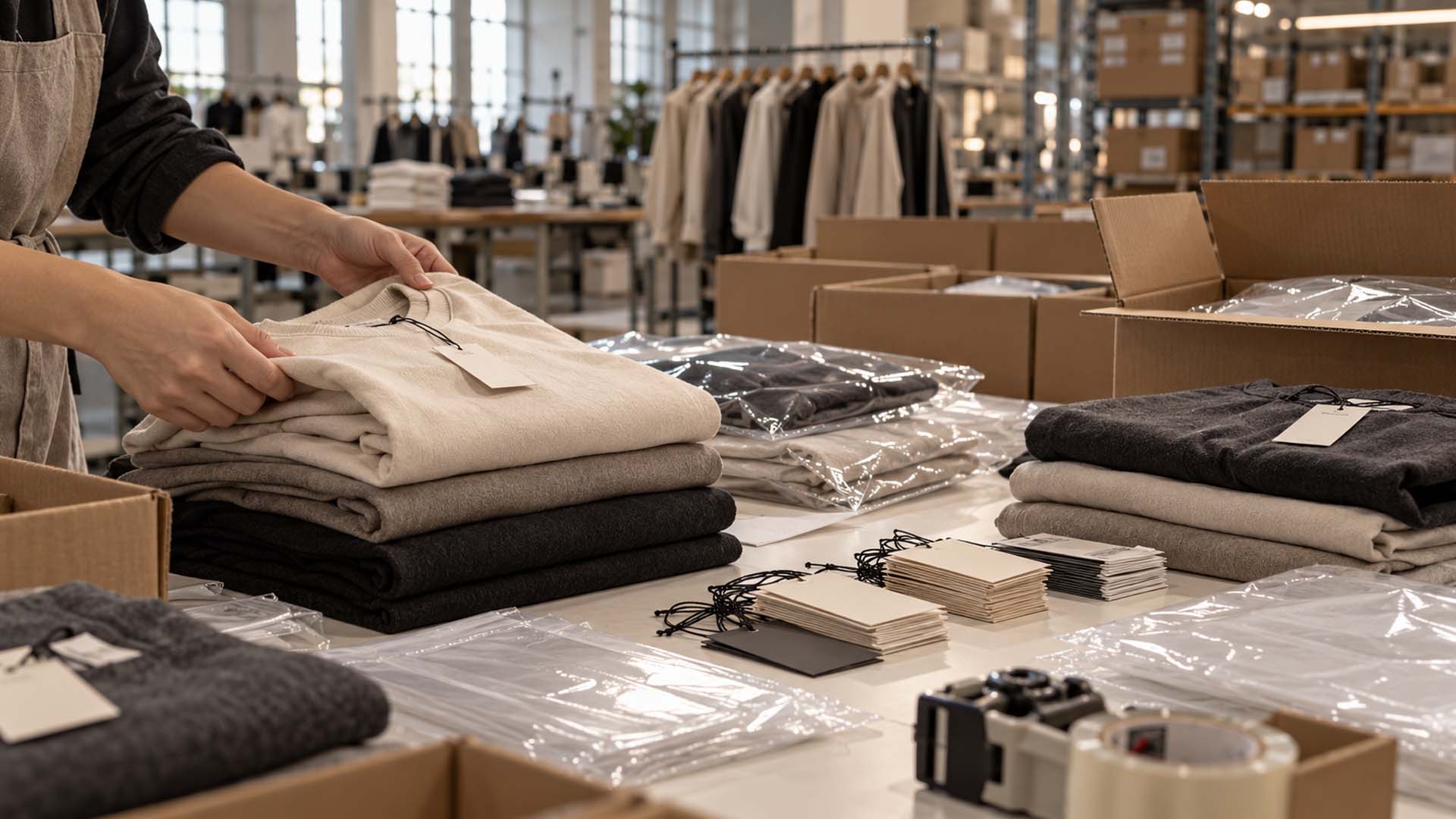
Additional costs may include:
- Woven labels
- Care labels
- Hangtags
- Barcode stickers
- Polybags
- Tissue paper
- Boxes
- Master cartons
- Freight
- Customs clearance
- Duties
- Warehousing
- Fulfillment
Premium packaging can add more cost than founders initially expect.
Custom boxes, branded paper, stickers and other presentation materials may all make sense for the brand.
They simply need to be included in the financial model.
Calculate landed cost
A useful planning concept is landed cost.
If a garment costs €10 to manufacture and another €3 per unit is required for packaging, freight, import costs and handling, then €10 should not be used as the basis for margin calculations.
The commercially relevant cost is closer to €13.
That difference becomes significant across hundreds or thousands of pieces.
Understanding landed cost before production helps brands make more realistic decisions about pricing, margins and order quantities.
How Much Does It Cost to Start a Clothing Brand? A Realistic Manufacturing Budget
How to Know If Your Collection Is Ready for Production
Before approving bulk manufacturing, a fashion brand should be able to answer five questions clearly.
1. Product
Is the final design approved?
2. Material
Has the actual production fabric been confirmed?
3. Fit
Have measurements, fit and grading been tested?
4. Quantity
Do the style and color quantities work with the manufacturer’s MOQ?
5. Budget
Does the budget include production, packaging and logistics?
If one of these areas remains unresolved, the collection may still be in development rather than ready for bulk production.
This distinction matters.
The goal is not to move into manufacturing as quickly as possible.
The goal is to enter manufacturing with fewer unanswered questions.
Why Brands Source Clothing Manufacturing in Turkey
Turkey has a well-established textile and garment manufacturing ecosystem and is geographically close to many European fashion markets.
Istanbul connects brands with a broad network of capabilities that can include:
- Fabric sourcing
- Knitting
- Dyeing
- Printing
- Embroidery
- Pattern development
- Sampling
- Clothing manufacturing
- Garment finishing
- Quality control
For European brands in particular, geographic proximity can make development visits, sample shipments and communication more practical than working across much longer supply chains.
US brands may also consider Turkey when they are looking for a manufacturing base with access to textile production, garment development and private label services within the same regional ecosystem.
Location alone, however, does not guarantee a successful product.
Good manufacturing still depends on clear technical information, realistic planning, properly approved samples and disciplined quality control.
Preparing Your First Production Run With Istanbul Factory
A first production run carries more uncertainty than a reorder because the brand, product specifications and manufacturing workflow are all being tested at the same time.
That is why preparation matters.
Istanbul Factory works with fashion startups, streetwear brands, premium labels and established companies that need a clothing manufacturing partner in Istanbul.
Depending on the project, support can include:
- Fabric sourcing
- Garment sampling
- Pattern and product development
- Private label production
- Custom clothing manufacturing
- Printing
- Embroidery
- Quality control
- Bulk garment manufacturing
- Sustainable textile production options
Our approach is to clarify the important production decisions before they become factory-floor problems.
If you are preparing a new collection, send Istanbul Factory your product information, tech packs or reference materials.
The project can then be reviewed from a manufacturing perspective to identify what is already ready for production, what still needs development and which decisions should be finalized before bulk manufacturing begins.
That early review can save far more time than rushing an incomplete product into production.
Frequently Asked Questions
What is the biggest mistake a new clothing brand can make?
One of the biggest mistakes is approving bulk production before the product is technically finalized. Fabric, measurements, grading, trims, labels and samples should be confirmed before manufacturing begins.
What should a clothing brand prepare before production?
A brand should prepare clear product specifications, an approved tech pack, confirmed fabric, final measurements, grading, approved samples, quantity planning, branding details, packaging requirements and a realistic production timeline.
Do I need a tech pack before contacting a clothing manufacturer?
You can contact a manufacturer during the development stage, but a clear tech pack is usually required before accurate sampling and bulk production. Better specifications reduce assumptions and improve communication.
How many styles should a new clothing brand launch?
There is no fixed number. However, first collections often benefit from a smaller group of well-developed styles because this reduces sampling, inventory and production complexity.
Should a new clothing brand offer many colors?
Usually, a focused color range is easier to manage. Every additional color can increase sourcing complexity, SKU count, sampling requirements and inventory risk.
Why are garment samples important?
Samples allow the brand to check fit, measurements, fabric, stitching, trims, prints, embroidery and construction before the full production quantity is manufactured.
When should a fashion brand choose its fabric?
Fabric should be selected early in product development because fabric weight, composition, stretch, drape and shrinkage can influence pattern development, fit and final garment appearance.
What is MOQ in clothing manufacturing?
MOQ means Minimum Order Quantity. It refers to the minimum quantity a manufacturer or supplier is prepared to produce or supply under a particular production setup.
What is landed cost in fashion manufacturing?
Landed cost is the total cost of getting a finished product into inventory. It can include manufacturing, packaging, freight, customs, duties and other handling costs.
Can designs be changed after bulk production starts?
Sometimes, but late changes can lead to delays, additional costs, wasted materials or inconsistent production. Major product decisions should be finalized before cutting and sewing begin.