


A factory quotes €18 for a premium hoodie. Your brand plans to sell it for €55. At first glance, the margin looks attractive.
But what happens when you add transportation, packaging, customs clearance, import duties, and delivery to your warehouse?
That €18 hoodie might cost €21, €24, or more by the time it reaches your inventory.
Understanding the landed cost of clothing from Turkey is essential for building accurate budgets, setting profitable retail prices, and comparing manufacturing quotations fairly.
For fashion brands sourcing from Istanbul, the factory price is only the starting point. The real financial picture becomes clear when every expense between production and final delivery is accounted for.
What Is Landed Cost in Clothing Manufacturing?
Landed cost is the total expense of purchasing, importing, and delivering goods to their intended destination. It includes the manufacturing price and applicable logistics, customs, and handling expenses.
For clothing brands, the basic calculation is:
Landed Cost = Manufacturing Cost + Packaging + Freight + Insurance + Import Duties + Clearance + Destination Charges + Other Non-Recoverable Costs
Dividing this amount by the number of usable garments gives the landed cost per unit.
Import VAT requires separate treatment. Recoverable VAT generally represents a cash-flow requirement rather than a permanent inventory expense. Non-recoverable import VAT may become part of the cost.
This distinction matters when calculating actual product profitability.
Factory Unit Price vs. Total Landed Cost
A clothing manufacturer’s quotation typically reflects the agreed production scope, which may include fabric, cutting, sewing, finishing, and standard quality control.
However, services outside that scope can change the final price substantially.
For example, two manufacturers might quote:
- Manufacturer A: €16.50 per T-shirt, excluding logistics and additional packaging.
- Manufacturer B: €18.00 per T-shirt, including branded packaging and delivery to an agreed local shipping point.
Manufacturer A initially appears cheaper. Yet the additional expenses could make its total delivered cost higher.
The correct comparison is therefore not simply price per garment. It is landed cost per garment at the same destination, under comparable delivery terms and specifications.
The Main Costs Behind Your Clothing Order
1. Manufacturing and Production Costs
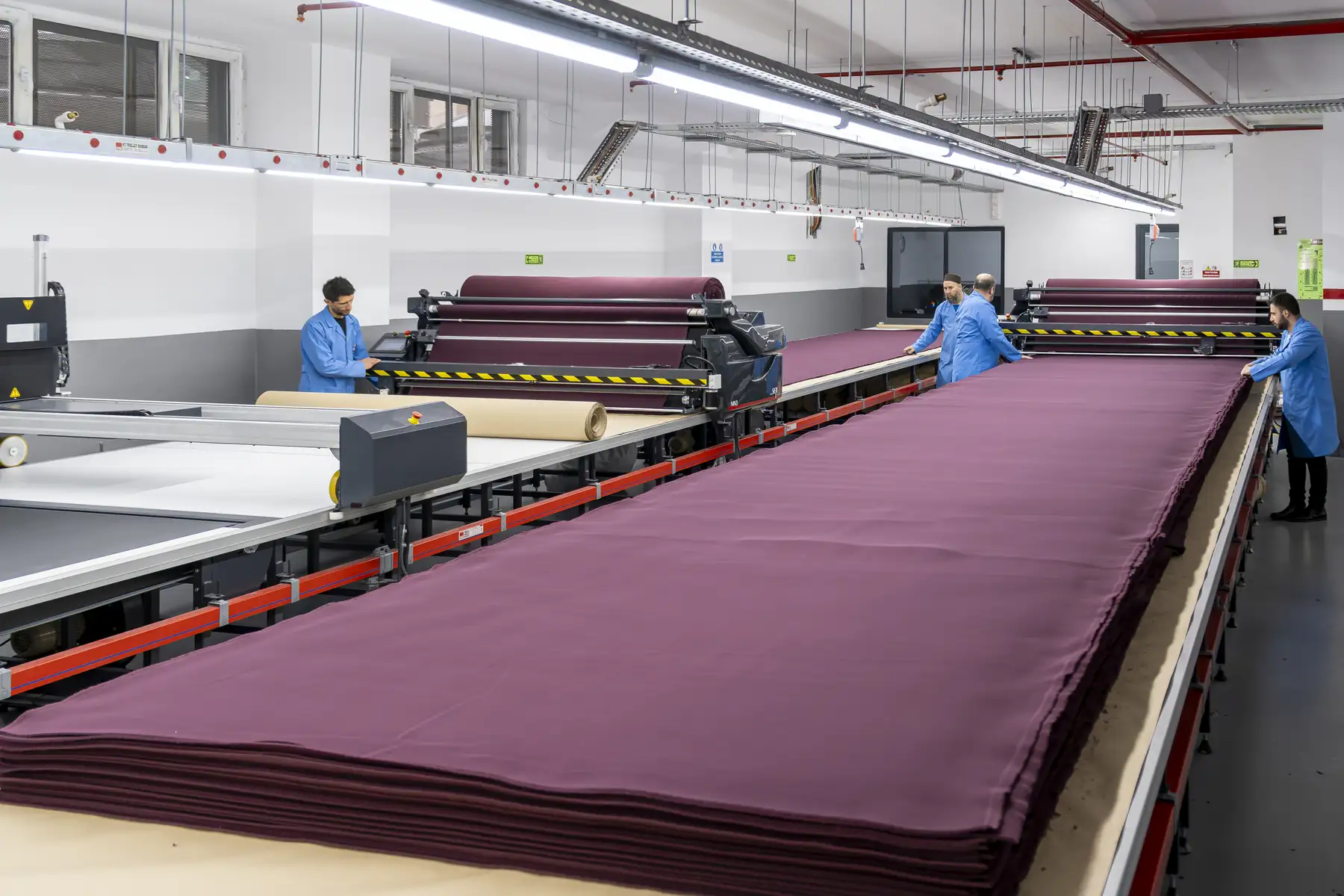
Manufacturing usually represents the largest portion of the total cost.
Depending on the quotation, expenses may include fabric sourcing, pattern development, cutting, sewing, printing, embroidery, labels, and garment finishing.
Sampling, grading, and development fees may be charged separately.
For accurate budgeting, determine which expenses are already included in the unit price and which must be allocated across the production order.
2. Packaging and Preparation
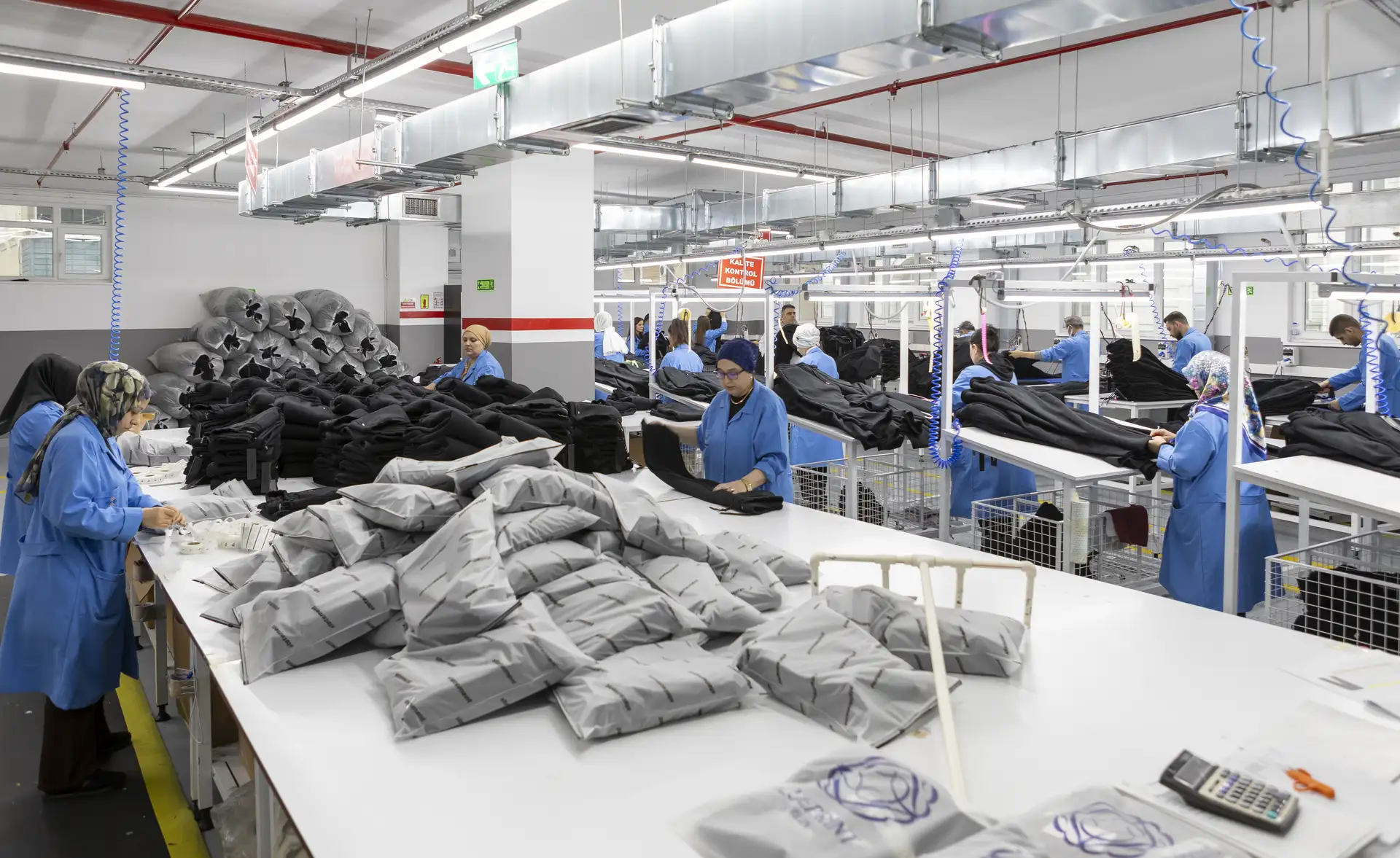
Custom packaging can add more than brands initially expect.
Common expenses include woven labels, hangtags, individual polybags, branded boxes, protective materials, and export cartons.
Packaging specifications also affect carton dimensions and shipment weight, potentially increasing freight costs.
3. Transportation and Cargo Insurance

Transportation costs depend on the destination, shipment volume, transport method, and service level.
Road freight is often practical for European destinations, while air freight can support urgent launches at a higher price. Ocean freight may suit suitable larger international shipments.
Cargo insurance provides financial protection against covered loss or damage. Its cost depends on the insured value, route, and policy conditions.
4. Import Duties and Customs Clearance
Import duties depend on garment classification, customs value, origin, destination, and applicable trade arrangements.
Knitted clothing, woven garments, cotton products, and synthetic apparel may fall under different Harmonized System (HS) classifications.
A customs broker can help determine the appropriate tariff code and import requirements.
5. Import VAT and Destination Charges
European importers must consider import VAT alongside customs duties.
The VAT calculation may include customs value, duties, and certain transportation or incidental expenses.
Other charges can include customs brokerage, terminal handling, storage, inspection, and final delivery.
Important: VAT-registered businesses may be eligible to reclaim import VAT, subject to national rules. It should not automatically be treated as a permanent manufacturing expense.
Importing Clothing from Turkey: EU, UK, and US Differences
European Union
The EU–Türkiye Customs Union generally allows qualifying industrial goods, including clothing, to circulate without ordinary customs duties when the relevant conditions are met.
An A.TR movement certificate can demonstrate that goods are in free circulation. It does not independently certify Turkish origin.
Import VAT, clearance expenses, and applicable additional measures must still be considered.
United Kingdom
The UK–Türkiye trade agreement can provide preferential tariffs for garments meeting its rules of origin.
Importers must hold appropriate origin documentation. Shipping a garment from Turkey does not automatically establish preferential Turkish origin.
United States
US import costs depend on the applicable HTS classification, customs value, and additional tariff measures in force when goods enter.
Because tariff policies can change, American brands should confirm current duty exposure before finalizing their purchasing budget.
Useful official resources include the European Commission’s Access2Markets, UK–Türkiye trade guidance, and the US Harmonized Tariff Schedule.
How Incoterms Affect Your Landed Cost
Incoterms define which party handles particular transportation obligations, costs, and risks.
Common arrangements in apparel sourcing include:
- EXW (Ex Works): The buyer takes responsibility from the agreed factory location, including collection and export arrangements.
- FCA (Free Carrier): The seller handles export clearance and delivers goods to the agreed carrier or location.
- FOB (Free On Board): The seller delivers goods on board the vessel at the named port. It applies to sea and inland waterway transport.
- DAP (Delivered at Place): The seller arranges transportation to the agreed destination, while the buyer normally manages import clearance and duties.
- DDP (Delivered Duty Paid): The seller bears import clearance and duty obligations, subject to the contract and legal feasibility.
An EXW quotation may appear less expensive than DAP or DDP because more logistics expenses remain with the buyer.
Always compare quotations using the same named destination and delivery responsibilities.
How to Calculate Landed Cost Per Garment
A reliable costing calculation follows five steps:
- Calculate the total production and separately charged packaging costs.
- Add transportation, insurance, and export-related expenses not already included.
- Determine customs value and applicable duties with your broker.
- Add clearance, destination handling, delivery, and other non-recoverable expenses.
- Divide the total by the number of usable garments received.
Do not add expenses already included in a supplier’s quoted price twice.
Example 1: Importing 1,000 Hoodies from Turkey to Germany
Consider a European streetwear brand ordering 1,000 premium hoodies.
| Expense | Amount |
|---|---|
| Manufacturing: 1,000 × €18 | €18,000 |
| Labels and packaging | €600 |
| Local transport and export handling | €400 |
| International freight | €1,200 |
| Cargo insurance | €100 |
| Customs brokerage | €250 |
| Destination handling | €300 |
| Warehouse delivery | €350 |
| Customs duty (qualifying A.TR shipment) | €0 |
| Total landed cost, excluding recoverable VAT | €21,200 |
Landed cost per hoodie = €21.20
The factory price was €18, but logistics and additional services increased the actual cost by approximately 17.8%.
Import VAT is excluded from this illustration on the assumption that it is fully recoverable. The actual VAT base and accounting treatment must be confirmed separately.
If the brand sells each hoodie for €55 excluding VAT, its gross product margin is approximately 61.5%, before marketing, fulfillment, returns, and operating expenses.
Example 2: Importing 1,000 T-Shirts from Turkey to the USA
Now consider a US clothing brand ordering 1,000 private-label T-shirts.
| Expense | Amount |
|---|---|
| Manufacturing: 1,000 × $9 | $9,000 |
| Packaging | $300 |
| Origin transportation | $200 |
| International freight | $950 |
| Cargo insurance | $60 |
| Illustrative import duties | $1,860 |
| Customs brokerage | $250 |
| Destination handling | $260 |
| Warehouse delivery | $350 |
| Total landed cost | $13,230 |
Landed cost per T-shirt = $13.23
This example assumes a hypothetical 20% combined duty on an illustrative customs value of $9,300. It is not a statement of the current US tariff.
Actual customs valuation, applicable duties, and government fees must be verified for the specific shipment.
The calculation shows why even modest changes in tariffs can materially affect retail pricing decisions.
Hidden Costs Fashion Brands Should Anticipate
Experienced sourcing teams also budget for expenses that may not appear in an initial manufacturing quotation.
These include currency conversion fees, exchange-rate fluctuations, bank charges, storage, demurrage, customs inspections, and urgent delivery upgrades.
Production-related issues deserve attention as well. Rejected garments, rework, and shortages can raise the effective cost of each sellable item.
A documented AQL inspection before shipment can help identify quality issues that might otherwise increase the cost per sellable garment.
A practical approach is to maintain a separate contingency allowance based on the shipment’s actual risks rather than assuming every order will proceed without additional costs.
Why Manufacturing in Istanbul Can Make Financial Sense
Istanbul offers fashion brands access to textile production, fabric sourcing, garment decoration, and supporting services within an established manufacturing ecosystem.
Understanding Istanbul’s textile manufacturing ecosystem can help brands evaluate how local production services influence sourcing efficiency and overall costs.
For European buyers, geographical proximity can support shorter transportation routes and more flexible coordination compared with distant manufacturing locations.
The value of this proximity becomes clearer when comparing complete supply-chain expenses rather than factory prices alone.
For premium and streetwear brands, communication, sampling efficiency, quality consistency, and reliable delivery can be just as important as the lowest quoted unit price.
Plan Your Clothing Production with Istanbul Factory
At Istanbul Factory, we help fashion brands approach manufacturing with a clearer understanding of production requirements, material choices, and cost considerations.
Our services cover fabric consultancy, sampling, private-label production, printing, embroidery, branding, and quality control.
We work with emerging and established labels seeking reliable manufacturing partnerships in Istanbul.
If you are preparing a collection, share your technical specifications, target quantities, branding requirements, and destination market with our team.
Request a clothing manufacturing quotation from Istanbul Factory and build your sourcing budget around realistic production expectations.
Frequently Asked Questions
What is the landed cost of clothing from Turkey?
It is the combined cost of manufacturing, transporting, importing, and delivering garments to the agreed destination, including applicable duties and non-recoverable expenses.
Is clothing imported from Turkey duty-free in the EU?
Qualifying garments covered by the EU–Türkiye Customs Union may enter without ordinary customs duties when the relevant requirements are satisfied. An A.TR certificate generally supports free-circulation status.
Does landed cost include import VAT?
Import VAT affects cash flow. If it is fully recoverable, it is generally excluded from the permanent product cost. Non-recoverable VAT may be included.
Is EXW or DDP cheaper for fashion brands?
Neither is automatically cheaper. EXW leaves more transportation responsibilities with the buyer, while DDP includes additional seller obligations. Compare total costs and legal responsibilities.
How can a clothing brand reduce landed costs?
Improve packaging efficiency, consolidate shipments where practical, use accurate customs classifications, prevent quality-related losses, and compare logistics quotations under consistent Incoterms.