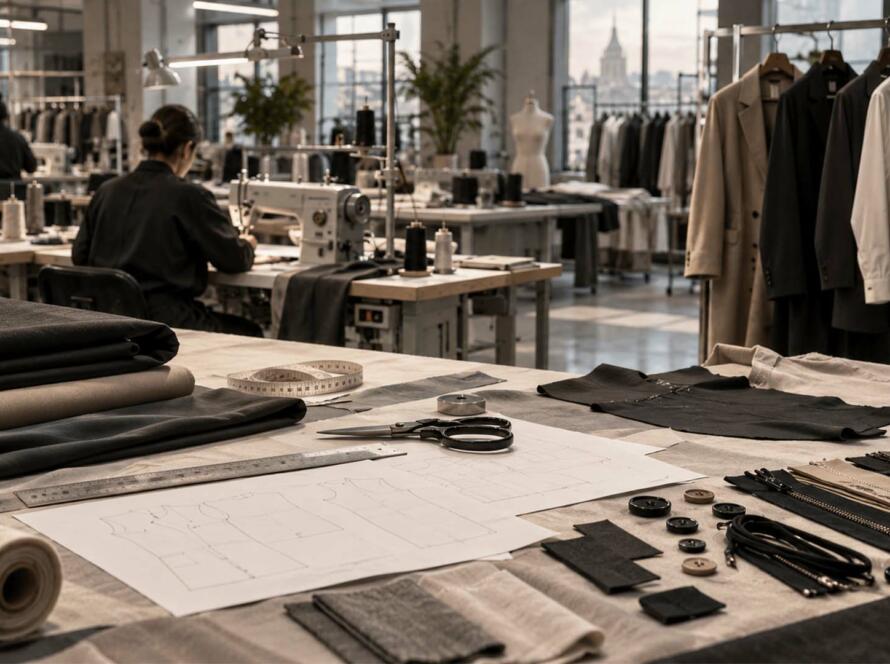


Getting a clothing manufacturing quote is often the first serious step toward turning a fashion concept into a production-ready collection. Yet many brands approach manufacturers with little more than reference images, a product description, and a question: How much will it cost?
The problem is that manufacturing prices depend on details that are not always visible in a photograph.
Two hoodies might look almost identical, but differences in fabric weight, construction, embroidery, finishing, and order volume can produce significantly different manufacturing costs.
A well-prepared Request for Quotation (RFQ) helps eliminate these uncertainties. It gives manufacturers enough information to calculate realistic prices while helping your brand understand exactly what those prices include.
This guide explains how to prepare a professional clothing manufacturing RFQ, what technical and commercial details to include, and how to compare quotations before committing to production.
What Is an RFQ in Clothing Manufacturing?
A Request for Quotation (RFQ) is a formal document that a fashion brand sends to a clothing manufacturer to request pricing for producing specific garments.
A complete RFQ describes the product, materials, quantities, customization requirements, quality expectations, and delivery conditions.
The manufacturer uses this information to calculate production costs, identify technical requirements, and prepare a commercial quotation.
Unlike a general price inquiry, an RFQ creates a defined basis for negotiation.
For example, asking “How much does it cost to manufacture 1,000 hoodies?” leaves several important questions unanswered.
A professional RFQ specifies whether those hoodies require heavyweight brushed fleece, custom patterns, screen printing, embroidery, branded labels, or specialized packaging.
The more clearly a product is defined, the more accurately a manufacturer can price it.
An RFQ is still an estimate request, however. Final production prices may depend on approved samples, confirmed material availability, and the agreed purchase order.
1. Prepare Your Product Information Before Requesting a Quote
Before contacting clothing manufacturers, organize the essential information about your collection.
You do not necessarily need every technical detail finalized, especially during early product development. However, separating confirmed specifications from undecided requirements makes the quotation process considerably easier.
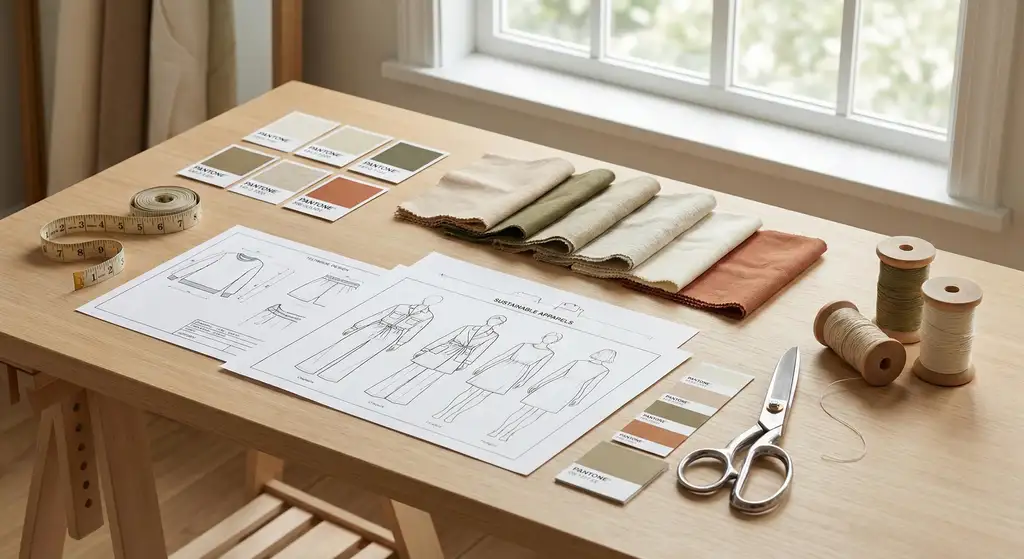
Define the Garment and Product Concept
Start with a clear product description.
Identify the garment category, intended customer, fit, and level of quality.
For example:
- Product: Oversized pullover hoodie
- Market: Premium European streetwear
- Fit: Relaxed, slightly cropped silhouette
- Construction: Ribbed cuffs and waistband
- Fabric: Heavyweight brushed fleece
- Branding: Screen-printed chest graphic and woven neck label
Include reference photographs or sketches when available.
Visual references help communicate design intentions, but they should support technical specifications rather than replace them.
Include a Technical Pack
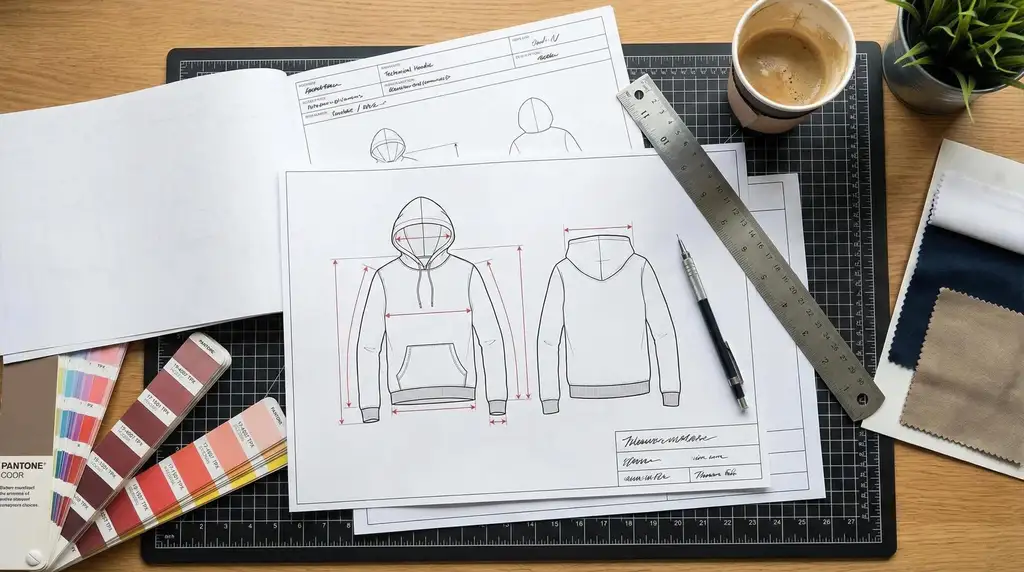
A tech pack is one of the most valuable documents you can provide when requesting a clothing manufacturing quote.
It translates a garment design into instructions a manufacturer can evaluate and eventually produce.
A useful tech pack typically contains:
- Technical flat sketches showing front and back views.
- Construction details, stitching, and seam specifications.
- Fabric and trim requirements.
- Points of measurement and garment dimensions.
- Size grading rules and acceptable tolerances.
- Artwork placement and decoration dimensions.
- Labeling, finishing, and packaging instructions.
A bill of materials (BOM) can further clarify the required components, from main fabric and ribbing to zippers, drawcords, labels, and packaging.
Practical insight: If your tech pack is incomplete, ask the manufacturer which assumptions they will use for the initial estimate. Those assumptions should be documented rather than left open to interpretation.
2. Specify Fabric Requirements Clearly
Fabric selection is one of the strongest influences on garment pricing.
A basic cotton jersey T-shirt and a premium heavyweight T-shirt may require similar sewing operations, yet their material costs and production behavior can differ considerably.
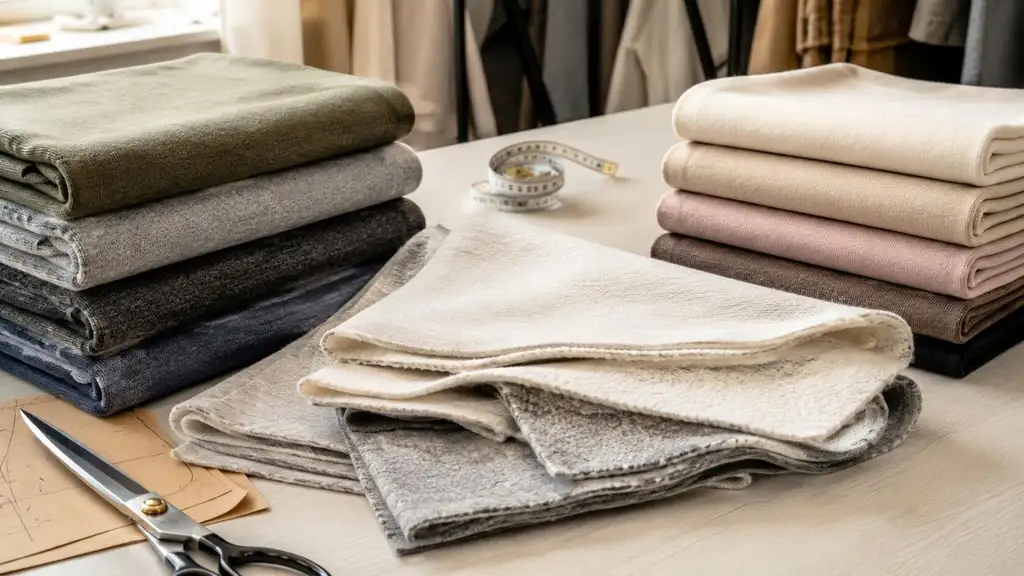
Your RFQ should describe:
- Fiber composition: Such as 100% cotton or a defined cotton-polyester blend.
- Fabric construction: Single jersey, French terry, fleece, rib knit, twill, or another construction.
- Fabric weight: Usually expressed in grams per square meter (GSM).
- Color requirements: Specific color references, including Pantone textile references where appropriate.
- Finishing: Brushing, washing, softening, or other treatments.
- Performance expectations: Shrinkage, colorfastness, pilling resistance, or other relevant properties.
If sustainability is a purchasing requirement, specify the preferred material standard or certification and the evidence you expect the supplier to provide.
Do not assume that terms such as organic, recycled, or sustainable automatically establish certification or traceability.
What If You Have Not Selected a Fabric?
You can still request an indicative quotation.
Explain the desired hand feel, appearance, weight range, and target price positioning. A manufacturer offering fabric sourcing and consultancy can recommend suitable options.
Ask for those alternatives to be quoted separately so you can evaluate their cost and performance differences.
3. Define Quantities, Sizes, and Color Variations
Order quantities affect fabric purchasing, production planning, setup costs, and unit pricing.
Manufacturers generally need more detail than the overall number of garments.
Your RFQ should clearly state:
Total quantity: The number of pieces required for the complete order.
Quantity per style: The number of units for each garment design.
Quantity per color: How the order is divided between colorways.
Size breakdown: The quantities required in each size.
Consider a brand ordering 1,000 hoodies in two colors:
| Size | Black | Stone |
|---|---|---|
| XS | 50 | 50 |
| S | 100 | 100 |
| M | 150 | 150 |
| L | 125 | 125 |
| XL | 75 | 75 |
| Total | 500 | 500 |
This provides a much clearer basis for fabric allocation and production planning than simply requesting a price for 1,000 hoodies.
Understand Minimum Order Quantities
A minimum order quantity (MOQ) is the smallest production volume a manufacturer is willing to accept under specified conditions.
MOQs may apply per style, color, fabric, or production process.
For example, Istanbul Factory generally works with a minimum of 500 pieces per style and color, subject to the specific product and material requirements.
If you are comparing multiple manufacturers, confirm how each factory defines its MOQ.
Also consider requesting prices at different order volumes, such as 500, 1,000, and 2,000 pieces. This can help your brand assess how scaling production affects unit costs.
4. Include Printing, Embroidery, Labels, and Packaging
Customization can substantially change a garment quotation.
A blank sweatshirt and an extensively decorated private label sweatshirt should not be treated as equivalent products.
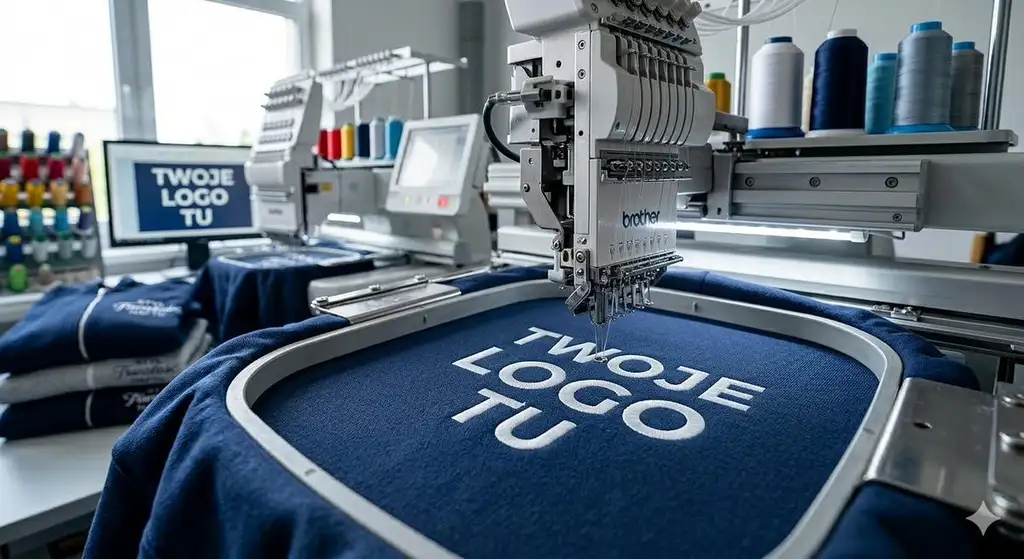
Printing and Embroidery
If your collection includes decoration, specify the intended production method whenever possible.
For printing, provide the artwork file, print dimensions, location, number of colors, and preferred technique.
For detailed file preparation and placement specifications, see our guide to print artwork requirements.
For embroidery, include the design size, placement, approximate coverage, and any special thread requirements.
Screen printing, digital printing, and embroidery involve different preparation processes and cost structures.
If you are unsure which method suits your product, request a technical recommendation with clearly identified pricing assumptions.
Branding and Labeling
Private label clothing often includes several branded components.
Clarify whether your garments require woven neck labels, printed care labels, size labels, hangtags, or branded packaging.
For garments intended for European or US markets, specify the destination countries so labeling requirements can be reviewed appropriately.
For garments sold in the European Union, review the applicable EU textile labelling requirements before finalizing your labels.
Packaging and Finishing
Mention individual folding, polybags or alternative packaging, barcode stickers, carton labeling, and any special finishing treatments.
These details may appear minor during development, but they affect both the final presentation and the manufacturing cost.
5. Ask for a Transparent Manufacturing Cost Breakdown
A professional clothing manufacturing quote should clearly explain what the stated price covers.
Depending on the production arrangement, costs may include fabric and trims, pattern development, cutting, sewing, decoration, finishing, inspection, and packaging.
Ask the supplier to identify which services are included and which require separate payment.
Full-Package Production vs. CMT
Two quotations may use different manufacturing models.
Full-package production generally involves the manufacturer sourcing materials and coordinating the agreed production processes.
CMT (Cut, Make, Trim) primarily covers specified manufacturing operations, while the buyer typically supplies some or all required materials.
A lower CMT price is not necessarily a cheaper overall solution once material sourcing, transportation, and coordination are considered.
Before comparing quotations, establish whether they cover the same scope of work.
Ask manufacturers to identify any one-time development charges, printing setup fees, additional testing expenses, or other possible costs.
6. Clarify Sampling, Production Timelines, and Payment Terms
A clothing manufacturing quote should explain the commercial process as clearly as the product price.
Sampling Costs and Approval
Ask whether the quotation includes prototype development, fit samples, revisions, and pre-production samples.
Also confirm whether sampling fees are refundable or credited against bulk production.
Avoid authorizing production until the relevant sample and specifications have been approved.
Production Lead Time
Request an estimated production schedule that identifies when the clock starts.
For example, does the quoted lead time begin after deposit payment, fabric availability, sample approval, or completion of all three?
Istanbul Factory commonly plans standard production within approximately four to six weeks, depending on product complexity, material availability, and confirmed approvals.
Sampling and international transportation should be considered separately unless the manufacturer explicitly includes them in the schedule.
Payment and Delivery Conditions
Ask for the payment currency, deposit percentage, balance payment deadline, and accepted payment method.
For international orders, the quotation should also identify the delivery term and named place.
Under Incoterms® 2020, EXW (Ex Works), FCA (Free Carrier), and DAP (Delivered at Place) allocate transportation responsibilities, costs, and risks differently.
For example, an EXW Istanbul quotation does not automatically include international freight, import customs charges, or delivery to your warehouse.
A low factory price may therefore represent only part of your actual landed cost.
7. Practical Example: Requesting a Quote for Premium Hoodies
Imagine a European streetwear brand preparing its first heavyweight hoodie collection.
Instead of sending a short email requesting a hoodie price, the brand submits the following RFQ summary:
| Requirement | Specification |
|---|---|
| Product | Premium oversized pullover hoodie |
| Fabric | 380 GSM brushed fleece |
| Composition | Cotton-polyester blend; exact ratio to be confirmed |
| Colors | Black and stone |
| Quantity | 1,000 units; 500 per color |
| Sizes | XS–XL, with attached size breakdown |
| Decoration | One-color chest screen print |
| Branding | Custom woven neck label and care label |
| Packaging | Individually folded and packed |
| Quality requirements | Approved measurements, shrinkage and colorfastness criteria |
| Delivery | EXW Istanbul requested |
| Documents | Tech pack, artwork, size chart, and reference images |
The manufacturer can now evaluate specific materials, decoration methods, and production requirements.
If details remain unresolved, the quotation can identify them as assumptions rather than presenting an apparently fixed price.
This makes the quote more useful for budgeting and reduces the risk of unexpected revisions.
8. How to Compare Clothing Manufacturing Quotations

Receiving several quotations does not mean you are comparing equivalent offers.
Understanding the factors behind custom clothing manufacturing costs makes it easier to identify differences between supplier quotations.
One manufacturer may include custom labeling and sample development, while another quotes only basic garment production.
Evaluate each proposal using the same criteria.
| Comparison Factor | What to Check |
|---|---|
| Unit price | Same garment specification, currency, and order quantity |
| Materials | Fabric composition, GSM, construction, and quality |
| Customization | Printing, embroidery, labels, and finishing |
| Sampling | Development fees, revisions, and approval process |
| Quality control | Inspection procedures, tolerances, and testing |
| Production timeline | Lead-time assumptions and production capacity |
| Delivery | Incoterm, named place, and excluded logistics costs |
| Commercial terms | Payment schedule, quotation validity, and responsibilities |
Look Beyond the Lowest Unit Price
A lower price may reflect a lighter fabric, simplified construction, fewer inspections, or excluded services.
It does not automatically indicate poor quality, but the differences need to be understood.
Consider communication quality as well. Does the manufacturer ask technical questions? Are specifications clarified before prices are finalized? Can the supplier explain how quality will be controlled?
Reliable manufacturing partnerships depend on transparent specifications and realistic expectations.
9. Complete Clothing Manufacturing RFQ Checklist
Use this checklist before submitting your next quotation request.
Product and technical information
-
Garment type, design description, and reference images.
-
Tech pack, measurements, grading, and tolerances.
-
Fabric composition, construction, GSM, and colors.
-
Trims, construction details, and quality requirements.
Order and customization
-
Quantity per style and color.
-
Size distribution for each colorway.
-
Printing or embroidery artwork and specifications.
-
Labels, hangtags, packaging, and finishing requirements.
Production and quality
-
Sampling requirements and revision expectations.
-
Required testing and inspection procedures.
-
Target sample approval and bulk production dates.
-
Destination market and applicable product requirements.
Commercial information
-
Requested price breaks and quotation currency.
-
Itemized inclusions, exclusions, and setup fees.
-
Payment terms and quotation validity.
-
Delivery Incoterm, named place, and shipping responsibilities.
Before sending the document, clearly identify any details that are still provisional. Ask manufacturers to distinguish estimated prices from quotations based on finalized specifications.
10. Common RFQ Mistakes That Lead to Unexpected Costs
Three recurring mistakes make clothing quotations unnecessarily difficult.
Requesting prices from photographs alone. Images communicate appearance but rarely provide enough information about construction, fabric quality, or measurements.
Changing specifications after receiving a quote. Increasing fabric weight, adding embroidery, or introducing new colors may require recalculating material and production costs.
Ignoring the total supply-chain cost. Sample development, packaging, freight, customs procedures, and import charges can change the economics of an otherwise attractive factory quotation.
The best way to avoid these problems is to establish one controlled version of the RFQ and request updated pricing whenever the product specifications change.
11. Why Fashion Brands Request Manufacturing Quotes from Istanbul
Istanbul is an established textile and apparel manufacturing center, offering access to fabric suppliers, garment production facilities, and specialized finishing and decoration services.
For European fashion brands, sourcing from Turkey can provide practical advantages in production coordination and regional logistics.
For US brands, Turkish manufacturers can offer an alternative sourcing base for private label clothing, streetwear, and premium collections.
However, geography alone does not guarantee the right manufacturing partner.
Technical expertise, material selection, production transparency, quality assurance, and clear commercial terms remain the most important considerations.
Request Your Clothing Manufacturing Quote from Istanbul Factory
At Istanbul Factory, we help emerging and established fashion brands turn product concepts into production-ready garments.
Our services cover design support, fabric sourcing, sampling, private label manufacturing, printing, embroidery, branding, and quality control.
Whether you are developing your first streetwear collection or preparing a larger production order, a clear RFQ helps our team understand your requirements and assess your project accurately.
Share your tech pack, reference images, expected order quantities, and production requirements. If some technical details are still undecided, explain your goals so the appropriate options can be discussed.
Ready to bring your collection into production?
Contact Istanbul Factory to discuss your manufacturing requirements and request a quotation tailored to your clothing brand.
Frequently Asked Questions
1. What information do I need to request a clothing manufacturing quote?
At minimum, share the garment type, technical specifications or reference sample, fabric details, quantity per style and color, size breakdown, decoration, packaging, target delivery date, and destination. A tech pack makes the estimate more reliable.
2. Can I get a clothing manufacturing quote without a tech pack?
Yes. A manufacturer can often offer an indicative range from a clear product brief and reference images, but a firm production price generally requires finalized specifications and sampling.
3. How does order quantity affect clothing manufacturing prices?
Higher quantities can spread pattern, setup, and production costs across more units. However, fabric selection, color splits, decoration, and factory minimums can change the price.
4. Should sampling costs be included in a manufacturing quote?
Ask whether development and sample charges are separate, how many revisions are included, and whether any fees will be credited against bulk production.
5. Which shipping term should appear in my RFQ?
Request a named Incoterms® 2020 rule and place, such as EXW Istanbul or FCA at an agreed Istanbul location, so you know which logistics costs and responsibilities are included.
6. How long does it take to receive a clothing manufacturing quotation?
Timing depends on how complete your specifications are and whether fabric, trims, or specialist processes need sourcing. Ask the manufacturer when the quotation will be issued and how long it remains valid.